

Introduction to Glass as an Effective Insulator
Glass has become an indispensable material in modern architecture due to its unique combination of aesthetics and functionality. As a material, it not only enhances the visual appeal of structures but also significantly contributes to insulation, promoting energy efficiency. This article delves into the reasons that make glass an excellent choice for insulation in buildings while integrating essential topics pertinent to manufacturers, wholesalers, and factories in the glass industry.
Thermal Properties of Glass
Low Thermal Conductivity
One of the primary reasons glass is regarded as an effective insulator is its low thermal conductivity. The thermal conductivity of glass is approximately 0.8 to 0.9 W/m·K, which is significantly lower than metals like aluminum, which has a thermal conductivity of about 237 W/m·K. This low thermal conductivity reduces heat transfer through the material, maintaining indoor temperatures and enhancing energy efficiency.
Role in Energy Conservation
The ability of glass to minimize heat transfer plays a crucial role in energy conservation. Double-glazed and triple-glazed glass, commonly produced by manufacturers, further enhance this property by trapping air between glass layers, thus effectively reducing heat loss and improving the thermal performance of buildings.
Atomic Structure and Electrical Insulation
Amorphous Structure Features
Glass is characterized by its amorphous atomic structure, where the lack of a regular crystalline pattern inhibits the free movement of electrons. This property results in high electrical resistivity, making glass an excellent electrical insulator. With resistivity values ranging between 1010 to 1014 ohm·m, glass is ideal for use in industries and factories where electrical insulation is crucial.
Application in Electrical Insulation
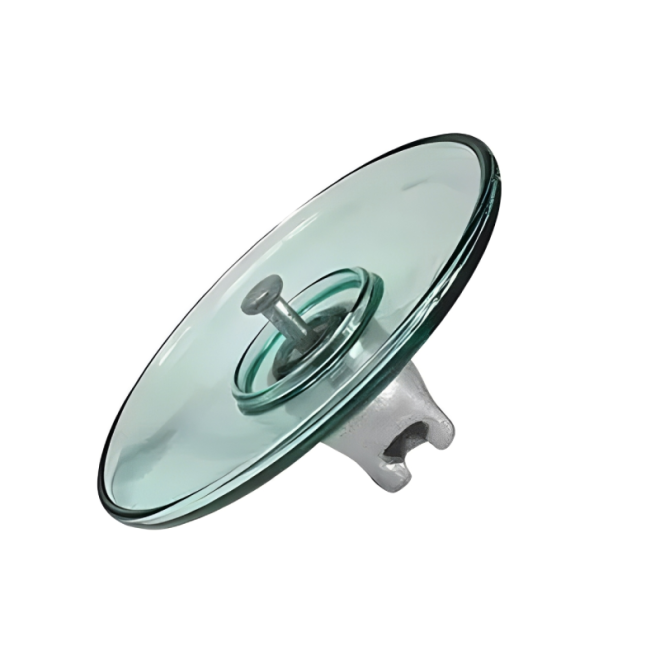
The high resistivity and dielectric strength of glass make it suitable for use in various electrical applications, such as insulators for transmission lines and protective covering in devices. This underscores the importance of glass in wholesale electrical components.
Solar Heat Gain Control
Advanced Glass Technologies
Modern glass technologies, such as low-emissivity (low-e) coatings, have revolutionized the control of solar heat gain in buildings. These coatings minimize infrared and ultraviolet light penetration while allowing visible light to pass, maintaining optimal indoor temperatures and reducing air conditioning needs.
Impact on Cooling Loads
By effectively controlling solar heat gain, glass reduces the cooling load on HVAC systems, especially in large-scale commercial buildings. This efficiency translates to lower energy costs, which is a significant consideration for manufacturers and factory owners when selecting building materials.
Sound Insulation Capabilities
Noise Reduction Mechanisms
Glass, particularly laminated varieties, provides substantial sound insulation benefits. Layers of glass with interlayers of polyvinyl butyral (PVB) create a barrier that reduces noise transmission from external sources, enhancing comfort and productivity in urban environments.
Benefits for Commercial Spaces
For wholesalers and manufacturers operating in noisy industrial areas, utilizing laminated glass can significantly improve the acoustics within buildings, creating a more conducive working environment and reducing the impact of noise pollution.
Durability and Weather Resistance
Resistance to Environmental Elements
One of glass's remarkable properties is its ability to withstand harsh weather conditions, including sunlight, wind, and rain. The inert nature of glass ensures that it does not degrade easily, making it a durable option for both residential and commercial structures.
Long-term Cost Efficiency
Given its durability, glass requires minimal maintenance once installed. This reduces replacement and maintenance costs over time, providing long-term economic benefits for factories and large-scale projects, where the wholesale purchase of glass is common.
Glass as a Safety and Security Feature
Enhanced Structural Integrity
Toughened or tempered glass, known for its increased strength, is frequently used in building applications to enhance safety and security. Upon breakage, it shatters into small, blunt pieces, minimizing injury risks.
Security Applications
Laminated glass, which incorporates a PVB interlayer, provides heightened security against forced entry and extreme weather. These qualities make it a preferred choice for manufacturers and factory owners prioritizing safety.
Contribution to Sustainable Building Practices
Reduction of Carbon Footprint
The use of glass in buildings aligns with sustainable construction practices by maximizing natural daylight and minimizing reliance on artificial lighting. This results in lower energy consumption and carbon emissions, a crucial aspect for environmentally conscious factories and manufacturers.
Recyclability and Environmental Impact
Glass is 100% recyclable, allowing for the sustainable production and reuse of glass products, which is advantageous for wholesalers and manufacturers committed to eco-friendly practices.
Design Flexibility in Architecture
Architectural Possibilities
Glass offers unparalleled design flexibility, enabling architects to create innovative structures that combine functionality and aesthetic appeal. From expansive glass facades to intricate curved designs, glass allows manufacturers to explore diverse architectural possibilities.
Integration with Modern Architecture
The ability to mold and shape glass to meet specific architectural requirements makes it a material of choice for factories and manufacturers aiming to meet contemporary design trends while maintaining insulation standards.
Comparison with Other Insulating Materials
Advantages Over Metals
While materials like metals are known for their strength, they fall short in insulating capabilities compared to glass. This makes glass a superior choice for applications requiring both insulation and transparency.
Versatility and Application
Compared to other insulators like rubber or plastics, glass provides unique aesthetic and functional benefits, making it suitable for a wide range of applications from residential buildings to industrial factories.
Huayao Provide Solutions
At Huayao, we offer comprehensive solutions tailored to meet the insulation needs of residential, commercial, and industrial projects. Our state-of-the-art manufacturing processes ensure the highest quality glass products that combine durability, aesthetics, and energy efficiency. We work closely with wholesalers and factory owners to provide customized glass solutions that align with your specific requirements. Whether you're looking for enhanced thermal insulation, superior soundproofing, or advanced safety features, Huayao is committed to delivering excellence in every product. Let us help you achieve your architectural and environmental goals with our innovative glass solutions.
User hot search: glass an insulator
 Privacy settings