

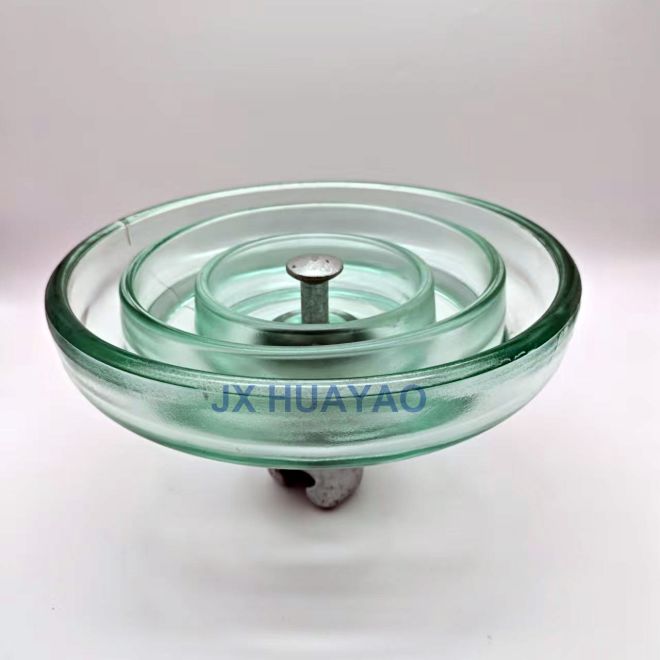
Introduction to glass bell insulators
Glass bell insulators are a critical component in electrical energy distribution and transportation systems. Known for their high mechanical strength and excellent electrical insulation properties, these insulators play an essential role in maintaining the integrity and efficiency of high-voltage power lines. They mechanically support conductor cables and serve as a barrier to prevent short circuits and electrical shocks. Understanding the manufacturing process, materials used, and the various factors influencing their performance is vital for manufacturers, factories, and suppliers engaged in the production of these insulators.
Materials Used in Glass Bell Insulators
Primary Materials
The primary material used in the construction of glass bell insulators is high-quality tempered glass. This material is chosen for its ability to withstand significant mechanical and thermal stresses, enabling it to endure high levels of electrical tension without damage. The glass is designed to maintain its integrity and performance over extended periods of use, even in harsh environmental conditions.
Complementary Materials
In addition to glass, other materials such as cast iron, forged steel, and stainless steel are used to create the fastening fittings of the insulator. These materials provide additional strength and durability, ensuring the insulator's stability throughout its lifespan. The use of cement and specific coatings can further enhance the insulator’s resistance to environmental challenges, such as corrosion and contamination.
Manufacturing Process of Glass Bell Insulators
Glass Preparation and Molding
The manufacturing process begins with the preparation of the glass material. High-quality raw glass is melted at approximately 1500°C to form a homogenous liquid. This liquid glass is then molded into the desired bell shape using precision molds, a process that requires tight control to ensure uniformity and compliance with design specifications.
Tempering and Quality Assurance
Once the glass bells are formed, they undergo a tempering process to enhance their mechanical strength. This involves heating the glass to a specific temperature and then rapidly cooling it, a procedure that increases its resistance to thermal and mechanical stress. Each piece is then subjected to rigorous quality assurance tests, including thermal shock tests, to ensure it meets industry standards.
Design Considerations for Glass Insulators
Mechanical and Electrical Requirements
Insulators must be designed to meet specific mechanical and electrical requirements, including the ability to withstand mechanical breaking loads and various environmental conditions. Design parameters such as the insulator's profile shape, creepage distance, and coupling standards are crucial factors that manufacturers and suppliers consider during the design phase.
Customization and Compatibility
Customization of design is often necessary to ensure compatibility with the existing infrastructure. Factors such as line voltage, environmental conditions, and expected electrical loads must be taken into account. Manufacturers and suppliers work closely with clients to tailor the insulator design to meet specific requirements, ensuring optimal performance and longevity.
Quality Standards and Testing Procedures
Compliance with International Standards
Glass bell insulators are subject to rigorous quality standards, often guided by the International Electrotechnical Commission (IEC) and the American National Standards Institute (ANSI). These standards provide detailed guidelines on the design, manufacturing, and testing procedures, ensuring insulators are reliable and safe for high-voltage applications.
Testing and Quality Control
Each insulator undergoes multiple tests to verify its mechanical strength and electrical resistance. These tests include checking for puncture withstand voltages, both dry and wet power frequency withstand voltages, and lightning impulse withstand voltages. Factory and supplier quality assurance teams play a critical role in this process, ensuring each product complies with established standards.
Installation and Maintenance Practices
Installation Best Practices
Proper installation is critical to the efficient operation of glass bell insulators. Manufacturers and suppliers provide detailed guidelines to ensure insulators are securely attached to support structures. Installation involves using appropriate hardware and tools, which vary depending on environmental conditions and design specifications.
Regular Maintenance and Inspection
Maintenance involves regular inspections to identify signs of wear or contamination, especially in polluted environments. Preventive measures, such as cleaning and applying protective coatings, can extend the life of the insulators. Manufacturers often recommend specific maintenance schedules to help prevent failures and ensure ongoing performance.
Technological Advancements and Innovations
Modern Manufacturing Techniques
Advancements in manufacturing technology have led to improved production processes for glass bell insulators. Techniques such as automated molding and precision tempering have enhanced the consistency and quality of insulators produced. Factories are increasingly adopting smart manufacturing technologies to optimize production and reduce costs.
Innovative Coatings and Treatments
Innovative treatments, such as the application of hydrophobic RTV silicone coatings, have been developed to enhance insulator performance in highly contaminated environments. These treatments improve the insulator's resistance to moisture and pollutants, reducing the risk of electrical arcs and prolonging the insulator's service life.
Comparison with Other Insulator Types
Glass vs. Porcelain Insulators
Glass and porcelain insulators have been used extensively in electrical systems, each offering distinct advantages. Glass insulators are generally more affordable and provide excellent visibility for detecting faults, while porcelain insulators offer superior mechanical strength and higher resistance to aging and contamination.
Glass vs. Polymer Insulators
Polymer insulators have gained popularity due to their lightweight construction and resistance to vandalism. However, glass insulators continue to be preferred in many high-voltage applications due to their proven track record, durability, and ability to withstand extreme environmental conditions.
Environmental and Operational Challenges
Impact of Environmental Conditions
Environmental factors such as temperature fluctuations, humidity, and pollution can significantly affect the performance of glass insulators. Manufacturers must consider these factors when designing insulators to ensure they maintain their mechanical and electrical properties under various conditions.
Operational Challenges and Solutions
Operational challenges, such as the accumulation of dust and salts, require solutions like regular cleaning and the application of anti-contamination coatings. Manufacturers and suppliers often provide customized solutions to address these challenges, ensuring the insulators remain effective over their operational life.
Future Trends in Insulator Manufacturing
Looking ahead, the demand for glass bell insulators is likely to grow, driven by the expansion of electrical infrastructure and the adoption of smart grid technologies. Manufacturers and suppliers are expected to focus on enhancing the efficiency and sustainability of insulator production, including reducing energy consumption and minimizing waste in the manufacturing process. Additionally, ongoing research into new materials and coatings will pave the way for more robust and reliable insulator solutions.
Huayao Provide Solutions
Huayao is committed to offering advanced solutions for the production and application of glass bell insulators. By leveraging cutting-edge technology and adhering to international standards, Huayao ensures the highest quality products. Our comprehensive approach includes customized design, innovative coatings, and robust testing procedures to meet the unique needs of each client. With a focus on sustainability and durability, Huayao continues to provide reliable insulator solutions that enhance the safety and efficiency of electrical systems worldwide.

 Privacy settings