

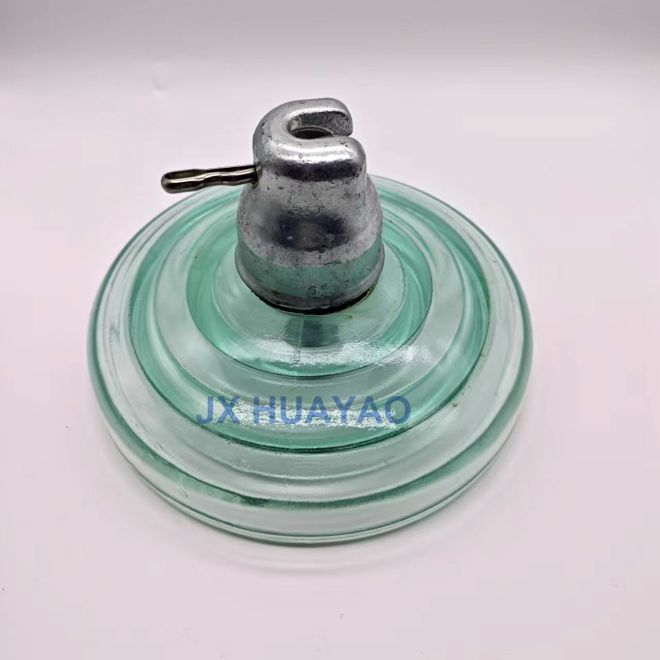
Introduction to glass transformer insulators
Glass transformer insulators are vital components in electrical systems that prevent undesired electrical currents from flowing between conductors and other components. These insulators are crafted from toughened or annealed glass, offering exceptional dielectric strength and mechanical toughness. The transparency of glass insulators allows for easy visual inspection, making them a preferred choice in various industries.
Benefits of Customizing Glass Insulators
Customization of glass insulators provides several advantages, ensuring optimal performance and safety in specific applications. By tailoring insulators to meet particular needs, manufacturers, factories, and wholesalers can provide solutions that enhance the reliability and efficiency of power grids and surge protection devices.
Enhancing Durability and Performance
Customizing insulators to address specific environmental and operational challenges increases their durability and performance. For instance, choosing materials and designs that resist corrosion, pollution, and temperature fluctuations can significantly extend the lifespan of the insulators.
Meeting Industry Standards
Customization allows for alignment with international standards such as IEC and ANSI, ensuring compliance with stringent safety and operational requirements. This compliance is crucial for maintaining system reliability in complex electrical networks.
Materials Used in Glass Insulator Production
The choice of materials plays a pivotal role in the production of high-quality glass insulators. The use of toughened and annealed glass allows for varying levels of dielectric strength and mechanical resiliency.
Annealed Glass
Annealed glass insulators are used where moderate mechanical strength and excellent dielectric properties are needed. These insulators are suitable for medium to low-stress applications, providing a cost-effective solution for many electrical systems.
Customization for Environmental Conditions
Environmental factors such as pollution, moisture, and temperature variations greatly impact the performance of glass insulators. Custom designs can address these challenges, ensuring consistent performance across different environments.
Protection Against Pollution and Moisture
Insulators in polluted or coastal areas require special coatings, such as RTV silicone, to prevent dust and salt deposition, reducing the risk of flashovers. Hydrophobic surfaces prevent water accumulation, ensuring continued dielectric performance in wet conditions.
Thermal Shock Resistance
In regions with extreme temperature variations, insulators with superior thermal shock resistance are essential. Customization ensures that these insulators maintain mechanical integrity and dielectric strength under thermal stress.
Types of Glass Insulators and Their Applications
Glass insulators come in various types, each designed to suit particular applications based on their unique mechanical and dielectric properties.
Pin-Type Insulators
Pin-type insulators are commonly used in low-voltage applications. Their compact design and cost-effectiveness make them ideal for distribution lines and small-scale power systems.
Manufacturing Processes for Custom Insulators
Advanced manufacturing processes enable the production of customized insulators, meeting the diverse needs of various industries. Techniques such as pultrusion and pull-winding offer high precision and efficiency.
Pultrusion
- High-volume production capabilities
- Suitable for manufacturing cross arms and insulator rods
- Ensures minimal material waste
Pull-Winding
- Used for components like fuse cutouts and utility poles
- Allows precise fiber orientation control
Industry Standards and Compliance
Compliance with industry standards is crucial for ensuring the safety and performance of glass insulators. Standards such as IEC and ANSI provide guidelines for mechanical and electrical testing.
Key Compliance Requirements
- Dielectric strength and mechanical load testing
- Residual mechanical strength assessments
Performance Testing for Custom Insulators
Rigorous testing ensures that custom glass insulators meet the necessary performance criteria for specific applications. Tests evaluate dielectric strength, mechanical durability, and thermal resistance.
Ultimate Tensile Test
- Assesses insulator's ability to handle conductor tension
- Ensures mechanical integrity under load
Choosing the Right Manufacturer for Custom Insulators
Selecting a reliable manufacturer is essential for acquiring high-quality custom insulators. Manufacturers should demonstrate commitment to quality, innovation, and regulatory compliance.
Evaluation Criteria
- Adherence to international standards
- Proven track record in quality performance
Future Trends in Glass Insulator Customization
The future of glass insulator customization is likely to involve greater integration of digital technologies and sustainable materials, enhancing performance and reducing environmental impact.
Digital Integration
- Smart monitoring systems for predictive maintenance
- Integration with IoT for real-time performance tracking
Huayao Provide Solutions
Huayao offers unparalleled expertise in customizing glass transformer insulators for specific applications. Our solutions focus on meeting the unique demands of each industry, ensuring compliance with international standards and optimizing performance. By leveraging state-of-the-art manufacturing processes and materials, Huayao is committed to delivering high-quality, reliable, and sustainable insulators. Partner with Huayao to benefit from tailored solutions that enhance the efficiency and safety of your electrical systems, supported by our comprehensive design and engineering services.

 Privacy settings