

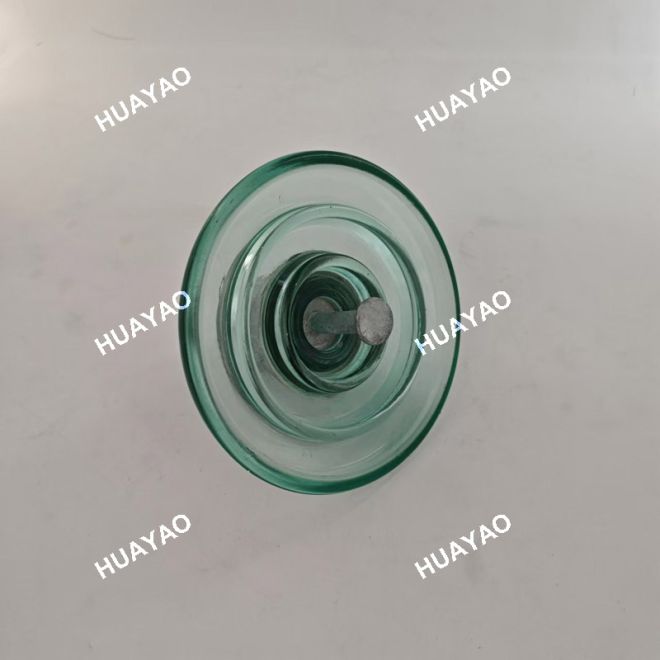
Introduction to glass suspension insulators
Glass suspension insulators are crucial elements in the architecture of high-voltage transmission systems. They are employed to support and insulate the electrical conductors in high-voltage applications such as power lines and substations. The robustness and reliability of these insulators make them indispensable in ensuring the safe operation of electrical networks. Understanding the design, functionality, and advantages of glass suspension insulators is essential for engineers, wholesale suppliers, and factory producers engaged in the power distribution sector.
Mechanical Strength of Glass Insulators
Material Composition and Durability
Glass insulators are renowned for their high mechanical strength, a property rooted in their material composition. Typically made from tempered glass, these insulators exhibit significant resilience against mechanical stresses. The manufacturing process involves processes like annealing and toughening, which fortify the glass to withstand tensile forces. For instance, a standard insulator can endure mechanical failing loads up to 550 kN, making it suitable for environments prone to high tension, wind, and ice loads.
Performance Under Stress
The mechanical integrity of glass suspension insulators ensures operational safety even under severe weather conditions. Their capacity to handle both static and dynamic loads without deformation is pivotal, especially in regions susceptible to frequent storms. Insulators maintained by reliable suppliers and factories are often subjected to rigorous mechanical tests to guarantee their durability and compliance with industry standards.
Electrical Insulation Capabilities
Prevention of Current Leakage
Glass insulators play a vital role in preventing current leakage from high-voltage conductors to supporting structures. They achieve this by providing substantial creepage distance, with some designs offering up to 320 mm. The insulator’s surface is engineered to ensure minimal electrical discharge or corona effect, which is crucial for maintaining network efficiency and safety.
Voltage Withstand and Dielectric Strength
The dielectric strength of glass suspension insulators is a defining attribute, with many models capable of withstanding power frequency voltages of 40 kV (wet) and lightning impulse withstand voltages up to 100 kV (dry). This robustness is a testament to their design precision and the rigorous quality controls employed during manufacturing, a process often overseen by experienced factory suppliers.
Environmental Resistance and Durability
Weather and Pollutant Resistance
One of the significant advantages of using glass suspension insulators is their resistance to environmental degradation. The tempered glass surface resists contamination from pollutants like industrial emissions and salt spray, common in coastal areas. The addition of a hydrophobic silicone coating in certain models enhances their resistance to water and dust accumulation, further maintaining their dielectric performance.
Longevity and Maintenance
The long-term durability of glass insulators is a critical factor for high-voltage applications. With proper maintenance, these insulators can operate efficiently for decades. Regular inspections are recommended, especially in high-pollution areas, to ensure that any contaminants are cleaned and that the insulators remain in optimal condition. Factories and suppliers often provide maintenance kits and guidelines to assist in prolonging the life of these insulators.
Standards and Compliance
International Standards (IEC and ANSI)
Glass suspension insulators are designed and manufactured to meet strict international standards, including those set by the IEC and ANSI. These standards dictate the parameters for electrical, mechanical, and environmental performance, ensuring that insulators maintain reliability across various high-voltage applications. Compliance with these standards is essential for wholesale customers and suppliers seeking to integrate glass insulators into their systems.
Quality Assurance and Testing
Manufacturers execute a series of rigorous tests to verify the insulators' compliance with the required standards. These tests include mechanical stress tests, dielectric withstand tests, and temperature resistance analysis. Insulators that pass these tests are more likely to provide reliable performance, making them the preferred choice for suppliers and factory partners involved in high-voltage applications.
Pollution and Contamination Mitigation
Impact of Contamination on Performance
Contamination on the surface of glass insulators can lead to reduced dielectric strength and increased risk of electrical arcs. Dust, salts, and industrial residues can accumulate on the insulator surface, elevating the potential for electrical discharge. Regular monitoring and maintenance help mitigate these risks by keeping the surface clean and functional.
Protective Measures and Technologies
Innovative solutions such as RTV silicone coatings can be applied to glass insulators to impart hydrophobic properties, effectively repelling water and contaminants. Additionally, selecting the appropriate insulator profiles and implementing protective hardware fittings play a crucial role in enhancing insulator performance in polluted environments.
Installation and Maintenance Requirements
Proper Installation Techniques
The performance of glass suspension insulators is heavily dependent on correct installation. It involves securely fastening the insulators to supporting structures using appropriate hardware, a task generally guided by detailed manufacturer specifications. Accurate installation minimizes the risk of mechanical failure and maximizes the insulator’s electrical isolation capabilities.
Maintenance Protocols
Routine maintenance is vital for glass insulators, especially in areas prone to heavy pollution or severe weather conditions. Regular inspections should look for signs of wear or contamination, with cleaning performed as needed. Suppliers often furnish detailed maintenance protocols to ensure glass insulators remain operationally effective throughout their lifespan.
Material Composition and Manufacturing Process
The Manufacturing Journey of Glass Insulators
The production of high-quality glass suspension insulators begins with raw material preparation and proceeds through stages of melting, molding, and annealing. The final toughening process, which involves tempering, enhances the glass’s strength and durability. This manufacturing journey is meticulously controlled and frequently audited for quality assurance by factory suppliers.
Parameters and Specifications
Key parameters such as mechanical load capacity, creepage distance, and dielectric strength define the suitability of a glass insulator for particular applications. Products offered by wholesale suppliers typically list these specifications, allowing customers to make informed decisions based on their specific high-voltage requirements.
Applications in High Voltage Systems
Usage in Power Transmission and Distribution
Glass suspension insulators are integral to high-voltage power transmission and distribution systems. They provide both mechanical support and electrical insulation for overhead lines, ensuring stable power delivery across regions. Their application is widespread in substations and on transmission towers, where reliability is paramount.
Industrial and Coastal Applications
The robust nature of glass insulators makes them especially suitable for use in industrial and coastal regions. Their resistance to harsh environmental conditions and pollutants makes them an ideal choice for ensuring continuous and safe power transmission in these challenging environments.
Comparison with Other Insulator Types
Glass vs. Porcelain Insulators
While both glass and porcelain insulators are used in high-voltage applications, glass offers superior mechanical strength and better performance under sudden temperature changes. Moreover, glass insulators are easier to inspect visually, given their transparency, which allows for early detection of internal faults.
Glass vs. Composite Insulators
Composite insulators, made from materials such as silicone rubber, offer lightweight and flexible solutions. However, glass insulators boast higher mechanical robustness and longer service life, making them preferable in applications where durability is critical. Suppliers often recommend glass insulators for environments with high mechanical stress.
Huayao Provide Solutions
Huayao offers comprehensive solutions for the procurement and maintenance of high-quality glass suspension insulators. We work with leading factories and suppliers to deliver products that comply with international standards and meet the rigorous demands of high-voltage applications. Our solutions include tailored insulator designs, impeccable wholesale options, and dedicated support for installation and maintenance. Choosing Huayao ensures reliable performance, safety, and efficiency in your power distribution systems.
 Privacy settings