

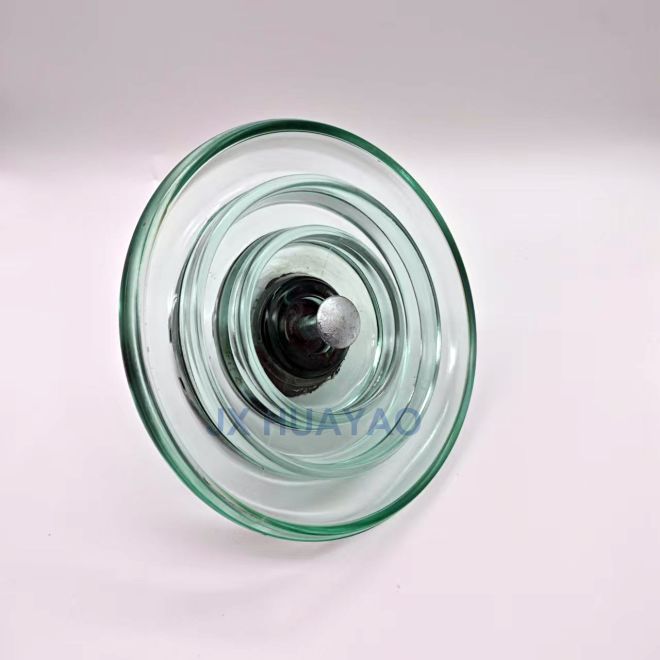
Historical Significance and Origins of glass insulators inc
The Birth of Glass Insulators
In the mid-19th century, the technological boom initiated a demand for effective insulation technologies, particularly with the advent of telegraph systems. Glass insulators emerged as a reliable solution, serving to keep telegraph wires insulated and maintain electrical continuity across vast distances. The glass insulator's role in electrical history was pivotal, as it enabled the effective establishment of communication networks.
Impact of Technological Advances
The rapid progression of communication technologies necessitated the evolution of glass insulators. By the 1930s, glass insulators were adapted to accommodate telephone and electrical wires, reflecting their expanding role in the growing communication system. This evolution marked their peak usage between 1920 and 1950, spurred by legislative initiatives such as the Rural Electrification Act.
Manufacturing Companies and Unique Designs
Diversity in Production
Hundreds of companies contributed to the production of glass insulators, each introducing unique designs to the market. These manufacturers, which included both glass-exclusive companies and larger industrial entities, diversified insulator designs to meet various functional and aesthetic needs.
The Advantages of Wholesale Manufacturing
Engaging in wholesale manufacturing allowed factories to meet the high demand for glass insulators. By leveraging economies of scale, manufacturers could reduce production costs while maintaining the unique attributes that collectors seek today. The diversity in design and efficient production processes have added layers of rarity and value to certain glass insulators.
Color Variations and Their Impact on Value
Common vs. Rare Colors
The color of a glass insulator significantly impacts its value. While clear and aqua hues were most common due to the widespread use of bottle glass, rarer colors like cobalt blue and amber are highly sought after by collectors. These unique hues emerged due to sporadic uses of leftover or recycled glass.
Valuation by Color
Insulators with unique shades are often evaluated at a premium due to their scarcity. For instance, cobalt blue insulators, a favorite among collectors, can fetch significantly higher prices at auction, making color one of the primary determinants of an insulator's value.
The Role of Color in Insulator Rarity
The Effect of Manufacturing Techniques
Aside from color, the method of glass production also influences an insulator's rarity. Some manufacturers employed techniques that resulted in swirling colors and unique patterns, making these insulators desirable for their aesthetic appeal and rarity.
Manufacturer Practices and Glass Recycling
Glass factories often utilized recycled materials, leading to unexpected color variants. This practice of recycling contributed to the creation of insulators with rare hues and interesting patterns, which are particularly valuable in the collector's market today.
Shape, Size, and Design Variations
Significance of Shape and Form
The physical design of a glass insulator, including its shape and size, can also enhance its rarity and value. Common styles included the beehive shape, but unique or experimental designs are valued for their novelty and historical significance.
Rarity of Unconventional Designs
Collectors may find insulators with unusual shapes or intricate designs highly valuable, as these factors signify limited production runs or experimental manufacturing, reinforcing their rarity in today’s market.
Transition from Glass to Porcelain Insulators
Shift in Material Preference
By the late 1950s, industries began transitioning to porcelain insulators due to their superior durability and reduced manufacturing costs. This shift marked the decline in glass insulator production, inadvertently increasing the value of existing glass insulators.
Market Impact on Rarity and Value
The wholesale transition to porcelain insulators has driven up the demand for glass insulators within the collector community, as the remaining glass insulators have become historical artifacts of a bygone era.
Identifying Authenticity and Avoiding Fakes
Dangers of Color Manipulation
Unscrupulous sellers may alter glass insulators by applying heat or radiation to manipulate colors, misrepresenting them as rare finds. Authenticity is crucial, and collectors must be vigilant in assessing potential purchases.
Expert Assessment and Authentication
Consulting with knowledgeable collectors or professionals can help ascertain an insulator's authenticity and prevent fraud. A factory's provenance can often provide further insight into manufacturing techniques and historical context, aiding in validation.
Economic and Technological Factors
Influence of Market Demand
The market demand for collectible insulators has grown significantly, especially as enthusiasts seek pieces with historical and technological relevance. Demand fluctuations often mirror economic conditions, impacting the valuation of specific insulator types.
Factory Innovations and Technological Shifts
Innovations in glass production techniques and shifts in technological requirements have influenced insulator designs over time. Manufacturers continually adapted to meet evolving needs, contributing to the diversity and historical value of insulators.
Glass Insulator Collecting Community and Culture
Development of a Collecting Subculture
Over time, glass insulator collecting has evolved into a fervent subculture, with enthusiasts drawn to the historical, aesthetic, and technological aspects of these artifacts. Collector gatherings and online communities provide platforms for sharing insights and growing interest.
The Role of Manufacturers in Shaping Collector Markets
Manufacturers, through their diverse output and production techniques, have played a significant role in shaping the preferences and trends within the collecting community. Each wholesale batch from various factories adds layers of intrigue to the collecting experience.
Glass Blowing Technologies and Age Determination
Identifying Age through Production Techniques
The age of a glass insulator can often be deduced by examining production methods. Features such as bubbling, rough textures, and lack of clarity are indicative of early production techniques and add to the historical appeal of older insulators.
Technological Progress and Its Impact on Value
As glass blowing technology advanced, newer techniques introduced more clarity and precision in production. Insulators from earlier technologies tend to have higher value due to their rarity and historical context.
Huayao Provide Solutions
Huayao offers comprehensive solutions for collectors and enthusiasts seeking authentic glass insulators. By connecting with manufacturers and factories dedicated to preserving the integrity of insulator production, Huayao ensures access to rare and valuable pieces. Our services include authenticity verification and valuation consulting, helping buyers navigate the complexities of the collector market. Engage with Huayao for a trusted experience in acquiring distinctive glass insulators. 
 Privacy settings