

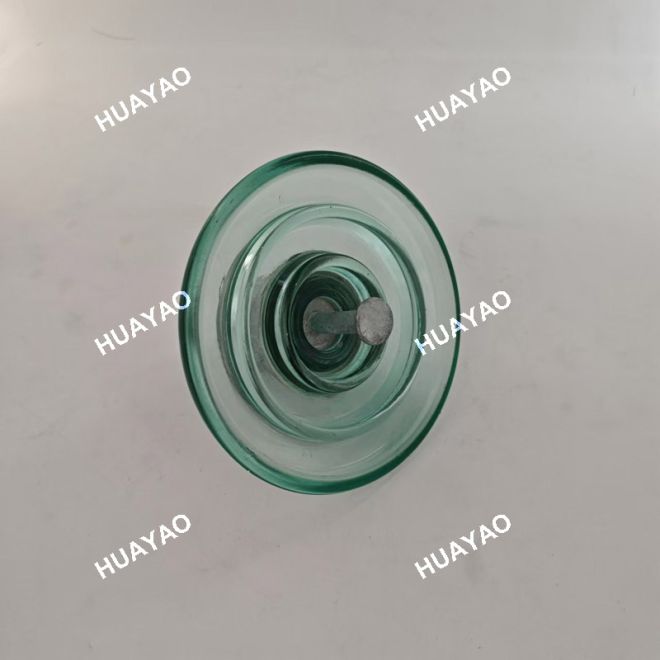
Introduction to Porcelain Insulators
Porcelain insulators have been an essential component in electrical infrastructure, providing critical support and insulation on power lines and substations worldwide. Despite the advent of alternative materials, porcelain remains a popular choice due to its mechanical strength, electrical stability, and resistance to harsh environmental conditions. Understanding the manufacturing process of these insulators is crucial for manufacturers, factories, and suppliers aiming to produce high-quality products that meet stringent industry standards.
Raw Materials for Porcelain Insulators
Essential Ingredients
The production of porcelain insulators begins with the careful selection of raw materials. Key ingredients include ball clay, kaolin, feldspar, and quartz. Each material plays a specific role: kaolin provides strength and plasticity, feldspar acts as a flux to aid sintering, and quartz contributes to mechanical strength. Ensuring the purity and quality of these raw materials is vital to achieve the desired properties in the final product.
Mining and Sourcing
The raw materials are sourced from diverse locations globally, reflecting variations in composition and quality. Manufacturers, factories, and suppliers must meticulously manage these differences to maintain consistency. Regular testing and quality control measures are employed to ensure that materials meet specified standards and do not introduce unwanted impurities into the production process.
Composition and Formulation
Precise Recipes
Creating the ceramic body of a porcelain insulator involves precise formulations tailored to balance cost, performance, and longevity. A typical mixture may include specific ratios of ball clay, kaolin, feldspar, and additional fillers like alumina or calcined bauxite. These formulations are continuously refined to meet evolving requirements for strength and insulating properties.
Additives and Binders
Secondary materials, such as binders and additives, are incorporated to facilitate processing. Water is used to create a malleable slurry, while binders are added to improve structural integrity during shaping. These additives are eventually burned off during the firing process, ensuring the final product remains pure and robust.
Manufacturing Processes
Wet Process Production
The classical wet-process is the most common method used in porcelain insulator manufacturing. It involves mixing raw materials with water in ball mills to create a homogenous slurry. This slurry is then shaped and partially dried before being placed in kilns for firing. The process emphasizes high moisture content, allowing for easier manipulation of the material during shaping.
Firing and Sintering
The firing process is crucial for transforming the shaped porcelain into a durable insulator. Kilns are used to heat the material to temperatures up to 1300°C, facilitating the sintering process that fuses particles together. Manufacturers and suppliers must carefully control the firing temperature and duration to avoid defects and ensure uniformity.
Microstructural Considerations
Importance of Microstructure
The microstructure of porcelain insulators significantly impacts their performance and durability. Undesirable features like large quartz crystallites or micro-cracks can weaken the structure and lead to premature failure. Manufacturers must employ advanced testing methods to monitor and optimize the microstructure throughout the production process.
Testing and Analysis
X-ray diffractometers and other analytical tools are used to assess the microstructural properties of ceramic bodies. By measuring the quartz content and identifying potential defects, factories can ensure that their products meet the high standards required by the electrical industry. Continuous monitoring helps in maintaining quality and reducing the risk of failures in service.
Quality Testing and Standards
Ensuring Compliance
Porcelain insulators must adhere to rigorous quality standards to guarantee their effectiveness and safety. Manufacturers and suppliers conduct comprehensive tests to evaluate attributes such as mechanical strength, density, and electrical insulation resistance. These tests ensure that products meet both national and international standards, fostering confidence in their reliability.
Surface Defects
Surface defects, like blemishes or cracks, can significantly affect an insulator's performance, especially in high voltage applications. Quality control measures are implemented to detect and rectify such defects before products reach the market. Consistent monitoring and stringent testing protocols help in maintaining the integrity of the insulators.
Challenges in Global Production
Variation in Raw Materials
One of the primary challenges in global production is the variability in the quality of raw materials sourced from different regions. This variability can lead to inconsistencies in the final product if not managed correctly. Manufacturers face the task of standardizing their inputs to ensure consistent quality across different production batches.
Impact of Environmental Conditions
Environmental conditions in the manufacturing locations can also affect the efficiency and quality of porcelain insulators. Variations in temperature and humidity levels during production must be controlled to prevent defects and ensure uniformity. Factories must adapt to these challenges by implementing appropriate environmental controls and monitoring systems.
The Role of New Technologies
Advancements in Manufacturing Equipment
The integration of new technologies into manufacturing processes has significantly enhanced productivity and quality. Improvements in equipment such as ball mills, extruders, and kilns have enabled greater automation, reduced waste, and minimized energy consumption. These advancements help manufacturers maintain competitive advantages in the market.
Automation and Precision
Automation plays a pivotal role in modernizing porcelain insulator production. Automated systems ensure precision in the mixing, shaping, and firing processes, reducing human error and increasing efficiency. This shift towards automation underscores the commitment of factories and suppliers to produce high-quality, reliable insulators at scale.
Environmental and Economic Considerations
Sustainability in Production
Manufacturers are increasingly focusing on sustainability in their production processes. This includes minimizing waste, reducing energy consumption, and optimizing resource use. By investing in eco-friendly technologies, factories aim to lessen their environmental impact while maintaining product quality and cost-effectiveness.
Cost-Effectiveness
Balancing cost with performance is a key consideration in the production of porcelain insulators. Competitive pricing without compromising on quality is essential for suppliers to remain viable in the global market. Efficient production techniques and economies of scale are crucial in achieving this balance.
Future of Porcelain Insulator Manufacturing
Emerging Trends
The future of porcelain insulator manufacturing looks promising with ongoing research and development. Manufacturers are exploring new material compositions and production techniques to further enhance the properties and reduce the costs of insulators. This continuous innovation is expected to keep porcelain insulators relevant in the evolving electrical industry landscape.
Potential Challenges
Despite advancements, challenges remain in the form of raw material availability, environmental regulations, and market competition. Suppliers must navigate these hurdles while maintaining high standards of quality and reliability. Collaboration between industry stakeholders can drive solutions to these challenges, ensuring the sustainability and success of porcelain insulator manufacturing.
Huayao Provide Solutions
Huayao is committed to delivering high-quality porcelain insulators by leveraging advanced manufacturing technologies and rigorous quality control. Our solutions focus on optimizing raw material use, enhancing production efficiency, and implementing sustainable practices. By prioritizing innovation and quality, Huayao ensures that our insulators meet the diverse needs of the global electrical industry while supporting environmental and economic sustainability.
User hot search: porcelain products insulators
 Privacy settings