

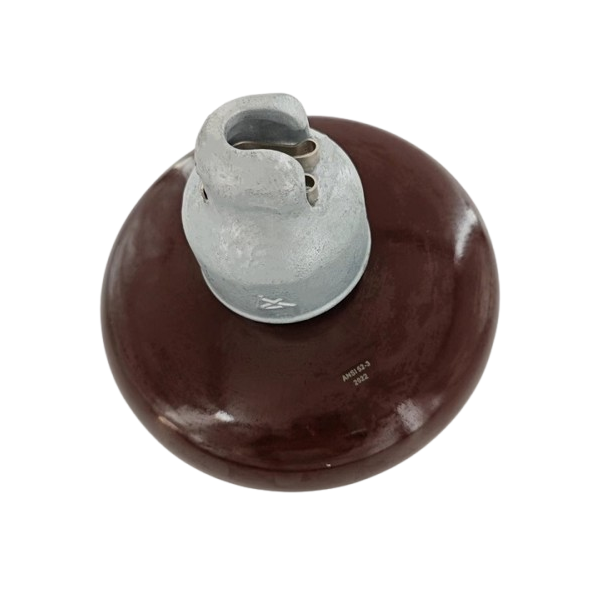
Introduction to porcelain post insulators
Porcelain post insulators are critical components in electrical systems, particularly in high-voltage direct current (HVDC) applications and air-insulated substations. These insulators support and insulate electrical conductors while preventing unwanted current leakage. Given their importance, manufacturers, factories, and suppliers invest significantly in ensuring the optimal performance and reliability of these elements. However, understanding how to effectively test their performance is crucial for maintaining system integrity and prolonging service life.
Factors Affecting Performance of Porcelain Insulators
Material Properties and Design
The performance of porcelain post insulators largely depends on the quality of the materials used and the specific design implemented by the manufacturer. Factors such as dielectric strength, mechanical robustness, and surface finish play significant roles. Manufacturers focus on optimizing these properties to withstand high electrical and mechanical stress while ensuring longevity.
Installation and Maintenance Practices
Proper installation and regular maintenance are vital for the efficient operation of porcelain insulators. Suppliers often recommend best practices, such as ensuring correct alignment and tensioning during installation and conducting routine inspections and cleaning to prevent contamination-related failures.
Environmental Challenges: Pollution and Ice Accretion
Impact of Pollution on Insulators
Pollution is a major concern for porcelain insulators, as contaminants can form a conductive layer on the surface, reducing electrical resistance. This layer's severity is often measured using Equivalent Salt Deposit Density (ESDD) and Non-Soluble Deposit Density (NSDD), which quantify the levels of soluble and inert pollutants, respectively.
Ice Accretion and Its Effects
Winter conditions pose additional challenges through ice accretion, which can cause both mechanical and electrical stress. The build-up of different ice types—glaze ice, hard rime, and soft rime—can lead to faults or flashovers, particularly when ice changes the insulator's morphology and alters its electrical properties.
Pollution Measurement and Classification
Active and Inert Pollutants
Porcelain insulators are exposed to active pollutants, like salt and industrial emissions, and inert pollutants, such as dust and ash. ESDD quantifies active pollutants by measuring conductivity changes, while NSDD measures the weight of non-soluble deposits per surface area. Both measurements are crucial for assessing the contamination level and potential impact on insulator performance.
Pollution Severity Indexes
Standards like IEC 60815 classify pollution types into Type A (solid pollution) and Type B (liquid electrolytes), with specific tests assessing each. Understanding these classifications helps manufacturers and suppliers develop mitigation strategies, ensuring the insulators meet service demands.
The Role of Ice Types in Insulator Performance
Classification of Ice Forms
Understanding the different types of ice formations—glaze ice, hard rime, and soft rime—is crucial for assessing their impact on insulator performance. Each type has specific density and structural characteristics that influence mechanical and electrical behavior.
Impact on Electrical and Mechanical Properties
Each ice type affects insulator properties differently. For example, glaze ice, with its higher density, can significantly alter the electrical profile and increase mechanical loads. Insulators must be tested under these conditions to predict performance reliably, guiding manufacturers and suppliers in product design and testing protocols.
Laboratory Testing Methods for Insulators
Standard Testing Protocols
Laboratory tests, such as salt fog and multi-stress tests, are widely employed to simulate environmental conditions and evaluate insulator performance. Key parameters measured include leakage current, dielectric strength, and hydrophobicity resistance. These tests help suppliers ensure that their products can withstand expected service conditions.
Challenges in Simulating Real Conditions
Despite their utility, laboratory tests may not fully replicate the diverse service environments insulators may face. Factors like UV radiation exposure and in-situ pollution deposition can vary significantly, challenging manufacturers to develop comprehensive testing methodologies that account for these variables.
Outdoor Testing and Real-World Conditions
Establishment of Outdoor Test Stations
Outdoor test stations provide valuable insights by exposing insulators to natural environmental conditions. These stations are designed with meticulous attention to site selection, specimen arrangement, and data collection to mimic the full range of service exposures.
Benefits and Limitations
While outdoor testing offers more realistic assessments of insulator performance, it is limited by geographical and climatic constraints. Manufacturers and suppliers balance these limitations with laboratory data to make informed decisions about product development and deployment.
Analyzing Test Data for Accurate Results
Data Collection and Analysis Techniques
Comprehensive data acquisition systems are employed to gather climate conditions, leakage currents, and pollution severity, aiding in the accurate interpretation of test results. Manufacturers rely on this data to refine designs and production processes, enhancing insulator performance.
Cross-Verification with Visual Inspections
Visual inspections and photo documentation during testing cycles provide valuable qualitative data. Analyzing failure modes, such as tracking or flashover patterns, complements quantitative data, offering a holistic view of insulator reliability.
Visual Inspection and Failure Mode Analysis
Common Failure Modes
Poorly performing insulators may exhibit surface tracking, punctures, or flashovers. Identifying these issues through visual inspection allows manufacturers to address design weaknesses and improve product resilience.
Integrating Visual and Instrumental Data
By correlating visual findings with instrumental data, manufacturers and suppliers can better understand failure mechanisms and implement targeted improvements, ultimately enhancing the insulator's operational lifespan.
Conclusion: Enhancing Porcelain Insulator Reliability
Porcelain post insulators play a crucial role in maintaining electrical system performance, especially in harsh environmental conditions. Rigorous testing—combining laboratory and outdoor methods—ensures that these components meet high-quality standards. Manufacturers, factories, and suppliers must continue refining testing methodologies to improve insulator resilience, guided by comprehensive data analysis and visual inspection. The collaborative efforts across production and testing processes ensure that these critical components continue to operate safely and efficiently in all service conditions.
Huayao Provide Solutions
Huayao offers comprehensive testing services tailored to porcelain post insulators, combining advanced laboratory protocols with strategic outdoor testing. Our solutions emphasize accurate pollution measurement and ice accretion analysis, ensuring that products meet rigorous performance standards. By leveraging state-of-the-art data collection systems and expert visual inspection techniques, Huayao supports manufacturers, factories, and suppliers in optimizing their insulator designs for enhanced reliability and longevity. Partner with Huayao to ensure your insulators uphold the highest quality and performance benchmarks.
 Privacy settings