

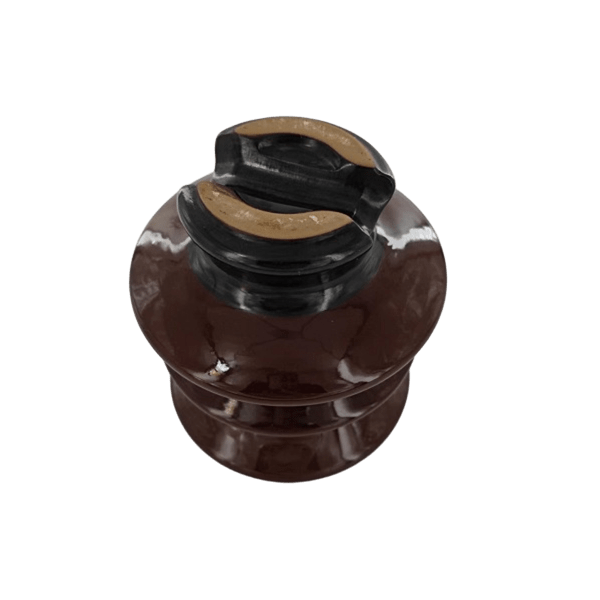
Historical Evolution of Porcelain Insulators
Porcelain has been a cornerstone in electrical insulation for over a century, evolving alongside the increasing demands of electrical grids. Initially favored for its availability and straightforward manufacturing processes, porcelain's role expanded as voltage levels and application requirements grew. The moldability of porcelain allowed manufacturers to create innovative designs, enhancing its suitability for high voltage applications. Early designs capitalized on porcelain's excellent electrical shielding and mechanical strength, setting a foundation that today's technologies continue to build upon.
Innovations in Porcelain Material Composition
Advanced Material Blending
The composition of porcelain has significantly improved, with new material blends enhancing its durability and insulating properties. By incorporating advanced ceramics and optimizing the clay, quartz, and feldspar ratios, factories have achieved higher resilience against environmental stressors. These advances enable porcelain insulators to withstand harsh climates and mechanical impacts better than earlier versions.
Nanotechnology Integration
Recent innovations involve the integration of nanotechnology to enhance the physical properties of porcelain. Nanoparticles are used to increase the density and homogeneity of the porcelain matrix, significantly improving its dielectric strength. Suppliers are now able to produce insulators that offer superior performance in high-voltage applications, thus extending their service life.
Enhanced Design and Simulation Techniques
Computer-Aided Design Improvements
The utilization of computer-aided design (CAD) software has revolutionized the way insulators are developed. Simulation tools allow for precise modeling of electric field distribution, enabling designers to optimize insulator shapes and sizes for maximum efficiency. These improvements have led to the production of insulators that offer better performance while reducing material waste.
Field Testing and Validation
Advanced simulation techniques are complemented by rigorous field testing and validation processes. Insulators undergo real-world testing conditions, providing valuable data that manufacturers use to refine their designs. This approach ensures that the final products not only meet but exceed industry standards, resulting in reliable components for electrical systems.
Dielectric Stress Management
Optimized Electric Field Distribution
Key developments in porcelain insulators have focused on managing dielectric stresses effectively. Enhanced design techniques have resulted in insulators that evenly distribute electric fields, reducing the risk of dielectric failures. This ensures that the insulators can handle higher voltages without compromising safety or performance.
Advanced Stress Analysis
Manufacturers utilize stress analysis software to predict and mitigate potential dielectric punctures. By understanding the stress distribution within the insulator, engineers can enhance design features that prevent arcing and other failures. This leads to more robust insulators capable of withstanding extreme electrical demands.
Mechanical and Environmental Resilience
Improved Mechanical Strength
Porcelain insulators have seen significant improvements in mechanical strength, allowing them to support heavier loads and withstand greater mechanical stresses. This is achieved through advances in material science and enhanced manufacturing techniques, resulting in insulators that are tougher and more reliable.
Environmental Adaptability
Innovative coating techniques and improved material compositions make modern porcelain insulators less susceptible to weathering and environmental degradation. These insulators can perform effectively across a wider range of environmental conditions, including extreme temperatures and high humidity, ensuring reliable operation in diverse settings.
Compatibility with Covered Conductors
Simplified Integration
Recent research has facilitated greater compatibility between porcelain insulators and covered conductors. Computational simulations have been pivotal in demonstrating how porcelain insulators can be effectively used with covered conductors, addressing previous misconceptions about their limitations. This integration simplifies the design and deployment of electrical systems.
Performance Enhancements
Porcelain insulators now offer superior performance when used with covered conductors, showcasing improved electric field distribution and reduced dielectric stress. These enhancements increase the reliability and longevity of the systems, resulting in cost-effective solutions for electrical transmission and distribution.
Economic and Longevity Benefits
Cost-Effective Solutions
Porcelain insulators offer significant economic advantages due to their lower production costs and long service life. The durability of these insulators reduces the need for frequent replacements, minimizing maintenance costs and downtime for utilities. By providing reliable performance over extended periods, porcelain insulators represent a cost-effective choice for manufacturers and suppliers.
Extended Service Life
Innovations in material composition and design have extended the lifespan of porcelain insulators, enabling them to remain operational for decades. Their resilience against wear and degradation ensures that they continue to meet evolving electrical demands, providing a return on investment that is hard to match.
Innovations in Manufacturing Processes
Automated Production Techniques
Advances in automated manufacturing processes have improved the quality and consistency of porcelain insulators. Factories can now produce insulators with greater precision and reduced defects, enhancing the overall reliability of the products. Automation also speeds up production, meeting the growing demand for these critical components.
Quality Control and Testing
Enhanced quality control measures ensure that each insulator meets stringent industry standards. Manufacturers employ sophisticated testing equipment to evaluate the mechanical and electrical properties of each batch, guaranteeing that only the highest-quality products reach the market. This commitment to quality assurance is integral to the success of porcelain insulator technology.
Comparisons with Alternative Materials
Porcelain vs. Polymer Insulators
While polymer insulators have gained popularity for their lightweight properties, porcelain insulators continue to offer superior electrical performance and longevity. The choice between materials often depends on specific application requirements, with porcelain favored for higher voltage and more demanding environmental conditions.
Porcelain vs. Glass Insulators
Glass insulators are valued for their transparency and ease of inspection, but porcelain offers greater mechanical strength and resistance to environmental stressors. Depending on the application, manufacturers may choose glass or porcelain based on factors such as voltage level, mechanical demands, and environmental conditions.
Future Prospects for Porcelain Insulators
With continued advancements in material science and design, porcelain insulators are poised to remain a vital component of electrical infrastructure. Future developments could see even greater integration with smart grid technologies, further enhancing their performance and value. Manufacturers and suppliers continue to explore new applications and improvements, ensuring that porcelain insulators meet the ever-growing demands of modern electrical systems.
Huayao Provide Solutions
Huayao stands at the forefront of innovation in porcelain insulator technology, offering cutting-edge solutions to meet your electrical infrastructure needs. Our advanced manufacturing processes and commitment to quality ensure that our insulators deliver superior performance and longevity. As a leading manufacturer and supplier, Huayao provides comprehensive support, from design to implementation, ensuring that your projects benefit from the latest advancements in porcelain insulator technology.
User hot search: porcelain line post insulator
 Privacy settings