

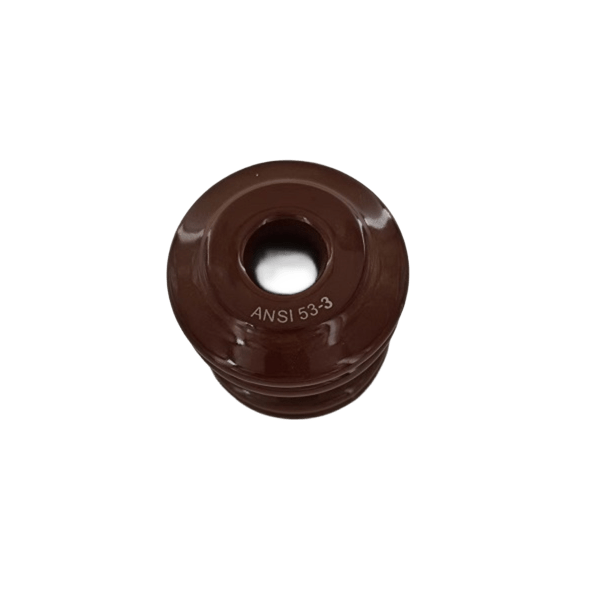
Overview of porcelain strain insulators
Porcelain strain insulators are integral components in electrical fencing systems, serving as critical points for managing wire tension and maintaining circuit integrity. These insulators, favored for their durability and resistance to environmental factors, are essential for a reliable and secure electronic barrier. This guide will delve into the installation process of porcelain strain insulators, leveraging insights into tools, materials, and procedures for optimal results.
Tools and Materials Needed for Installation
Essential Tools
- Drill with appropriate drill bits
- Tightening wrench
- Wire cutters
- Measuring tape
Materials
- Porcelain strain insulators from a reputable manufacturer or supplier
- High-tensile wire
- Wooden posts or metal poles
- Insulated gate handles for gate sections
Selecting the Right Porcelain Insulator
Compatibility with Fencing System
When choosing porcelain insulators, ensure compatibility with your fencing system. Consider the wire type, whether polywire or high-tensile wire, and the fence's tension requirements.
Durability and Environmental Resistance
Opt for insulation solutions that withstand various weather conditions while maintaining performance. Wholesale options are available that offer both affordability and quality.
Preparing the Installation Site
Site Assessment
Conduct a comprehensive assessment of the installation site, ensuring that the terrain is conducive to installing insulators. Identify areas that might require additional reinforcement.
Post Placement
Space the posts depending on the tension required and the wire type. Typically, posts should be placed between 8 to 12 feet apart, but this can vary based on landscape and fence design.
Installing Porcelain Strain Insulators on Wood Posts
Drilling and Securing the Insulator
Use a drill to create holes in the wooden posts at the appropriate height for the wire placement. Secure the porcelain insulator by aligning it with the drilled hole and fastening it with screws.
Wire Attachment
Carefully thread the high-tensile wire through the insulator. Ensure the wire is taut and securely fastened to prevent slippage, which could compromise the fence's integrity.
Securing the Wire with Porcelain Insulators
Pin-Lock Method
Utilize pin-lock insulators for enhanced security. These insulators lock the wire in place, preventing movement that could result from pressure exerted by larger animals.
Ring Insulator Usage
Ring insulators are ideal for fences with multiple wire strands. Their donut shape allows easy threading and maintains a secure hold on the wire.
Insulator Installation for Corner Posts
Pin Lock Wrap-Around Insulator
For corner posts, employ pin lock wrap-around insulators, which provide the necessary flexibility and strength to maintain wire tension around angles.
Ensuring Stability
Position the insulators to distribute tension evenly across the corner posts, mitigating stress points that could lead to structural failure.
Testing the Installation and Ensuring Safety
Conducting Electrical Tests
After installation, perform electrical tests to ensure the fence maintains a consistent charge. Measure the voltage at various points along the fence to confirm adequate performance.
Inspection for Faults
Regularly inspect the insulators and wires for signs of wear or damage. Promptly address any issues to prevent electrical failures or breaches in the fence.
Maintaining Your Porcelain Strain Insulators
Routine Maintenance
Regular maintenance is essential for ensuring the longevity of porcelain strain insulators. Periodically clean the insulators to remove dirt and residues that might impact performance.
Replacement and Repairs
Plan for replacements or repairs as needed. Procure replacement insulators from reliable suppliers to maintain consistency and quality in your fencing setup.
Troubleshooting Common Installation Problems
Addressing Wire Slippage
Ensure that wires are tightly secured within insulators to prevent slippage. If problems persist, reassess the tension and make necessary adjustments.
Handling Insulator Breakage
In cases of insulator breakage, promptly replace damaged units. Evaluate the cause of breakage to prevent future occurrences.
Huayao Provide Solutions
If you are looking for reliable solutions for your fencing needs, consider wholesale options from proven suppliers like Huayao. Huayao provides high-quality porcelain strain insulators that meet industry standards and offer exceptional performance and durability. Their products are designed for easy installation and require minimal maintenance while ensuring a secure and effective fencing system. Whether you need insulators for residential, agricultural, or industrial use, Huayao’s comprehensive solutions are tailored to meet diverse requirements.

 Privacy settings