

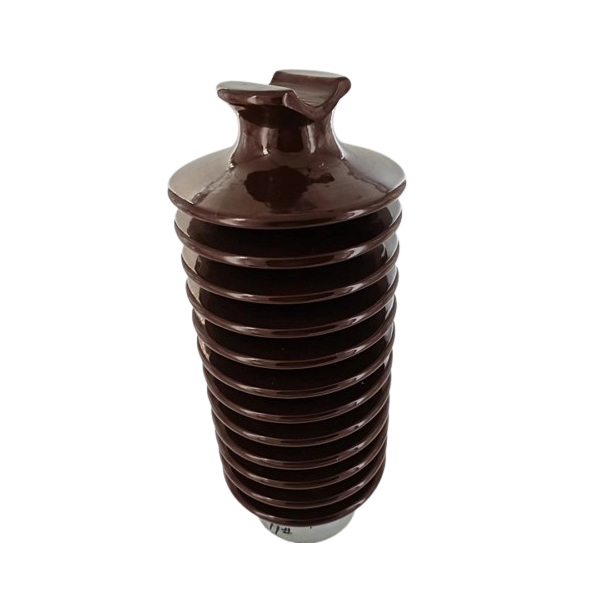
The Growing Need for Recycling Porcelain Insulators
The demand for sustainable practices in managing electrical infrastructure waste is rising. Porcelain insulators, once a staple in electrical systems, face challenges related to disposal due to environmental concerns. While traditionally destined for landfills, modern waste management strategies emphasize recycling. This shift is not merely environmentally beneficial but also economically viable, creating opportunities for manufacturers, wholesalers, and suppliers involved in recycling initiatives.
Understanding Porcelain Insulator Materials
Ceramic Properties and Their Impact
Porcelain insulators are crafted from ceramic materials known for their excellent dielectric properties and mechanical strength. These characteristics make them indispensable in insulating electrical components. However, these same properties pose challenges in recycling, as they are not easily decomposable or reusable without significant processing.
Material Composition and Challenges
Porcelain insulators typically consist of a clay-based ceramic matrix. The complexity of their composition makes recycling efforts challenging, as the recovery process requires innovative methods to separate usable components effectively. Furthermore, their resilience against environmental degradation adds another layer of complexity to their recyclability.
Traditional Disposal Methods and Their Drawbacks
Landfill Dominance in Waste Management
Historically, old porcelain insulators were directed to landfills due to the lack of alternative waste management techniques. This practice, while straightforward, is unsustainable as landfill space becomes increasingly limited and environmental regulations grow stricter.
Environmental Impact of Landfills
Landfilling porcelain insulators leads to long-term environmental consequences. Not only do they occupy valuable landfill space, but they also contribute to environmental degradation due to their non-biodegradable nature. This necessitates a shift towards more sustainable disposal methods.
Exploring Four Classes of Recycling Techniques
Primary and Secondary Recycling
Primary recycling transforms waste materials into products with properties equivalent to the original, whereas secondary recycling results in materials with inferior properties. For porcelain insulators, secondary recycling is more feasible and involves repurposing the insulators as fillers in construction projects.
Tertiary and Quaternary Recycling
Tertiary recycling involves converting waste into chemicals or fuels, while quaternary recycling focuses on energy recovery through incineration. While these methods might not retain the original material properties, they offer alternative avenues to manage porcelain insulator waste effectively.
Secondary Recycling: A Practical Approach
Utilizing Porcelain Waste in Construction
In secondary recycling, porcelain insulators can be repurposed as aggregate material for concrete or roads. This involves treating the insulators in hammer mills to produce a granular product suitable for construction, thereby reducing the demand for virgin materials and decreasing landfill pressure.
Challenges and Opportunities for Manufacturers
Manufacturers and suppliers have a significant role in implementing secondary recycling. Despite the initial costs associated with processing and logistics, the long-term benefits, including reduced raw material costs and environmental impact, are compelling.
Economic and Environmental Considerations in Recycling
Cost-Benefit Analysis of Recycling Techniques
Recycling porcelain insulators requires a careful assessment of economic viability. The process must be economically justified, with the value of reclaimed materials surpassing recycling costs. This balance is crucial for manufacturers and wholesalers to consider when investing in recycling technologies.
Environmental Benefits of Recycling Porcelain Insulators
Recycling old porcelain insulators yields substantial environmental benefits. It reduces the strain on landfills, minimizes resource extraction, and decreases the overall carbon footprint associated with producing new materials. These advantages align with global sustainability goals and regulatory frameworks.
Innovations in Porcelain Insulator Recycling
New Technologies and Processes
Advancements in recycling technologies present new opportunities for managing porcelain insulator waste. Processes that enhance efficiency, reduce energy consumption, and improve material recovery are at the forefront of innovation in this field.
Role of Suppliers in Advancing Recycling Technologies
Suppliers play a pivotal role in driving these innovations forward. By partnering with research institutions and investing in sustainable technologies, suppliers can contribute to the development of more effective recycling solutions for porcelain insulators.
Global Perspectives on Recycling Initiatives
International Regulations and Directives
Global efforts to regulate waste management have led to the implementation of strict guidelines for recycling electrical and electronic equipment, including porcelain insulators. These regulations incentivize producers and users to adopt recycling practices, creating a more circular economy.
Impact of Global Initiatives on Local Markets
Local markets, influenced by international regulations, have seen increased participation in recycling initiatives. The alignment with global policies enhances market opportunities for manufacturers and wholesalers by providing them with access to broader, eco-conscious consumer bases.
The Role of Legislation in Promoting Recycling
Government Policies and Incentives
Governmental policies encouraging recycling have significantly impacted the porcelain insulator industry. Incentives for adopting sustainable practices, such as tax breaks and subsidies, have motivated manufacturers and wholesalers to integrate recycling into their operations.
Challenges in Policy Implementation
Despite the advantages, policy implementation faces challenges, including regulatory compliance and technological adoption. Addressing these challenges will require collaboration between stakeholders, including suppliers, manufacturers, and policymakers.
Future Outlook for Recycling Porcelain Insulators
Trends and Predictions
The future of porcelain insulator recycling is promising, with technological advancements and increased regulatory pressure driving the industry forward. Emerging technologies and innovative recycling processes will likely transform how these materials are managed at the end of their life cycle.
Implications for Industry Stakeholders
For industry stakeholders, the evolving landscape presents both challenges and opportunities. Wholesale suppliers and manufacturers must be agile, adapting to new developments in recycling technologies and aligning their practices with sustainable strategies to remain competitive.
Huayao Provide Solutions
At Huayao, we offer comprehensive recycling solutions for porcelain insulators, ensuring compliance with environmental regulations while optimizing resource recovery. Our process involves state-of-the-art techniques, transforming waste into valuable secondary materials for construction. We collaborate with manufacturers, wholesalers, and suppliers to facilitate a seamless transition from traditional disposal to sustainable recycling. By choosing Huayao, stakeholders benefit from reduced environmental impact and enhanced economic returns. Join us in our mission to create a sustainable future for the porcelain insulator industry.
User hot search: old brown porcelain insulators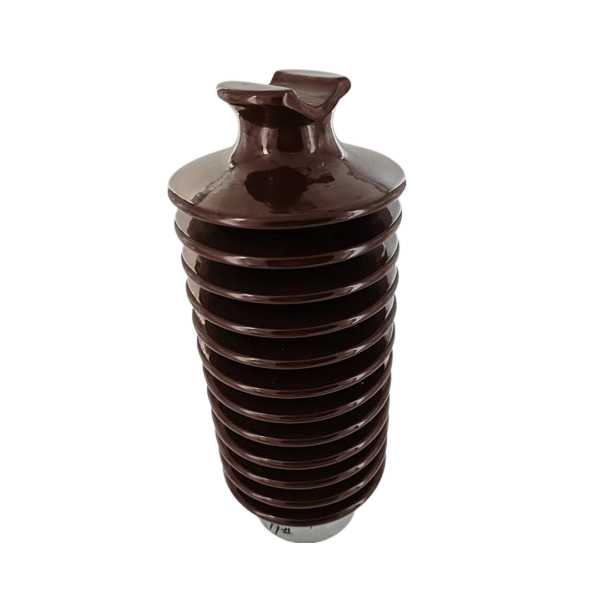
 Privacy settings