

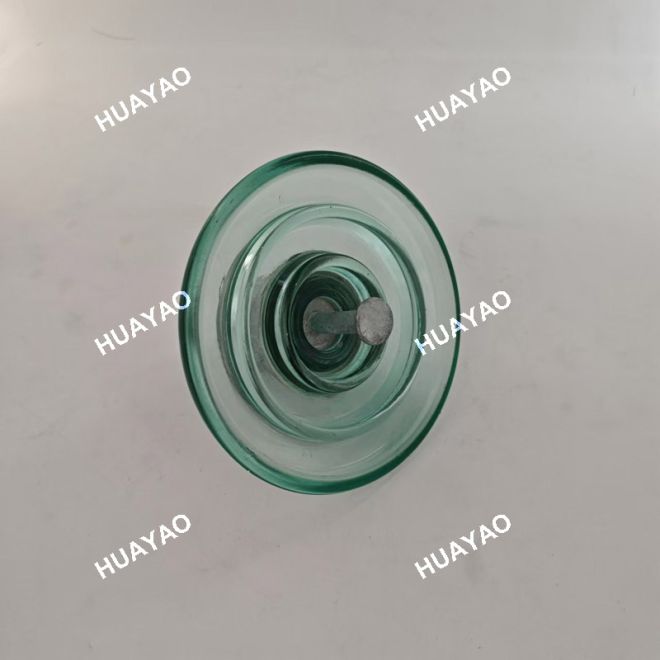
Importance of Glass Insulators On Power Lines
Glass insulators play a critical role in the functioning of power lines. These components are designed to support and insulate high-voltage electrical conductors, ensuring the safe distribution and transportation of electrical energy. Typically made from tempered glass, they are renowned for their high mechanical strength and resistance to electrical tension. By acting as a barrier between conductors and supporting structures, glass insulators prevent short circuits and electrical shocks, which could otherwise disrupt power supply or damage equipment. For any manufacturer, supplier, or wholesale distributor in the electrical industry, understanding the role of glass insulators is crucial to maintaining network stability and efficiency.
Properties and Design of Glass Insulators
Mechanical and Electrical Properties
Glass insulators are engineered to withstand significant mechanical and thermal stresses. They maintain their integrity under extreme environmental conditions, thanks to the inherent properties of tempered glass. The mechanical breaking load and electrical tension resistance are two primary parameters that define their performance. Typically, these insulators can endure voltage levels ranging from 100 kV to 500 kV, depending on their design and application.
Design Considerations
The design of glass insulators involves consideration of multiple factors, including required mechanical strength, line voltage levels, and local environmental conditions. They are optimized for dependable operation in harsh environments, ensuring a long-term service life. Adhering to industry standards is essential, where manufacturers and suppliers must ensure their products meet guidelines set by entities like the International Electrotechnical Commission (IEC) or the American National Standards Institute (ANSI).
Impact of Broken Glass Insulators
When a glass insulator breaks, the immediate consequences can be severe. The breakage compromises the mechanical and electrical integrity of the power line, increasing the risk of electrical faults. Consequences include potential power outages, equipment damage, and safety hazards for maintenance personnel and the public. Therefore, quick identification and replacement of broken insulators are essential to prevent widespread disruption.
Causes of Insulator Breakage
Material Defects and Manufacturing Flaws
Insulator breakage can result from internal defects in the glass itself. Impurity particles, such as nickel sulfide inclusions, are known to cause spontaneous breakage due to phase changes during operation. For manufacturers and wholesalers, ensuring rigorous quality control during production can mitigate these risks.
Environmental Factors
Environmental conditions like extreme weather, pollution, and exposure to high humidity can cause or exacerbate insulator breakage. Accumulation of contaminants, such as salt and dust, on insulators can diminish their dielectric strength, leading to increased occurrence of electrical arcs. Strategic location-specific design and preventive maintenance strategies are crucial for suppliers and contractors dealing in high-voltage insulators.
Immediate Consequences of Breakage
Power Outages and Equipment Damage
The breakage of a glass insulator often leads to disruptions in power supply. Outages can result from the increased likelihood of short circuits or electrical arcs. Damage extends to electrical equipment, which may suffer from voltage irregularities. Wholesalers and suppliers must emphasize the importance of rapid response mechanisms to their clients.
Safety Concerns
Broken insulators on power lines pose significant safety hazards. The risk of electrical shock increases for maintenance personnel and the public. Therefore, manufacturers and suppliers should collaborate with utility companies to ensure safety protocols are strictly followed during inspections and repairs.
Maintenance and Inspection Procedures
Regular maintenance and inspection protocols are critical to minimizing the risk of insulator breakage. This includes routine visual inspections, electrical testing, and cleaning of insulator surfaces in polluted environments. Suppliers and manufacturers should provide guidelines to utility companies indicating proper maintenance schedules and procedures to ensure the longevity of insulators.
Environmental Factors Affecting Insulators
Contamination and Weather Conditions
High humidity, salt, dust, and other contaminants affect the performance of glass insulators. When combined with moisture, these contaminants can lead to electrical discharges across the insulator surface, accelerating aging and increasing the likelihood of breakage.
Solutions to Environmental Challenges
Applying protective coatings, such as RTV silicone, can enhance the hydrophobic properties of glass insulators, improving their performance in polluted environments. Suppliers and manufacturers often recommend these solutions to improve insulator longevity and performance under adverse conditions.
Advances in Insulator Technology
Recent innovations in insulator technology, such as advanced composite materials and improved manufacturing processes, have contributed to the enhanced performance of glass insulators. Enhanced durability and mechanical strength are key improvements that benefit manufacturers, suppliers, and buyers in the wholesale market seeking reliable solutions for high-voltage applications.
Regulatory Standards for Insulators
Glass insulators are subject to stringent regulatory standards to ensure their reliability and safety in high-voltage applications. Compliance with international standards like IEC and ANSI is crucial for manufacturers and suppliers to guarantee the performance and safety of their products.
Impact on Power Line Operations
The structural and functional integrity of glass insulators directly affects power line operations. Disruptions caused by breakages can significantly impact the reliability of electrical distribution networks. Suppliers and utility companies must work closely to ensure that insulator strings are constructed and maintained to withstand operational challenges.
Huayao Provide Solutions
At Huayao, we understand the challenges posed by insulator breakage and offer comprehensive solutions to mitigate such risks. Our high-quality glass insulators are designed to withstand harsh environmental conditions and meet international standards. We provide tailored maintenance support, offering guidelines and tools for effective insulator inspection and replacement. Our solutions are aimed at reducing downtime, ensuring safety, and enhancing the reliability of electrical distribution systems. Contact us to learn how our products can support your power line operations and keep your electrical networks running smoothly. 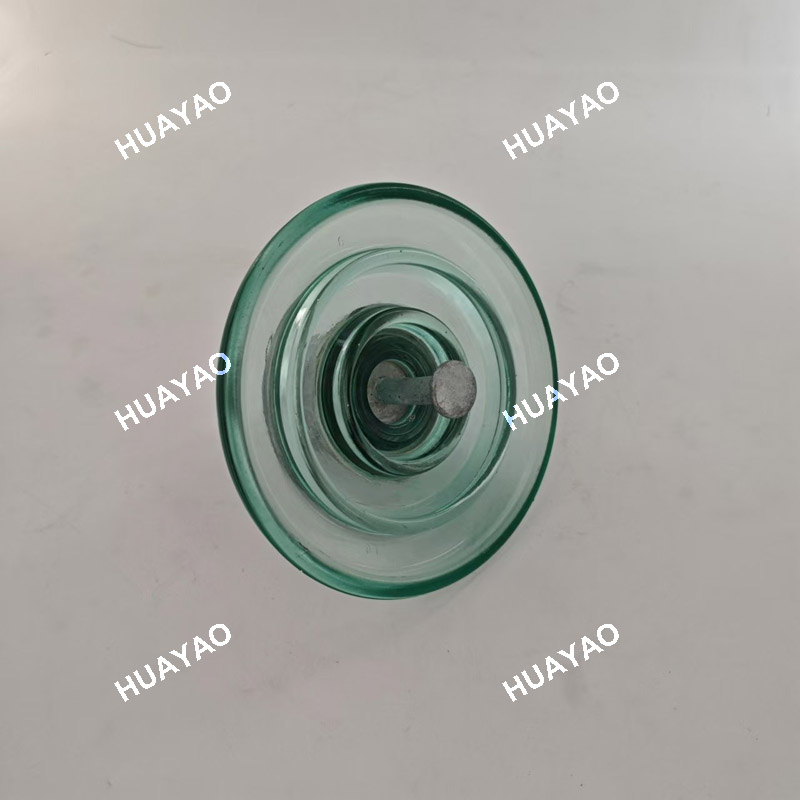
 Privacy settings