

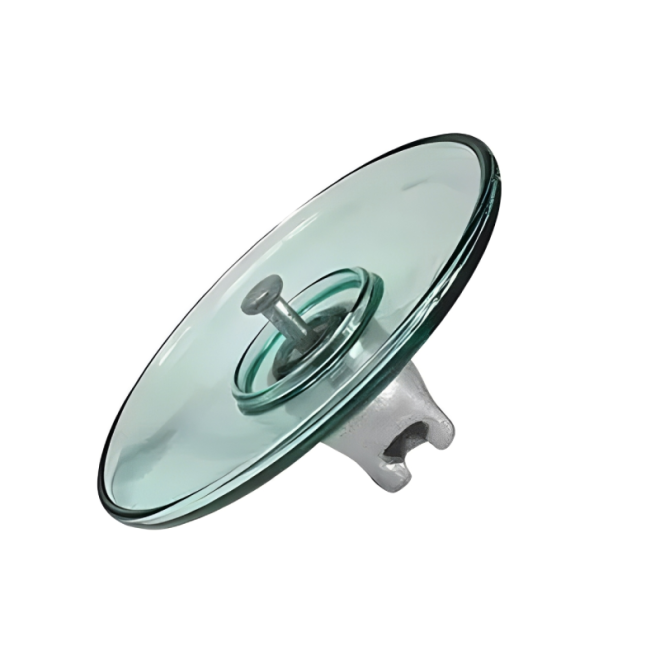
Introduction to glass insulators power lines
Insulators are crucial components in electrical transmission and distribution systems. They ensure the safety and efficiency of power lines by preventing unwanted current flow to the ground. Among the various materials used for insulators, glass and porcelain are two of the most prevalent choices. Each material has distinct characteristics that can influence the performance of power systems. For manufacturers, suppliers, and wholesalers, understanding these differences is vital when selecting the right insulator for specific applications.
Glass Insulators: Characteristics and Applications
Material Properties and Design
Glass insulators are known for their high dielectric strength, which can reach up to 140 kV/cm. Manufactured from toughened glass, these insulators are designed to withstand mechanical and electrical stresses. The transparency of glass is a significant advantage, allowing for easy visual inspection to identify any internal damage, such as cracks that might compromise their integrity.
Performance in Various Conditions
Glass insulators perform exceptionally well in environments with lower levels of pollution. Their surface is less prone to accumulate dirt and dust, reducing the risk of flashover. However, in highly contaminated areas, they might require more frequent maintenance or additional treatments, such as RTV coatings, to enhance performance.
Porcelain Insulators: Strength and Versatility
Material Composition and Durability
Porcelain insulators are crafted from a mixture of kaolinite, feldspar, and quartz, offering a dielectric strength of approximately 60 kV/cm. This ceramic material undergoes a high-temperature firing process to ensure mechanical robustness and longevity. Porcelain insulators are favored for their ability to withstand high compressive loads and their versatility in shape and design, accommodating various application requirements.
Effective Use in Challenging Environments
These insulators are particularly effective in environments with moderate pollution levels due to their resistance to chemical corrosion and electrical surface tracking. The surface of porcelain insulators is often glazed to prevent the accumulation of contaminants that can lead to flashovers. For areas with severe contamination, advanced glazing and surface treatments can further improve their reliability.
Comparing Dielectric Properties
Dielectric Strength and Electrical Insulation
- Glass Insulators: With a dielectric strength of up to 140 kV/cm, glass insulators provide excellent electrical insulation, reducing the risk of electrical failures.
- Porcelain Insulators: These offer a lower dielectric strength of around 60 kV/cm but compensate with superior mechanical strength.
When selecting an insulator, the dielectric requirements of the specific electrical system must be considered to ensure optimal performance.
Performance in Harsh Environments
Resistance to Environmental Factors
- Glass Insulators: Although less affected by thermal expansion, they can become brittle and fail under mechanical stress or impact.
- Porcelain Insulators: They excel in resisting thermal and mechanical stresses, making them suitable for high-stress environments.
Both glass and porcelain insulators can benefit from advanced coatings or glazes to enhance their resistance to pollution and improve durability.
Mechanical Strength and Longevity
Comparative Analysis
- Glass Insulators: Offer tensile and compressive strengths of approximately 35,000 kg/cm² and 10,000 kg/cm², respectively.
- Porcelain Insulators: Provide impressive mechanical properties with tensile and compressive strengths around 500 kg/cm² and 70,000 kg/cm², respectively.
Porcelain's superior mechanical strength often makes it the preferred choice for applications requiring high durability and longevity.
Weight and Handling Considerations
Installation and Maintenance
Glass insulators tend to be lighter, which can ease handling and installation, reducing the strain on supporting structures. In contrast, porcelain insulators, being heavier, require more robust support but offer greater impact resistance.
Cost and Availability Factors
Market Considerations for Suppliers
The cost of glass and porcelain insulators can vary significantly based on design specifications, material quality, and manufacturing processes. Suppliers and wholesalers must consider these factors alongside availability when planning inventory. Porcelain insulators are generally more expensive due to the complex manufacturing process, but their durability can justify the higher upfront costs.
Safety and Reliability in Power Systems
Ensuring Long-Term Performance
Both glass and porcelain insulators must meet rigorous safety standards to ensure they reliably perform under various environmental and electrical stresses. Regular maintenance and inspections are crucial to detect wear and potential failure points early, allowing for timely interventions and replacements.
Conclusion: Choosing the Right Insulator
The decision between glass and porcelain insulators depends on specific application needs, environmental conditions, and budgetary constraints. Understanding the strengths and limitations of each material helps industry professionals make informed decisions that maximize the efficiency and safety of power line systems.
Huayao Provide Solutions
At Huayao, we specialize in offering a comprehensive range of insulator solutions tailored to meet the diverse needs of our clients. As a leading manufacturer and supplier, we provide high-quality glass and porcelain insulators that adhere to international safety and performance standards. Our products are designed to ensure optimal performance in various environments, backed by unparalleled customer service and technical support. Whether you're a wholesaler or an end-user, Huayao's solutions guarantee reliability and efficiency in every application. 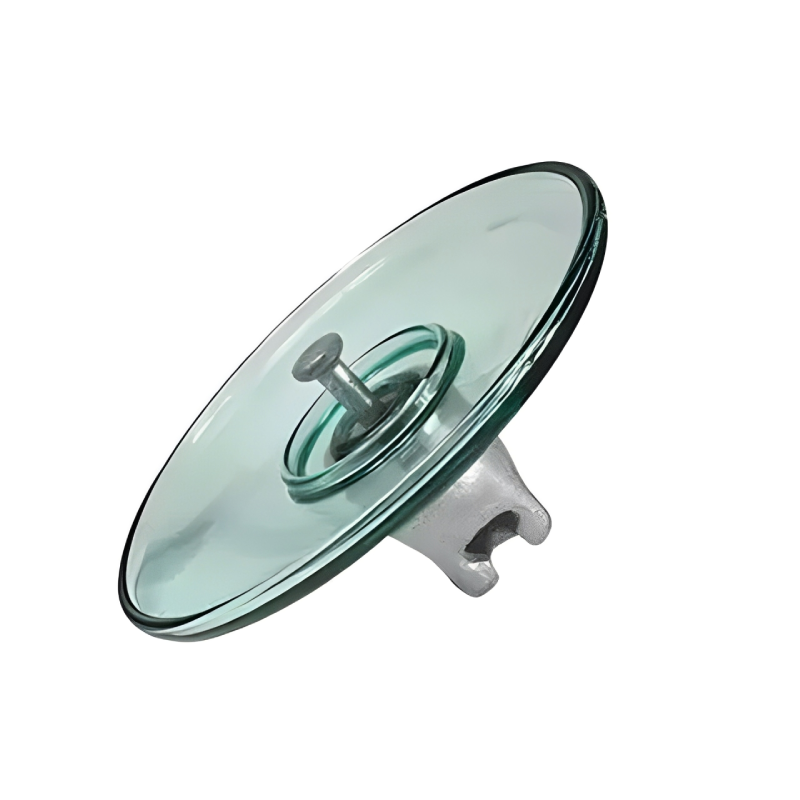
 Privacy settings