

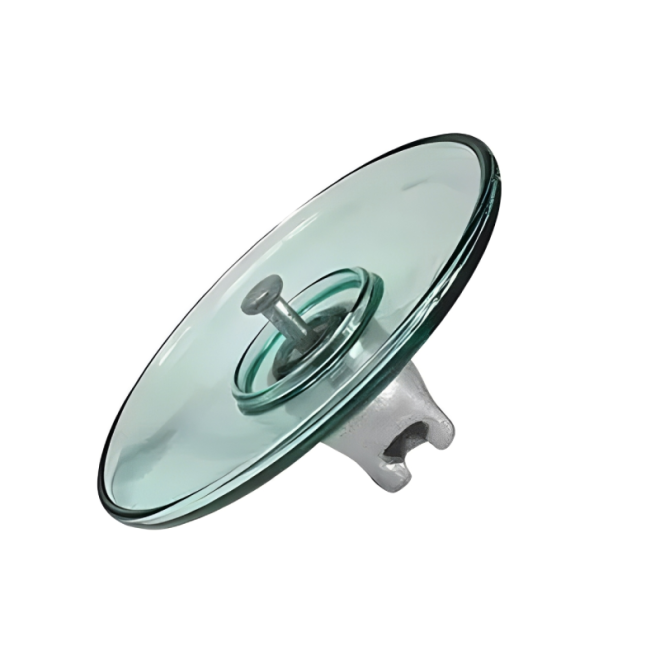
Understanding Heat Conduction Through Glass
Glass Structure and Thermal Properties
Glass is a complex, amorphous solid that is widely used in various applications, from building windows to consumer electronics. Its thermal properties are crucial in determining how heat is conducted through it. Glass typically has a thermal conductivity value of around 0.8 to 1.0 W/(m·K), which means it allows heat to pass through, albeit less effectively than metals but more so than materials like plastic or wood.
Comparing Glass to Other Materials
When considering materials for heat conduction, glass stands out due to its unique balance of strength, clarity, and thermal conductivity. For instance, compare glass with a thermal conductivity of 1.0 W/m·K to acrylic, which has a value of about 0.19 W/m·K. This difference highlights glass's ability to conduct heat more effectively than plastics, yet it remains a poor conductor compared to metals like aluminum, which has a conductivity of 205 W/m·K.
Role of Windows in Heat Transfer
Influence of Glass Configuration on Heat Conduction
In building constructions, windows are often the weakest link in terms of thermal resistance. Single-pane windows are particularly susceptible to heat transfer. The introduction of double-pane and even triple-pane windows with inert gas fills and low-emissivity (low-e) coatings significantly enhances thermal insulation, reducing heat conduction. Wholesale changes in construction practices now favor these advanced configurations to meet energy efficiency standards.
Double-Pane Glass in Heat Transfer
Double-pane windows mitigate heat loss as they incorporate a layer of air or inert gas like argon between two glass sheets. This configuration dramatically decreases heat conduction owing to the low thermal conductivity of gases, which is approximately 0.024 W/m·K. Factories produce these windows with specialized coatings to reflect infrared radiation, further limiting heat gain and loss.
Heat Transfer Mechanisms in Glass
Conduction, Convection, and Radiation
Heat transfer through glass occurs via conduction, convection, and radiation. Conduction is the primary method, facilitated by the direct contact of molecules within the glass. Convection in windows involves air movement between panes, while radiation involves heat transfer across the air gap and glass surfaces. Manufacturers are constantly innovating glass treatments to minimize these effects, enhancing energy efficiency.
Importance of U-Factor in Windows
The U-factor quantifies how well a window conducts heat. Lower U-values indicate better insulating properties, essential for reducing energy costs. For glass, achieving a lower U-factor involves optimizing the thickness and applying coatings that reduce emissivity. Wholesale markets now provide windows with U-values as low as 0.2 W/(m²·K) for improved insulation.
Enhancing Thermal Insulation in Glass
Treatments and Coatings
Multiple treatments are available to enhance the thermal insulation of glass. Low-emissivity coatings reflect infrared radiation, thereby reducing heat transfer while allowing maximum visible light transmission. Vacuum insulating glass and argon-filled panes are additional factory innovations that enhance performance without compromising clarity or structural integrity.
Energy Efficiency and Building Design
Incorporating efficient glass solutions is a critical aspect of modern building design. Energy-efficient windows can significantly reduce heating and cooling loads, making them a pivotal component in sustainable architecture. Manufacturers offer products with customizable glazing and framing options to meet diverse climatic needs and design preferences.
Future Innovations in Glass Technology
Smart Glass Solutions
The future of glass technology is poised to integrate smart features. Switchable glass, which changes its light transmission properties at the push of a button, could transform energy management in buildings. Factories are exploring electrochromic and thermochromic technologies capable of reactive adaptation to environmental conditions, thus optimizing energy efficiency.
Integration with Renewable Energy
The integration of photovoltaic technologies within window systems is gaining momentum. Solar glass converts sunlight into electricity, contributing to energy production while serving as a conventional window. Manufacturers are increasingly adopting this technology, driven by wholesale demand for sustainable energy solutions.
Huayao Provide Solutions
Huayao offers innovative glass solutions that enhance thermal insulation and energy efficiency. By leveraging advanced manufacturing techniques, Huayao produces double and triple-pane windows with low-emissivity coatings and gas fills, glass insulator or conductor,achieving remarkable reductions in heat conduction. Our commitment to quality and sustainability ensures that our products meet the demands of modern architecture while minimizing environmental impact. Whether you're a builder, architect, or end-user, Huayao has the solutions you need for superior energy management in any climate. 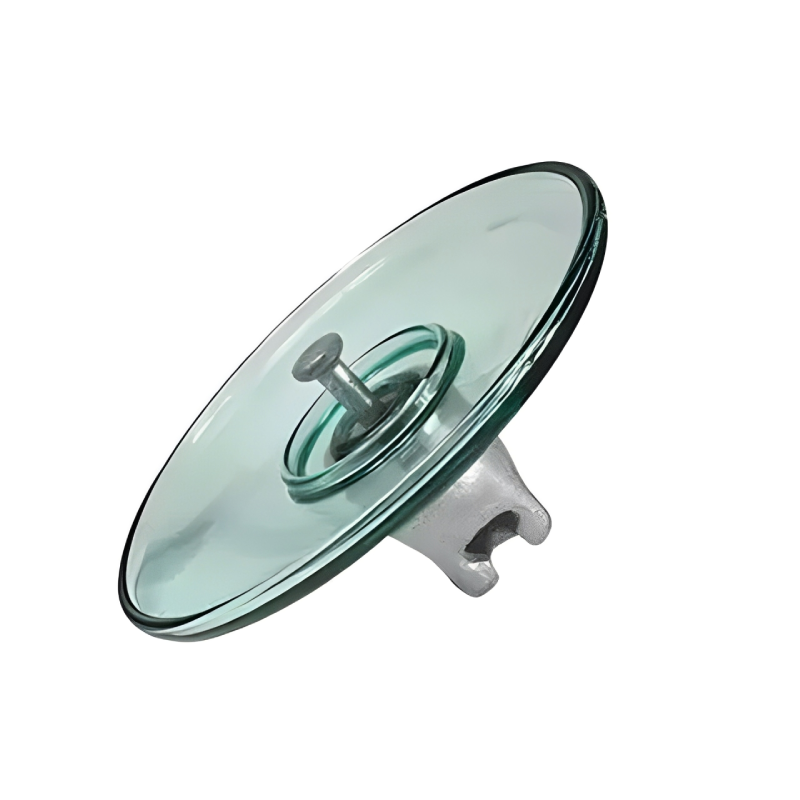
 Privacy settings