

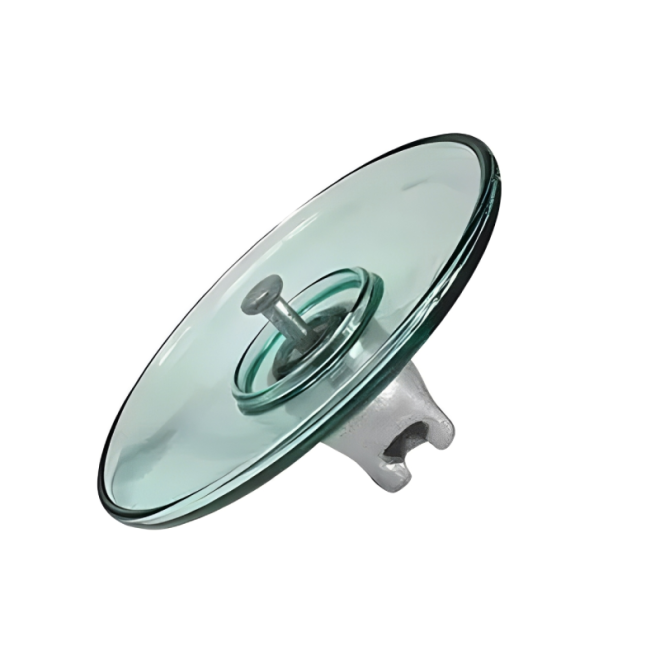
Introduction to Glass Insulators and Their Uses
glass telephone wire insulators have been a key component in telecommunications and electrical systems for decades. These insulators are designed to support and insulate high-voltage electrical conductors. Composed of tempered glass, they are crucial in maintaining the integrity of electrical systems by preventing short circuits and electrical shocks. Understanding their composition and potential for recycling is essential in a world increasingly focused on sustainability and waste reduction.
Composition and Characteristics of Glass Insulators
Material Composition and Properties
Glass insulators are created from high-quality tempered glass known for its durability and mechanical strength. This robust glass withstands significant thermal and mechanical stress, and its construction is optimized for high tensile strength and resistance to electrical tension. In combination with materials such as cast iron or stainless steel for fittings, these insulators achieve excellent performance in various environmental conditions. Their design is vital for ensuring reliable service life even in harsh settings.
Functional Parameters
Glass insulators provide critical support for conductor cables and act as essential insulation barriers. The primary parameters defining these insulators include mechanical strength, dimensional accuracy, and electrical insulation capacity. For instance, the mechanical breaking load and creepage distance are key factors that manufacturers must adhere to as per industry standards like IEC or ANSI. These parameters ensure the optimal performance of the insulators in electrical systems.
Recycling Potential of Glass Telephone Wire Insulators
Viability of Recycling Glass Insulators
The potential for recycling glass telephone wire insulators is promising, given their glass composition. Unlike composite polymer insulators, which present significant challenges in recycling, glass insulators are simpler to process. This ease of reprocessing can make recycling economically attractive for manufacturers and factories dealing in large volumes of these materials.
Recycling Procedures and Techniques
Primary, secondary, and tertiary recycling methods are applicable to glass insulators. Primary recycling involves reusing glass in its original form, while secondary and tertiary recycling can involve melting and reforming the glass into new products. These processes are facilitated by the physical properties of glass, which allow it to maintain its quality through multiple recycling cycles.
Challenges in Recycling Glass Insulators
Collection and Processing Hurdles
Despite the potential for recycling, several challenges must be addressed. Collecting used insulators in large quantities can be logistically complex, especially for factories in remote locations. Furthermore, separating the glass from metal fittings requires precise processing techniques to ensure the purity and quality of recycled glass.
Economic Considerations
The cost of recycling glass insulators also poses a challenge. Although recycling is beneficial for the environment, the financial viability depends on the balance between processing costs and the market value of recycled glass. For wholesalers and manufacturers, investing in efficient recycling technology can mitigate these economic hurdles.
Upcycling Glass Insulators for Creative Uses
Innovative Applications
Beyond conventional recycling, glass insulators can be upcycled into decorative and functional household items. Their industrial style and robust build make them suitable for lights, candle holders, planters, and other artistic projects. This form of recycling not only extends the life of the insulators but also offers a way to preserve their historical and aesthetic value.
Market Demand for Upcycled Products
There is a growing market for upcycled glass insulator products, particularly in interior design and crafts. This demand provides a viable business opportunity for manufacturers and artisans. By tapping into this trend, companies can not only contribute to sustainability but also enhance their product offerings.
Comparative Analysis: Glass vs
Comparison with Porcelain and Polymer Insulators
When considering recycling potential, glass insulators have distinct advantages over porcelain and polymer variants. Porcelain insulators, while durable, are heavier and more brittle, making recycling more energy-intensive. Polymer insulators, meanwhile, present challenges due to their complex composite materials that hinder recycling.
Long-term Sustainability Benefits
The sustainability benefits of recycling glass insulators are significant. By opting for glass, factories and wholesalers can ensure more efficient material reuse and reduce their environmental footprint. This comparative analysis supports the broader adoption of glass insulators in new installations.
Environmental Impact of Non-Recycled Insulators
Consequences of Landfill Disposal
The environmental impact of discarding glass insulators in landfills is considerable. As insulators accumulate, the glass and metal components can take hundreds of years to decompose, leading to long-term pollution. This underscores the importance of effective recycling practices to mitigate environmental harm.
Sustainability Imperatives
For manufacturers and wholesalers committed to sustainability, reducing landfill contributions from insulators is essential. Implementing comprehensive recycling strategies aligns with global efforts to reduce waste and conserve natural resources, presenting both ethical and business opportunities.
Technological Advancements in Glass Recycling
Innovative Recycling Technologies
Advancements in recycling technology have made the processing of glass insulators more efficient. Techniques such as laser and robotic sorting systems can enhance the separation of glass from metal components, improving the quality and efficiency of the recycling process. Manufacturers can leverage these innovations to streamline operations.
Future Prospects
The continued development of recycling technologies promises to further reduce the costs associated with processing glass insulators. As these techniques become more widespread, manufacturers and factories will find it economically beneficial to incorporate them into their production lines, leading to broader adoption of recycled materials.
Community and Industry Initiatives for Recycling
Collaborative Efforts in the Industry
Industry initiatives play a pivotal role in promoting the recycling of glass insulators. By forming partnerships with environmental organizations and government agencies, manufacturers and wholesalers can create robust recycling frameworks that encourage widespread participation and support from all stakeholders.
Role of Manufacturers and Wholesalers
Manufacturers and wholesalers are crucial in leading recycling efforts. By prioritizing environmentally friendly practices and supporting recycling initiatives, these entities not only enhance their corporate social responsibility but also position themselves as leaders in sustainability within the industry.
Conclusion: Future Prospects for Glass Insulator Recycling
The future of glass insulator recycling is promising. By addressing current challenges and leveraging technological advancements, the industry can improve its sustainability practices. Manufacturers, wholesalers, and factories all have a role in fostering a circular economy where materials are reused, recycled, and repurposed, benefitting both the environment and the bottom line.
Huayao Provide Solutions
Huayao offers comprehensive recycling solutions for glass telephone wire insulators. By integrating state-of-the-art recycling technologies, Huayao ensures efficient processing of used insulators. The company collaborates with manufacturers and wholesalers to implement sustainable practices, reducing environmental impact while maximizing material reuse. With its commitment to innovation and environmental stewardship, Huayao leads the way in creating effective recycling strategies for the industry.
 Privacy settings