

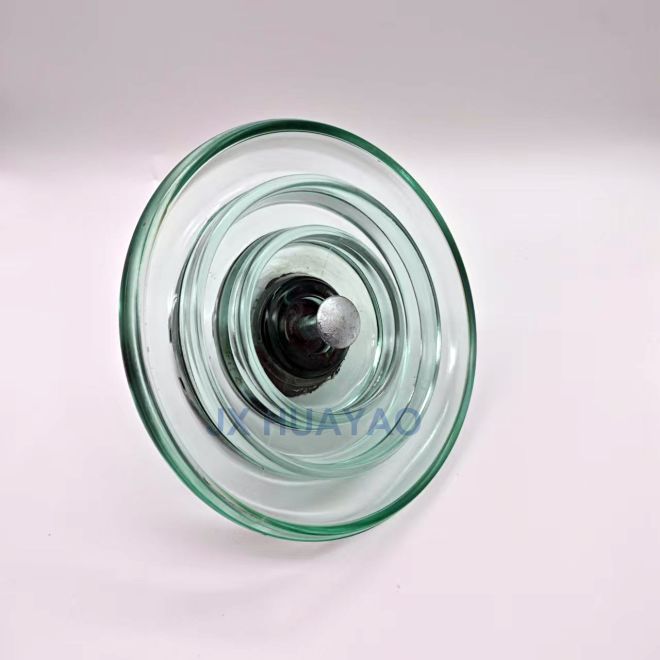
Introduction to the Manufacturing of Fiberglass Suspension Insulators
Fiberglass suspension insulators are crucial components in electrical transmission systems, providing essential support and insulation. Understanding the manufacturing process of these insulators is vital for wholesale and factory suppliers who aim to deliver reliable and high-quality products. This article provides a comprehensive overview of the manufacturing processes, materials, and quality control measures involved in producing fiberglass suspension insulators.
Fiberglass Core Rod: The Heart of the Insulator
Material Composition and Selection
The core rod of a fiberglass suspension insulator is the primary mechanical and electrical component. Comprising mainly of fiberglass reinforced with either E-glass or ECR (Electrical and Chemical Resistant) glass epoxy resin, the core rod's material greatly influences the overall performance and longevity of the insulator. ECR fiberglass is preferred for its superior chemical resistance and tensile strength, especially for insulators rated at 132kV and above.
Manufacturing Process of Core Rod
The core rod is manufactured through a continuous pultrusion process, ensuring uniformity and high tensile strength. The process involves pulling fiberglass roving through a heated die where it is impregnated with epoxy resin, shaping the rod's diameter and strength. This method allows the factory supplier to produce core rods with precise specifications required for different transmission classes.
Silicones and EPDM in Insulator Housing
Role of Housing Materials
The housing of a fiberglass suspension insulator serves to protect the core rod from environmental factors such as UV radiation and moisture. Silicone rubber and EPDM (Ethylene Propylene Diene Monomer) rubber are commonly used due to their excellent weathering capabilities and electrical insulation properties.
Application Techniques and Benefits
The housing is typically applied using methods such as extrusion or molding. Silicone rubber offers superior hydrophobicity, enhancing the insulator's surface resistance to water and contaminants. The choice of housing material directly impacts the leakage distance, crucial for maintaining performance under wet conditions.
End Fittings for Mechanical Stability
Design and Material Considerations
End fittings, made from ductile iron or steel, provide the mechanical connections between the core rod and the transmission tower. The design of these fittings must adhere to standards to ensure compatibility and reliability. The geometry of end fittings is critical in distributing mechanical loads uniformly across the insulator.
Assembly and Performance
End fittings are attached via crimping or bonding processes, ensuring a secure connection that sustains tensile and cantilever loads. This assembly process is crucial for the overall structural integrity of the insulator, as the fittings counterbalance the mechanical forces exerted during operation.
Manufacturing Process Overview
Step-by-Step Production Process
- Procurement of raw materials: fiberglass, epoxy resin, silicone, or EPDM rubber.
- Pultrusion of fiberglass core rod to precise specifications.
- Application of housing using extrusion or molding techniques.
- Attachment of end fittings to core rod.
- Final assembly and curing to ensure structural stability.
Key Challenges and Solutions
Manufacturing fiberglass suspension insulators involves overcoming challenges such as maintaining material compatibility and ensuring precise dimensional tolerances. Factory suppliers must employ rigorous quality control and testing protocols to address these challenges.
Testing and Quality Control Measures
Standards and Protocols
Manufacturers adhere to international standards such as IEC 61109 to ensure product reliability and safety. Various tests, including tensile, bending, and environmental simulations, are conducted to evaluate the mechanical and electrical performance of the insulators.
Quality Assurance Practices
Regular inspections and non-destructive testing techniques are implemented to detect potential defects. A robust quality control system helps wholesale suppliers maintain high standards and meet customer expectations consistently.
Mechanical and Electrical Specification Parameters
Tensile and Cantilever Application Ratings
The insulators are classified based on their mechanical load capacities, such as Specified Mechanical Load (SML) and Specified Cantilever Load (SCL). These parameters guide the supplier in selecting suitable insulators for specific transmission applications.
Electrical Insulation Ratings
Electrical parameters like dry arc distance and leakage distance are critical in assessing the insulator's capability to withstand high-voltage conditions. Insulators must meet specified ratings to ensure reliable performance in various environmental conditions.
Environmental Considerations and Insulator Performance
Impact of Environmental Factors
Environmental factors such as UV exposure, pollution, and moisture can affect the performance of suspension insulators. Appropriate material selection and design considerations help mitigate these effects, enhancing the insulator's durability.
Strategies for Enhanced Performance
Implementing hydrophobic coatings and utilizing UV-resistant materials are effective strategies used by suppliers to improve insulator performance and longevity in challenging environments.
Selecting the Right Fiberglass Rod for Application
Factors Influencing Selection
The choice of fiberglass rod depends on factors like diameter, tensile strength, and environmental resistance. Engineers must evaluate these parameters against the operational requirements to select the most suitable rod.
Verification and Testing
Verification through rigorous testing ensures that the selected fiberglass rod meets the desired specifications and performance criteria. Collaborating with experienced engineers can further refine the selection process based on field data and technical expertise.
Advances and Innovations in Insulator Manufacturing
Technological Developments
Recent advancements in materials science and manufacturing techniques have led to the development of insulators with improved electrical and mechanical properties. Innovations such as smart monitoring systems are being integrated to enhance reliability and maintenance efficiency.
Future Prospects
The ongoing research and development efforts in the industry aim to produce insulators that offer greater resilience and adaptability to evolving transmission demands. This ensures that suppliers remain at the forefront of delivering cutting-edge solutions.
Huayao Provide Solutions
Huayao specializes in producing high-quality fiberglass suspension insulators tailored to meet diverse industrial needs. By leveraging advanced materials and state-of-the-art production techniques, Huayao ensures each insulator meets stringent mechanical and electrical performance standards. With a focus on innovation and reliability, Huayao collaborates closely with clients to deliver customized solutions that address specific operational challenges. For wholesale distributors and factory suppliers, Huayao offers competitive pricing and comprehensive support to enhance product offerings in the global market.
User hot search: fiber glass suspension insulator
 Privacy settings