

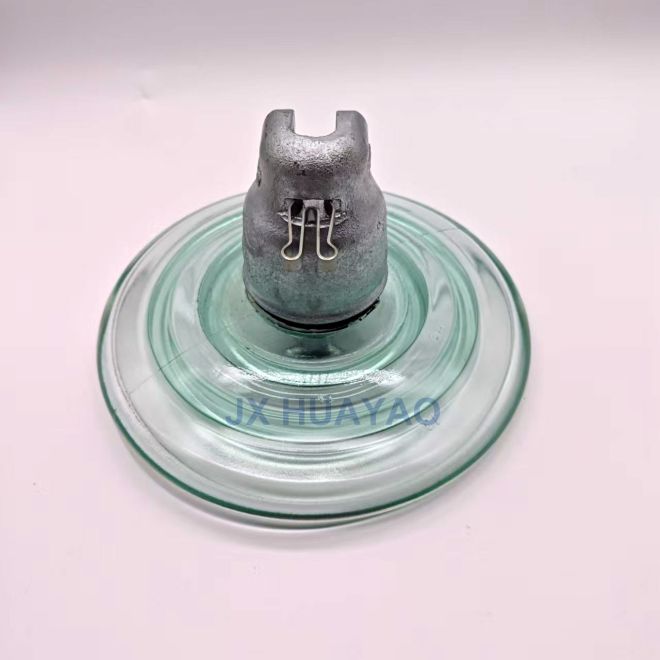
Introduction to Suspension Insulators
Suspension insulators are an essential component in overhead transmission lines, ensuring the safe and efficient conduction of electricity. These insulators consist of a series of porcelain or glass disc insulators connected by metal fittings. They are primarily used in medium and high-voltage transmission lines. This article will delve into the various aspects of suspension insulators, including their types, design features, materials, and more.
Types of Suspension Insulators
Cap and Pin Insulators
The cap and pin insulator is a widely used type of suspension insulator. It consists of a cast iron cap and a galvanized steel pin connected to a porcelain or glass disc. The cap and pin design allows flexibility in the formation of an insulator string, accommodating different electrical load requirements. Factories producing these insulators focus on maintaining high quality and durability.
Interlink Insulators
Also known as Hewlett type insulators, interlink insulators have a unique design with two curved sections joined at a 90-degree angle. This structure offers enhanced stability and strength, making them suitable for specific applications. Suppliers often recommend interlink insulators for projects requiring customized configurations.
Design and Construction Features
Series Connection of Discs
Suspension insulators are constructed by stringing multiple disc insulators in series. Each disc typically has a low voltage rating, such as 11 kV. The required number of discs in a string depends on the transmission line's voltage, which is why wholesale suppliers provide various configurations to suit different electrical needs.
Cross-Arms for Stability
To ensure that the insulators remain stable when connected to poles or towers, cross-arms are used. These components secure the insulator in place and prevent it from swaying, which is critical for maintaining the integrity of the transmission line.
Materials Used in Suspension Insulators
Porcelain and Glass
Porcelain and glass are the primary materials used in suspension insulators. These materials offer excellent electrical insulating properties and mechanical strength. The factory processes involved in manufacturing these insulators focus on achieving high density and low porosity to ensure durability and performance.
Polymer and Composite Materials
In recent years, polymer and composite materials have gained popularity for their lightweight and high resistance to vandalism and environmental degradation. Suppliers are increasingly offering these advanced materials for projects with specific performance requirements.
Connection and End Fittings
Types of Fittings
Suspension insulators can be equipped with various types of end fittings, such as Y-clevis, tongue, clevis, socket, ball, and eye. These fittings determine how the insulator attaches to the transmission line infrastructure. Wholesale providers offer these fittings in different configurations to meet diverse application needs.
Importance of Suitable Connections
The choice of end fittings is crucial for the insulator's performance. It affects the mechanical load capacity and the ease of installation and maintenance. Factories often produce fittings with precise dimensions to ensure compatibility and performance reliability.
Voltage Capacity and Disc Configuration
The voltage capacity of an insulator is dictated by the number of discs used in the insulator string. Each disc's ability to handle voltage contributes to the overall capacity, allowing for configurations that can manage high-voltage transmission lines exceeding 33 kV. This scalability is a key advantage of suspension insulators, making them a preferred choice in many projects. Suppliers and wholesale distributors often provide guidance on the appropriate configuration based on project specifications.
Differences Between Pin and Suspension Insulators
Pin insulators and suspension insulators differ mainly in their application and voltage capacity. Suspension insulators are suitable for high-voltage transmission lines and can be expanded by adding more discs to accommodate increased voltage demands. On the other hand, pin insulators have a maximum capacity of 33 kV, making them less versatile. Understanding these differences helps in choosing the right insulator type for a project, with many suppliers offering both options.
Historical Development of Suspension Insulators
Early Designs
The development of suspension insulators began in the early 20th century with the introduction of the cap and pin system. Initial designs faced challenges such as failure under heavy loads and cement expansion. Innovations over the years have led to more reliable and efficient designs, which are now widely used in modern transmission networks.
Modern Advancements
Recent advancements in materials and design have further improved the performance of suspension insulators. Factories now produce insulators that offer higher resistance to environmental damage and mechanical stress, contributing to longer service life and reduced maintenance costs.
Variations and Specialty Insulators
Various specialty insulators are available to cater to unique project requirements. These include unipart and multipart designs, with the former being the most common and still in production today. The unipart design features a single glass shell bonded to a steel cap and pin, allowing for modular configurations. Suppliers offer these specialty insulators to meet specific environmental and electrical challenges.
Usage and Selection Considerations
When selecting suspension insulators, it's crucial to consider factors such as voltage requirements, environmental conditions, and mechanical load capacity. Wholesale distributors often provide comprehensive catalogs and technical support to help clients choose the optimal insulators for their projects. Ensuring proper selection and installation can significantly impact the performance and safety of transmission systems.
Huayao Provide Solutions
Huayao offers comprehensive solutions for suspension insulators, tailored to meet the diverse needs of our clients. Our range includes high-quality porcelain, glass, and polymer insulators suitable for various voltage levels and environmental conditions. As a leading wholesale supplier, we provide customized configurations and expert guidance to ensure that your project requirements are fully met. Trust Huayao to deliver reliable insulating solutions that enhance the safety and efficiency of your transmission lines.
User hot search: suspension glass insulator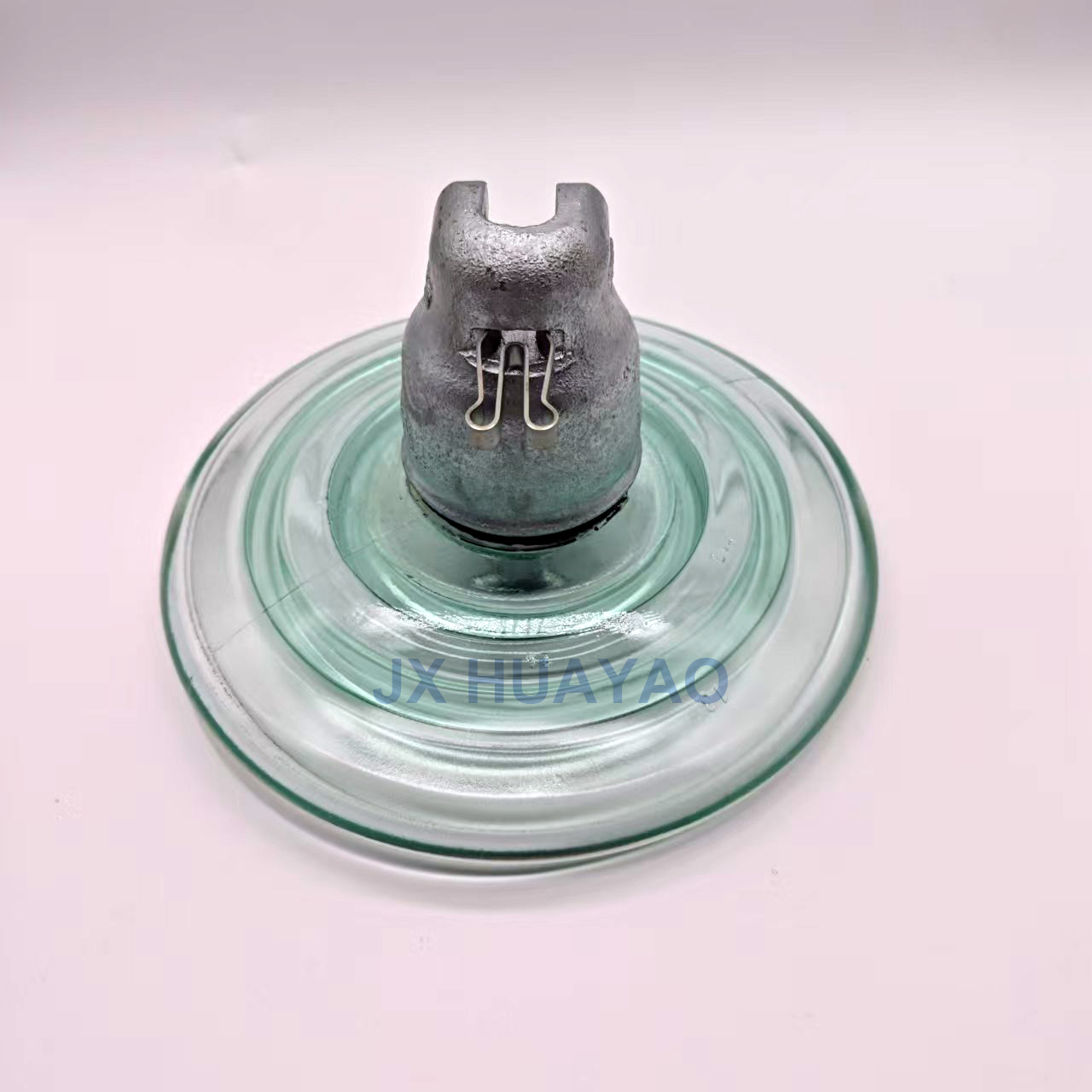
 Privacy settings