

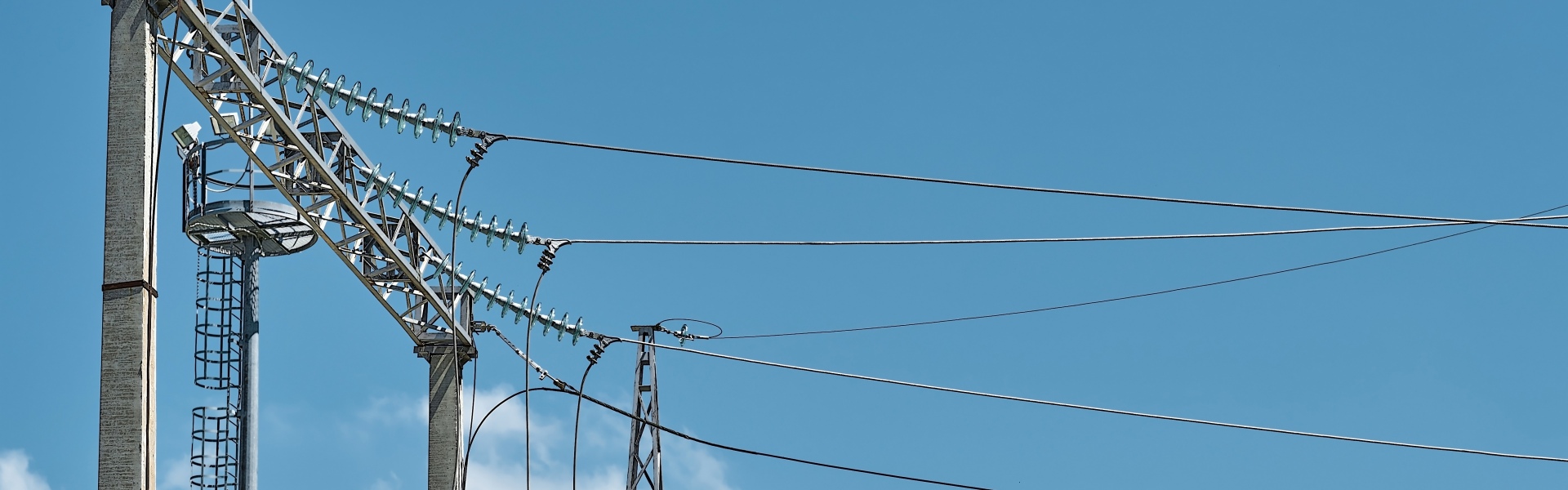

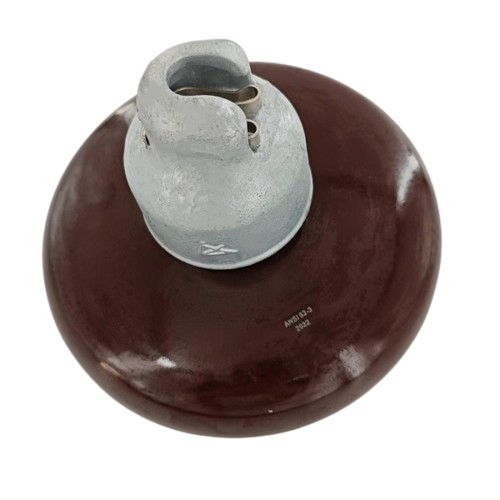
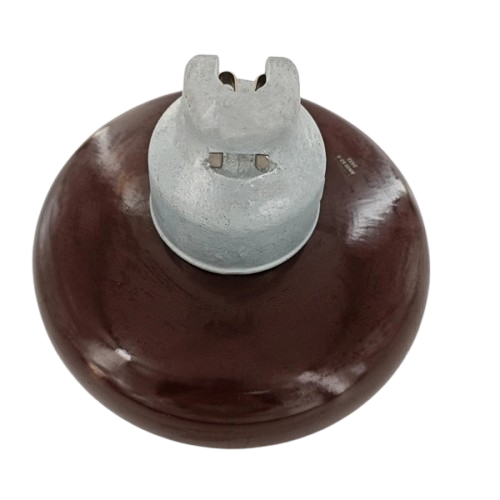
Wholesale High Voltage Porcelain Insulator for Electricity
Short Description:
 Phone
Phone
 whatsapp
 Email
Email
Product Main Parameters
| Attribute | Specification |
|---|---|
| Model | U70B/146 |
| Diameter (D) | 255mm |
| Spacing (H) | 146mm |
| Creepage Distance | 320mm |
| Coupling Size | 16mm |
| Mechanical Failing Load | 70kN |
| Dry Power-frequency Withstand Voltage | 70kV |
Common Product Specifications
| Specification | Description |
|---|---|
| Material | Porcelain |
| Color | Brown/White |
| Weight | Approx. 4.8kg |
| Minimum Order Quantity | 10 pieces |
Product Manufacturing Process
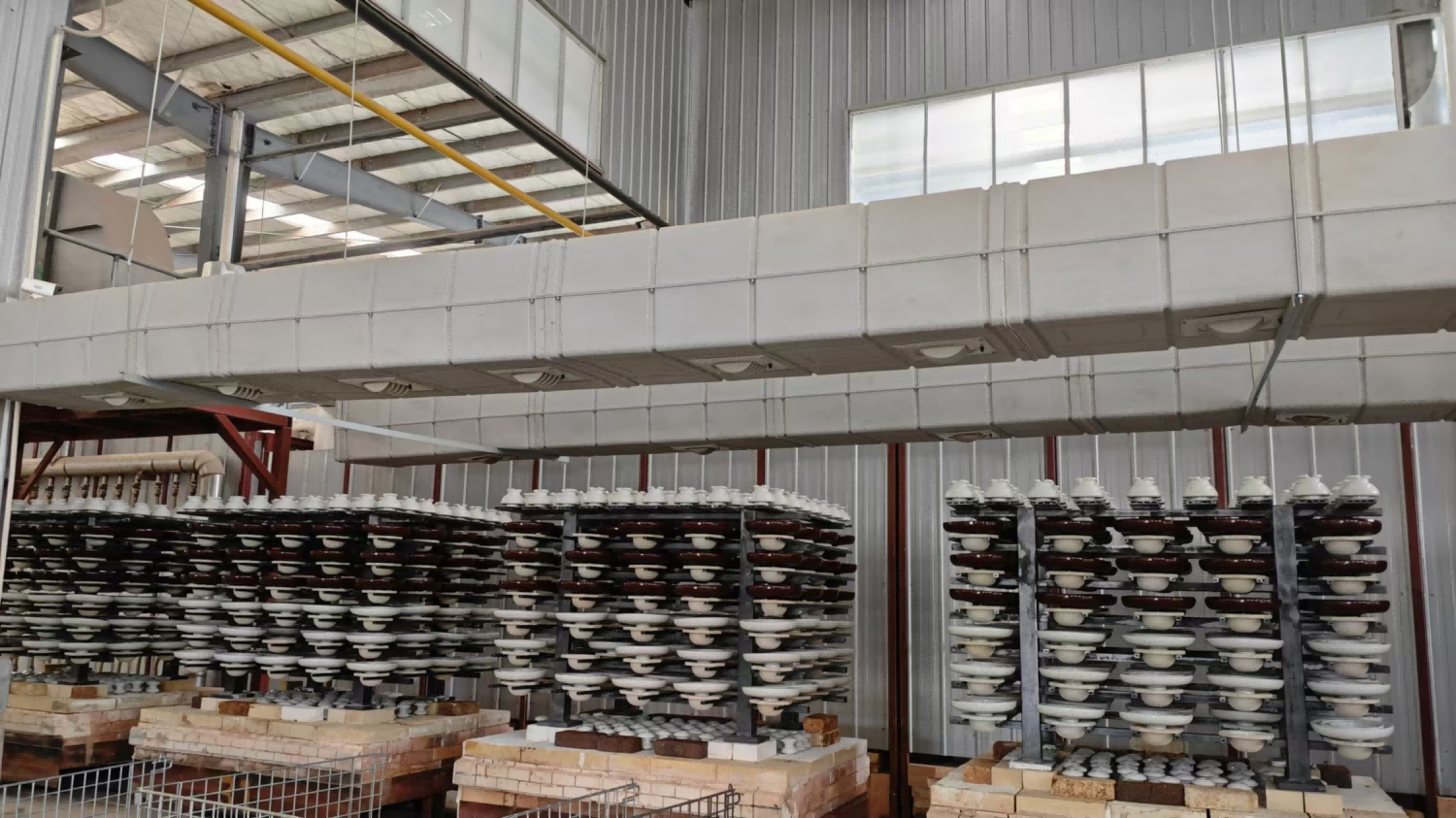
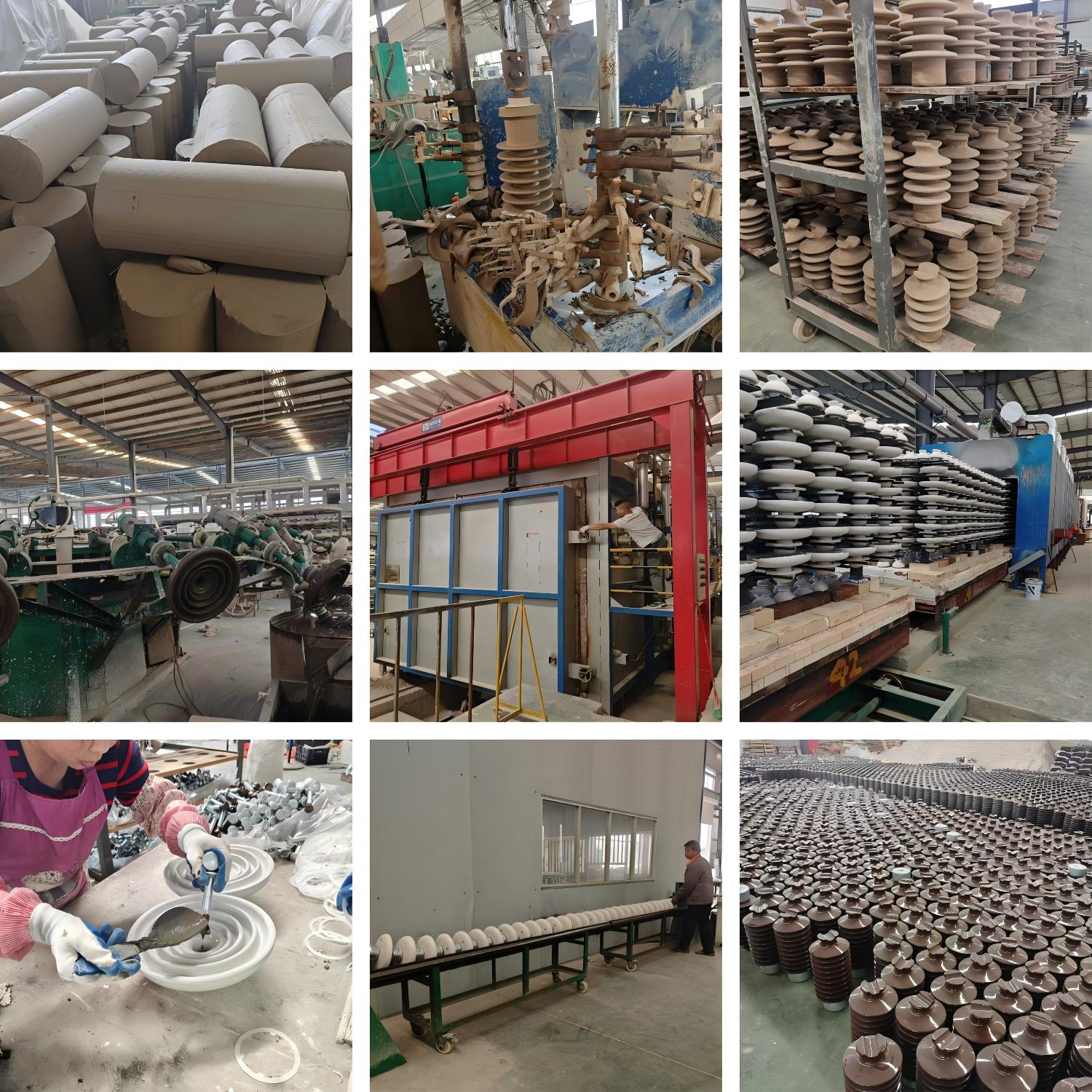
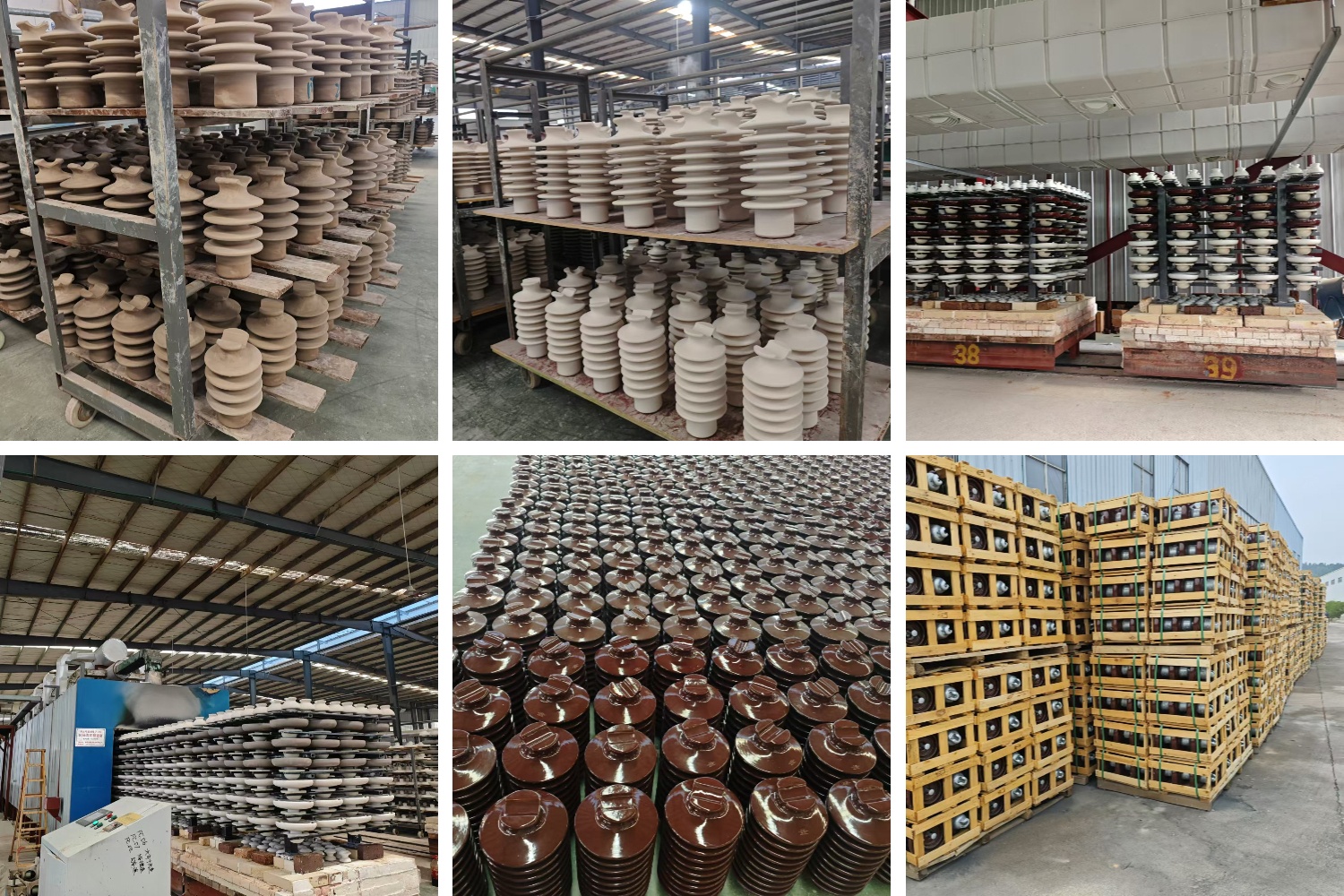
The production process for porcelain insulators at Jiangxi Huayao Electric Co., Ltd. involves careful selection and mixing of raw materials such as kaolin, quartz, and feldspar, which are then shaped, dried, and glazed. The insulators are fired at high temperatures between 1200°C and 1400°C in kilns to attain their unique properties, followed by gluing, assembling, and rigorous testing for quality assurance. This meticulous process ensures that each insulator meets the stringent electrical and mechanical requirements necessary for high-voltage applications.
Product Application Scenarios
Porcelain insulators are vital in high voltage applications, prominently used in overhead power lines, substations, and transformers. Their high dielectric strength and thermal stability make them ideal for insulating electrical conductors in various environmental conditions, ensuring the safety and efficiency of transmission lines. Additionally, their chemical resistance makes them suitable for regions prone to pollutants and harsh weather, maintaining performance over an extended period.
Product After-Sales Service
At Jiangxi Huayao Electric Co., Ltd., we provide comprehensive after-sales support for our porcelain insulators. Our service includes technical assistance, warranty coverage, and efficient handling of returns and exchanges to ensure complete customer satisfaction.
Product Transportation
We ensure safe and efficient transportation of our porcelain insulators through well-packaged shipments. Utilizing sturdy materials for packaging, we guarantee the integrity of our products during transit, delivering them promptly to our global clientele.
Product Advantages
- High dielectric strength and thermal stability.
- Chemical resistance against environmental factors.
- Long-term reliability, reducing overall lifecycle costs.
- Trusted by international markets due to superior quality.
Product FAQ
- What is the primary use of porcelain insulators in electricity?
Porcelain insulators primarily serve to insulate and support electrical conductors in high voltage power systems, preventing unwanted current flow and ensuring efficient energy transmission.
- Why choose porcelain over other insulating materials?
Porcelain offers excellent thermal stability, high dielectric strength, and chemical resistance, making it ideal for outdoor applications and high voltage environments.
- How does Jiangxi Huayao ensure the quality of its insulators?
We adhere to strict quality control standards, sourcing high-grade raw materials and utilizing state-of-the-art production and testing equipment to guarantee superior product performance.
- What certifications do your products possess?
Our porcelain insulators are certified under ISO9001 for quality management and comply with international standards such as IEC60383.
- What is the typical lead time for bulk orders?
Lead times vary depending on order size but typically range from 2-4 weeks. We are committed to delivering on schedule.
Product Hot Topics
- Durability of Porcelain Insulators
Porcelain insulators are renowned for their durability, capable of withstanding the rigors of outdoor environments and maintaining functionality across decades. Their dense, hard ceramic composition ensures they are resistant to thermal and chemical stress, making them indispensable for power transmission lines worldwide.
- Comparison with Polymer Insulators
While polymer insulators are gaining popularity due to their lighter weight, porcelain remains favored for its superior mechanical and chemical stability. The choice between the two often depends on specific application needs and environmental conditions, with porcelain excelling in high voltage scenarios requiring robust performance.
Image Description
-

Manufacturer of Glass Insulators for Power Lines
-
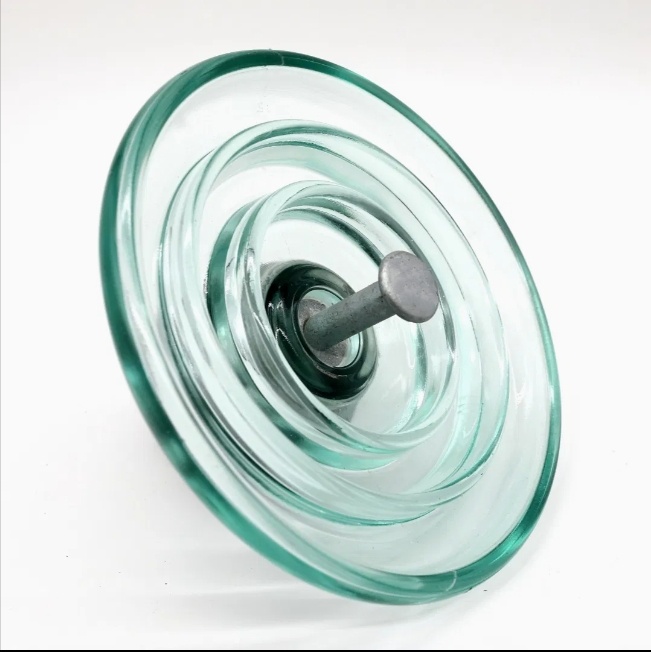
Wholesale 300kN Glass Insulators: What Are They Used For?
-
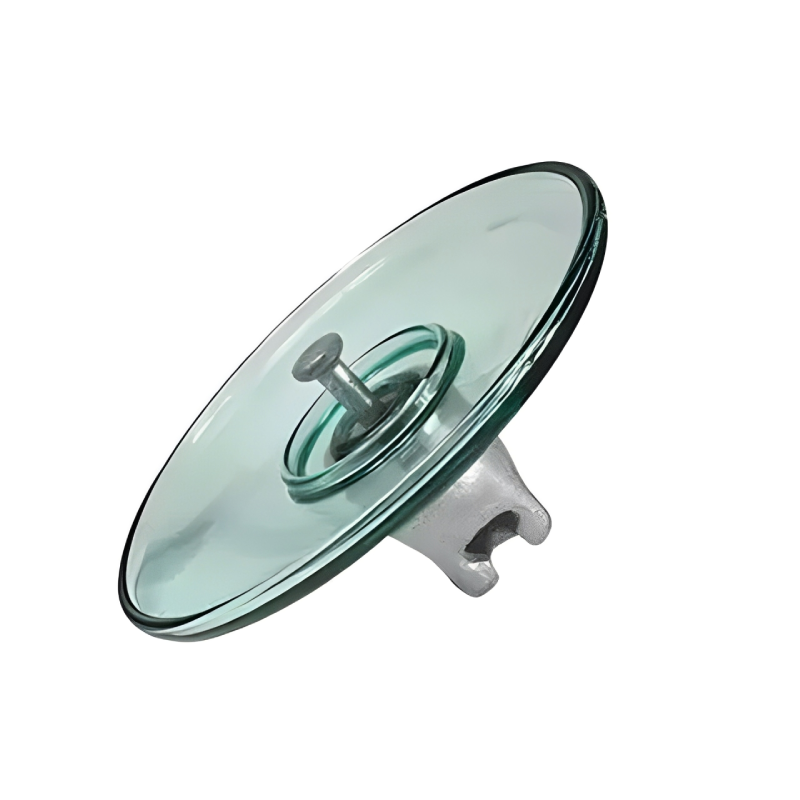
Manufacturer of Valuable Glass Insulators - U160BP/155M
-
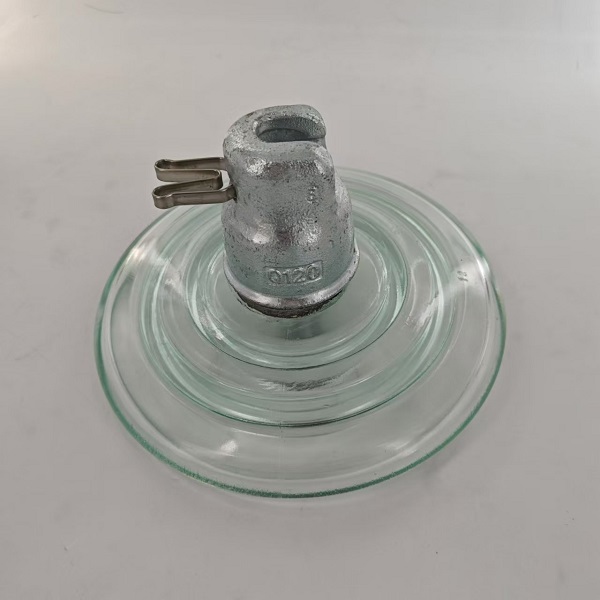
Factory Glass Electric Insulators Prices - U120BL
-
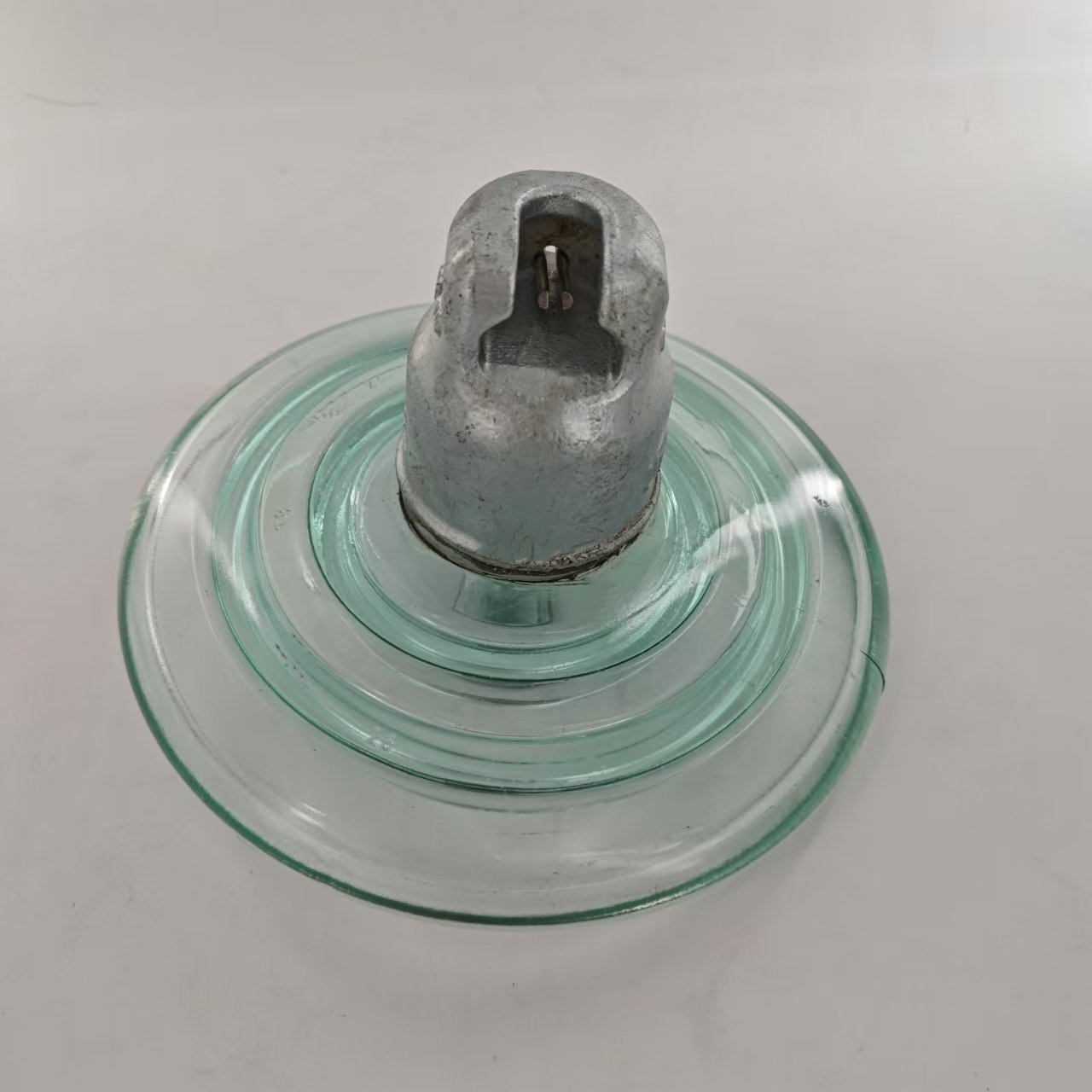
Wholesale 300kN Glass Insulators for Power Lines
-
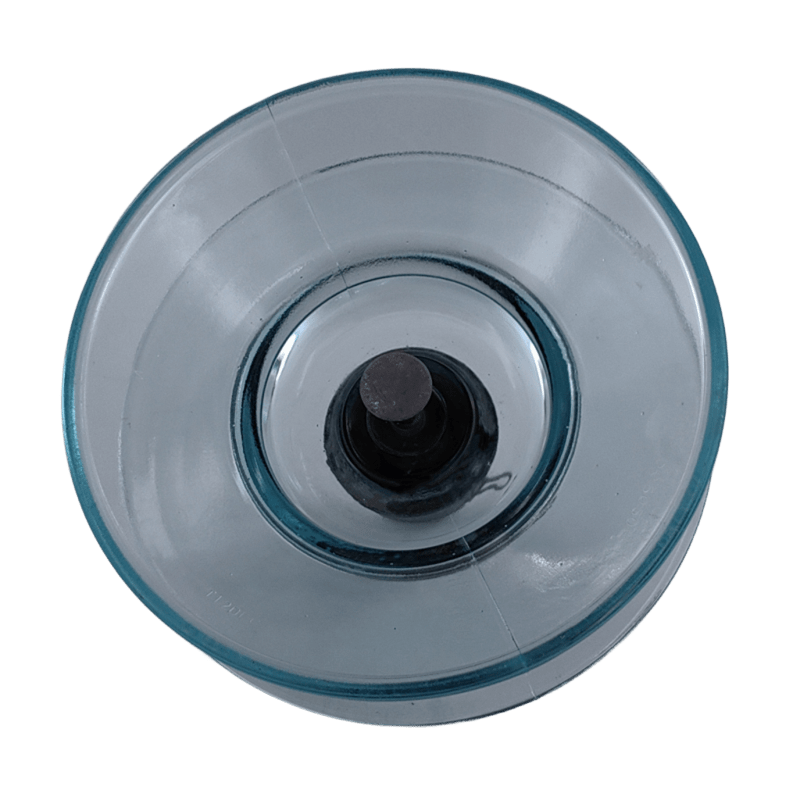
Manufacturer Glass Electric Wire Insulators UG70B146/450D
 Privacy settings