

Wholesale 300kN Glass Insulators for Power Lines
Short Description:
 Phone
Phone
 whatsapp
 Email
Email
Product Main Parameters
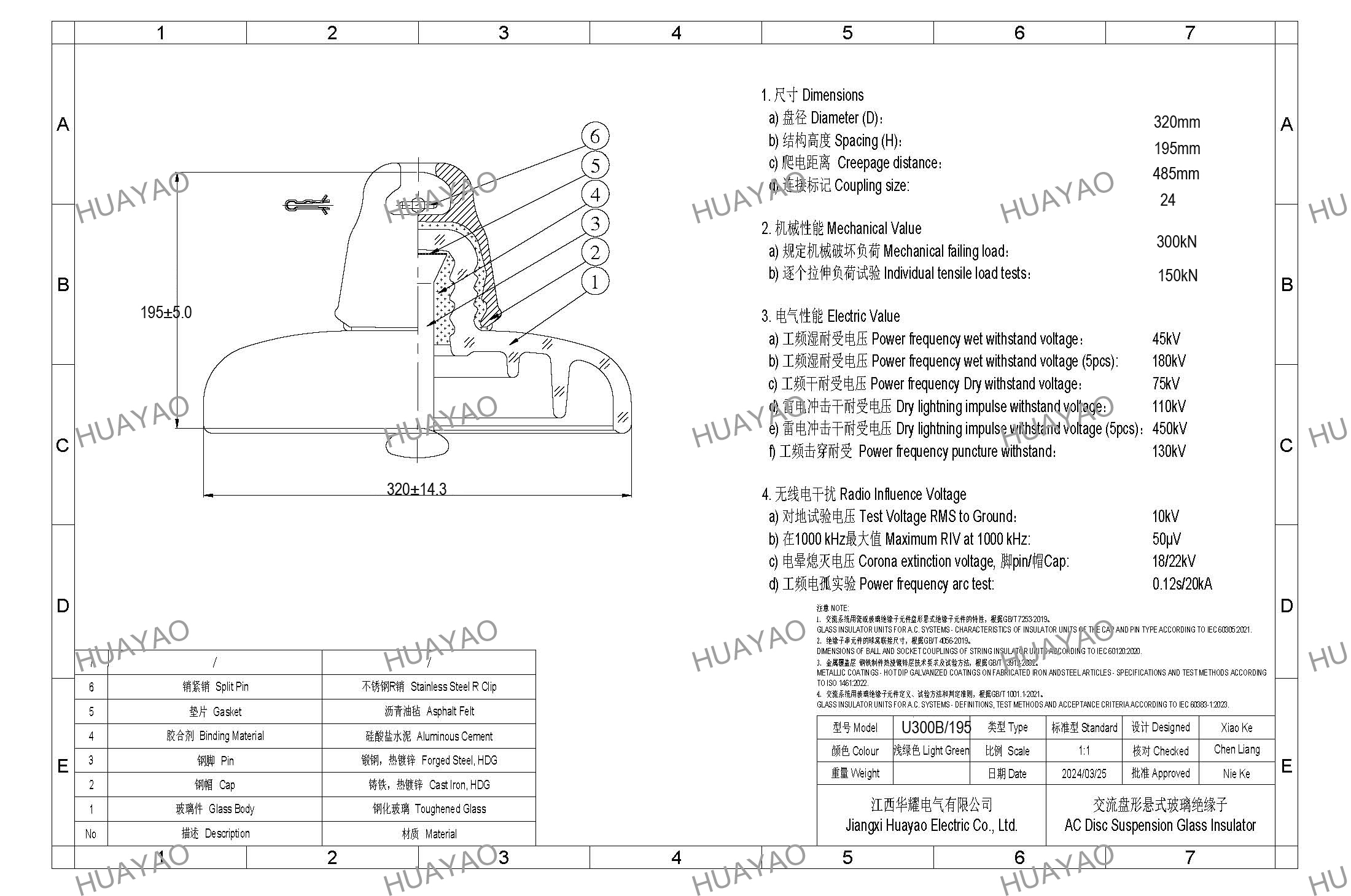
| Parameter | Value |
|---|---|
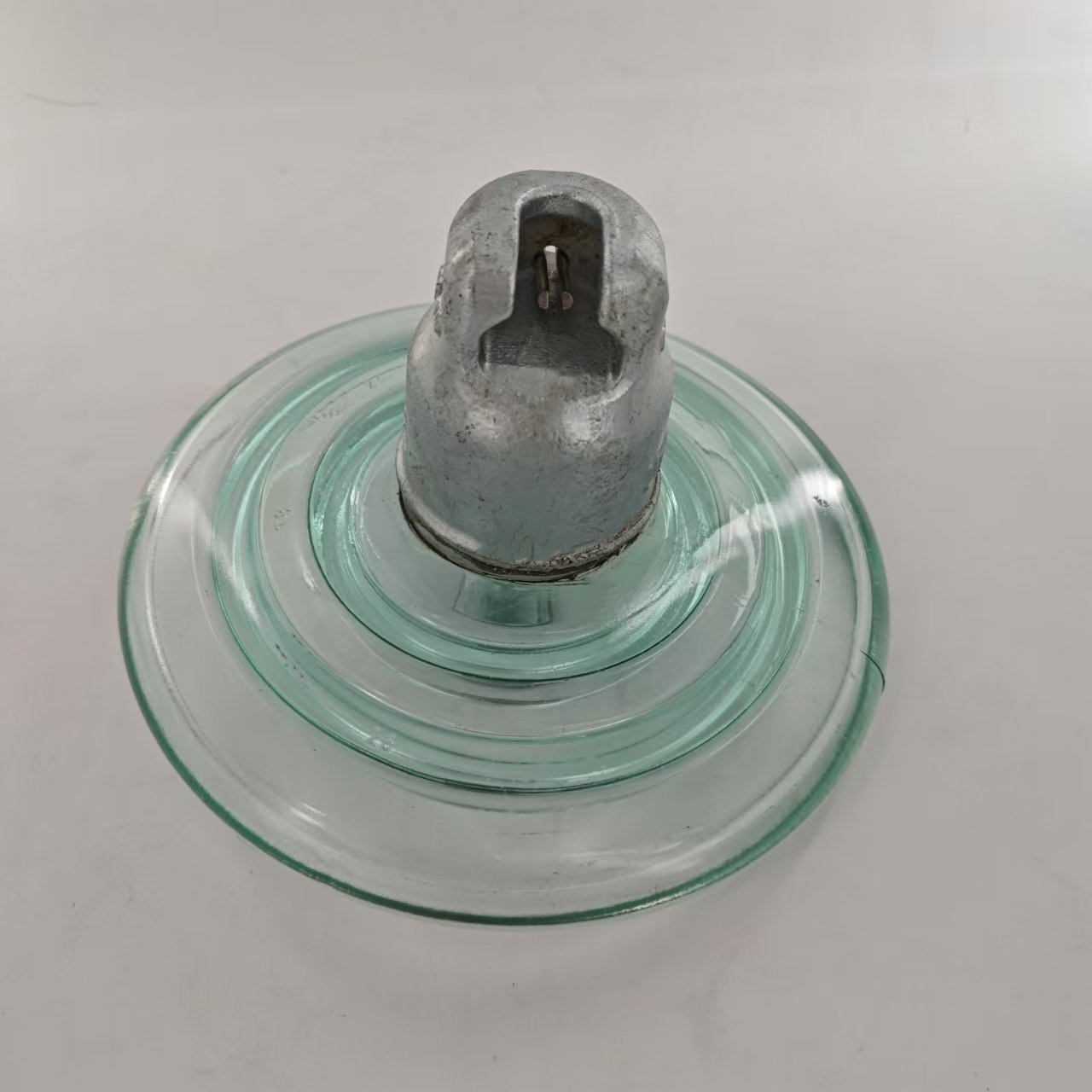
| Model Number | U300BL |
| Material | Fiberglass |
| Rated Voltage | 33kV |
| Mechanical Failing Load | 300kN |
| Net Weight per Unit | 10.6kg |
Common Product Specifications
| Specification | Detail |
|---|---|
| Diameter (D) | 320mm |
| Spacing (H) | 195mm |
| Creepage Distance (L) | 485mm |
Product Manufacturing Process
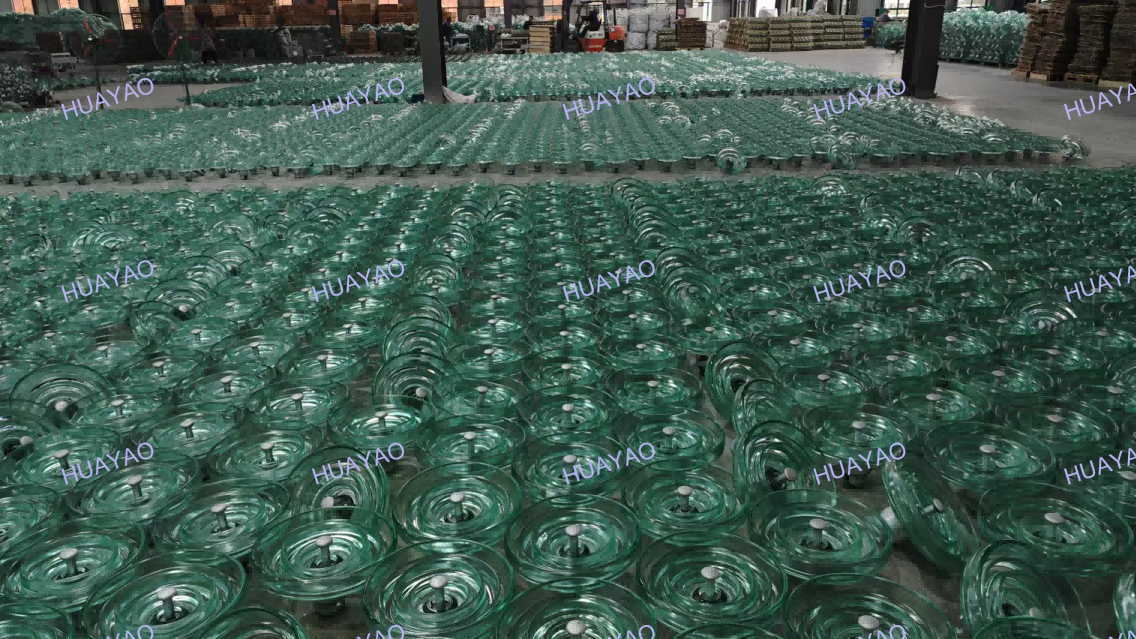
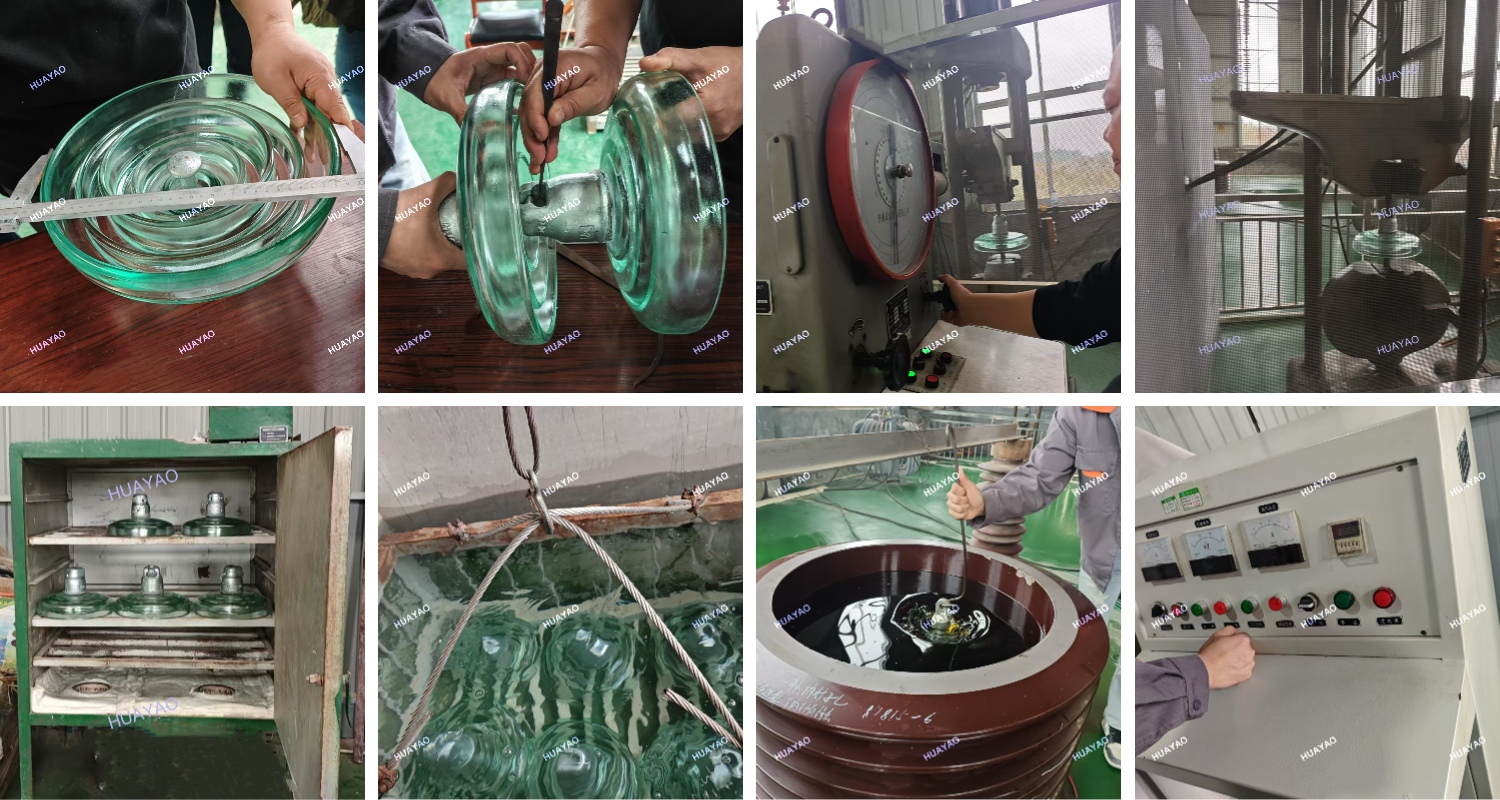
The manufacturing process of glass insulators involves several key stages, ensuring high-quality standards. Starting with raw material selection, the finest fiberglass is chosen for its exceptional insulation properties. The next step involves the precise mixing and batch processing of these materials, ensuring consistency. Advanced German and Italian machinery, renowned for efficiency and precision, are utilized in the melting and forming processes. Each insulator undergoes a rigorous tempering process to increase mechanical strength. Quality control measures, including testing for mechanical and electrical properties, are strictly followed. This detailed process ensures that the glass insulators are durable, reliable, and meet international standards.
Product Application Scenarios
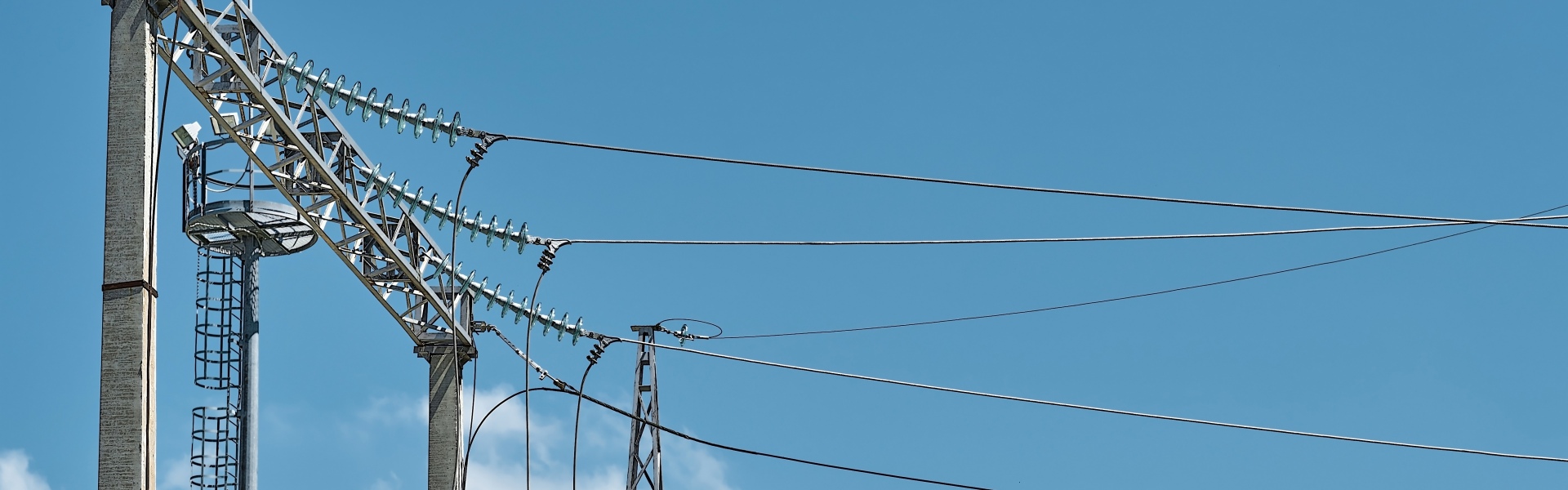
Glass insulators are critical in a variety of power distribution environments. In high voltage transmission lines, they provide necessary insulation between electrical conductors and the supporting structures. Their role is especially prominent in areas with harsh weather conditions, such as coastal regions, where their resistance to salt and moisture is advantageous. Additionally, glass insulators are used in substations and electrified railway networks, ensuring reliable power flow and reducing maintenance needs. Their transparency allows for easy inspection, a significant advantage in maintaining power line safety and efficiency.
Product After-Sales Service
Huayao offers comprehensive after-sales support for its glass insulators. Our service includes installation guidance, maintenance tips, and warranty coverage for manufacturing defects. Customers can reach out to our dedicated support team for technical assistance and advice. We also provide replacement services if any product does not meet our quality standards or customer expectations.
Product Transportation
Our glass insulators are carefully packaged to ensure safe transportation. Utilizing robust materials and packaging techniques, we aim to avoid damage during shipping. We partner with reliable logistics companies to provide timely delivery. Custom packaging options are available to accommodate specific transportation needs.
Product Advantages
- High transparency for easy damage detection
- Resistant to environmental and chemical degradation
- Low maintenance requirements due to smooth surface reducing contamination
- Durable with a proven track record in diverse climates
Product FAQ
- What are the benefits of using glass insulators over other materials?
Glass insulators provide high transparency for easy visual inspection, superior resistance to weathering and chemical effects, and lower maintenance due to their smooth surface. - How are glass insulators installed on power lines?
Glass insulators are typically linked in series to form a suspension or strain assembly, secured by metal caps and fittings to provide both insulation and mechanical support. - What is the typical lifespan of a glass insulator?
The lifespan of glass insulators can exceed decades if undamaged, due to their resistance to aging and environmental degradation. - Are glass insulators recyclable?
Yes, glass insulators are highly recyclable, which helps to reduce their environmental impact and promote sustainable practices. - What type of voltages are glass insulators suitable for?
Glass insulators are suitable for a wide range of voltage applications, from low to ultra-high voltages, as long as the appropriate design is selected. - Can glass insulators perform in extreme weather conditions?
Yes, glass insulators are designed to withstand extreme temperature variations and harsh environmental conditions while still performing effectively. - Do glass insulators require special maintenance?
While minimal, regular visual inspections and cleaning are recommended to maintain optimal performance. - Are there any drawbacks to using glass insulators?
While they have many advantages, glass insulators can be more susceptible to mechanical impact damage compared to composite materials. - How does Huayao ensure the quality of its glass insulators?
Huayao follows strict quality control measures throughout production, from raw material selection to final product testing. - What are the key features of the U300BL model?
The U300BL model features high mechanical strength, optimal for high voltage applications, with a compact and lightweight design.
Product Hot Topics
- Why Choose Glass Insulators for Power Line Applications?
The choice of glass insulators for power lines stems from their excellent insulative properties and long-term durability. Glass, being non-conductive, prevents leakage and withstands various environmental challenges, from UV exposure to moisture. Their optical transparency offers a significant maintenance advantage, allowing technicians to spot damage easily. Furthermore, glass exhibits resistance to aging, maintaining its performance over decades. Thus, choosing glass insulators translates to reduced maintenance costs and enhanced operational efficiency, especially critical in high-stakes power transmission environments. - Environmental Benefits of Using Glass Insulators
From an environmental perspective, glass insulators offer several advantages. They are made from abundant natural resources and are completely recyclable, helping to minimize waste in the power industry. The production process of glass insulators has evolved to become more energy-efficient, further reducing their carbon footprint. Given their longevity and low maintenance requirements, glass insulators reduce the frequency of replacement, thereby conserving resources. This aligns with global efforts to implement sustainable and eco-friendly practices in industrial applications, especially in the energy sector. - Comparing Glass and Porcelain Insulators
When comparing glass to porcelain insulators, both materials serve the critical role of insulating power lines but offer distinct advantages. Glass insulators are preferred for their transparency and easier damage detection, while porcelain offers excellent mechanical strength but lacks translucency for visual inspections. Each material's suitability depends on specific application requirements, environmental conditions, and cost considerations. While porcelain is often used for areas requiring greater mechanical stress handling, glass remains a popular choice where visual monitoring and lightweight design are prioritized.
Image Description
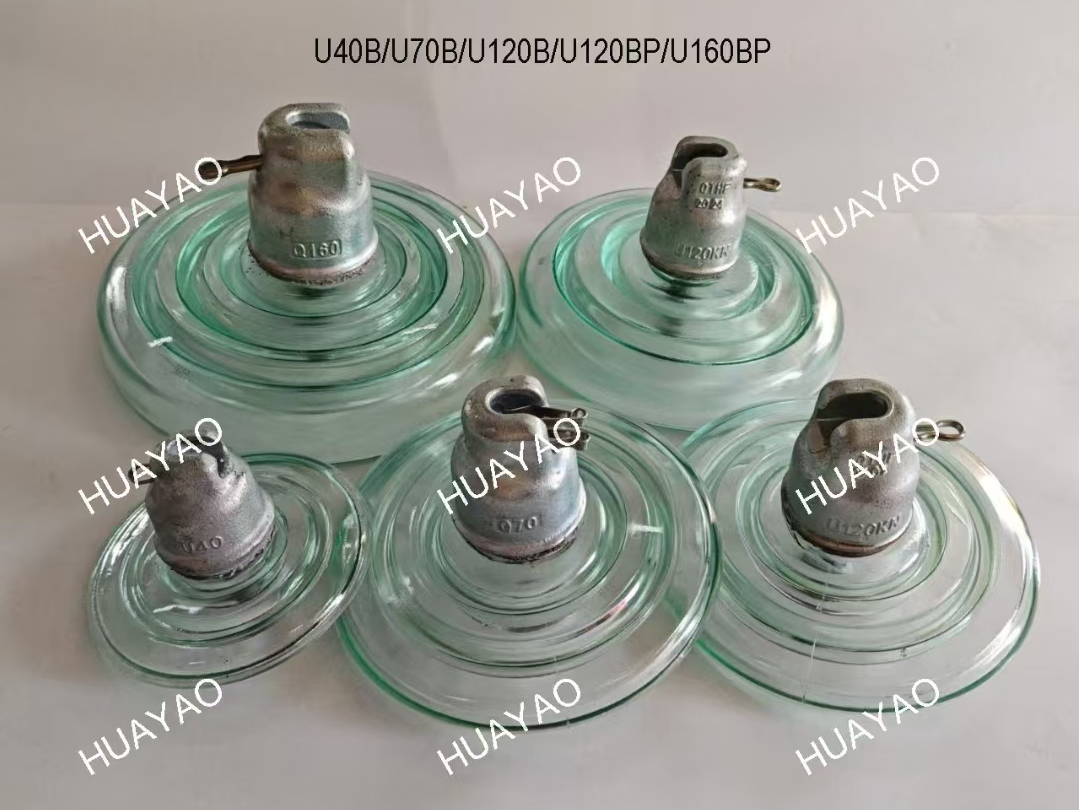
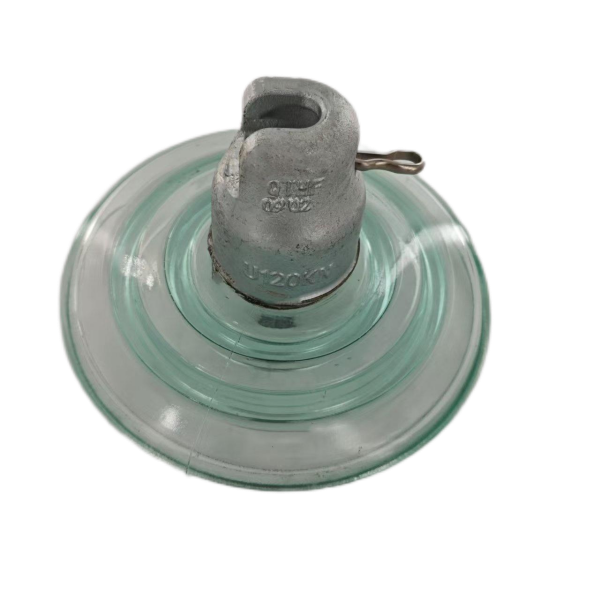
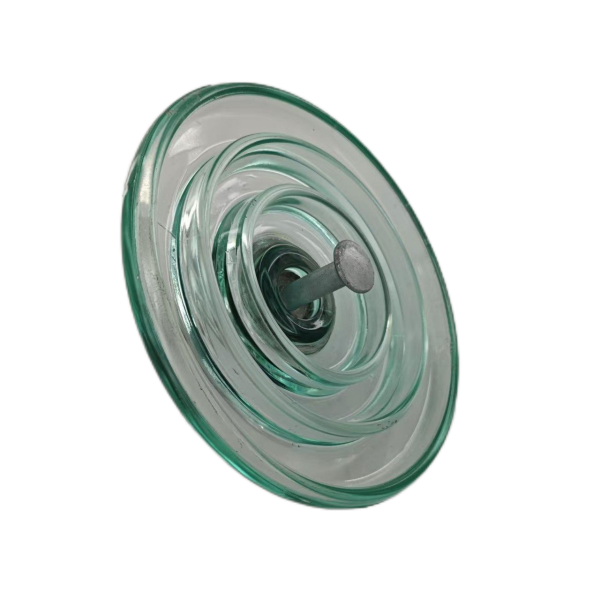
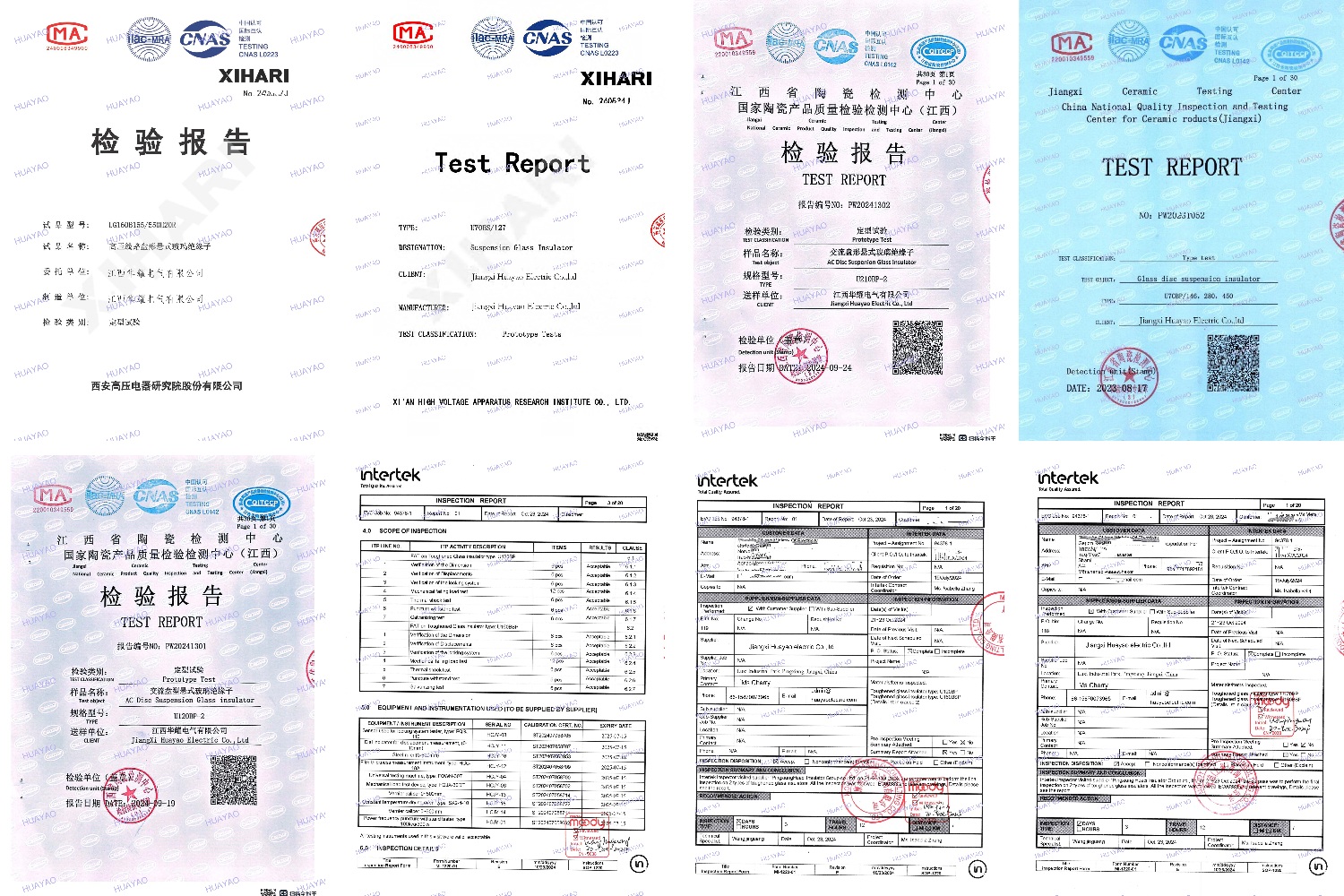
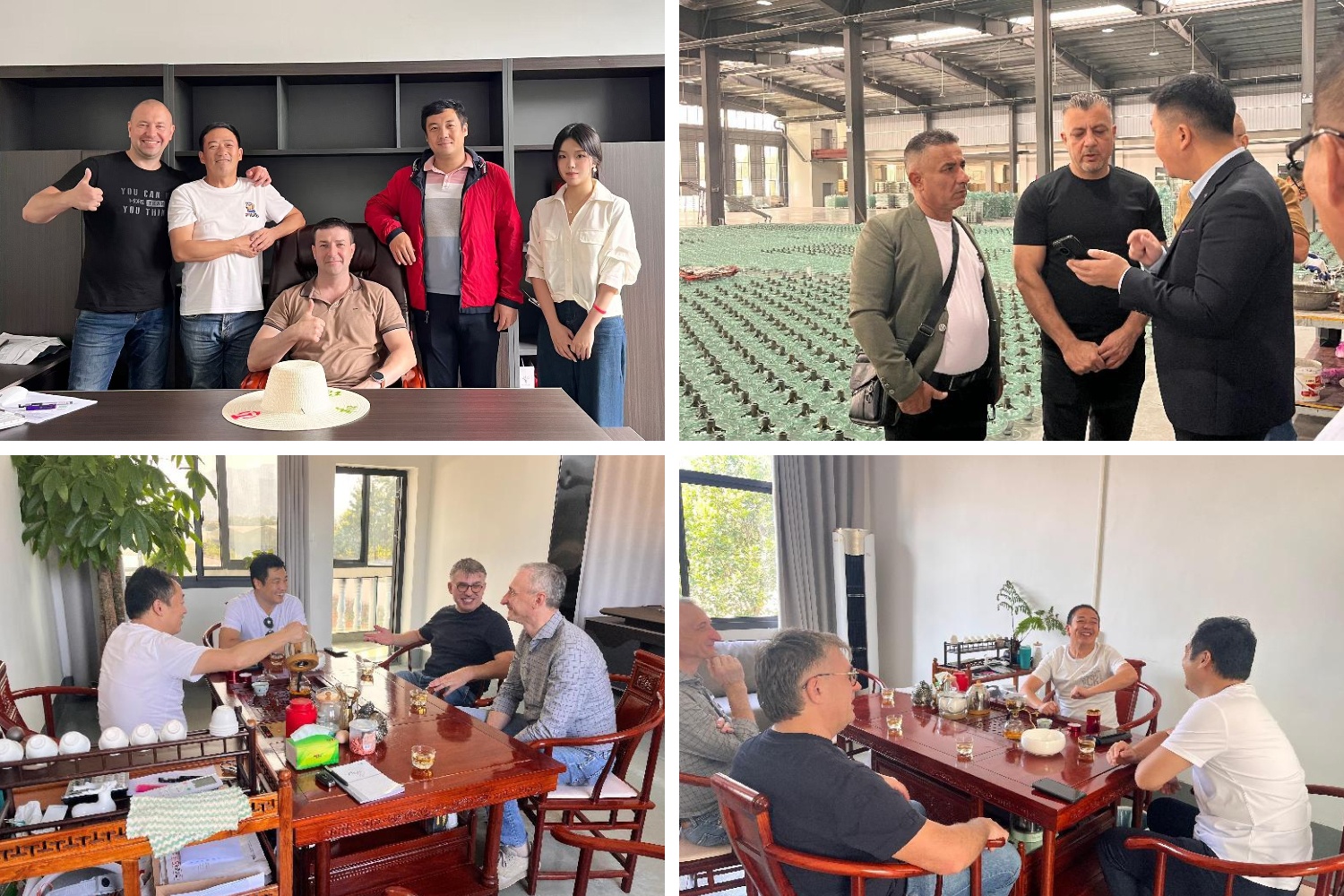
-

Manufacturer of Glass Insulators for Power Lines
-
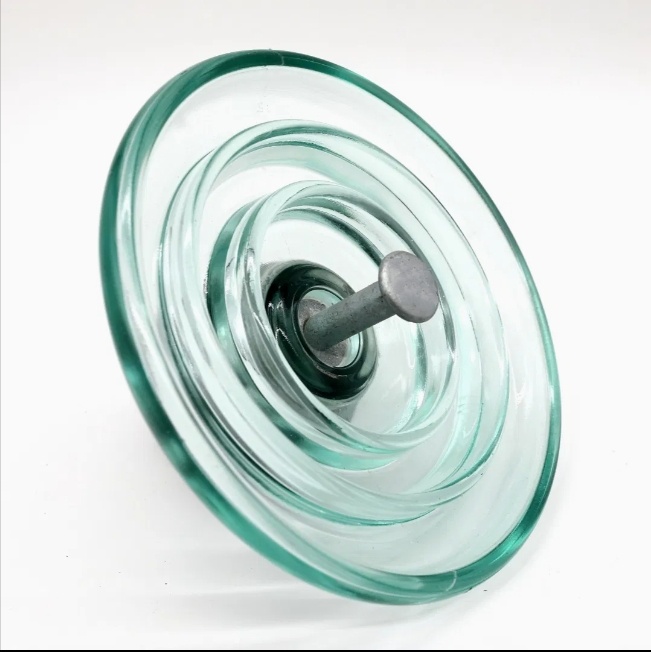
Wholesale 300kN Glass Insulators: What Are They Used For?
-
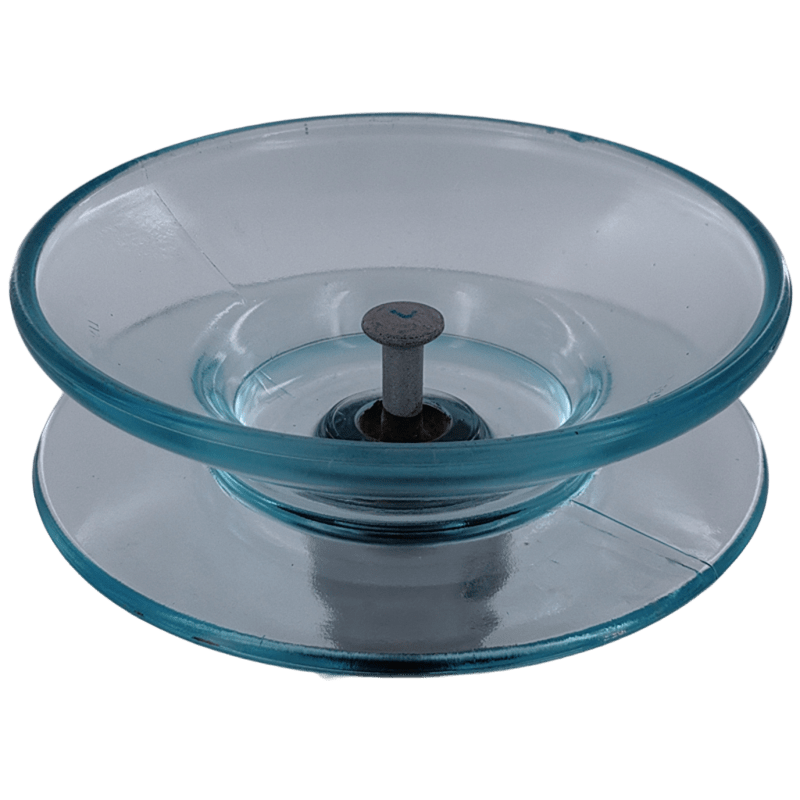
Reliable Glass Wire Insulator Supplier: UG120B/146/450D
-
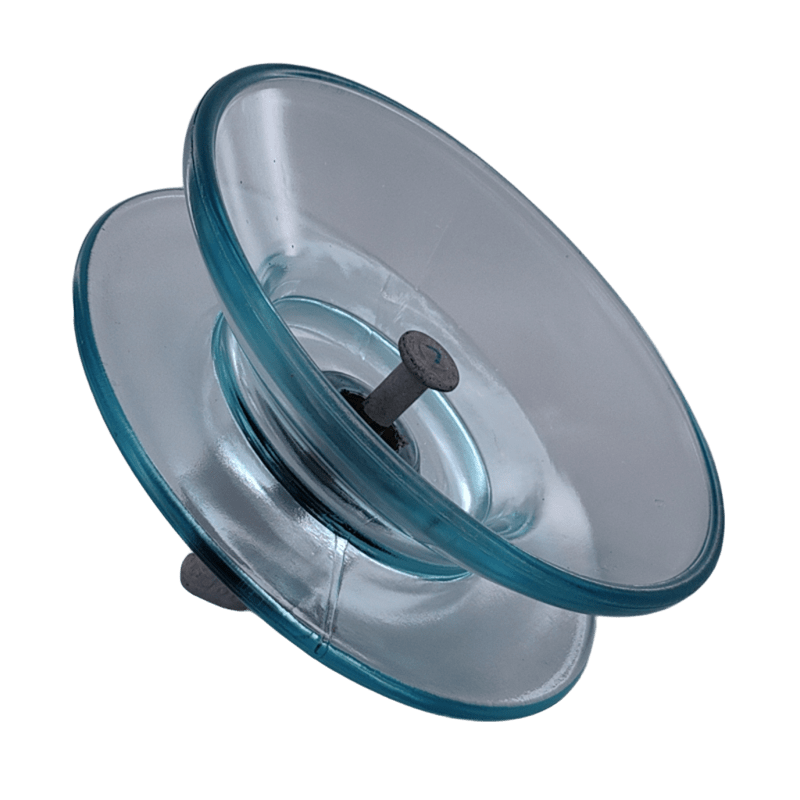
Wholesale Railroad Insulator Double-umbrella Disc UG160B
-
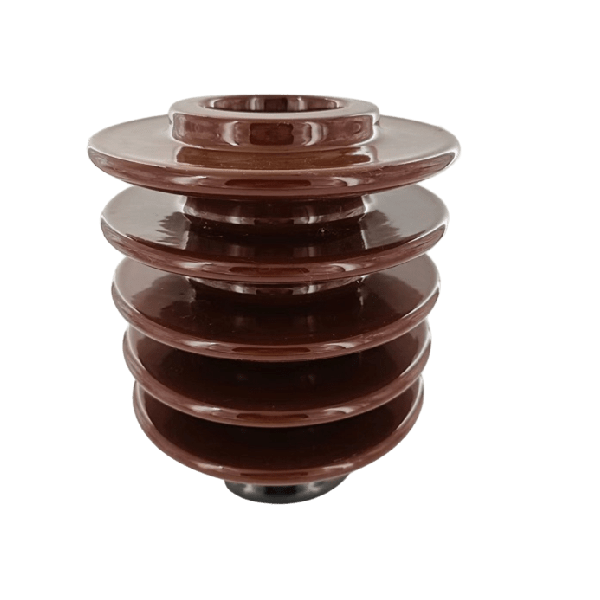
Wholesale Porcelain Insulator Types - High Voltage Pin Insulator
-
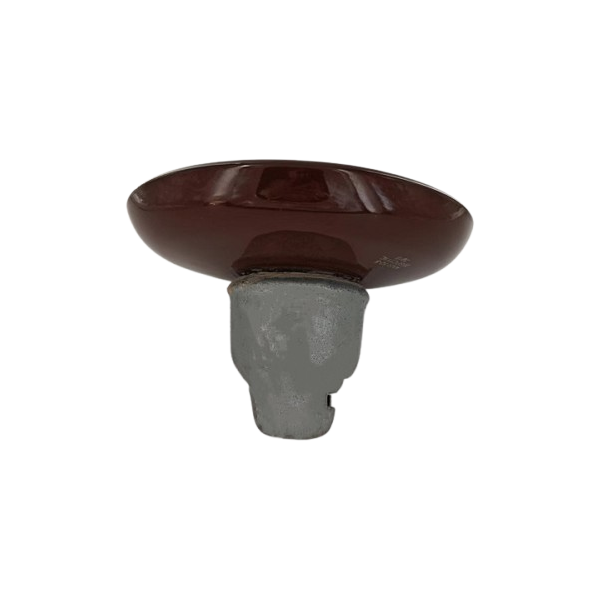
Factory-Made Porcelain Disc Insulator U120B 120kN
 Privacy settings