

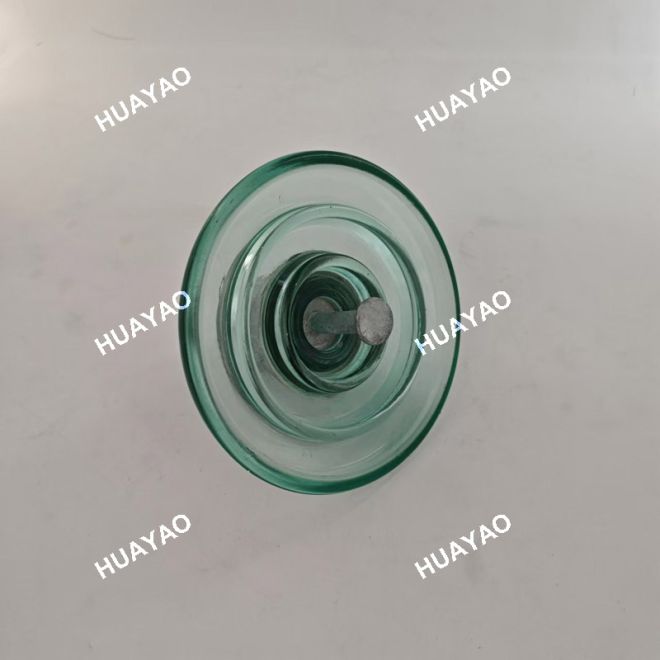
Introduction to Power Line Insulators
Insulators on power lines play a vital role in maintaining the safety and efficiency of electrical power distribution. Their primary function is to prevent the unwanted flow of current to the ground, ensuring that electrical energy is transmitted effectively between points. With the modern demand for reliable electricity exceeding previous expectations, the role of insulators is more significant than ever. Proper design, selection, and installation of insulators are critical for manufacturers, factories, and suppliers in the sector.
Design and Material Considerations
Material Properties
Materials like porcelain, glass, and advanced composites are commonly used for insulators due to their insulating properties and mechanical strength. Porcelain, with its high dielectric strength, remains a preferred choice in many industrial applications. The material's ability to withstand extreme weather without degradation makes it ideal for outdoor power lines.
Environmental Factors
Environmental conditions such as temperature, humidity, and pollution significantly influence the selection of insulator materials. Suppliers must consider these factors to ensure durability and prevent breakdowns. For instance, insulators used in coastal areas are often designed to resist salt contamination. Numerical analysis reveals that glass insulators in polluted environments may have a service life reduction of up to 20% if not designed appropriately.
Pin Insulators: Features and Applications
Design and Utility
Pin insulators are commonly used in low to medium voltage distribution lines, usually up to 33kV. Their design includes a single composition of porcelain or glass with a metal pin base, making them easy to install and cost-effective. Despite their simplicity, manufacturers need to ensure that these insulators meet the mechanical load and dielectric requirements.
Limitations
While pin insulators are economical for voltages up to 33kV, challenges arise as voltage levels increase. For higher voltage applications, these insulators become larger and heavier, leading to increased costs and installation complexity. Professional suppliers often recommend transitioning to more suitable types for high-frequency lines.
Suspension Insulators: Structure and Benefits
Design and Mechanical Strength
Suspension insulators are essential in medium to high-voltage transmission lines, ranging from 33kV to several hundred kV. They consist of several porcelain or glass units connected in series, providing robust mechanical strength. This configuration allows them to manage high mechanical stress and electrical load effectively.
Advantages in High Voltage
The modular design of suspension insulators offers flexibility and enhanced performance in managing high voltages. For example, a set of 10 suspension units can handle voltages beyond 220kV efficiently. This adaptability makes them a popular choice for suppliers dealing with diverse transmission needs.
Strain Insulators: Usage in High Tension Areas
Role and Importance
Strain insulators, also known as tension insulators, absorb the tension in conductors, particularly where transmission lines change direction or terminate. They ensure that electrical conductors remain safely distant from supporting structures, maintaining the integrity of the lines.
Applications and Constraints
Widely used in medium to high-voltage applications, these insulators comprise a series of porcelain discs. Suppliers often recommend them for transmission lines that encounter rugged terrains or known weather challenges due to their exceptional tensile strength.
Shackle Insulators in Distribution Lines
Design and Suitability
Shackle insulators, also called spool insulators, are utilized primarily in low to medium-voltage lines. Their compact and lightweight design allows for easy installation and maintenance, making them cost-effective solutions for distribution networks. Manufacturers need to focus on ensuring these insulators can withstand mechanical shocks and environmental changes.
Applications
These insulators are particularly effective in urban areas where transmission lines must navigate through complex routes. Their capability to handle voltage fluctuations up to 11kV makes them invaluable in densely populated regions.
Post Insulators for High Voltage Systems
Structural Elements and Benefits
Post insulators exhibit excellent mechanical strength and are typically used in high-voltage systems ranging from 11kV to several hundred kV. They consist of a solid piece of porcelain mounted on a metal base, providing robustness and reliability under demanding conditions.
Performance and Efficiency
With the capability to support substantial vertical loads, post insulators are a suitable choice for substations and switching stations. Suppliers appreciate their high flashover voltage capacity, which ensures operational stability even in adverse weather conditions.
Long Rod Insulators in EHV and UHV Lines
Design and Environmental Performance
Long rod insulators are favored for extra-high voltage (EHV) and ultra-high voltage (UHV) lines due to their superior mechanical strength. The single, elongated design provides a continuous path for current, making them efficient in harsh and polluted environments.
Advantages in High-Stress Conditions
Long rod insulators are particularly effective in areas prone to high pollution levels. They offer excellent performance in reducing contamination-related flashovers by minimizing the surface area exposed to pollutants.
Stay Insulators for Tower Stability
Function and Importance
Stay insulators, or guy-wire insulators, provide insulation and mechanical support to guy wires used to stabilize transmission towers. They prevent unwanted current flow from the tower structure to the ground, which is critical in maintaining tower integrity.
Construction and Use Cases
Typically constructed of porcelain, stay insulators are integral in areas with significant wind loads or uneven terrains. Their robust design ensures that transmission towers remain properly aligned and resistant to environmental stresses.
Conclusion: The Essential Role of Insulators
The variety of insulators—each with its own set of strengths and applications—demonstrates the critical role they play in electrical systems. Manufacturers, factories, and suppliers must carefully choose the correct type of insulator to satisfy safety and efficiency demands. By understanding each insulator's parameters and limitations, they can significantly contribute to reliable power distribution and transmission.
Huayao Provide Solutions
At Huayao, we offer comprehensive solutions tailored to meet your power line insulator needs. Our approach focuses on delivering top-quality products that align with the highest industry standards. We work closely with manufacturers and suppliers to ensure that our insulators are not only efficient but also adaptable to various environmental challenges. Trust Huayao for expertise that enhances the safety and reliability of your transmission systems.
User hot search: powerline insulators
 Privacy settings