

Choosing between porcelain and polymer insulators can feel like picking a superhero sidekick: both look tough, both promise reliability, and you just hope the wrong choice doesn’t end with a very dramatic power outage.
To solve this, compare performance, durability, and maintenance costs using clear data and field tests, guided by trusted research like this CIGRÉ report on insulator performance: Overhead Insulator Materials – Status and Trend.
⚡ Historical Development and Basic Characteristics of Porcelain and Polymer Insulators
Porcelain insulators have served power grids for more than a century, while polymer insulators offer lighter, modern designs. Both protect networks from electrical faults and environmental stresses.
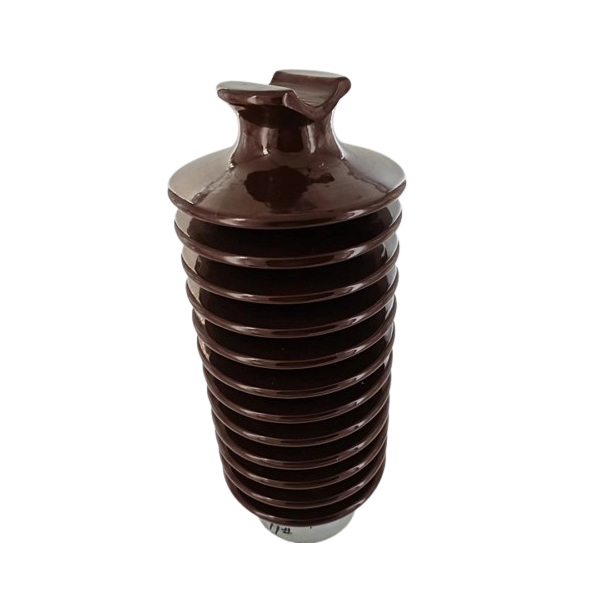
Understanding their history, structure, and typical standards helps engineers select suitable products, such as Pin type insulators for medium voltage ANSI 55-1 for reliable distribution lines.
1. Evolution of Porcelain Insulators
Porcelain insulators use fired clay and glaze. They became the global standard for high voltage lines due to stable performance.
- High compressive strength
- Good resistance to UV and weather
- Well-documented long-term performance
2. Emergence of Polymer (Composite) Insulators
Polymer insulators use fiberglass cores with silicone rubber housings. They reduce weight and simplify structure design in modern grids.
- Lightweight and flexible
- High pollution resistance
- Lower transport and installation costs
3. Basic Material Characteristics
Porcelain is rigid and brittle, while polymer materials are elastic and hydrophobic. These traits drive different field behavior and maintenance needs.
| Property | Porcelain | Polymer |
|---|---|---|
| Density | High | Low |
| Hydrophobicity | Moderate | High |
| Mechanical Flexibility | Low | High |
4. Typical Standards and Product Types
Both technologies follow IEC and ANSI standards. Porcelain units like High voltage post electrical porcelain insulator 57-1 and High voltage post electrical porcelain insulator 57-2 remain key for substations.
- Line insulators: pin, suspension, polymer long rod
- Station insulators: post, support, bushing
🔍 Mechanical Strength, Durability, and Performance in Harsh Environmental Conditions
Porcelain excels in long-term mechanical stability, while polymer insulators provide lighter weight and better contamination performance. Both must endure wind, ice, and pollution.
Designers should compare strength, aging, and environmental resistance before selecting materials for coastal, desert, or industrial zones.
1. Mechanical Strength Comparison
Porcelain offers very high compressive and bending strength, but it can crack on impact. Polymer units tolerate shock and vibration more effectively.
| Parameter | Porcelain | Polymer |
|---|---|---|
| Weight (relative) | 1.0 | 0.3 |
| Bending strength | Very high | High |
| Impact resistance | Low | High |
2. Durability and Aging
Porcelain can last 40–60 years with little change. Polymer insulators age faster, but advanced silicone compounds now extend their expected service life.
3. Behavior in Polluted and Coastal Areas
Polymer insulators show better performance under heavy salt, dust, or industrial gases, due to their hydrophobic silicone housing and smooth surface.
4. Simple Data View: Strength vs Weight
The example bar chart script below compares relative weight and bending strength values for porcelain and polymer insulators.
🌧️ Comparative Electrical Properties: Insulation Level, Leakage Current, and Flashover Performance
Both insulator types target high dielectric strength and low leakage current. Surface design and material hydrophobicity heavily influence flashover performance.
1. Insulation Level and Dielectric Strength
Porcelain has very stable bulk dielectric strength. Polymer designs rely on core integrity and housing to keep comparable insulation levels at lower weight.
2. Leakage Current in Wet or Polluted Conditions
Silicone rubber surfaces on polymer insulators limit continuous water films, which helps reduce leakage current on highly polluted or coastal lines.
- Shorter, dry paths on hydrophobic surfaces
- Self-healing hydrophobicity after light pollution
3. Flashover and Contamination Performance
Porcelain may need longer creepage or coatings in harsh zones. Polymer units often deliver better contamination flashover performance without extra treatment.
🛠️ Installation, Maintenance Requirements, and Typical Failure Modes of Each Insulator Type
Installation methods differ because porcelain is heavy and brittle, while polymer units are light and flexible. Maintenance also varies by surface behavior.
Planners must consider handling risks, inspection routines, and predictable failure modes to manage grid reliability.
1. Installation Practices and Handling
Porcelain requires careful lifting, spacing, and torque control to avoid cracks. Polymer insulators allow easier manual handling and simpler tower upgrades.
- Use padded slings for porcelain
- Avoid point loads on sheds
- For polymer, protect housing from sharp tools
2. Routine Inspection and Cleaning
Porcelain surfaces often need periodic washing in polluted regions. Polymer surfaces may require visual checks for chalking, cuts, or tracking marks.
3. Common Failure Modes
Porcelain typically fails by brittle fracture, often sudden. Polymer units may have progressive issues like sheath erosion, core exposure, or hardware loosening.
| Type | Main Failure Mode |
|---|---|
| Porcelain | Cracks, shattering, glaze damage |
| Polymer | Tracking, erosion, core degradation |
🏭 Application Scenarios, Economic Evaluation, and Why Huayao Is a Reliable Choice
Choosing porcelain or polymer insulators requires a balance of technical risk, environment, and total life-cycle cost. Each technology fits specific scenarios.
Huayao supplies both porcelain and modern solutions, helping utilities optimize reliability and long-term investment.
1. Typical Application Scenarios
Porcelain suits substations, compact spans, and areas with low mechanical shock. Polymer insulators shine on long transmission lines and polluted zones.
- Urban substations: robust porcelain posts
- Mountain and river crossings: lightweight polymer
- Coastal belts: high hydrophobic polymer designs
2. Economic and Life-Cycle Considerations
Porcelain offers low initial risk and long life, but higher transport and tower loading. Polymer often reduces structure cost and simplifies upgrades.
| Aspect | Porcelain | Polymer |
|---|---|---|
| Initial cost | Moderate | Moderate |
| Transport cost | Higher | Lower |
| Structure impact | Heavier towers | Lighter towers |
3. Why Partner with Huayao
Huayao combines strict quality control, standard-compliant testing, and flexible support. This helps utilities match porcelain and polymer solutions to local grid needs.
Conclusion
Porcelain insulators offer proven strength, extreme durability, and long-term electrical stability. Polymer insulators provide lighter weight and superior contamination behavior, especially in coastal or industrial regions.
Designers should compare environment, mechanical loading, and life-cycle cost. Working with a skilled manufacturer like Huayao supports safe, efficient, and economical system planning.
Frequently Asked Questions about porcelain insulators
1. How long do porcelain insulators usually last?
Well-designed porcelain insulators often serve 40–60 years or more. Life depends on design, installation quality, pollution level, and mechanical loading on the line.
2. Are porcelain insulators better than polymer in all cases?
No. Porcelain is excellent for mechanical stability and known behavior, while polymer can perform better in heavy pollution and weight-sensitive applications.
3. Do porcelain insulators need regular cleaning?
In clean areas, cleaning may be rare. In industrial or coastal regions, utilities often schedule washing to control leakage current and prevent flashover.
4. Can damaged porcelain insulators be repaired?
Surface chips or glaze defects may be tolerable if minor, but cracked or broken porcelain units should be replaced, not repaired, for safety.
5. What standards apply to porcelain insulators?
Porcelain insulators typically follow IEC and ANSI standards, which define mechanical strength, electrical performance, creepage distance, and routine and type testing.
 Privacy settings