

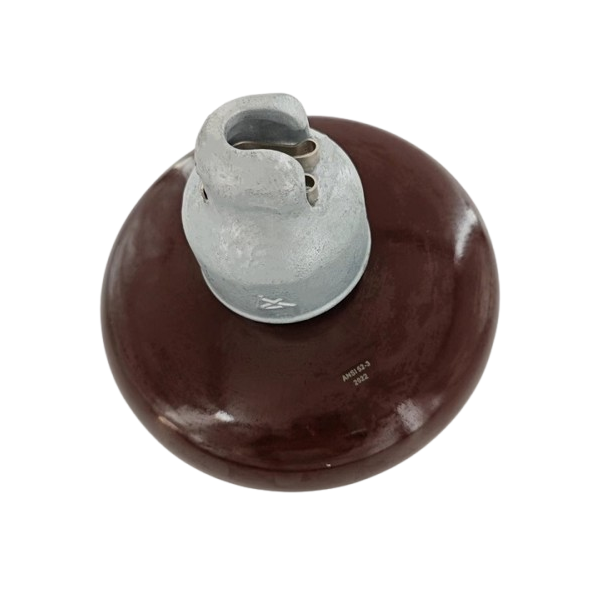
Choosing between porcelain and polymer insulators can feel like picking a favorite child—except the “kids” decide how often your power grid throws a tantrum in bad weather.
Compare real-world performance, costs, and reliability using this IEEE comparative study on porcelain and polymer insulators to make a clear, confident choice.
⚡ Material composition and structural differences between porcelain and polymer insulators
Porcelain and polymer insulators use very different base materials and sheds, which strongly affect strength, ageing, pollution performance, and cost over service life.
Understanding these structural differences helps grid designers choose between classic ceramic strings and lighter composite designs for new or refurbished transmission projects.
1. Core materials and manufacturing
Porcelain uses fired clay with glaze, while polymer units combine a fiberglass core with silicone or EPDM housing. This creates different failure modes and processing needs.
- Porcelain: dense ceramic body, glassy surface glaze
- Polymer: pultruded fiberglass rod, bonded polymer sheds
- Porcelain is brittle; polymer is flexible but can age from UV
2. Surface design and shed profile
Shed shape controls creepage distance and self‑cleaning. Porcelain sheds are cast or pressed; polymer sheds are molded with hydrophobic surfaces.
- Porcelain: rigid sheds, strong under compression
- Polymer: aerodynamic sheds, better water beading
- Optimized profiles reduce leakage current in polluted zones
3. Typical product forms and standards
Porcelain insulators are common as pin, suspension, and station types. Polymer units often appear as long‑rod or post insulators for compact lines.
| Type | Porcelain example | Polymer example |
|---|---|---|
| Suspension | High voltage suspension 70 kN electrical porcelain insulator U70B porcelain insulators | Composite long‑rod string |
| Pin | 10kV/15kV/20kV pin type porcelain insulator PW-22-Y high voltage insulator | Polymer pin/post insulator |
4. Mass, size, and handling implications
Porcelain units are heavier and smaller; polymer units are lighter but often longer for creepage. This changes tower design and logistics.
- Porcelain: high mass, high impact resistance, more labor to install
- Polymer: low weight, simplifies live‑line work
- Weight affects cross‑arm design and transport cost
🔧 Electrical performance: dielectric strength, leakage current, and flashover behavior comparison
Both porcelain and polymer insulators must provide strong dielectric strength, low leakage current, and controlled flashover under wet and polluted operating conditions.
Field data and lab tests help compare their behavior under dry, rain, and heavy contamination, guiding safe selection for specific voltage levels.
1. Dielectric strength and impulse behavior
Both materials provide high dielectric strength. Porcelain relies on its dense body, while polymer depends on the fiberglass core and housing integrity.
- Similar basic lightning and switching impulse withstand levels
- Porcelain failures are often sudden breaks
- Polymer failures often start as tracking or erosion
2. Leakage current and creepage distance
Polymer insulators show lower leakage current in pollution thanks to hydrophobic surfaces. Porcelain needs longer creepage and more cleaning.
| Condition | Porcelain leakage | Polymer leakage |
|---|---|---|
| Dry | Very low | Very low |
| Polluted wet | Higher, needs washing | Lower, hydrophobic surface |
3. Flashover and withstand margins
Flashover risk increases with contamination and wetting. Good shed design and sufficient creepage distance keep safety margins high for both technologies.
- Porcelain: stable performance, more sensitive to surface dirt
- Polymer: better behavior in salt and industrial zones
4. Performance under dynamic operating voltages
Under switching surges and harmonics, both insulators must avoid partial discharge and premature ageing to protect the grid from trips.
- Correct grading rings remain vital on EHV lines
- Quality control of core and end fittings is critical
🌧 Weathering resistance under pollution, UV exposure, and extreme temperature conditions
Outdoor insulators face continuous stress from pollution, sunlight, and temperature swings, which slowly change mechanical and electrical properties.
Porcelain shows strong chemical stability, while polymer relies on advanced formulations and housing designs to manage long‑term ageing.
1. Pollution and salt fog performance
Polymer hydrophobicity reduces wet pollution films. Porcelain often needs longer creepage, periodic washing, or RTV coating in coastal or industrial areas.
- Polymer: better in heavy salt and dust
- Porcelain: very stable but needs maintenance in harsh zones
2. UV and weather ageing
Porcelain glaze is highly UV resistant. Polymer housings need UV‑stabilized compounds and testing to prevent chalking, cracking, or loss of hydrophobicity.
3. Extreme temperature cycling
Both types withstand wide temperature ranges when well designed. Attention to sealing and end fittings avoids moisture ingress and frost damage.
| Feature | Porcelain | Polymer |
|---|---|---|
| Thermal shock | Excellent | Good with proper design |
| Seal sensitivity | Medium | High |
🛠 Mechanical strength, installation practices, and long‑term maintenance requirements
Porcelain insulators offer high compressive strength but are heavier, while polymer designs provide lighter weight and easier handling on new and existing lines.
Both require correct fittings, torque, and inspection to maintain safe mechanical performance over decades of service.
1. Mechanical ratings and impact resistance
Porcelain has high mechanical ratings but is brittle under impact. Polymer absorbs shocks better but depends on core quality and tight process control.
- Check SML and routine test data
- Protect porcelain from handling damage
2. Installation and line design
Lighter polymer strings can reduce tower size and ease live‑line work. Porcelain strings remain proven for retrofits and conservative designs.
| Aspect | Porcelain | Polymer |
|---|---|---|
| Weight | High | Low |
| Crew effort | Higher | Lower |
3. Inspection and maintenance practices
Porcelain generally needs surface cleaning in polluted areas, while polymer needs close visual checks for chalking, tracking, or shed damage.
- Use infrared and visual patrols for both types
- Plan washing cycles for severe environments
♻ Life‑cycle cost, reliability, and application recommendations favoring Huayao insulators
Life‑cycle cost depends on purchase price, installation, outages, and maintenance. Both porcelain and polymer can deliver high reliability when correctly specified.
Utilities should match insulator type and brand to local pollution, climate, and voltage level to reduce total ownership cost.
1. Life‑cycle cost comparison
Porcelain often has a lower initial cost and proven longevity, while polymer may cut tower and labor costs through lighter, compact designs.
- Evaluate washing, replacement, and outage costs
- Consider stock commonality across voltage levels
2. Reliability and failure modes
Quality porcelain and polymer products show low failure rates. Poor sealing, fake products, or bad fittings cause most early‑life issues.
| Failure type | Porcelain | Polymer |
|---|---|---|
| Mechanical break | Possible | Rare with good cores |
| Surface tracking | Less common | Key ageing risk |
3. Application guidance and Huayao recommendations
For high‑voltage lines needing robust performance and easy inspection, Huayao porcelain strings and pin types remain a safe, bankable choice.
- Use U70B strings for transmission suspension
- Use PW‑22‑Y for 10–20 kV distribution
- Consider 11 CTV 175 High voltage suspension 40 kN toughened glass insulator U40B glass insulators where glass diagnostics are preferred
Conclusion
Porcelain insulators provide proven mechanical and electrical reliability, especially where easy visual inspection and long, stable service are priorities.
Polymer solutions add advantages in weight and pollution performance. By comparing environment, voltage, and maintenance strategy, engineers can choose the best Huayao insulator mix for safe, cost‑effective networks.
Frequently Asked Questions about porcelain electrical insulators
1. How long do porcelain insulators typically last in service?
Well‑made porcelain insulators often exceed 30–40 years of service, and many remain reliable beyond 50 years when correctly installed and maintained in moderate environments.
2. Are porcelain insulators suitable for coastal or heavily polluted areas?
Yes, but they may require longer creepage distance, periodic washing, or RTV coating. In very severe pollution zones, some utilities favor polymer for lower leakage current.
3. How can I detect problems on porcelain strings in the field?
Inspect for cracks, broken sheds, glaze damage, flashover marks, and corrosion of metal parts. Use infrared and corona cameras on higher voltage lines.
4. When should porcelain be chosen instead of polymer?
Porcelain is preferred when proven long‑term experience, high thermal stability, and straightforward visual inspection are key, or where utilities follow conservative design rules.
5. What standards govern high‑voltage porcelain insulators?
Key standards include IEC 60383, IEC 60168, and related national standards. Quality manufacturers test mechanical, thermal, and electrical performance to these requirements.
 Privacy settings