

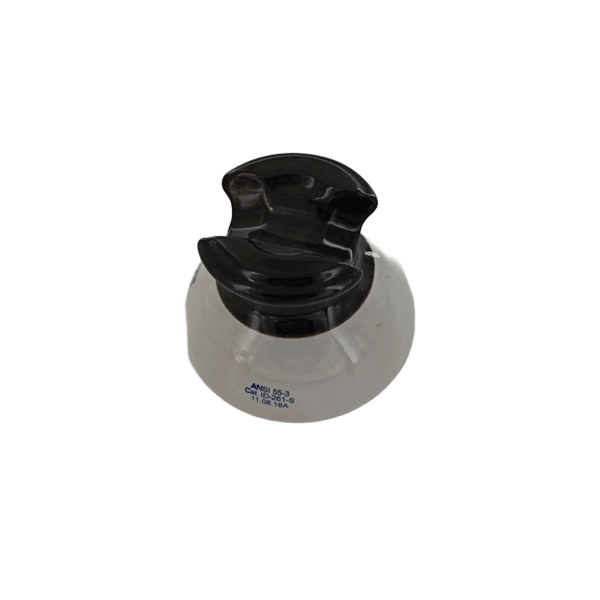
You’re trying to understand the porcelain insulator market, but every chart looks like abstract art and every forecast sounds like it was written by a very serious robot with a coffee addiction.
Relax—this outlook simplifies buyer trends, pricing, and regional demand using clear data and real forecasts, backed by insights similar to those in the Allied Market Research porcelain insulator report.
⚡ Global demand trends and growth drivers for porcelain insulator market 2026
The global porcelain insulator market is set for steady growth toward 2026, driven by grid expansion, renewable integration, and continuous investment in transmission and distribution upgrades.
Buyers focus on long service life, stable mechanical strength, and strong pollution performance, while preferring suppliers that offer reliable delivery and consistent quality control.
1. Grid modernization and transmission expansion
Utilities upgrade aging lines and build new corridors to cut losses and improve reliability. This fuels demand for higher strength porcelains with better contamination resistance.
- Replacement of legacy insulators in mature grids
- New HV and MV lines in emerging economies
- Higher safety and reliability standards
2. Integration of renewables by 2026
Wind and solar projects require robust insulation for collection systems and substations. Buyers seek compact, high-creepage designs for harsh outdoor sites.
- Onshore and offshore wind substations
- Solar farm connection lines
- Desert and coastal environments
3. Shift toward value-based purchasing
By 2026, buyers will focus more on total life-cycle cost instead of only unit price, pushing demand for premium porcelain designs with longer service records.
| Factor | Buyer Priority |
|---|---|
| Price | High |
| Service life | Very high |
| Lead time | Medium |
4. Growing preference for standard-compliant designs
ANSI and IEC standards remain central to purchase decisions. Products such as Pin type insulators for medium voltage ANSI 55-6 gain traction for predictable performance and easier approval.
- Global tender compliance
- Fast engineering validation
- Lower technical risk
🏭 Key application sectors shaping porcelain insulator specifications and performance needs
By 2026, utilities, railways, industrial users, and telecom operators will define most specification trends in the porcelain insulator market.
Each sector pushes unique mechanical, electrical, and environmental demands, which guide creepage distance, hardware design, and testing levels.
1. Power transmission and distribution utilities
Utilities require high mechanical strength, strong pollution performance, and easy replacement for line and substation applications across voltage classes.
- Pin, post, and suspension strings
- High mechanical load ratings
- Pollution-resistant profiles
2. Railway and metro electrification
Rail systems demand compact, vibration-resistant insulators suitable for tunnels, viaducts, and depots, with strict safety and reliability norms.
| Requirement | Impact on Design |
|---|---|
| Vibration | Robust hardware |
| Limited space | Compact profile |
| High uptime | Low failure rate |
3. Industrial and heavy-duty installations
Chemical plants, steel mills, and mining sites need corrosion-resistant porcelain with high mechanical strength and reliable sealing against moisture entry.
- High pollution environments
- Heavy mechanical loading
- Harsh temperature cycles
4. Data-backed sector demand outlook to 2026
Utilities remain the largest demand driver, while rail and industry show faster growth rates, supporting diversified porcelain insulator portfolios.
🌍 Regional market comparison: production capacities, trade flows, and policy impacts
Regional dynamics up to 2026 show Asia-Pacific as the main production hub, while North America and Europe focus on quality and compliance-driven imports.
1. Asia-Pacific as manufacturing core
China and India expand porcelain production capacity, with competitive pricing and strong export flows to Africa, Latin America, and the Middle East.
- Large-scale kilns and automation
- Cost-effective raw materials
- Export-focused logistics
2. Europe and North America standards and upgrades
These regions rely on imports for many items but emphasize certified suppliers, strict testing, and grid hardening against storms and fires.
| Region | Key Focus |
|---|---|
| Europe | Grid resilience, EN/IEC norms |
| North America | ANSI standards, storm hardening |
3. Emerging markets and electrification policies
Africa, Southeast Asia, and Latin America drive volume growth through rural electrification, mini-grids, and regional interconnection projects backed by public funding.
- More MV line build-out
- Government-backed tenders
- Strong demand for cost-effective designs
🔧 Technological upgrades in porcelain insulators and advantages of choosing Huayao solutions
Recent upgrades enhance mechanical strength, glaze performance, and quality control, helping utilities cut failure rates and maintenance costs through 2026.
1. Advanced porcelain formulations and glazes
Improved clay bodies and glaze chemistry deliver higher mechanical strength, better pollution resistance, and lower risk of surface tracking in harsh climates.
- Uniform microstructure
- Enhanced hydrophobic behavior
- Lower porosity
2. Design optimization for strain and stay applications
Modern stay and strain designs such as ANSI 54-2 PORCELAIN STAY INSULATORS, 54-2 GUY STRAIN INSULATORS provide stable performance in tension zones with compact geometry.
| Feature | Benefit |
|---|---|
| High M&E rating | Safe under line tension |
| Robust hardware | Secure field installation |
3. Huayao’s quality, testing, and portfolio depth
Huayao combines routine, type, and sample tests with flexible tooling to supply pin, stay, and Electric insulator ANSI 53-1 Spool porcelain insulator solutions for global buyers.
- ANSI and IEC compliance
- Custom markings and packing
- Stable export logistics
📊 Buyer insights: selection criteria, reliability expectations, and long-term partnership preferences
By 2026, buyers seek suppliers who mix competitive prices with high reliability, fast support, and transparent documentation across the full porcelain range.
1. Core technical and quality criteria
Buyers often rank mechanical load rating, creepage distance, material consistency, and test reports above purely commercial factors when evaluating porcelain insulator offers.
- Standard compliance certificates
- Traceable batch records
- Clear drawings and datasheets
2. Reliability and service expectations
Utilities expect low rejection rates, stable packing quality, and responsive technical support, especially for custom fittings or project-specific configurations.
| Expectation | Buyer View |
|---|---|
| Delivery reliability | Must-have |
| Technical service | High value |
| Failure response | Time-critical |
3. Long-term partnership and sourcing strategies
Many buyers prefer multi-year agreements with a limited number of qualified suppliers to secure consistent quality, better pricing, and streamlined project coordination.
- Vendor qualification programs
- Frame contracts and forecasts
- Joint product optimization
Conclusion
The porcelain insulator market toward 2026 shows steady growth as utilities, railways, and industry expand and upgrade their networks. Buyers now value proven designs, strong testing, and reliable supply chains.
Suppliers like Huayao that combine standard-compliant products, process control, and flexible service are positioned to support global grid reliability and long-term customer partnerships.
Frequently Asked Questions about porcelain insulator
1. What is a porcelain insulator used for?
A porcelain insulator supports and electrically isolates conductors in overhead lines and substations, preventing current from flowing to the pole, tower, or ground.
2. Why do many utilities still choose porcelain instead of composite?
Utilities value porcelain for its long service record, high mechanical strength, UV resistance, and predictable failure behavior, especially in harsh pollution or high-temperature areas.
3. How do buyers evaluate porcelain insulator quality?
They review mechanical and electrical ratings, creepage distance, glaze quality, test reports, manufacturing certifications, and references from previous grid or industrial projects.
4. Which standards are most important for porcelain insulators?
ANSI and IEC standards define main dimensions, test methods, and performance levels. Many tenders require full compliance plus type and routine test evidence.
5. What information should be provided when requesting a quotation?
Buyers should share voltage level, mechanical load, system pollution level, installation method, required standards, quantities, and delivery schedule to receive accurate, optimized offers.
 Privacy settings