

Picking a suspension glass insulator can feel like blindfolded shopping—too many shiny options, no idea which one won’t crack under pressure, and every catalog photo looks suspiciously perfect.
You solve this by matching voltage, pollution level, and mechanical load to tested standards, guided by IEC recommendations and expert reports like this one: IEEE Insulator Performance Study.
📌 Understanding Key Functions of Suspension Glass Insulators in Power Lines
Suspension glass insulators support conductors, provide safe insulation, and control arc paths. Choosing the right type improves reliability, limits outages, and lowers long‑term maintenance costs.
They work as modular units, so designers can adjust string length for different voltages and clearances while keeping weight and cost under control.
1. Mechanical Support for Conductors
Suspension strings carry line tension and conductor weight, including ice and wind loads. Glass units resist impact and allow easy visual detection of damage.
- High tensile capacity per disc
- Fast inspection from the ground
- Flexible for angle and dead‑end towers
2. Electrical Insulation and Safety
Each disc adds insulation strength. By combining discs, you match line voltage and safety margins while limiting flashover risk in storms and switching events.
| Voltage Level | Typical Disc Count |
|---|---|
| 33 kV | 3–4 |
| 66–110 kV | 6–8 |
| 220 kV+ | 12 or more |
3. Modularity and Easy Replacement
Single damaged glass discs can shatter visibly without failing the full string. Crews can replace only the affected unit to reduce outage time.
- Lower spare inventory
- Less climbing time
- Safer hot‑line maintenance
4. Coordination with Other Insulator Types
Suspension glass must work together with pin and strain insulators in one system. Matching ratings improves clearance and overall system safety.
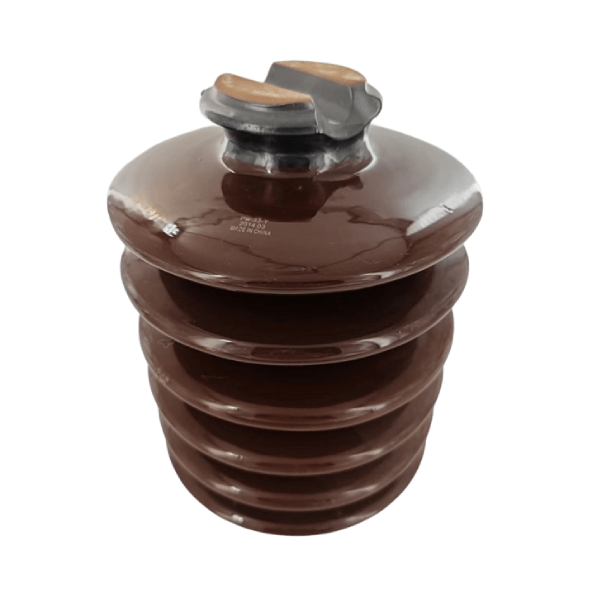
For example, a well‑designed line may combine suspension units with a 33kV pin type porcelain insulator PW-33-Y high voltage insulator on lightly loaded poles.
🔧 Factors Affecting Mechanical Strength and Tension Requirements for Insulator Selection
Mechanical design starts with line tension, span length, and wind or ice loads. Select disc strength and string configuration to keep a safe safety factor.
Engineers also consider tower type, angle deviation, and possible galloping or unbalanced loads after conductor breakage.
1. Line Tension and Span Length
Long spans and heavy conductors need higher mechanical ratings. You must check everyday tension, maximum wind tension, and broken‑wire conditions.
- Calculate worst‑case tension
- Apply national or utility safety factors
- Choose disc kN rating accordingly
2. Angle and Dead‑End Structures
At angles and dead‑ends, strings see combined vertical and horizontal forces. These points usually need stronger or double strings to stay safe.
| Location | Typical Requirement |
|---|---|
| Suspension tower | Single string |
| Angle tower | Reinforced string |
| Dead‑end tower | Double strings |
3. Sample Mechanical Rating Comparison
Use tested mechanical values when comparing product lines. The example below shows how rating choice changes with line duty.
4. Matching Porcelain and Glass Components
Where lines use both glass and porcelain, match mechanical classes. Products like the High voltage suspension 70 kN electrical porcelain insulator 52-4 porcelain insulators help standardize strength levels across structures.
🌦️ Considering Environmental Conditions: Pollution, Humidity, and Temperature Impacts
Environment strongly affects insulator choice. You must adapt shed profile, leakage distance, and hardware to site pollution, moisture, and temperature extremes.
Ignoring these factors can lead to flashover, faster aging, and more cleaning or replacement work.
1. Pollution Level and Deposit Type
Industrial dust, salt spray, and desert sand each demand specific profiles and creepage distances to avoid flashover during wetting events.
- Industrial zones: smoke, soot, conductive dust
- Coastal lines: salt fog and spray
- Desert areas: sand and fine dust storms
2. Humidity, Fog, and Rain
Moisture dissolves pollution and forms conductive films. Deep sheds and longer leakage paths reduce leakage current under fog and light rain.
| Condition | Design Action |
|---|---|
| Frequent fog | Increase creepage distance |
| Heavy rain | Use hydrophobic profiles |
| Dew cycles | Improve surface cleaning |
3. Temperature Range and Thermal Cycling
Large daily and seasonal temperature swings cause stress. Glass units with strong seals and metal fittings keep performance stable over time.
- Check minimum and maximum site temperatures
- Confirm seal and metal compatibility
- Review test reports for thermal cycling
🧪 Evaluating Electrical Performance: Creepage Distance and Flashover Voltage Criteria
Electrical performance depends on creepage distance, dry and wet flashover voltage, and switching surge strength across the full insulator string.
Correct selection keeps leakage current low and prevents pollution and lightning flashover in harsh weather.
1. Required Creepage Distance per kV
Standards give minimum creepage per kV for each pollution class. Designers often add a safety margin to reduce cleaning cycles and outages.
| Pollution Class | Typical Creepage (mm/kV) |
|---|---|
| Light | 16–20 |
| Medium | 20–25 |
| Heavy | 25–31 |
2. Dry and Wet Flashover Voltage
Dry flashover shows basic insulation level, while wet flashover simulates rain or fog. Both values must exceed operating and surge levels with margin.
- Compare phase‑to‑ground voltage to flashover levels
- Check wet tests for polluted areas
- Verify coordination with surge arresters
3. Impulse and Switching Performance
Lightning and switching surges create steep impulses. Insulator strings must coordinate with substation insulation and line arresters to limit outages.
- Review basic lightning impulse level
- Check switching impulse strength for EHV
- Use grading rings where needed
🏭 Why Huayao Suspension Glass Insulators Suit Complex Transmission Projects
Huayao offers tested suspension glass solutions that balance mechanical strength, electrical insulation, and long life in demanding transmission environments.
With broad product lines, you can match pollution level, voltage class, and tower type while keeping maintenance simple and predictable.
1. Proven Mechanical and Electrical Ratings
Each product meets strict standards for tensile strength, impact resistance, and flashover voltage. This supports reliable service under high tension and severe storms.
- High kN ratings for heavy spans
- Robust hardware and metal fittings
- Type tests and routine quality checks
2. Integration with Porcelain and Strain Insulators
Huayao ranges include stay and strain porcelain units. You can build unified designs using products like ANSI 54-1 PORCELAIN STAY INSULATORS, 54-1 GUY STRAIN INSULATORS for guying and dead‑end applications.
3. Support for Customized Line Designs
Engineers receive help with selecting disc numbers, creepage distance, and hardware for each span type, voltage class, and local environment.
- Options for coastal and industrial pollution
- Strings for angle, suspension, and dead‑end towers
- Technical guidance for retrofits and upgrades
Conclusion
Choosing the right suspension glass insulator type means balancing mechanical strength, environmental stress, and electrical performance. Proper design improves safety, limits flashover, and extends line service life.
By matching creepage distance, kN rating, and pollution class, and by using proven products, you reduce maintenance costs and keep power systems stable and efficient.
Frequently Asked Questions about suspension glass insulator
1. How do I decide how many suspension glass discs I need?
Start from line voltage and pollution level. Then apply standards for minimum creepage distance and flashover strength, adding discs until you meet required margins.
2. When should I choose glass instead of porcelain?
Use glass when you want easy visual damage detection, strong mechanical performance, and stable long‑term behavior in cold or polluted conditions.
3. Do suspension glass insulators need regular washing?
In light pollution areas, natural rain often keeps them clean. In heavy industrial or coastal zones, plan periodic washing or select higher creepage designs.
 Privacy settings