

Buying insulators can feel like gambling with your budget and grid reliability—one wrong pick, and you’re stuck with costly outages, mystery failures, and a finance team that watches every bolt like it’s made of gold.
You can shrink those risks by comparing lifecycle costs, failure rates, and maintenance needs of fiberglass suspension insulators using data‑driven studies, such as the CIGRÉ performance report on composite insulators: read the report here.
🔹 Life-cycle cost comparison with traditional ceramic and composite insulators
Fiber glass suspension insulators often deliver lower total lifetime costs than ceramic and some composite units. They reduce line weight, ease installation, and cut unplanned outages.
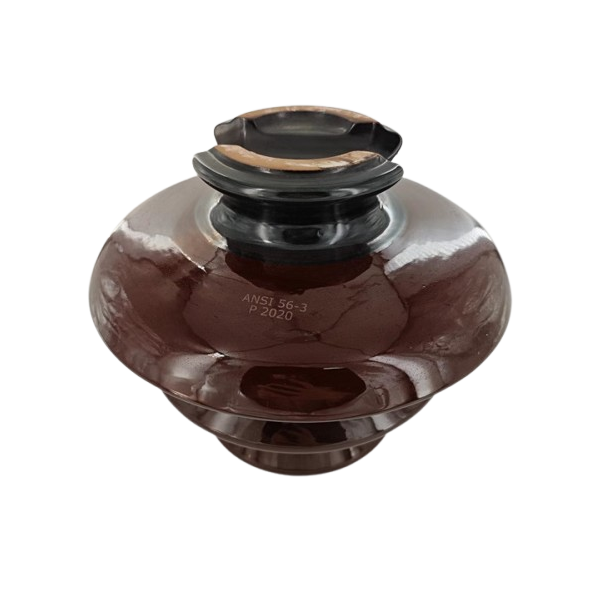
When combined with optimized fittings and compatible products like Pin type insulators for high voltage ANSI 56-5, utilities can standardize designs and minimize inventory, engineering, and maintenance expenses.
1. Initial purchase and installation cost
While unit prices may be comparable, fiber glass suspension insulators reduce tower strength needs, crane time, and labor hours, especially on long-span or difficult terrain transmission corridors.
- Lighter strings allow smaller hardware and easier handling.
- Faster assembly shortens outages during line upgrades.
- Less steel and concrete can be used in tower design.
2. Inspection and maintenance cost
Hydrophobic housings and sealed cores reduce routine washing and detailed inspections. Crews can focus on critical spans and fault-prone locations instead.
- Longer inspection intervals in clean or moderate climates.
- Lower need for live-line washing campaigns.
- Simple visual checks detect most surface issues.
3. Failure risk and outage cost
Compared with brittle ceramic units, fiber glass suspension insulators show better impact resistance and lower shattering risk, which directly cuts outage-related costs.
| Type | Typical Failure Mode | Outage Impact |
|---|---|---|
| Ceramic | Cracking, shattering | High, often sudden |
| Composite | Housing erosion | Medium, gradual |
| Fiber glass suspension | End fitting or seal damage | Low, usually detectable |
4. Salvage, replacement, and upgrade cost
Standardized string designs make replacement of fiber glass insulators quick and predictable. Crews often reuse hardware and optimize logistics across entire line sections.
- Easy integration with existing fittings.
- Lower disposal volume than bulky ceramic strings.
- Flexible for uprating projects and reconductoring.
🔹 Impact of material properties on long-term cost performance and reliability
Core strength, housing material, and end fitting design strongly affect leakage current, flashover rates, and overall service life of fiber glass suspension insulators.
By choosing high-grade resins and robust metal end fittings, utilities can cut repair work, manage pollution flashovers, and ensure long-term grid stability.
1. Mechanical strength and safety margin
The fiber glass core delivers high tensile strength and low creep. This supports heavy conductors and ice loads while keeping long-term safety margins stable.
| Parameter | Fiber Glass | Ceramic |
|---|---|---|
| Tensile strength | High | Medium |
| Creep | Low | Low–Medium |
2. Electrical performance and leakage control
Hydrophobic housings, shed design, and tracking-resistant materials limit leakage current. This reduces flashover risk in coastal, industrial, and high-humidity regions.
- Better pollution performance lowers washing needs.
- Stable creepage distance supports higher system voltages.
- Reduced corona losses protect nearby assets.
3. Resistance to UV, moisture, and chemicals
Advanced resins and coatings protect the core from UV and moisture. Strong chemical resistance limits aging in salt fog, desert, and industrial emissions.
- Slower degradation extends replacement intervals.
- Lower risk of stress corrosion cracking.
- Improved reliability in mixed-pollution environments.
4. Simple data-driven evaluation for planners
Engineers can visualize cost and reliability using basic data and charts. For example, the script below compares annual failure cost for three insulator types.
🔹 Role of design optimization in reducing maintenance costs for transmission lines
Good insulator string design cuts inspection time, simplifies replacement, and improves safety. Fiber glass suspension designs support lighter, more efficient transmission structures.
By adjusting shed profile, string length, and hardware selection, planners can meet electrical and mechanical needs with fewer line visits.
1. Optimized string length and creepage distance
Matching creepage distance to pollution level avoids both overdesign and underdesign. This balances initial cost with long-term washing and replacement costs.
- Use site pollution maps when defining creepage.
- Limit excessive string length that raises tower height.
2. Hardware compatibility and standardization
Using common end fittings, tower attachments, and accessories across voltage levels lowers spare parts and training needs for maintenance teams.
| Design Choice | Maintenance Benefit |
|---|---|
| Standard clevis eyes | Faster replacement on any tower |
| Shared tools | Lower training and tool inventory |
3. Integration with related insulator types
Combining suspension units with products such as Pin type insulators for medium voltage ANSI 55-3 simplifies design from substation exit to distribution lines.
- Unified insulation coordination studies.
- Consistent stocking and handling methods.
🔹 Environmental and climatic influences on aging, failures, and economic losses
Climate, altitude, and pollution levels strongly influence insulator aging. Fiber glass suspension designs help cut flashover, breakage, and related revenue losses.
Proper material and shed selection can limit storm-related failures and keep repair budgets stable.
1. Pollution, salt, and industrial emissions
Salt fog and dust deposits raise surface conductivity. Hydrophobic housings and self-cleaning shed profiles lower the need for manual or robotic washing.
- Use longer creepage in coastal areas.
- Plan cleaning cycles based on pollution data.
2. Temperature extremes and ice loading
Fiber glass cores maintain strength over wide temperature ranges. Good mechanical design resists ice and wind loads with fewer structural reinforcements.
| Condition | Key Design Focus |
|---|---|
| Heavy ice | Tensile strength, spacer placement |
| High heat | UV stability, hardware expansion |
3. Storms, lightning, and outages
High dielectric strength and controlled field grading reduce lightning-related flashover. This limits emergency repairs and long outages that damage utility revenues.
- Coordinate with surge arresters and shield wires.
- Use proper arcing distances at line terminals.
🔹 Application cases using Huayao fiberglass suspension insulators for cost savings
Huayao fiberglass suspension insulators support lower life-cycle costs in varied projects, from new lines to refurbishment of aging ceramic installations.
They also integrate well with products like the Electric insulator ANSI 53-1 Spool porcelain insulator in distribution and substation areas.
1. Long-span transmission upgrades
Utilities replacing heavy ceramic strings on river crossings used Huayao fiberglass units to reduce tower stress, crane time, and outage windows.
- Fewer structure reinforcements required.
- Improved clearances under maximum sag.
2. Coastal and industrial corridor projects
In polluted coastal regions, Huayao designs with long creepage and hydrophobic housings cut washing events, improving availability and lowering annual maintenance costs.
| Metric | Before | After |
|---|---|---|
| Washing cycles/year | 4 | 1–2 |
3. Mixed-voltage networks and standardization
Operators standardize from EHV down to MV by pairing Huayao suspension strings with matching pin and spool designs, streamlining training and stores management.
- Less time spent finding compatible parts.
- Faster fault recovery across the grid.
Conclusion
Fiber glass suspension insulators offer strong mechanical strength, good electrical performance, and low life-cycle costs. They help utilities reduce washing, outages, and emergency repairs across many climates.
By choosing well-designed products and matching them with related pin and spool insulators, grid owners can improve reliability while controlling long-term capital and operating budgets.
Frequently Asked Questions about fiber glass suspension insulator
1. How long do fiber glass suspension insulators typically last?
With proper design and correct selection for climate and pollution, service life often exceeds 30 years, provided inspections and basic line maintenance are done on schedule.
2. Are fiber glass suspension insulators safe to use in heavily polluted areas?
Yes. When you choose enough creepage distance and hydrophobic housings, they perform very well in coastal, industrial, and desert pollution environments.
3. Can fiber glass suspension insulators replace existing ceramic strings directly?
In many cases, yes. Engineers check mechanical ratings, hardware compatibility, and creepage needs, then install fiberglass strings using existing towers and conductors.
4. Do they require special inspection tools or methods?
Most checks are visual, supported by occasional infrared or corona scans on critical lines. You do not usually need complex or unique tools.
5. How do fiber glass suspension insulators affect overall project cost?
They may have similar purchase prices but reduce tower size, installation time, washing, and outage costs, which often leads to lower total project and life-cycle cost.
 Privacy settings