

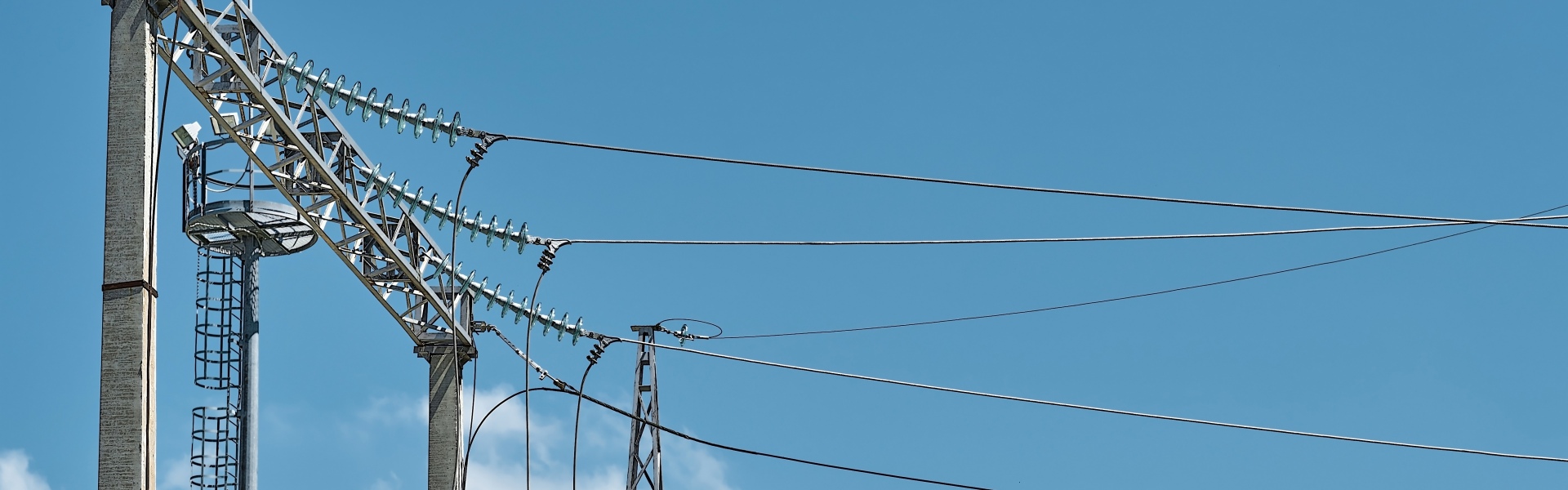

Manufacturer of Glass Insulators for Transmission Lines
Short Description:
 Phone
Phone
 whatsapp
 Email
Email
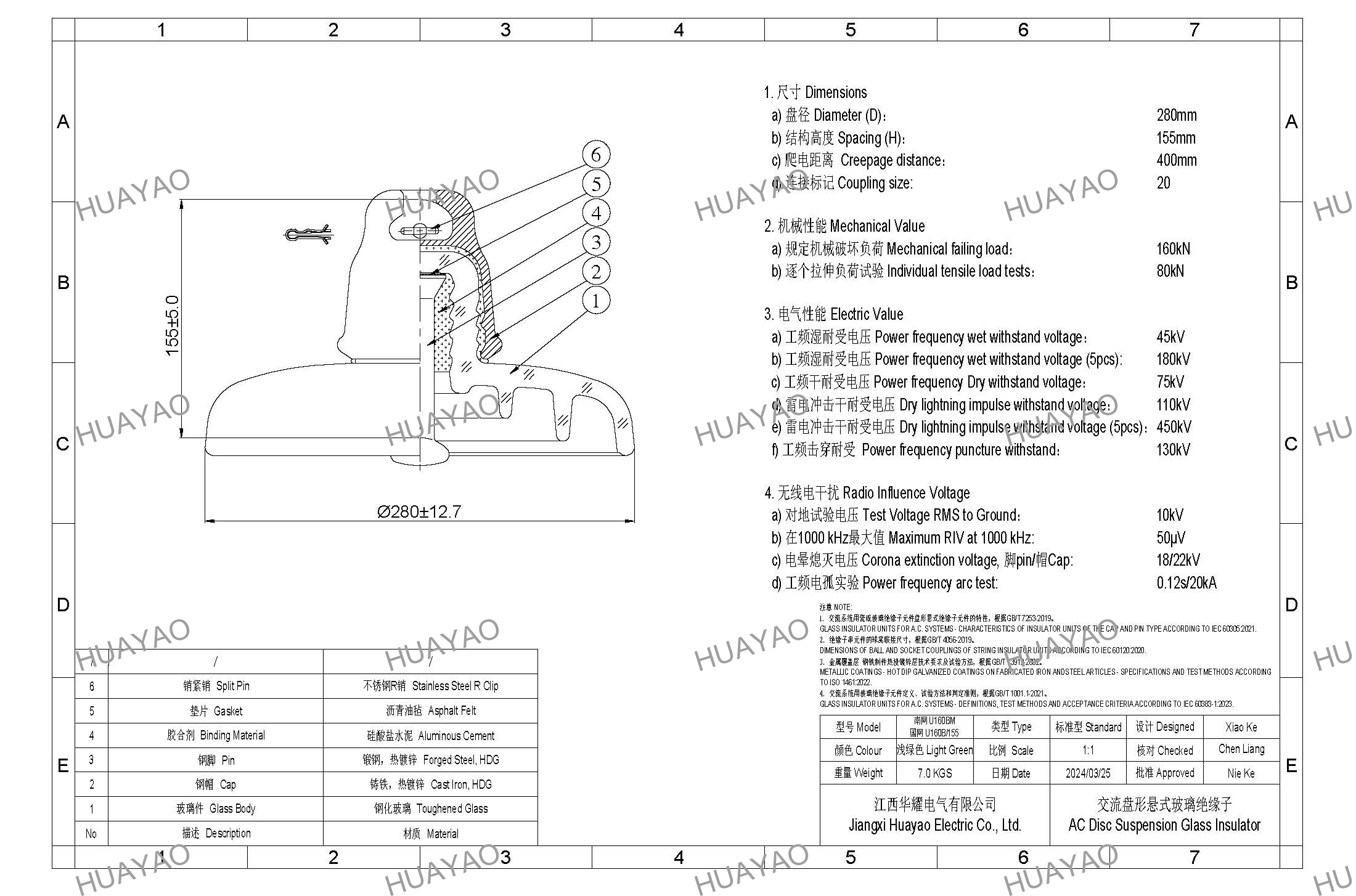
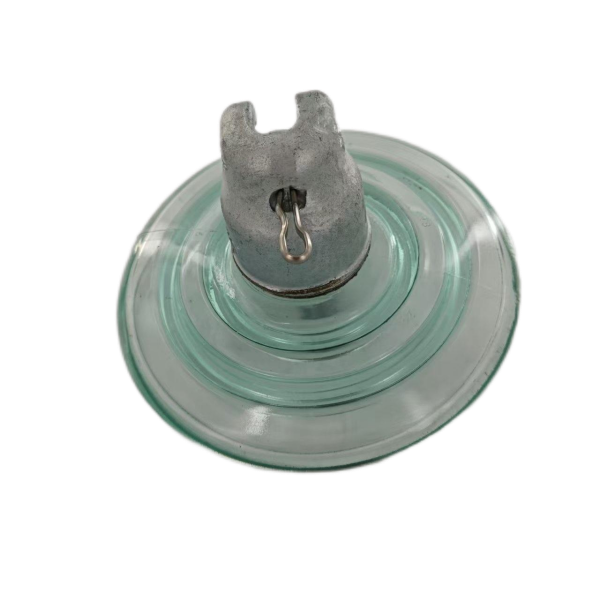
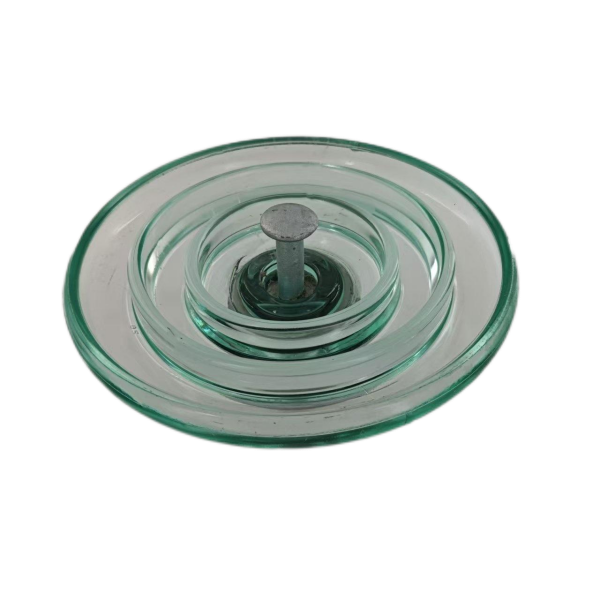
Product Main Parameters
| Model Number | IEC Type | Diameter D (mm) | Spacing H (mm) | Creepage Distance L(mm) | Mechanical Failing Load (kN) |
|---|---|---|---|---|---|
| U160B/155 | Standard | 280 | 155 | 450 | 160 |
Common Product Specifications
| Rated Voltage | Weight | Color | Material |
|---|---|---|---|
| 33kV | 6.3 kg | Jade Green | Fiberglass |
Product Manufacturing Process
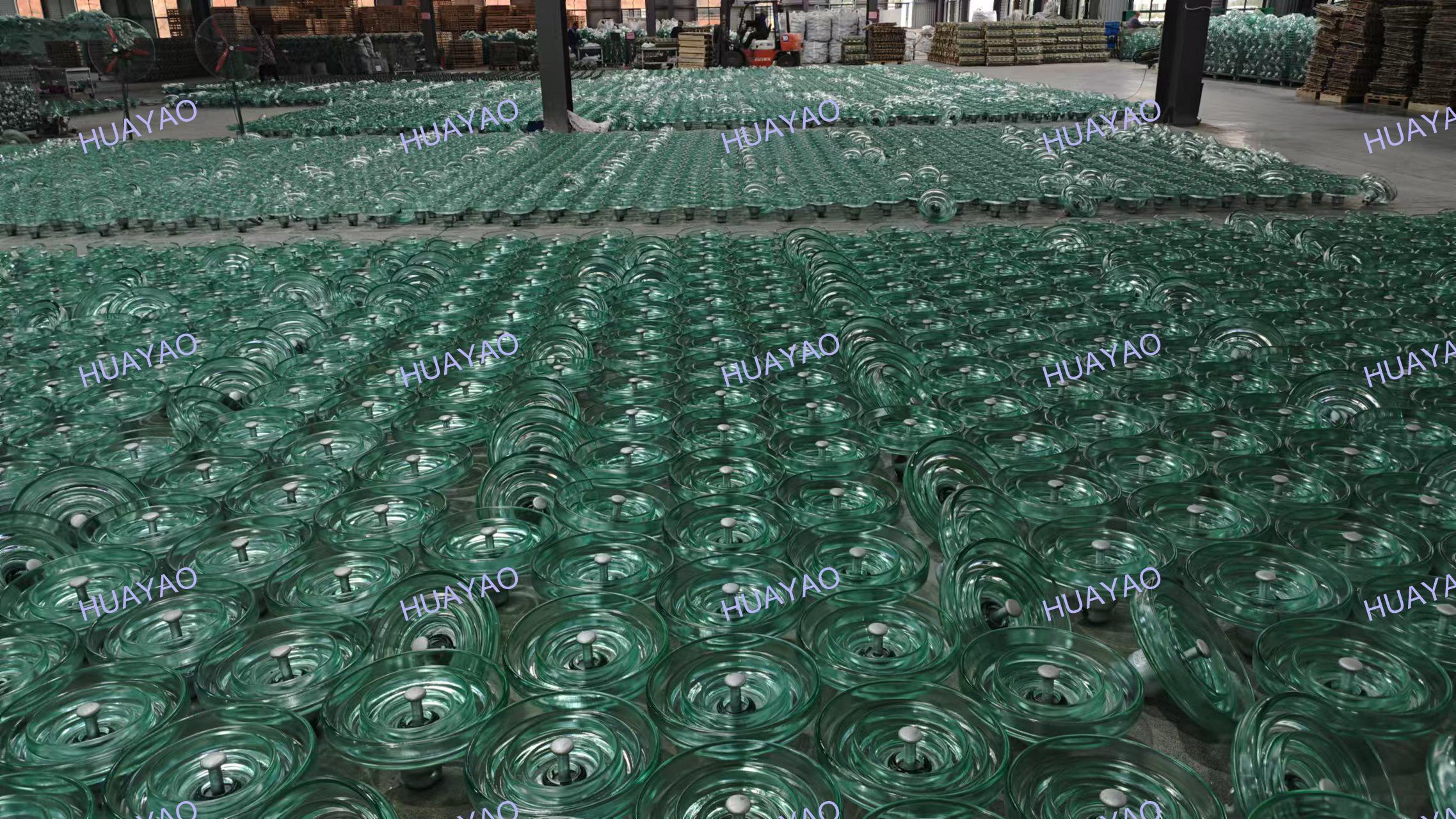
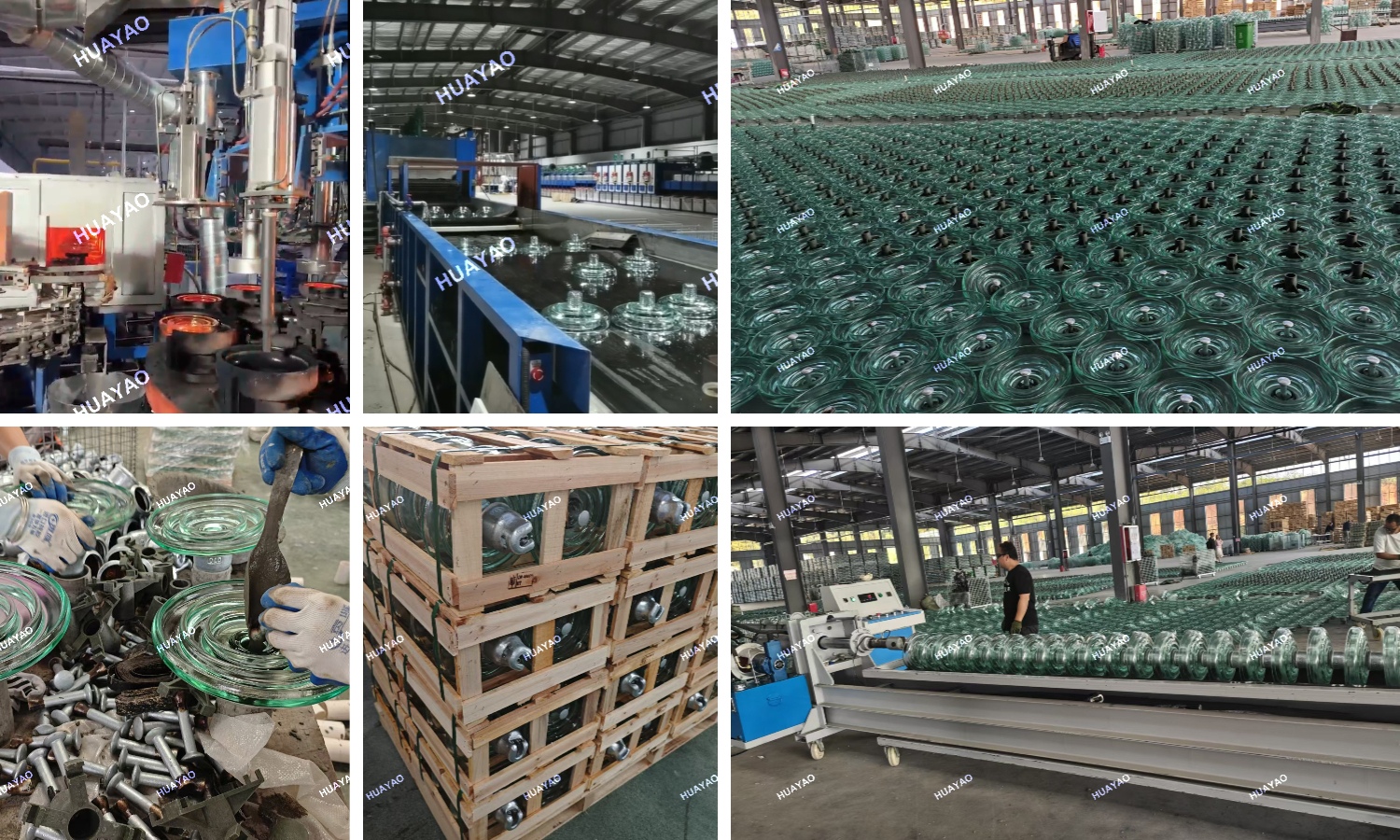
The manufacturing of glass insulators involves a sophisticated process that begins with the selection of high-quality raw materials. The materials are melted in natural gas electric melting glass insulator kilns. The molten glass is then formed into shape, followed by uniform tempering to enhance durability. Advanced tempering techniques are employed to improve the glass’s structural integrity, ensuring long-lasting performance.
Product Application Scenarios
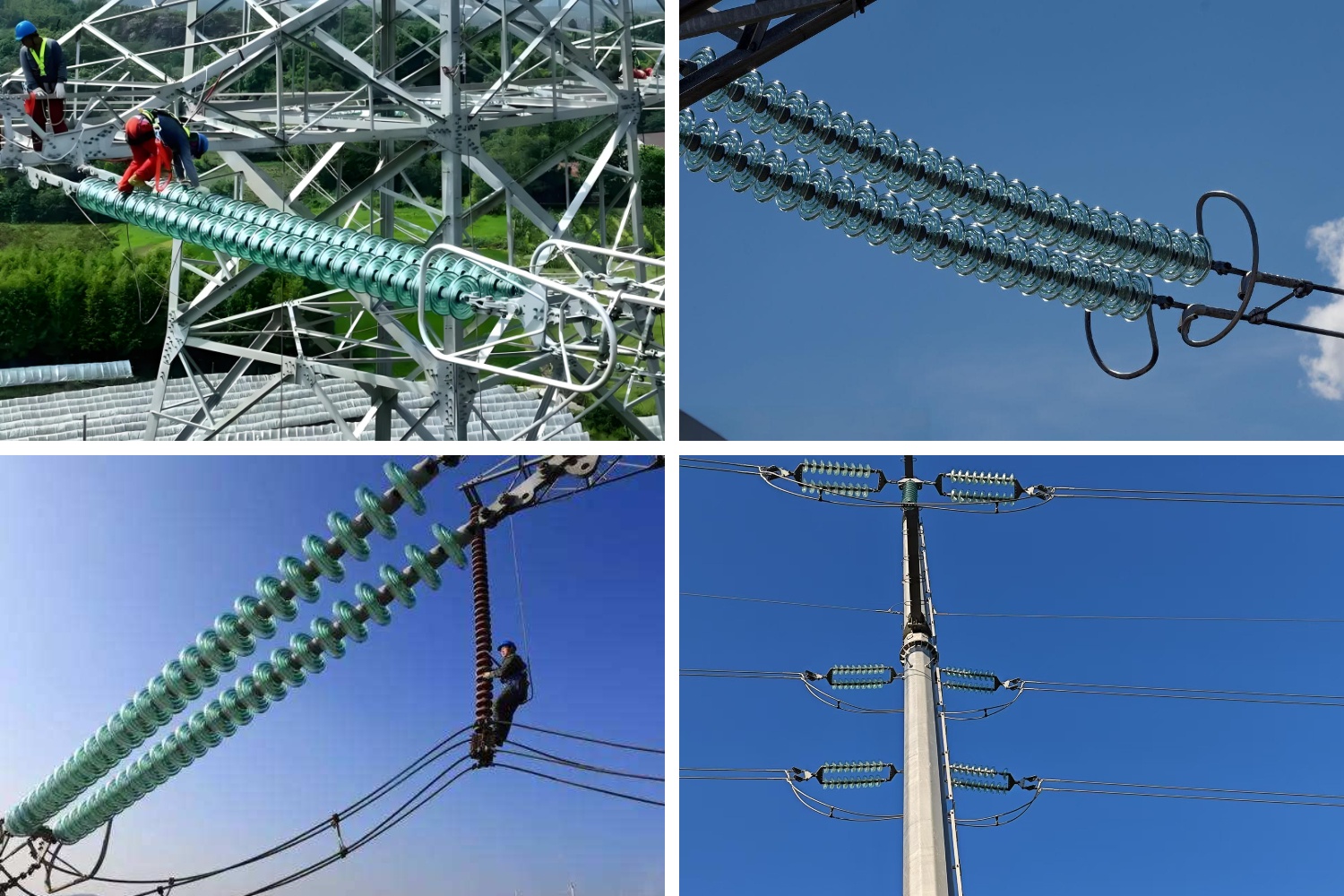
Glass insulators, particularly in transmission lines, play a critical role in ensuring the efficiency and safety of power delivery. They are used extensively in high voltage and ultra-high voltage lines, safeguarding against electrical faults and maintaining system stability. In regions prone to extreme weather, glass insulators are favored for their excellent dielectric properties and weather resistance.
Product After-Sales Service
- 24/7 Customer support available
- Easy return and refund policy
- Technical assistance for installation and maintenance
Product Transportation
Our products are carefully packaged in wooden cases and shipped on pallets to ensure safe transport to your location. We partner with reliable logistics providers for timely delivery.
Product Advantages
- Durability: Made from high-quality materials ensuring long service life.
- Efficiency: Excellent dielectric properties maintain electrical integrity.
- Cost-Effectiveness: Competitive pricing directly from the manufacturer.
Product FAQ
- Q1: What warranties are offered?
A1: As a manufacturer, we provide a standard one-year warranty covering manufacturing defects in our glass insulators for transmission applications. - Q2: Are custom orders possible?
A2: Yes, we accommodate custom specifications to meet unique transmission system requirements. - Q3: How do glass insulators compare to other materials?
A3: Glass insulators provide superior dielectric properties and are less susceptible to corrosion compared to porcelain and polymer options. - Q4: Can they withstand extreme weather?
A4: Yes, glass insulators are designed to resist UV radiation, temperature fluctuations, and precipitation. - Q5: Is there any maintenance required?
A5: Minimal maintenance is needed; periodic inspections are recommended to ensure optimal performance. - Q6: How are the insulators tested?
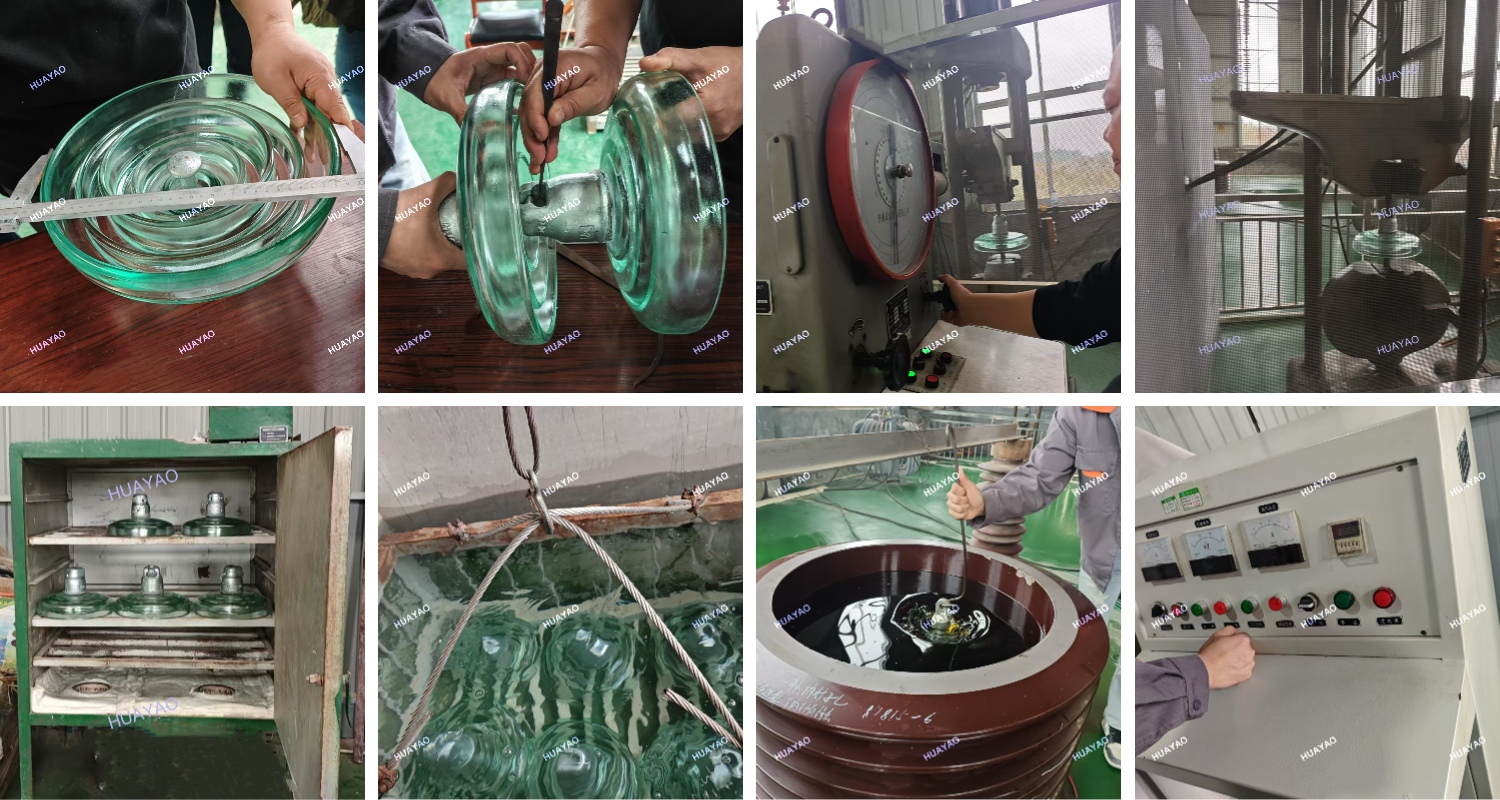
A6: Our products undergo rigorous testing as per IEC standards to guarantee quality and reliability. - Q7: What is the lead time for orders?
A7: Typically, the lead time is 2-4 weeks depending on the order size and location. - Q8: Do you offer bulk discounts?
A8: Yes, bulk purchases are eligible for discounts; contact our sales team for more information. - Q9: What certifications do you hold?
A9: We are certified by ISO9001 and comply with international standards for glass insulators. - Q10: Can you provide documentation for installation?
A10: Yes, installation manuals and technical support are available upon request.
Product Hot Topics
- Topic 1: Glass Insulators vs. Porcelain Insulators
Comparing the durability and efficiency of glass insulators against porcelain, manufacturers often highlight the distinct advantages of glass in transmission systems. - Topic 2: The Role of Glass Insulators in Modern Transmission
Manufacturers continuously innovate to improve the performance of glass insulators in harsh environmental conditions, making them vital in modern electrical networks. - Topic 3: Sustainability and Glass Insulators
As a manufacturer focused on sustainability, glass insulators offer environmental benefits due to their recyclability and lesser energy consumption during production. - Topic 4: Technological Advancements in Glass Insulator Manufacturing
Manufacturers adopt advanced techniques like cold and hot shock lines to enhance the performance of glass insulators in transmission systems. - Topic 5: Historical Significance of Glass Insulators
Once predominant in transmission lines, the historical and technical evolution of glass insulators remains a fascinating subject for manufacturers and industry experts alike. - Topic 6: Vandalism Resistance in Glass Insulators
Manufacturers emphasize the inherent vandalism resistance of glass insulators, making them less appealing targets for vandalism compared to other insulator types. - Topic 7: Exploring the Aesthetic Appeal of Glass Insulators
Beyond their functional use, glass insulators are prized by collectors and manufacturers for their unique aesthetic appeal and historical value. - Topic 8: Future Prospects of Glass Insulators
As a progressive manufacturer, the future of glass insulators in transmission lines sees a blend of tradition and innovation, catering to evolving energy needs. - Topic 9: Global Market Demand for Glass Insulators
Manufacturers report robust demand across global markets, indicating a sustained preference for glass insulators in transmission applications. - Topic 10: Challenges Faced by Glass Insulator Manufacturers
Despite the advantages, manufacturers encounter challenges such as competition from polymers and evolving technical standards in global markets.
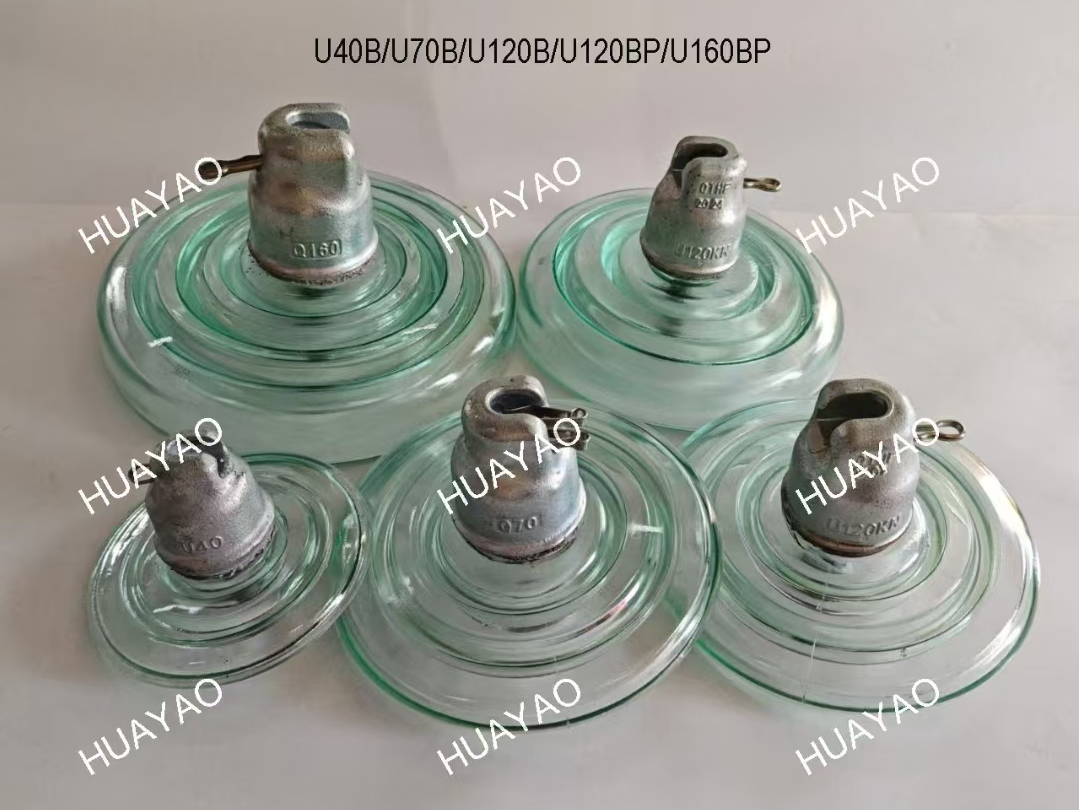
Image Description


 Privacy settings