

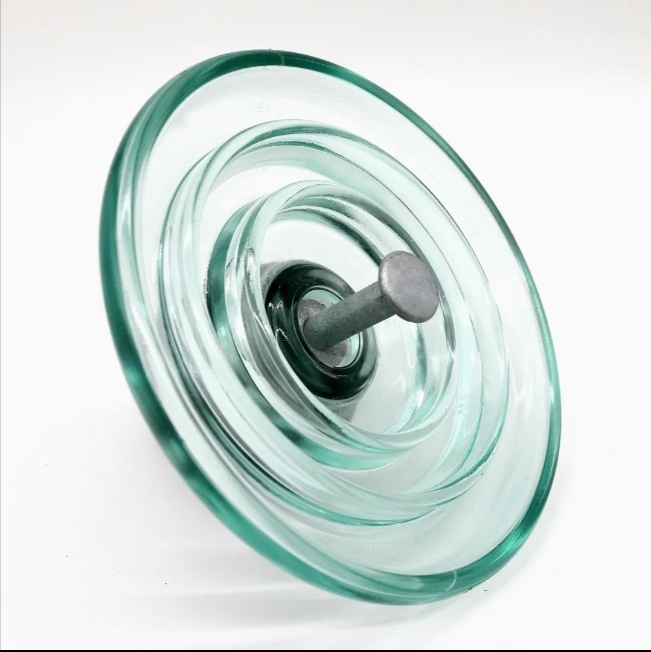
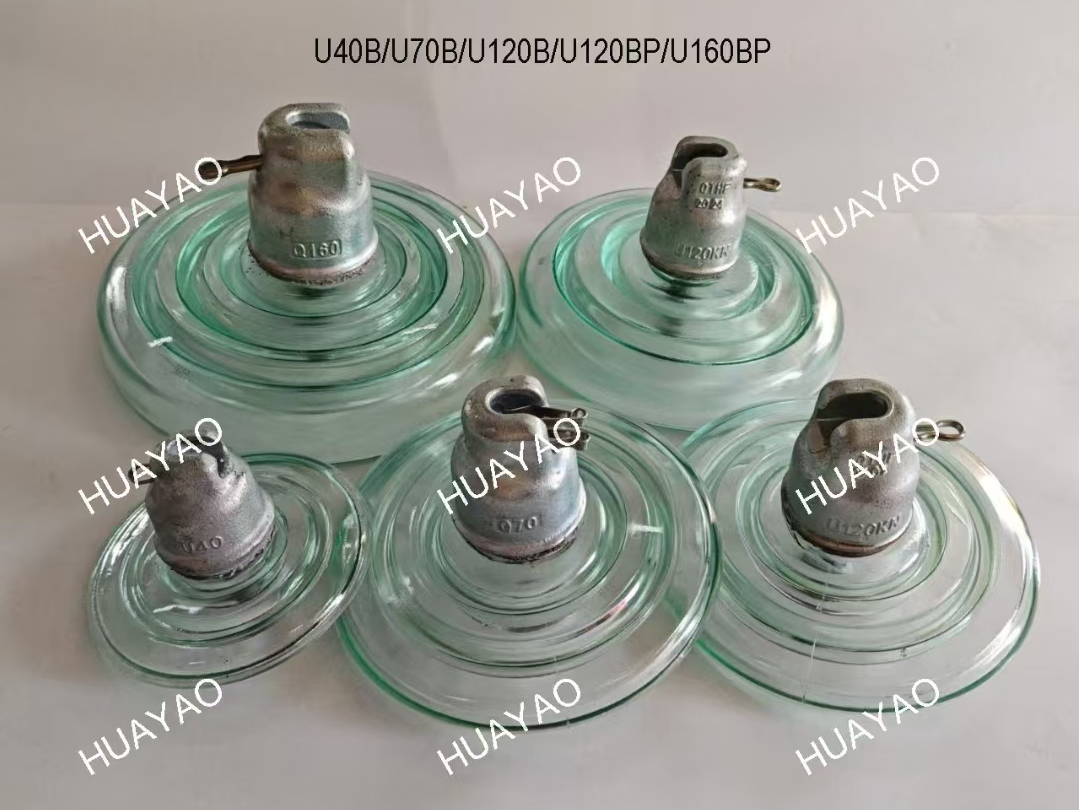
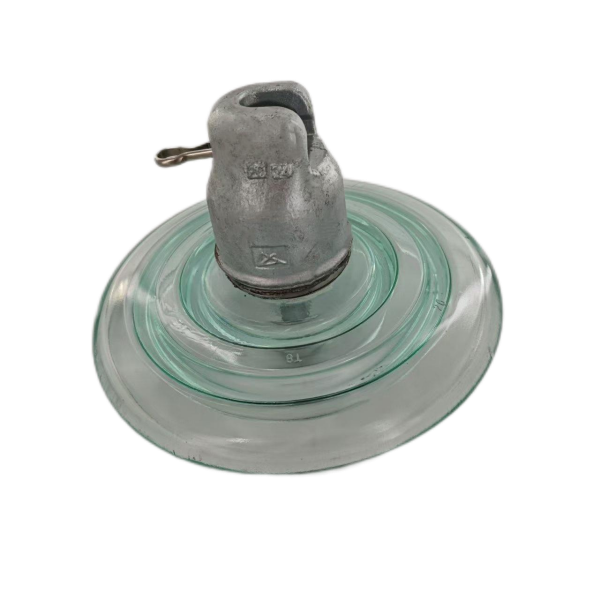
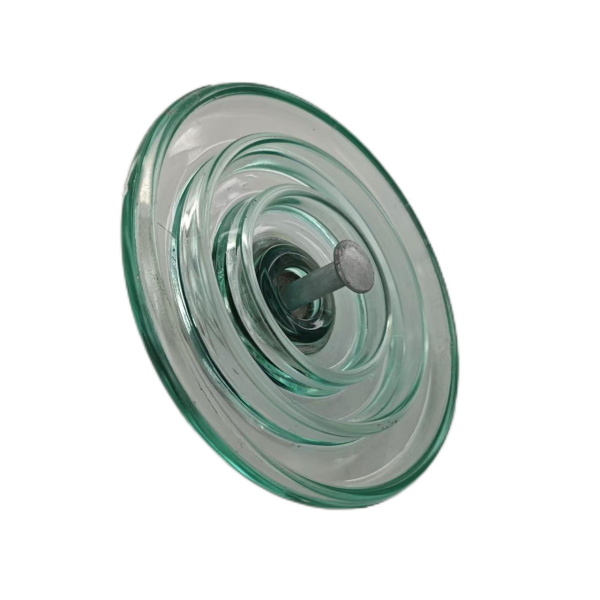
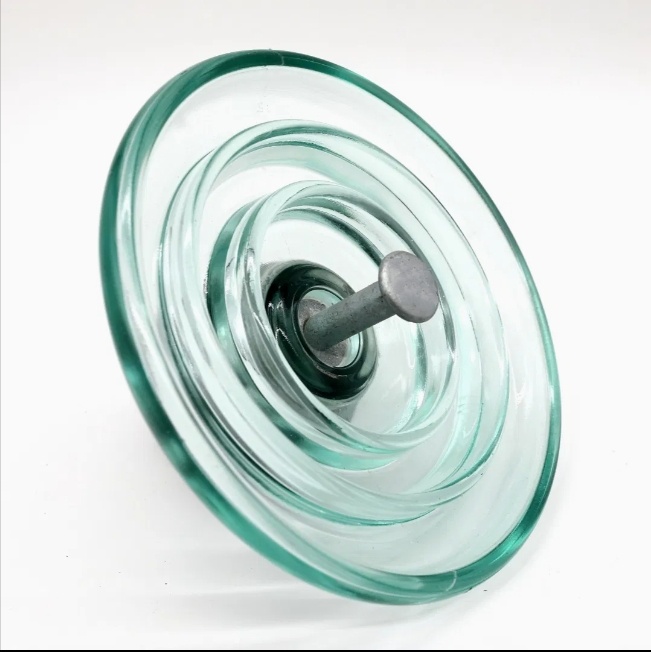
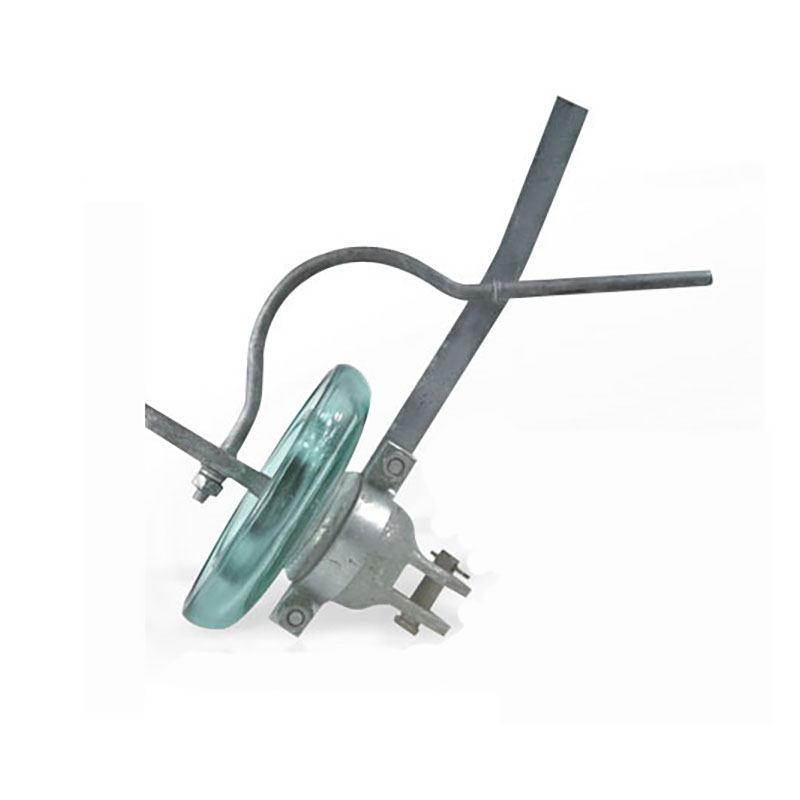
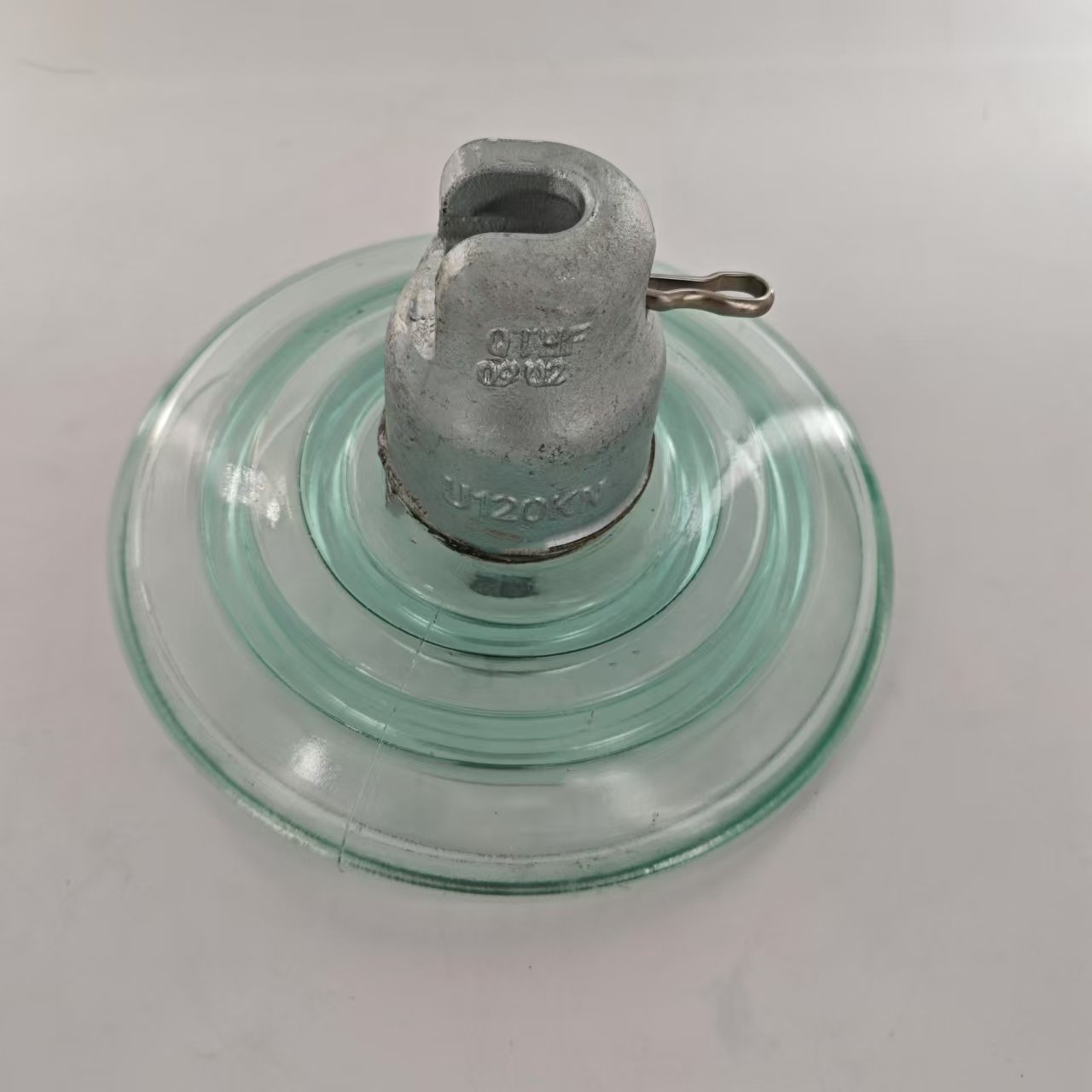
China Glass Insulator Transmission Line U160BL 160kN
Short Description:
 Phone
Phone
 whatsapp
 Email
Email
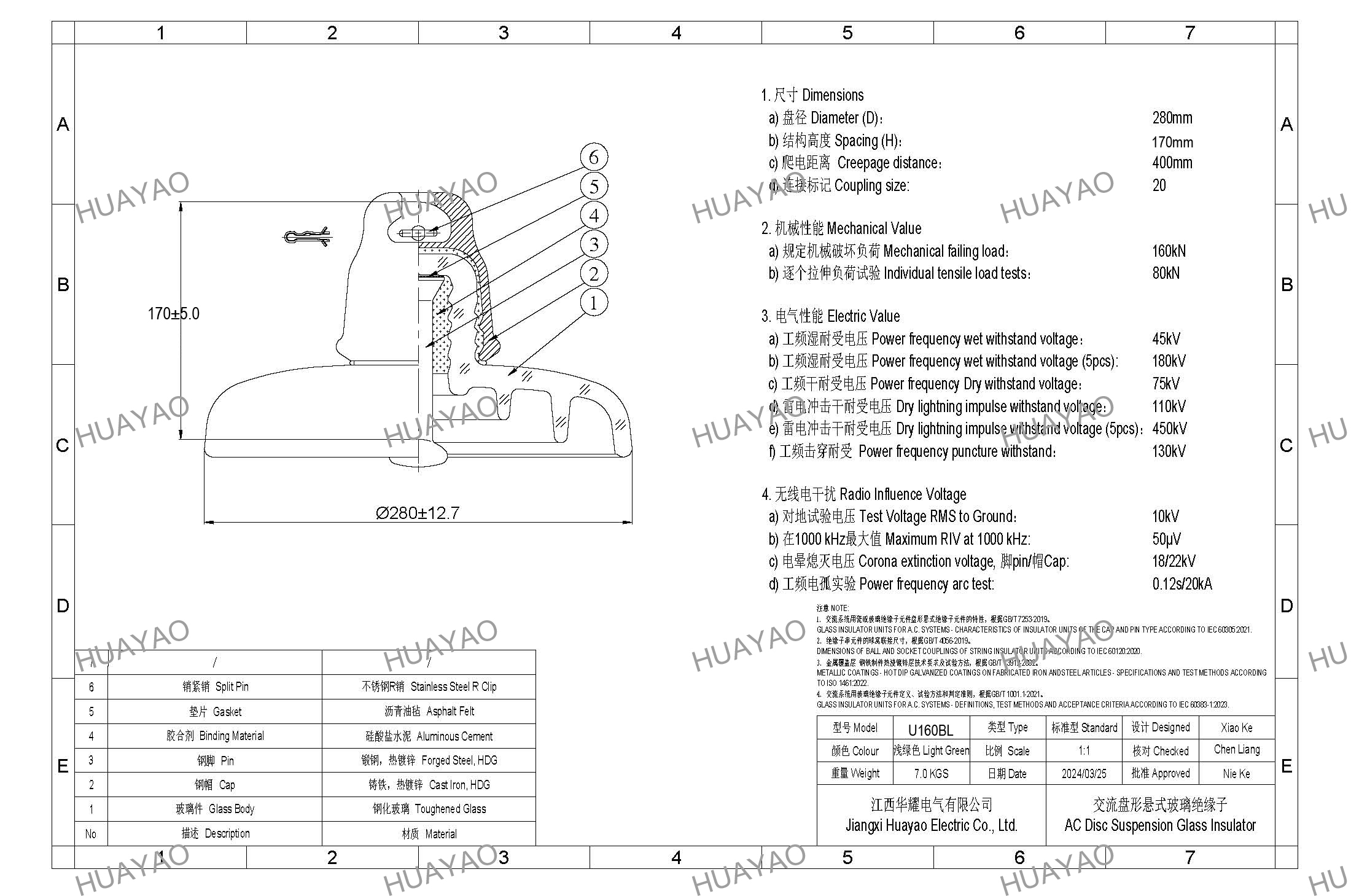
Product Main Parameters
| Property | Value |
|---|---|
| Mechanical Failing Load | 160 kN |
| Power Frequency Withstand Voltage (Dry) | 75 kV |
| Power Frequency Withstand Voltage (Wet) | 45 kV |
| Impulse Withstand Voltage | 110 kV |
| Material | Fiberglass |
Common Product Specifications
| Specification | Detail |
|---|---|
| Net Weight | 6.5 kg |
| Diameter | 280 mm |
| Spacing | 170 mm |
| Creepage Distance | 400 mm |
Product Manufacturing Process
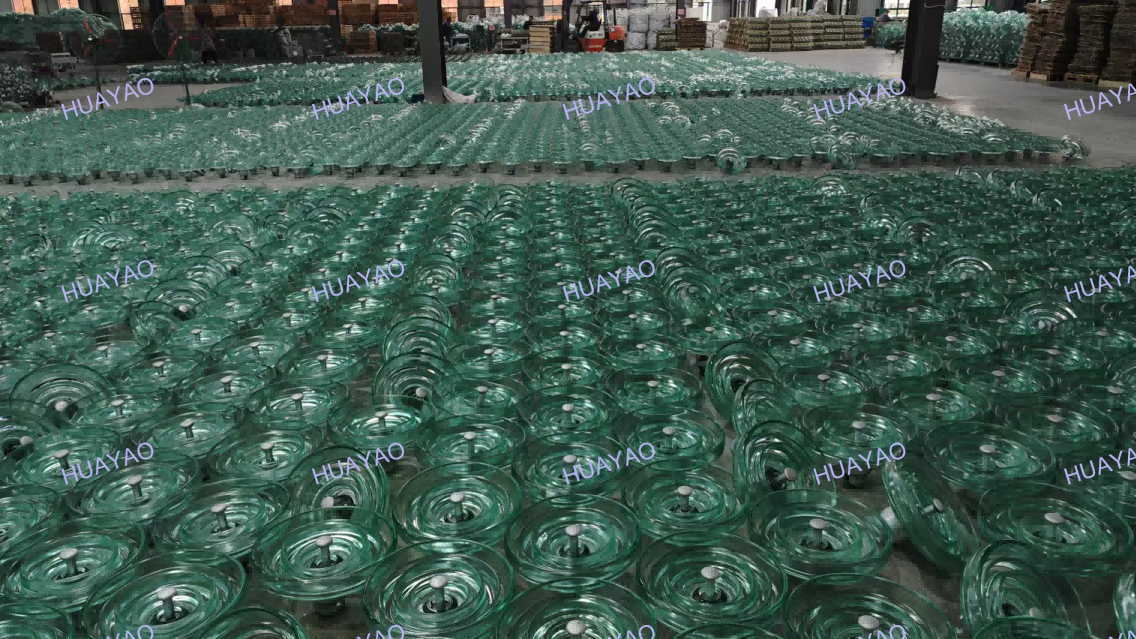
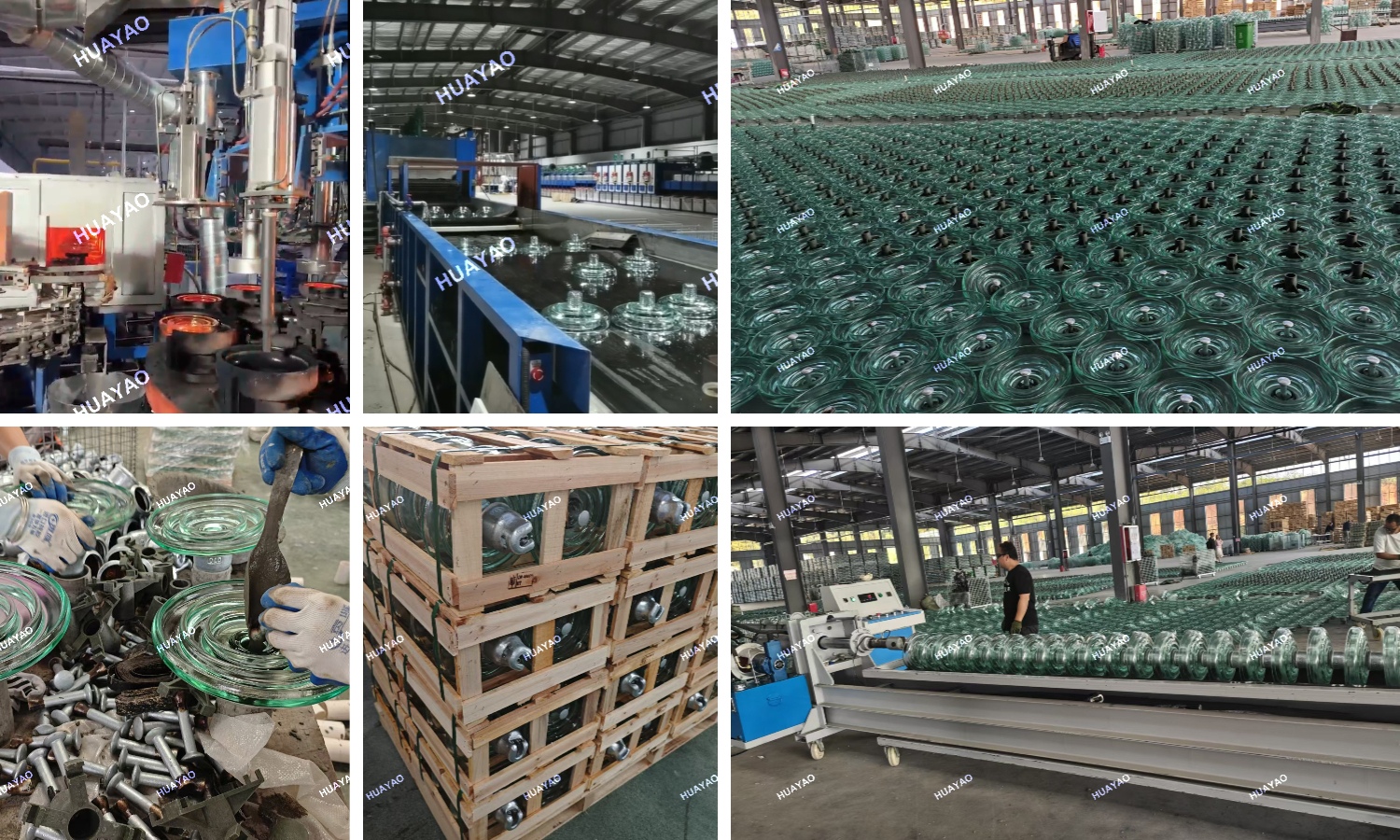
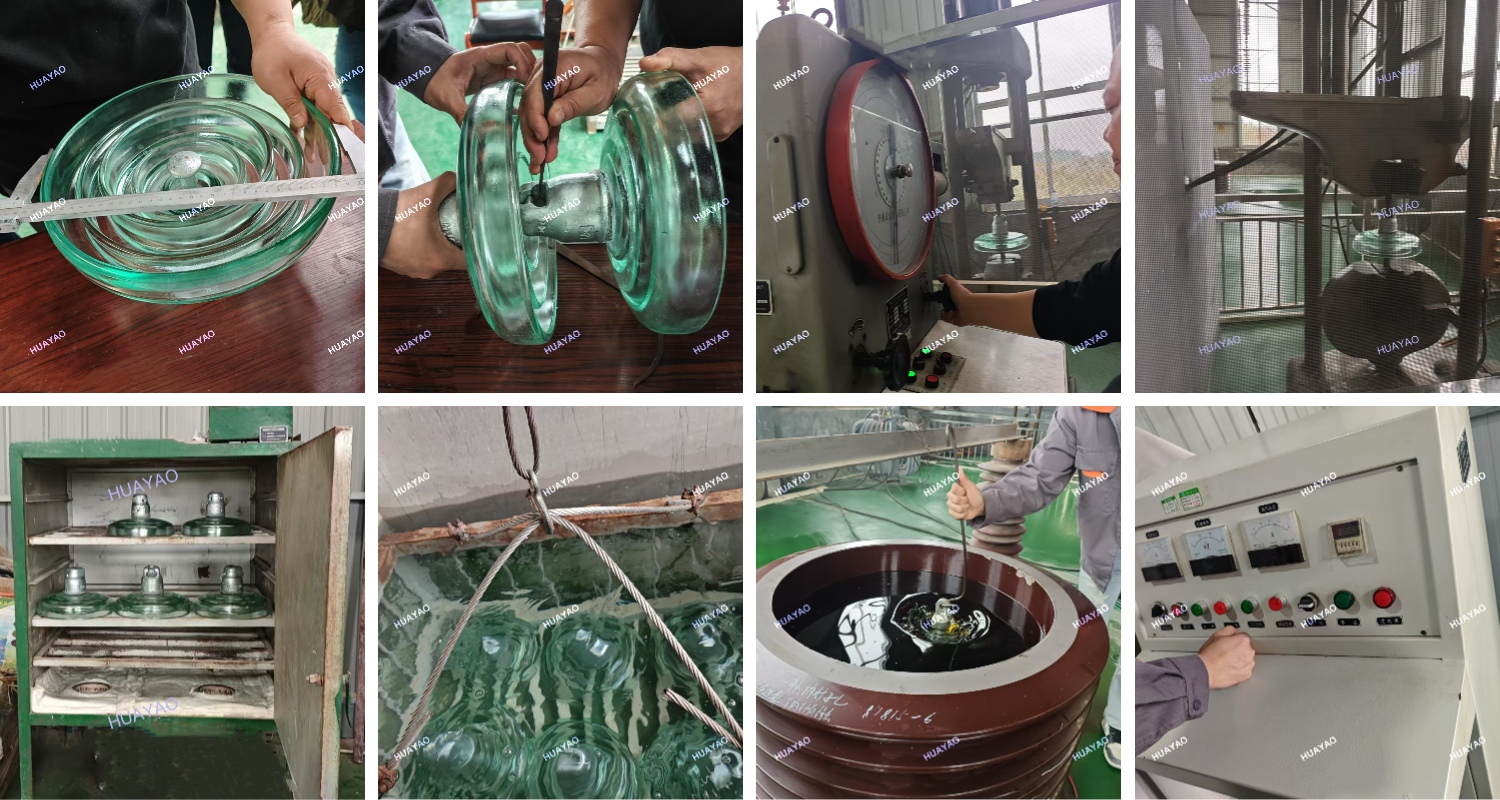
Glass insulators in China are manufactured through a well-structured process ensuring high quality. Initially, raw materials undergo rigorous selection and are automatically batched. The melting process is closely monitored with advanced tempering, followed by a series of treatments, including cold and hot shocks, and homogenization to ensure uniformity. This process enhances the robustness of the glass insulator transmission line. Each unit undergoes stringent inspections to comply with international standards, thus ensuring reliability and durability in transmission lines.
Product Application Scenarios
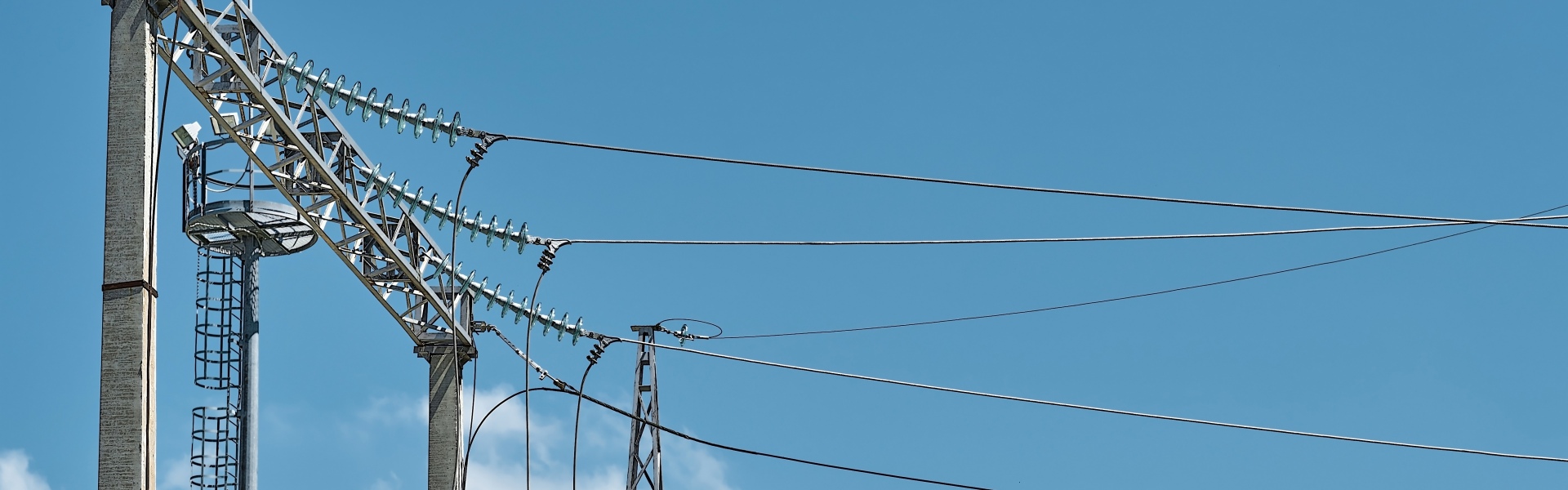
In the realm of electrical engineering, glass insulator transmission lines in China are instrumental for diverse applications ranging from ultra-high voltage power lines to distribution networks in varied geographic conditions. Their application spans across infrastructures like power grids, substations, and electrified railways where their properties of electrical insulation and mechanical strength are crucial. These insulators are vital in ensuring stable and safe power transmission, resisting environmental effects while maintaining their mechanical and electrical integrity.
Product After-Sales Service
Our after-sales service for glass insulator transmission lines in China includes comprehensive support, from installation guidance to maintenance tips. Our team is dedicated to resolving any issues and ensuring that our clients experience seamless operation with minimal downtime.
Product Transportation
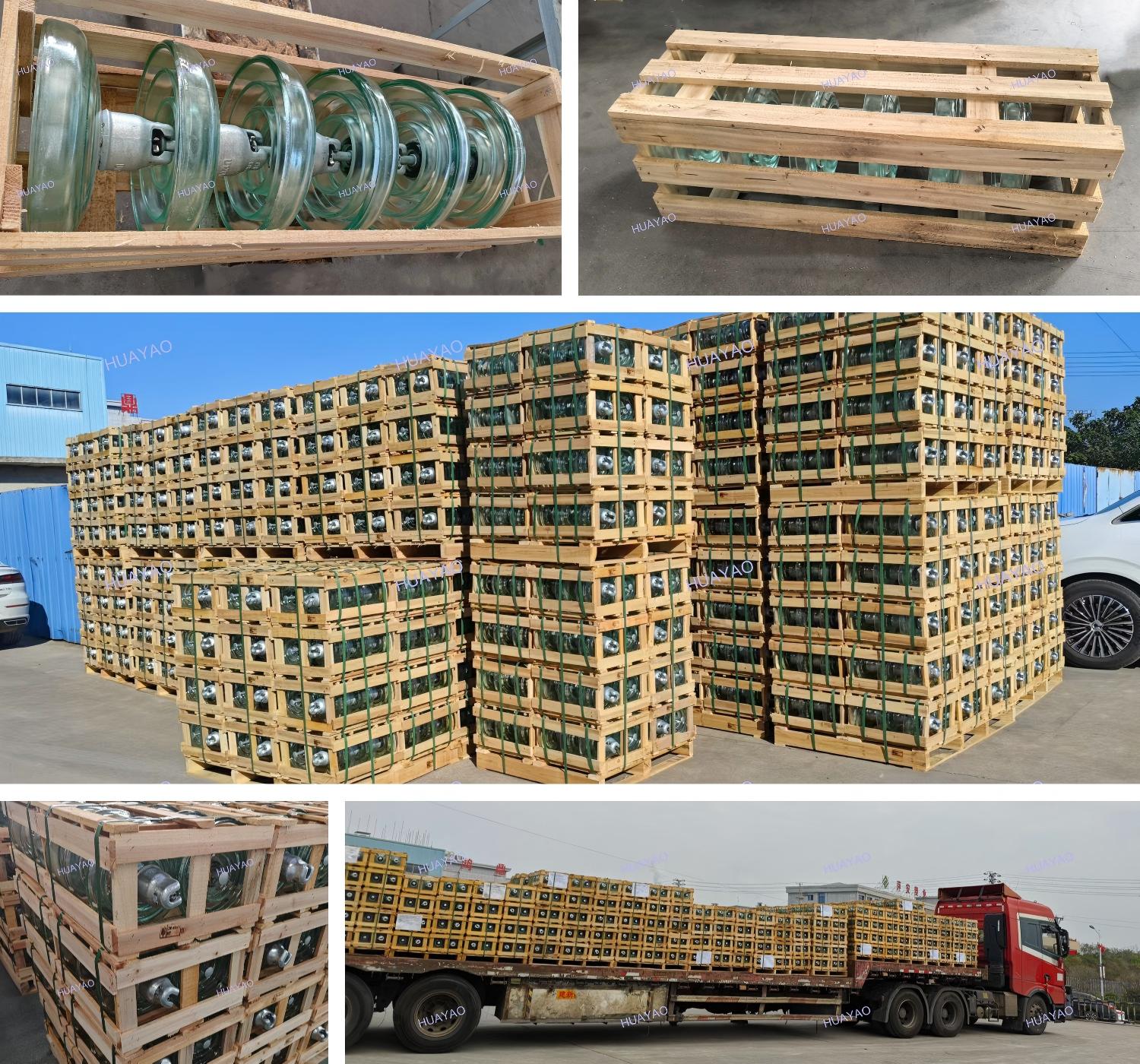
We ensure the safe transportation of our glass insulators by utilizing secure packaging methods. Each unit is packed in a wooden case and placed on pallets to prevent any damage during transit. Shipping is conducted from major ports in China, such as Ningbo and Shanghai.
Product Advantages
- High Electrical Insulation: Ensures minimal current leakage in transmission lines.
- Durability: Withstands dynamic weather conditions prevalent across China.
- Mechanical Strength: Robust design that handles physical stresses efficiently.
- Low Maintenance: The self-cleaning characteristic reduces the need for regular upkeep.
Product FAQ
- What is the main material used in these insulators? Our glass insulator transmission lines in China utilize high-grade fiberglass for optimal performance and durability.
- How does the insulator handle varying weather conditions? The insulators are designed to resist adverse weather effects, ensuring reliable operation in diverse environments across China.
- Can these insulators be used in high-voltage applications? Yes, they are designed for high and ultra-high voltage transmission, making them suitable for major power networks in China.
- What kind of maintenance is required? Thanks to their self-cleaning properties, minimal maintenance is needed, further saving costs and resources.
- Where are these products primarily used? They are widely utilized in power transmission lines, substations, and electrified railways throughout China and internationally.
Product Hot Topics
- Innovations in Glass Insulator Technology: The continuous improvement in manufacturing processes and materials ensures that China remains at the forefront of insulator production, enhancing performance and reliability.
- Impact on Energy Infrastructure: Glass insulator transmission lines are critical in supporting China's expanding energy infrastructure, facilitating efficient power distribution across vast regions.
- Environmental Considerations: The production and use of glass insulators in China contribute to a sustainable approach to energy distribution, focusing on durability and reduced ecological footprint.
Image Description


 Privacy settings