

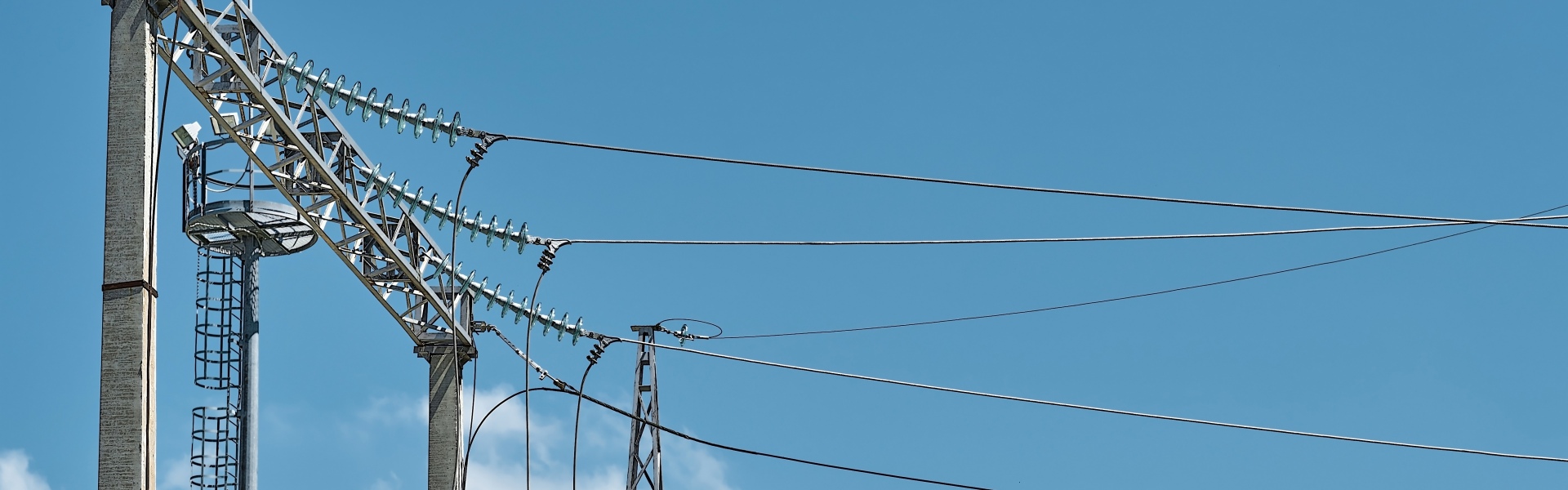
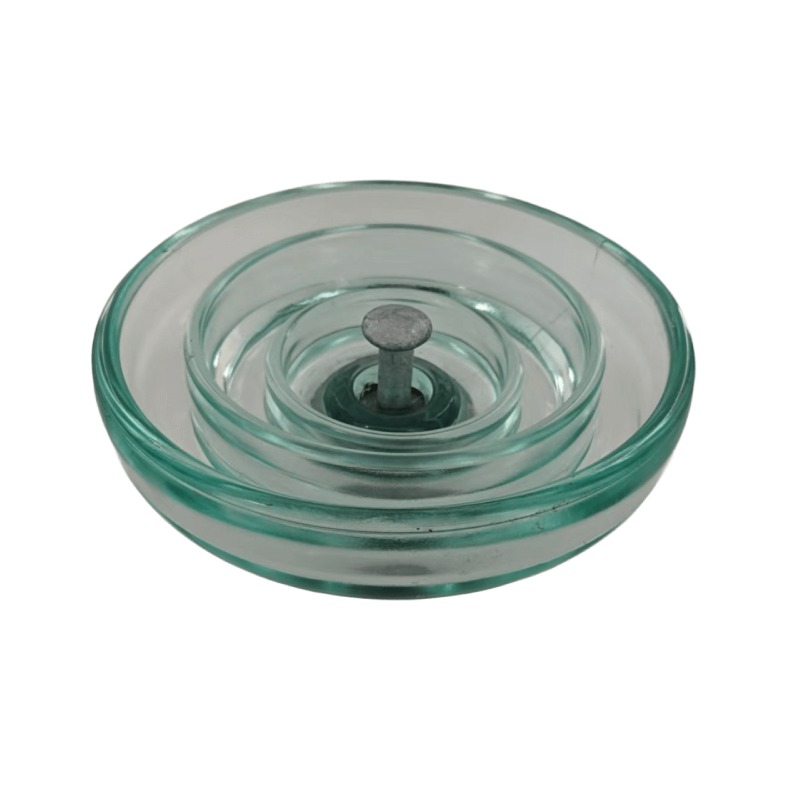
China Porcelain vs Glass Insulators: 210kN U210BP
Short Description:
 Phone
Phone
 whatsapp
 Email
Email
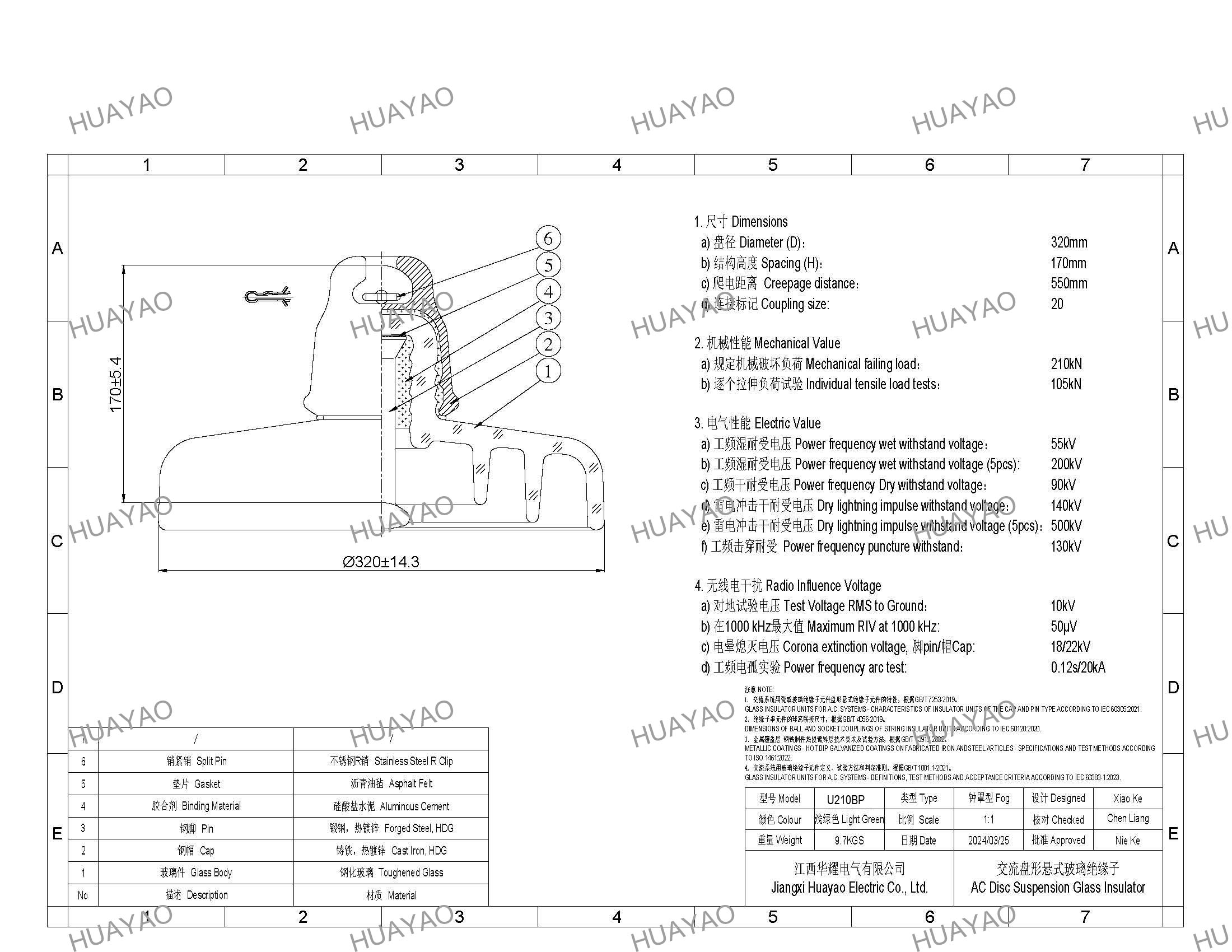
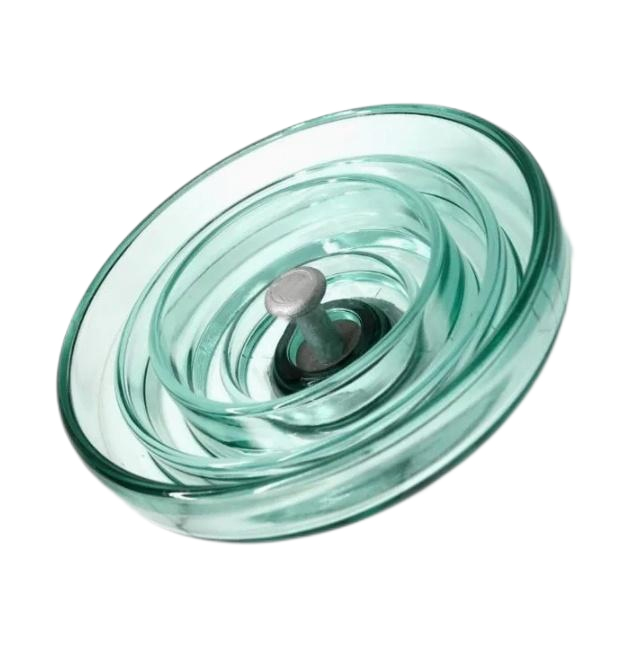
Product Main Parameters
| Parameter | Value |
|---|---|
| Diameter | 320 mm |
| Spacing | 170 mm |
| Creepage Distance | 550 mm |
| Mechanical Failing Load | 210 kN |
Common Product Specifications
| Specification | Detail |
|---|---|
| Standard Compliance | GB, ANSI, BS, DIN, AS, IEC |
| Power Frequency Withstand Voltage (Dry) | 90 kV |
| Power Frequency Withstand Voltage (Wet) | 55 kV |
| Weight | 10 kg |
Product Manufacturing Process
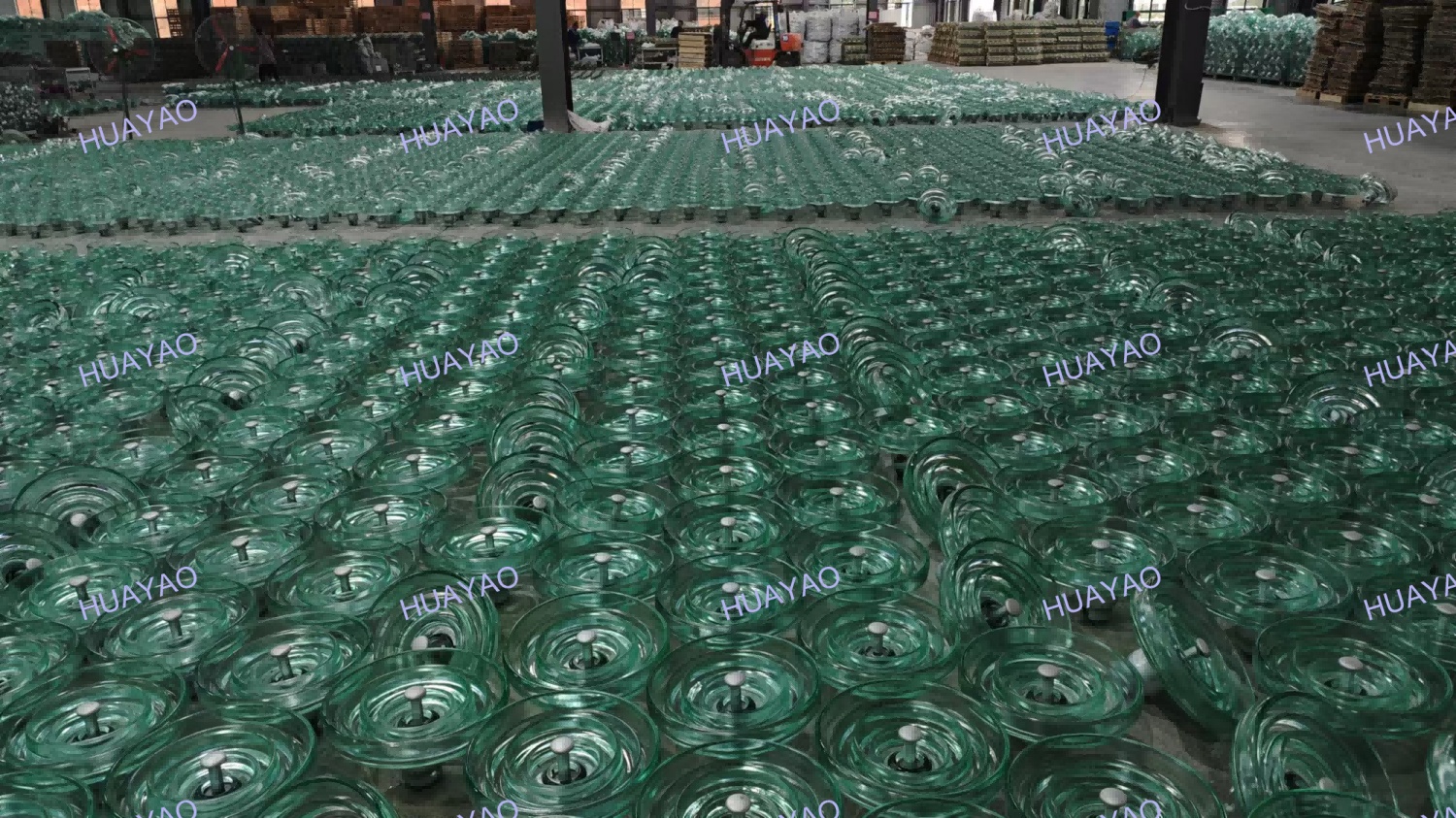
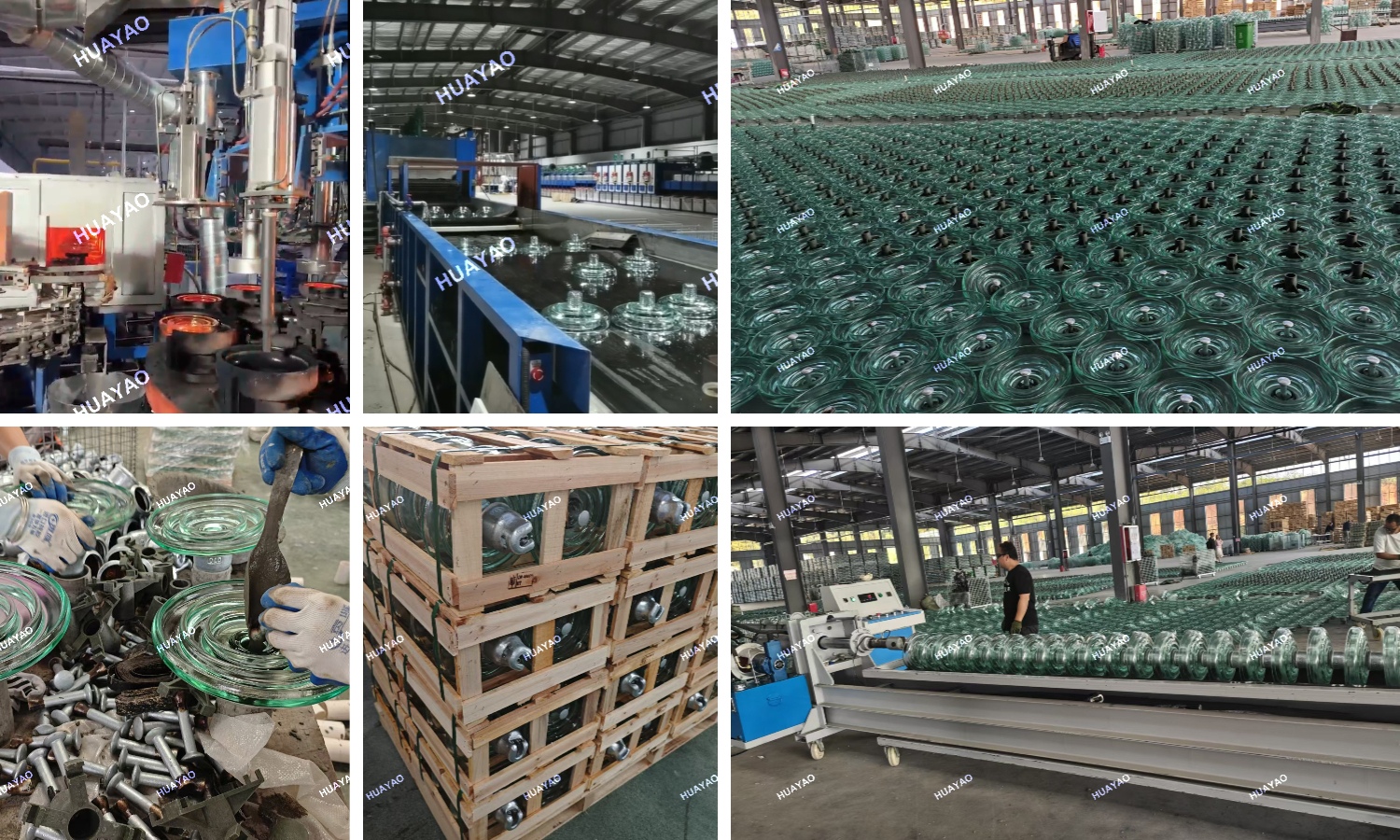
The manufacturing of glass insulators in China integrates cutting-edge technology and a meticulous process to ensure quality and reliability. Each insulator is crafted from tempered glass, following a process of melting, pressing, and controlled cooling to enhance mechanical strength and thermal resistance. The process initiates with the high-purity raw material selection followed by precise melting in natural gas electric melting kilns. After forming, the glass undergoes rigorous tempering and surface treatment to ensure resistance to temperature variations and mechanical stress. The completed products undergo stringent quality checks, ensuring adherence to both international standards and customer specifications.
Product Application Scenarios
Glass insulators are ideal for a variety of applications, especially in environments where chemical resistance is essential. In China, these insulators are extensively utilized in power transmission and distribution networks, particularly in high-pollution and coastal areas. Their transparency facilitates easy visual inspections, ensuring proactive maintenance in national grid infrastructures. The enhanced thermal and mechanical properties make them suitable for ultra-high voltage applications, where operational reliability is crucial. Comparative studies between porcelain and glass insulators show that while porcelain offers robust mechanical strength, glass insulators present significant advantages in terms of chemical resistance and maintenance efficiency.
Product After-Sales Service
We offer comprehensive after-sales service for our insulators, ensuring satisfaction and reliability for every customer. Our dedicated team provides technical support and assistance, covering installation guidance and maintenance tips. Customers can contact us for prompt resolution of any product-related issues. We also offer replacement and repair services in line with our warranty policy, ensuring that each glass insulator continues to perform optimally in its designated application scenario.
Product Transportation
All our glass insulators are carefully packaged to prevent damage during transportation. We utilize reinforced packaging materials and secure fastening techniques to safeguard each unit. Shipping options are available for both domestic and international customers, with a focus on timely and safe delivery. Our logistic partners are experienced in handling fragile items, ensuring that the insulators reach their destination in perfect condition.
Product Advantages
- Visual Transparency: Facilitates easy inspection for maintenance.
- Chemical Resistance: Ideal for use in polluted and coastal areas.
- Manufactured in China: Adherence to global quality standards.
- Lightweight Design: Reduces line costs and material usage.
- High Mechanical Strength: Ensures reliability under stress.
- Efficient Production: Leveraging advanced technology from Germany and Italy.
FAQ
- What are the advantages of glass insulators?
Glass insulators from China offer superior transparency, enabling easy visual inspections to detect defects. They also provide excellent chemical resistance, making them ideal for polluted environments where durability is critical. - How do glass insulators compare to porcelain insulators?
While both offer unique benefits, glass insulators allow for immediate detection of damages due to their transparency, whereas porcelain insulators are favored for their robust mechanical durability. - What standards do your insulators comply with?
Our glass insulators adhere to international standards such as GB, ANSI, BS, DIN, AS, and IEC, ensuring they meet global quality and safety requirements. - Can these insulators be used in high-voltage applications?
Yes, our glass insulators are designed for ultra-high voltage and extra high voltage transmission lines, compliant with the necessary standards to ensure safety and efficiency. - How do you ensure product quality during manufacturing?
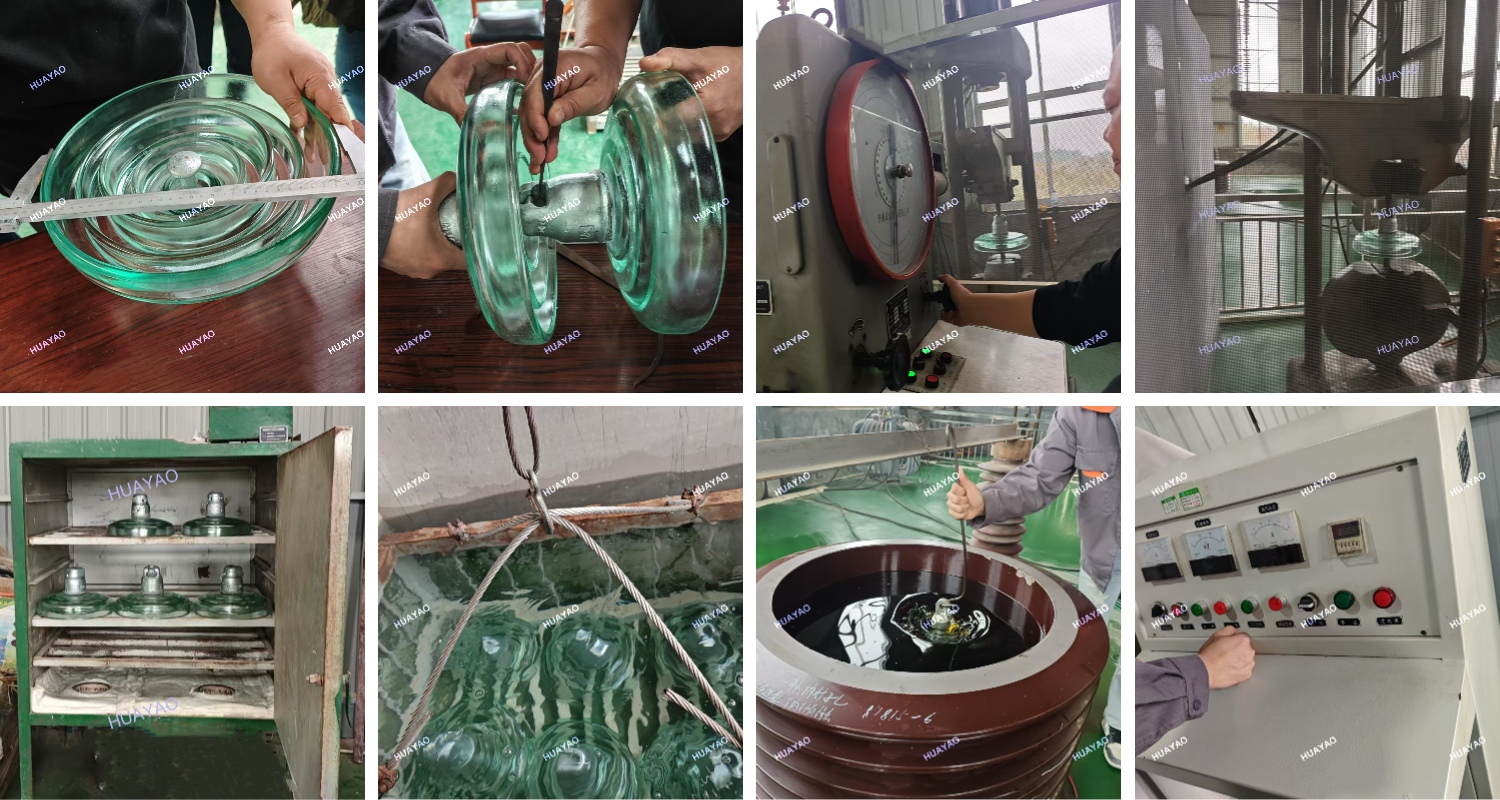
Quality is ensured through a comprehensive manufacturing process involving precise selection of raw materials, advanced production techniques, and rigorous testing to meet international standards. - How are your insulators tested for reliability?
Our insulators undergo type tests from reputable institutions such as Xi’an High Voltage Apparatus Research Institute and Jiangxi Ceramic Testing Center, ensuring their reliability and performance. - What makes glass insulators suitable for polluted areas?
Glass insulators have a lower surface energy which minimizes pollutant accumulation, and their chemical resistance properties make them ideal for areas exposed to acid rain or industrial pollution. - What is the typical lifespan of a glass insulator?
The typical lifespan of a glass insulator depends on environmental conditions but they are generally expected to perform reliably for several decades when maintained properly. - Are your insulators eco-friendly?
Yes, the manufacturing process for our glass insulators is optimized to minimize environmental impact, and they are designed to be long-lasting, reducing the need for frequent replacements. - What support do you offer after purchase?
We provide comprehensive after-sales service including technical support, warranty coverage, and replacement or repair options as needed.
Product Hot Topics
- The Growing Preference for Glass Insulators in China
The electrical industry in China is witnessing a shift towards glass insulators due to their unique advantages over traditional porcelain. This trend is driven by their transparency, which facilitates easy maintenance and proactive inspections, critical in large-scale power grids. - Comparative Analysis: Porcelain vs Glass Insulators
In the debate of porcelain vs glass insulators, both materials bring distinct advantages. Porcelain is renowned for its durability and resistance to mechanical damage, whereas glass offers unrivaled transparency and resistance to chemical corrosion, making it a top choice for areas with harsh environmental conditions. - Innovations in Glass Insulator Manufacturing
Recent advancements in manufacturing technology have significantly enhanced the performance of glass insulators. With state-of-the-art production techniques sourced from Germany and Italy, Chinese manufacturers are leading the way in producing high-quality insulators that meet international standards. - Environmental Considerations in Insulator Production
As global attention on environmental impact increases, the insulator manufacturing industry is focusing on sustainable practices. Glass insulators, with their long lifespan and lower maintenance requirements, align well with these environmental goals. - The Role of Glass Insulators in High Voltage Applications
In ultra-high voltage and extra high voltage applications, glass insulators are proving to be an excellent choice. Their ability to withstand high voltages while offering visual transparency ensures safety and reliability, crucial for maintaining uninterrupted power transmission. - Challenges in Insulator Maintenance and How to Overcome Them
Maintenance of insulators, whether porcelain or glass, poses challenges such as detecting damages and pollutant accumulation. Glass insulators, however, facilitate easier maintenance due to their transparency and self-cleaning properties, reducing the need for labor-intensive procedures. - Impact of Global Standards on Insulator Design
Compliance with global standards such as IEC and ANSI ensures that insulators are safe and efficient. Chinese manufacturers are at the forefront of meeting these standards, ensuring their products are acceptable in international markets. - The Future of Electrical Insulation: Glass or Porcelain?
As the industry evolves, the choice between glass and porcelain insulators remains a critical decision. Future developments in material science may further enhance the attributes of both, but currently, versatility and application-specific needs drive the preference for one over the other. - Economic Implications of Insulator Choice in Infrastructure Projects
In large-scale infrastructure projects, the choice between porcelain and glass insulators can have significant economic implications. The initial cost, maintenance needs, and lifespan are key factors influencing decisions in cost-conscious environments. - Understanding the Lifecycle of Insulators
The lifecycle of an insulator is influenced by numerous factors including environmental conditions, maintenance practices, and manufacturing quality. Understanding these factors can help decision-makers optimize their choice, ensuring efficiency and reliability in power distribution.
Image Description
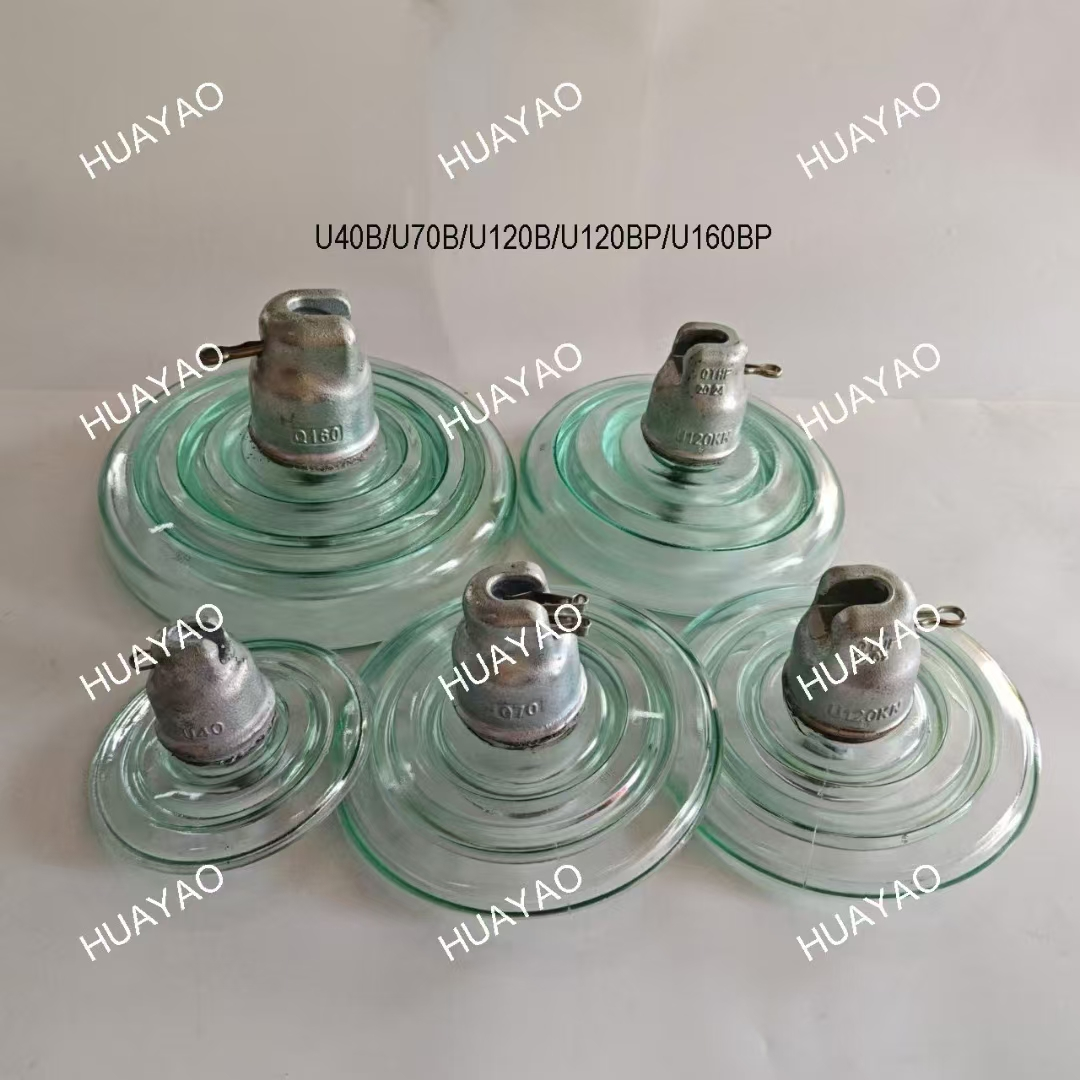
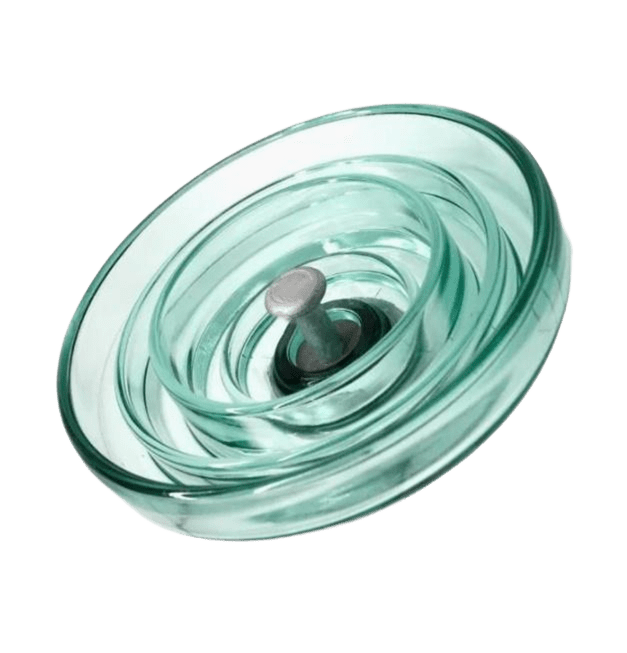
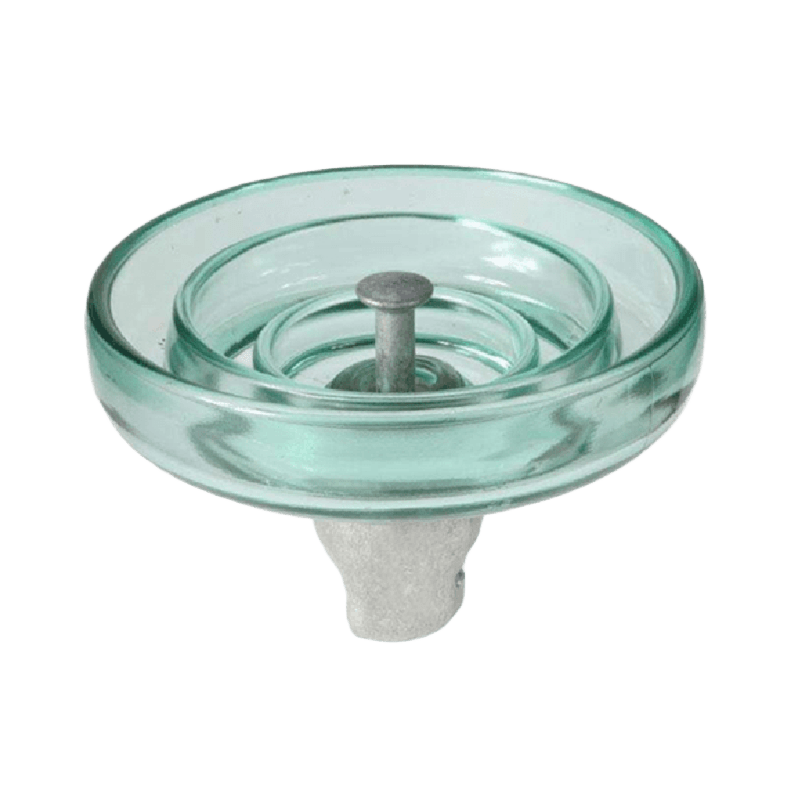
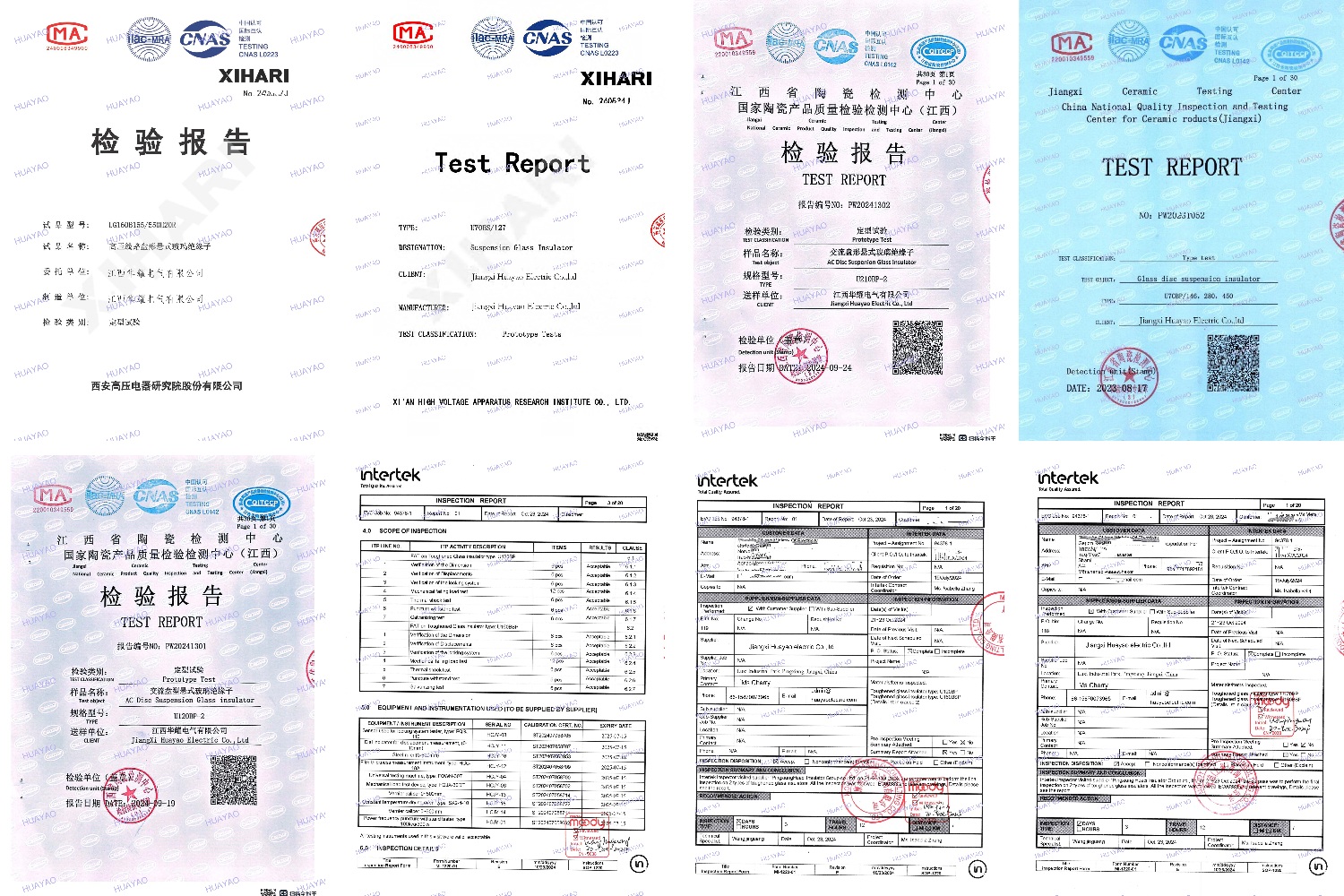
-

Wholesale High Voltage Porcelain Insulator for Electricity
-

Trusted Supplier of Glass Insulators in Electrical Systems
-
Supplier of Glass Insulators for Telephone Poles
-
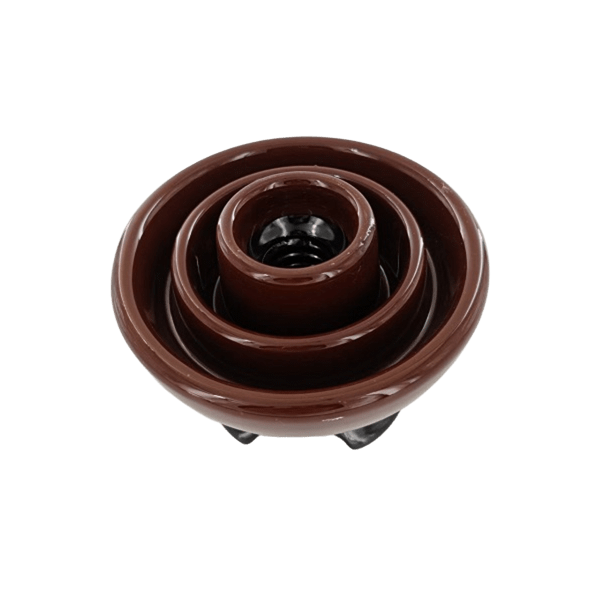
Factory Porcelain Ceramic Insulators for Medium Voltage
-
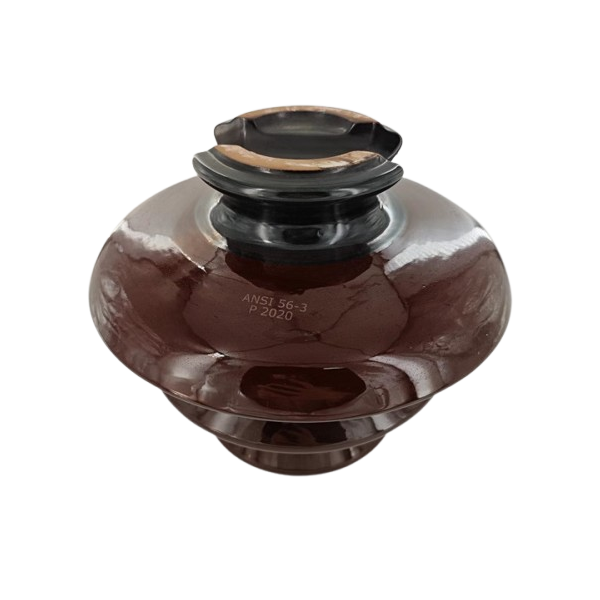
Reliable Supplier of Porcelain Isolator ANSI 56-3
-

Wholesale Pin Type Porcelain Insulator for High Voltage
 Privacy settings