

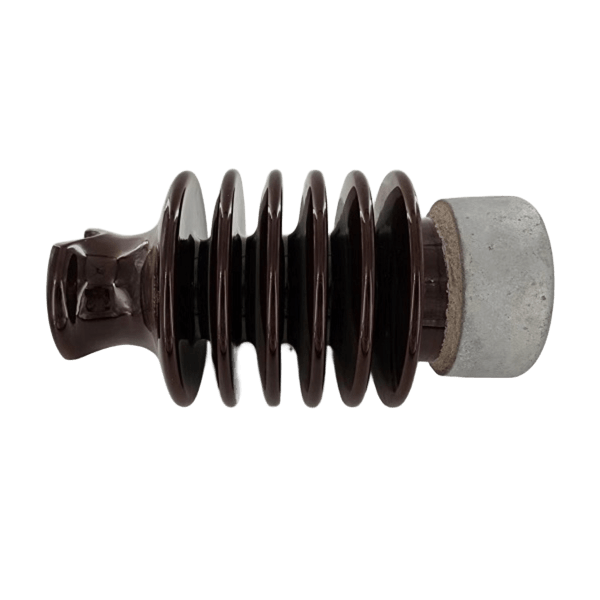
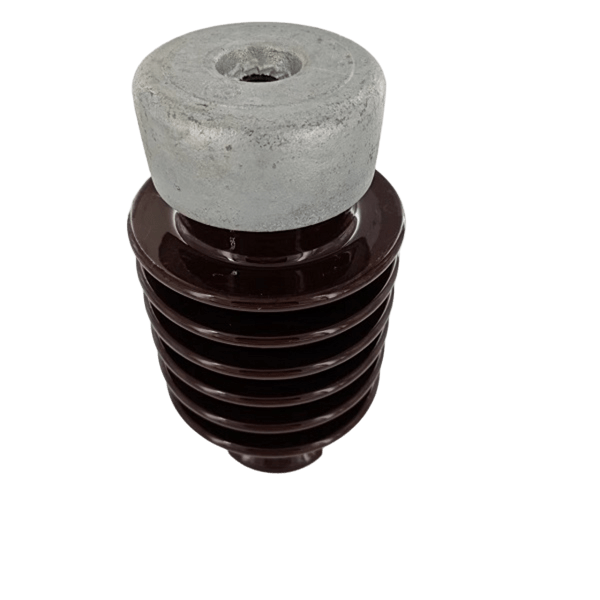
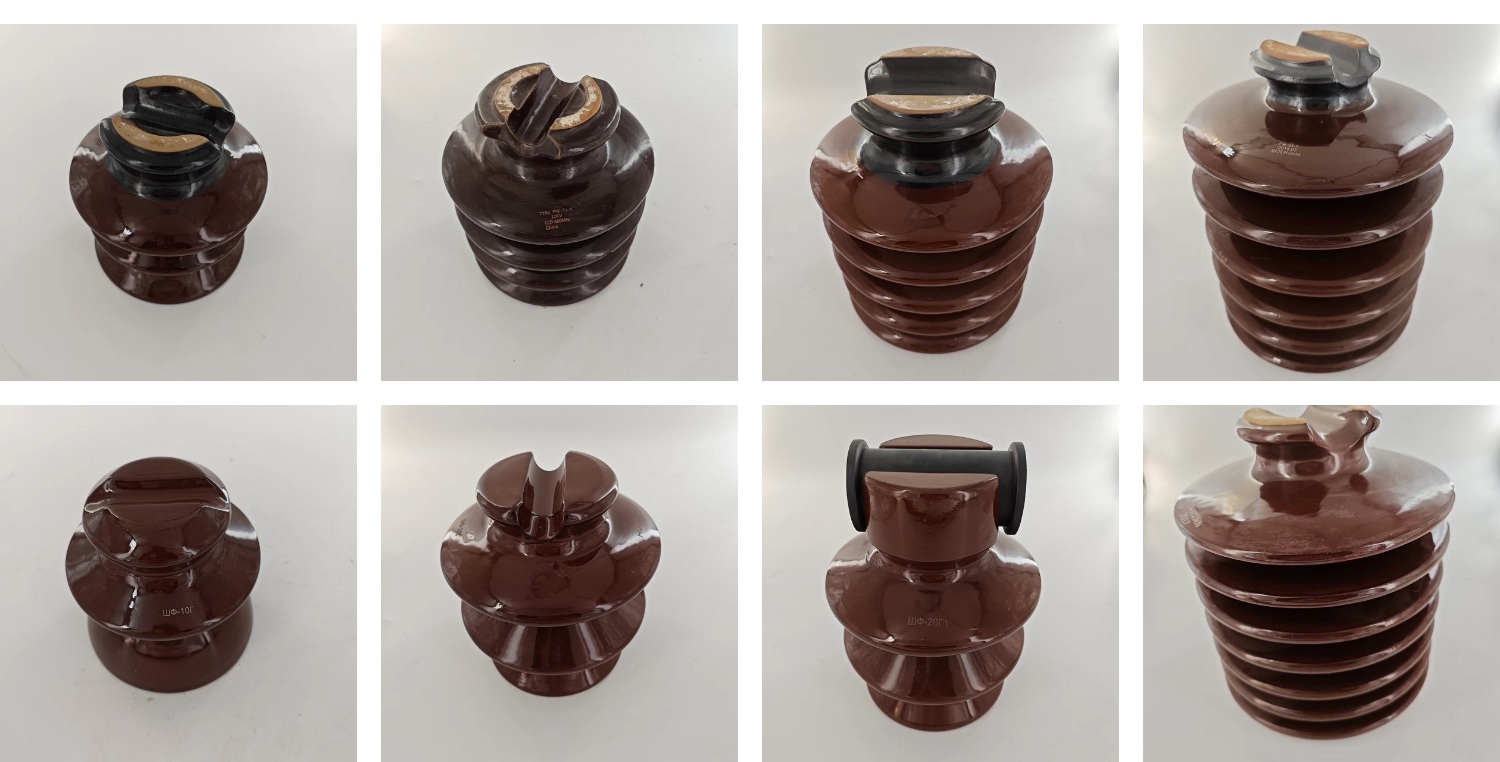
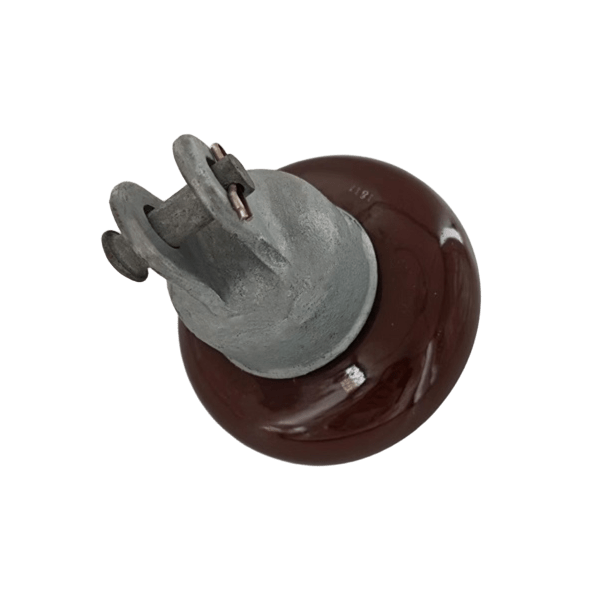
Wholesale Porcelain Line Post Insulator ANSI 57-2
Short Description:
 Phone
Phone
 whatsapp
 Email
Email
Product Main Parameters
| Parameter | Value |
|---|---|
| Model Number | 57-2 |
| Material | Porcelain |
| Rated Voltage | 12kV/33kV |
| Color | Brown/White |
| Creepage Distance | 559mm |
| Cantilever Strength | 125kN |
Common Product Specifications
| Specification | Detail |
|---|---|
| Diameter | 152mm |
| Spacing | 305mm |
| Dry Flashover Voltage | 110kV |
| Wet Flashover Voltage | 85kV |
Product Manufacturing Process
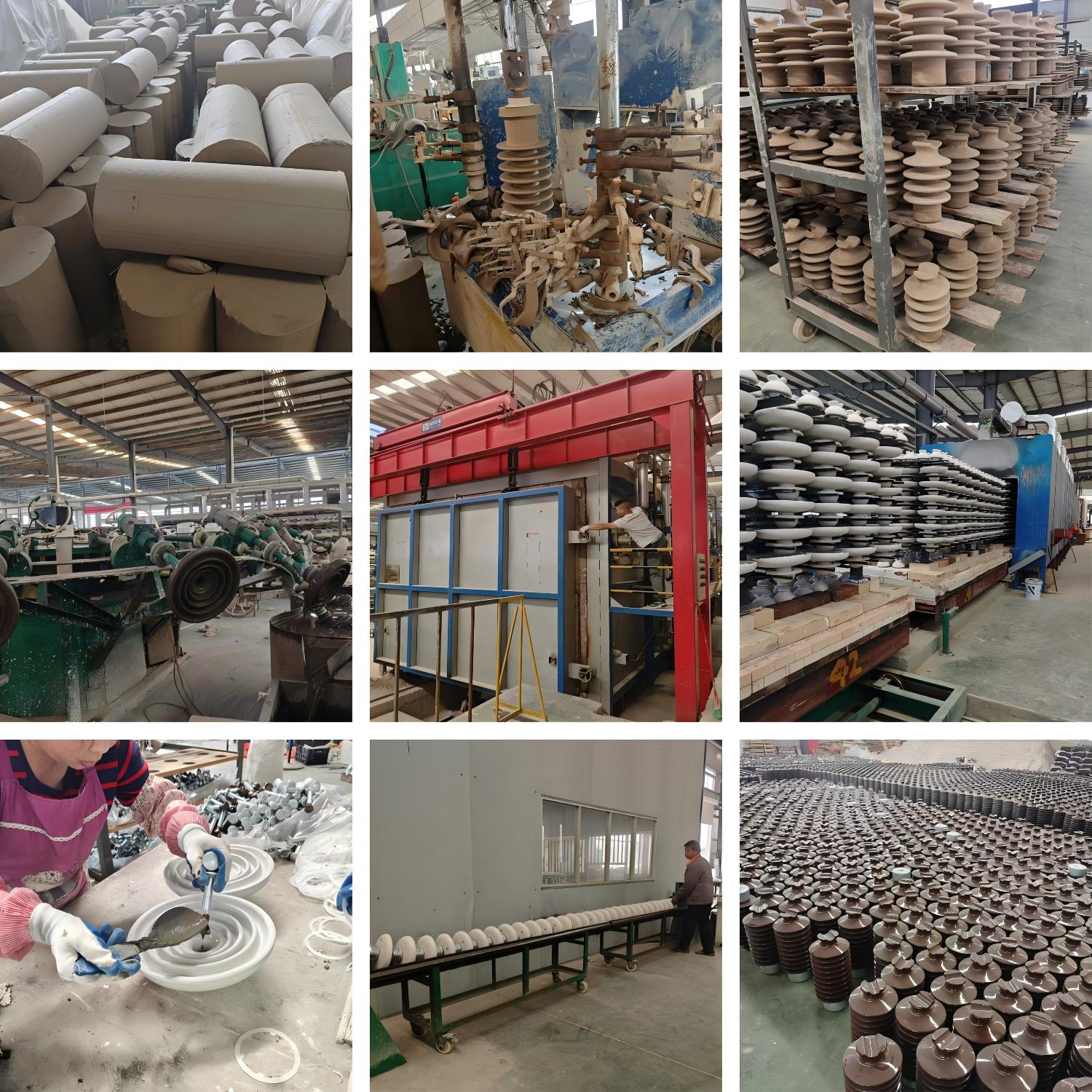
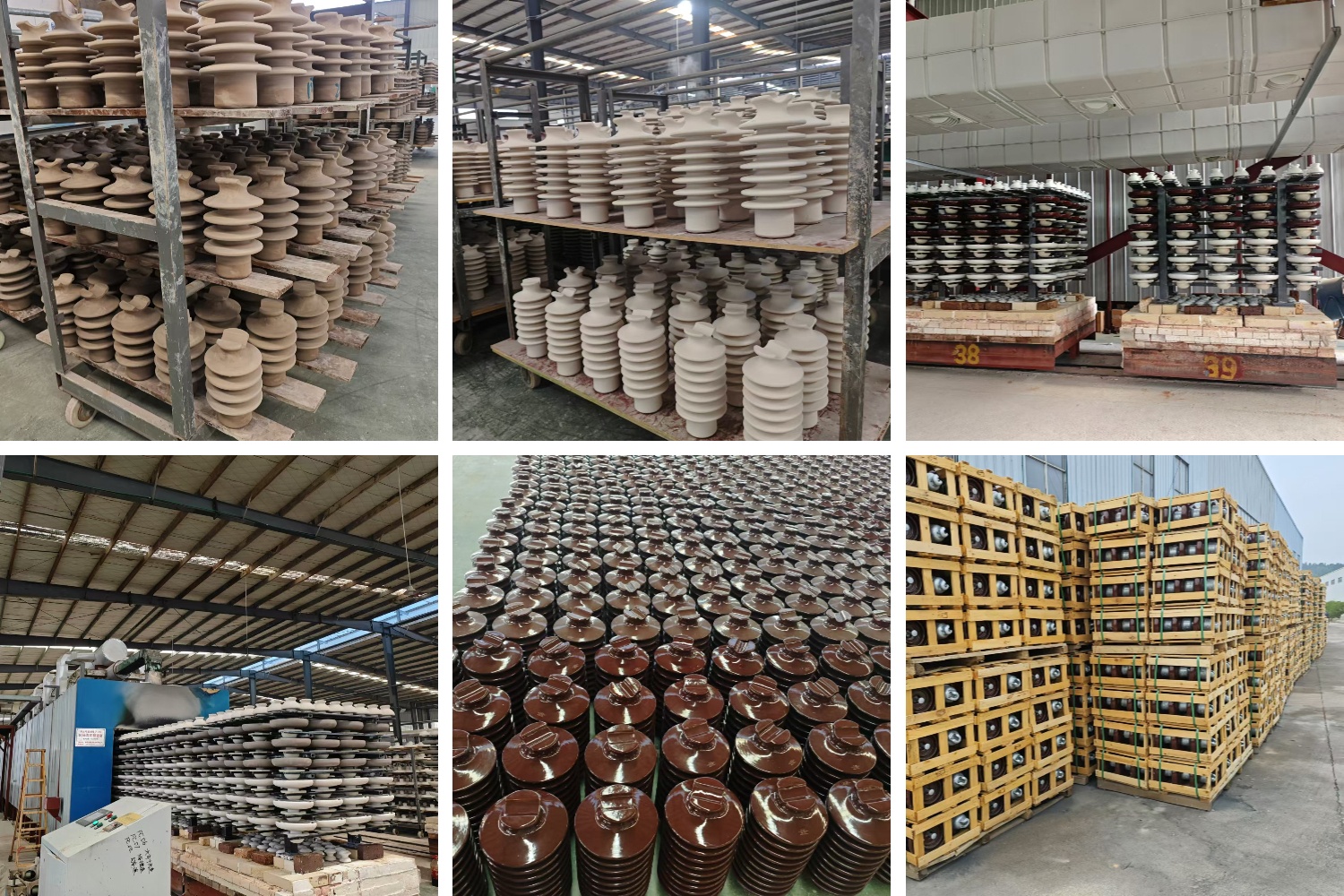
The production of porcelain insulators involves several critical steps. Initially, raw materials such as kaolin clay, quartz, and feldspar are mixed to create a homogeneous blend. This mixture is then molded into the desired shapes, accommodating the specific requirements of post insulators. The molded shapes undergo a drying phase to remove any excess moisture. Subsequently, a glazing process is applied to enhance the porcelain's insulating properties and aesthetic appeal. The glazed products are fired in kilns at high temperatures, which solidifies the material, ensuring durability and mechanical strength. Following the firing, insulators are assembled with metal accessories, either through glue assembly or mechanical fitting, depending on the design. Routine tests are conducted to ensure compliance with electrical and mechanical standards. The resulting products are packaged and prepared for distribution. This comprehensive process ensures that each porcelain line post insulator meets stringent quality and performance standards, suitable for high-voltage applications.
Product Application Scenarios
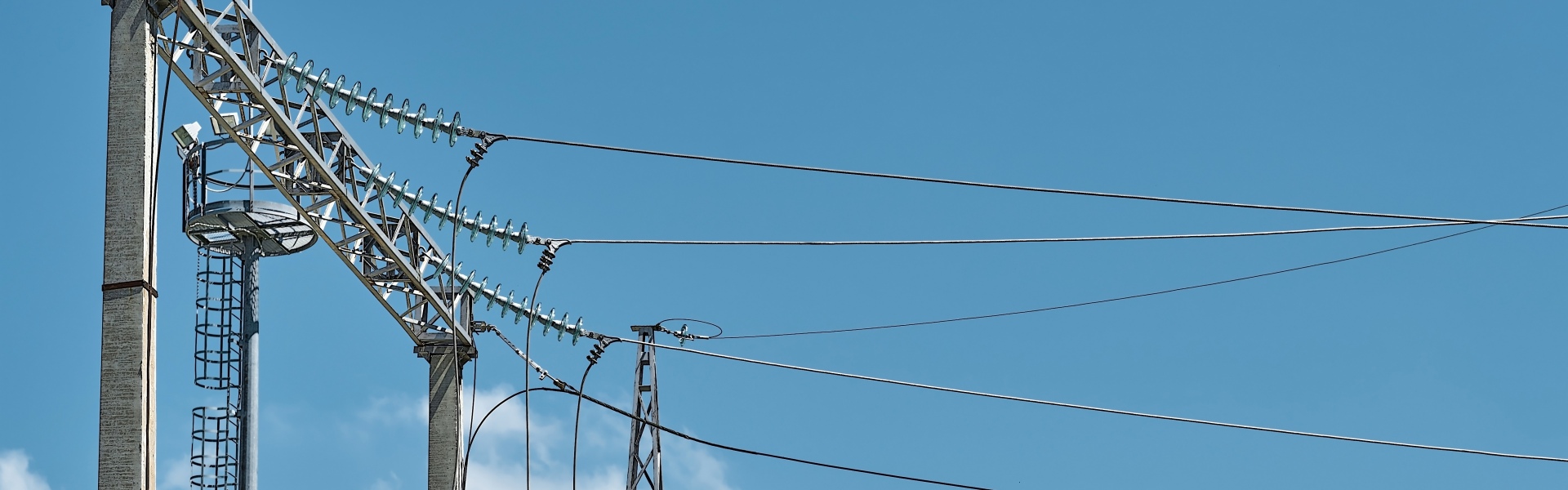
Porcelain line post insulators are utilized across various high-voltage applications including transmission and distribution lines. These insulators are essential for supporting conductors on utility poles and towers, preventing electrical current from grounding or crossing into unintended areas, thereby ensuring the efficiency and safety of power systems. Due to their robust construction, porcelain insulators are particularly suited for environments facing harsh weather conditions. Their use extends to substations, where they isolate and support critical electrical components, playing a pivotal role in maintaining operational stability. The insulators' reliability and durability also make them indispensable in large-scale infrastructure projects, including power plants and renewable energy facilities, where they contribute to the uninterrupted transmission of electricity.
Product After-Sales Service
We offer comprehensive after-sales support for our wholesale porcelain line post insulators, including technical assistance, warranty services, and replacement of defective products. Our team is available to address any concerns or issues that may arise post-purchase, ensuring customer satisfaction and optimal performance of our insulators.
Product Transportation
Our porcelain line post insulators are securely packaged to prevent damage during transportation. We offer flexible shipping options, including sea and air freight, to locations worldwide. Delivery times vary based on the destination and selected shipping method, ensuring that products arrive safely and on schedule.
Product Advantages
- Exceptional durability and long service life
- Excellent dielectric strength for high voltage applications
- Resistance to weathering and thermal fluctuations
- Cost-effective with low maintenance requirements
- Strong mechanical support for heavy loads
Product FAQ
- What is the primary material used in these insulators?
Our wholesale porcelain line post insulators are primarily made of high-quality porcelain, known for its excellent insulating properties and mechanical strength, making them ideal for high voltage applications.
- Can these insulators be used in extreme weather conditions?
Yes, porcelain insulators are designed to withstand a range of environmental stresses, including storms and temperature fluctuations, maintaining reliable performance in adverse weather conditions.
- What voltage levels can these insulators handle?
The ANSI 57-2 series is rated for use in systems up to 33kV, making them suitable for both medium and high voltage transmission lines.
- How do these insulators prevent electrical discharge?
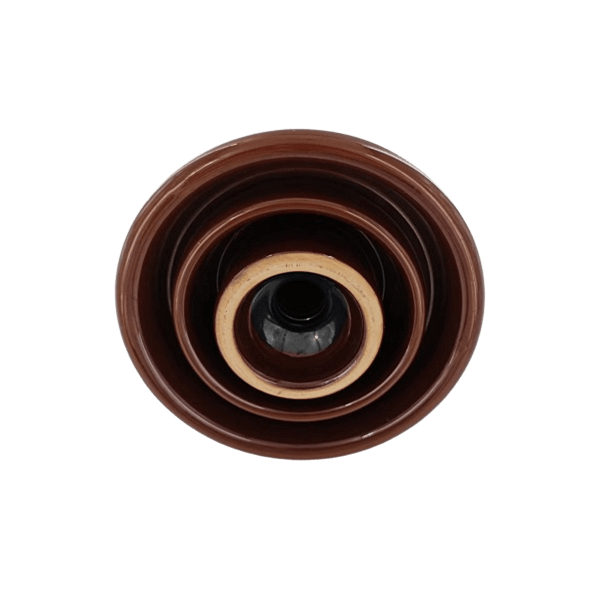
The design includes overhanging sheds that increase the surface path for leakage currents, and the porcelain material itself provides excellent resistivity and dielectric strength, reducing the risk of electrical discharge.
- Are these insulators environmentally friendly to produce?
Our manufacturing process strives for sustainability by optimizing energy usage and minimizing waste, although porcelain production does have inherent environmental impacts, which are constantly being mitigated by technological advancements.
- How are these insulators tested for quality?
Each porcelain line post insulator undergoes rigorous testing for electrical and mechanical compliance, adhering to international standards to ensure reliability and performance.
- What support is available for installation?
We provide detailed installation manuals and our technical support team is available to assist with any installation queries to ensure the safe and correct mounting of our insulators.
- What are the benefits of using porcelain over polymer insulators?
Porcelain insulators offer superior resistance to electrical discharge, better longevity, and lower maintenance needs compared to polymer alternatives, providing cost savings over time.
- How are these insulators packaged for delivery?
We use robust packaging materials to protect the insulators during transit, ensuring they reach you free from damage, with options for large or small order quantities.
- Are custom insulator designs available?
Yes, we can accommodate custom specifications for wholesale orders to meet specific project requirements, with design consultations available through our engineering team.
Product Hot Topics
- Porcelain vs. Polymer Insulators: Which is Better for High Voltage Applications?
Discussing the pros and cons of porcelain and polymer insulators often leads to a debate about durability versus weight and cost. Porcelain is renowned for its superior mechanical strength and long life, making it a traditional choice for many high-voltage applications. However, polymers offer a lightweight alternative that can be easier to handle and install, albeit with some trade-offs in terms of lifespan and maintenance. Ultimately, the choice depends on specific project needs and environmental conditions.
- Ensuring Sustainability in the Production of Porcelain Line Post Insulators
Sustainability in manufacturing is a growing concern, including in porcelain insulator production. Efforts to reduce environmental impact focus on energy-efficient kilns, waste reduction, and recycling of raw materials. As technologies advance, manufacturers like Huayao are adopting greener practices while maintaining the quality and performance that the electrical industry demands.
- Advancements in Porcelain Insulator Design for Better Performance
Ongoing research and development in porcelain insulator design aim to enhance performance under extreme conditions. Innovations such as improved glazing techniques and refined ceramic compositions contribute to better dielectric properties and mechanical strength, ensuring that insulators can withstand higher voltages and harsher environments.
- Cost-Benefit Analysis: Are Porcelain Insulators Worth the Investment?
A cost-benefit analysis of porcelain insulators should consider their durability, low maintenance, and reliability against initial investment costs. While porcelain may have a higher upfront cost compared to some alternatives, its long service life and robust performance can result in significant long-term savings and reduced downtime.
- Global Market Trends in Porcelain Line Post Insulators
The demand for porcelain line post insulators is being driven by expansion in the global electrical infrastructure, particularly in developing regions. This growth is supported by increased investment in renewable energy projects and the need for reliable and efficient power distribution systems. Market trends show a steady preference for porcelain insulators in high voltage applications.
- Interpreting Technical Specifications of Porcelain Insulators
Understanding the technical specifications, such as creepage distance and cantilever strength, is crucial when selecting porcelain insulators for specific applications. These parameters help determine the insulator's capability to handle electrical loads and environmental conditions, ensuring that the right insulator is chosen for the task at hand.
- Installation Best Practices for Porcelain Line Post Insulators
Proper installation of porcelain line post insulators is essential to maximize their performance and lifespan. Best practices include selecting the right mounting hardware, following manufacturer guidelines, and conducting regular inspections to prevent and address any potential issues that may arise over time.
- Porcelain Insulators in Renewable Energy Projects
As the renewable energy sector grows, so does the implementation of porcelain insulators in solar and wind projects. These insulators help ensure that electricity generated from renewable resources is efficiently transmitted to the grid, contributing to sustainable energy solutions and the reduction of carbon footprints.
- Repair and Maintenance Tips for Porcelain Insulators
Regular maintenance of porcelain insulators can include visual inspections for cracks and contaminants, cleaning to prevent flashovers, and ensuring that all hardware remains secure and free from corrosion. Proactive maintenance strategies help extend the service life of insulators and minimize the risk of operational failures.
- Exploring the History and Evolution of Porcelain Insulators
Porcelain insulators have a storied history in the electrical industry, dating back to the early days of electricity distribution. Over the decades, their design and manufacturing processes have evolved significantly, resulting in today's highly efficient and reliable insulators. Understanding this evolution provides valuable insights into the improvements and innovations that have shaped modern electrical infrastructure.
Image Description


 Privacy settings