

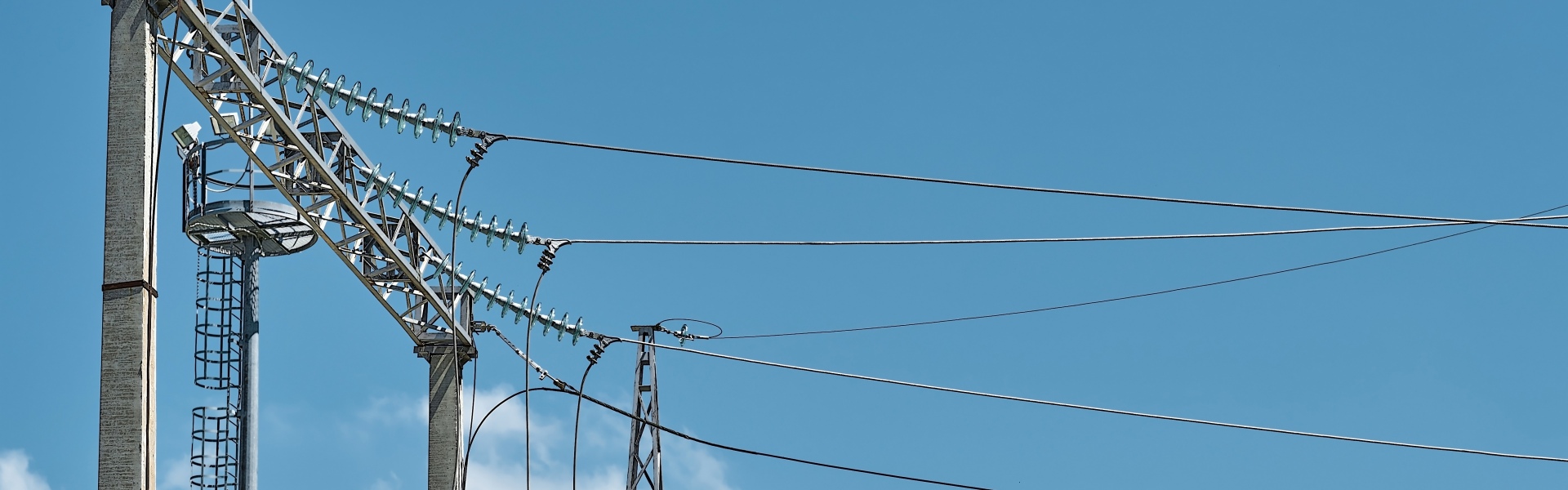

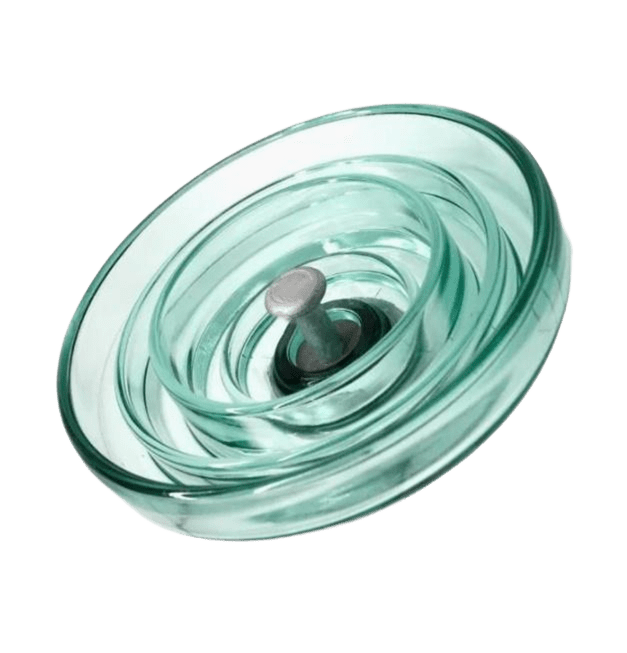
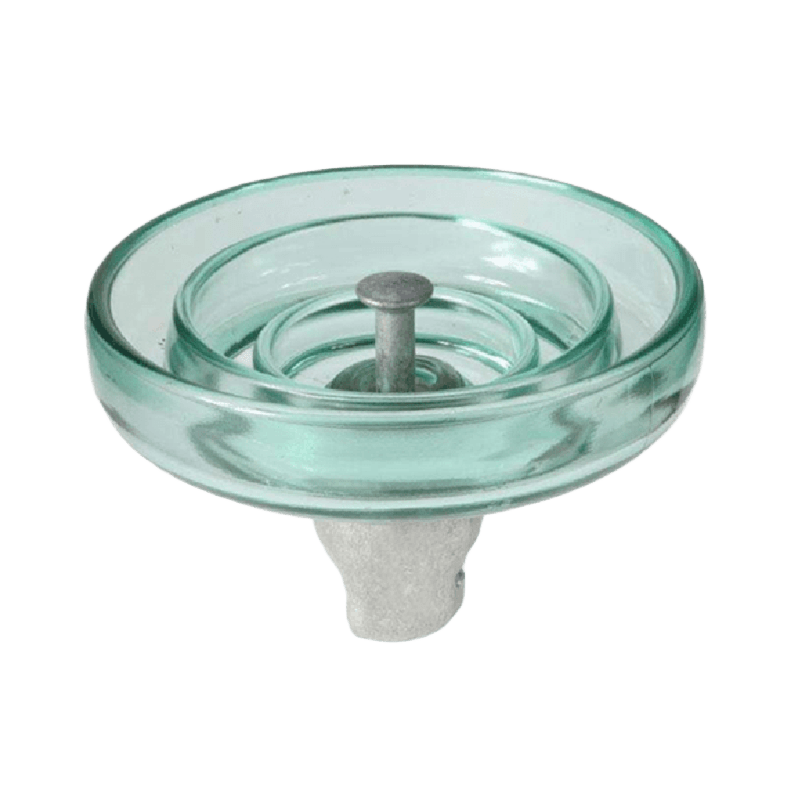
Wholesale New Glass Insulators U70BP – Toughened & Reliable
Short Description:
 Phone
Phone
 whatsapp
 Email
Email
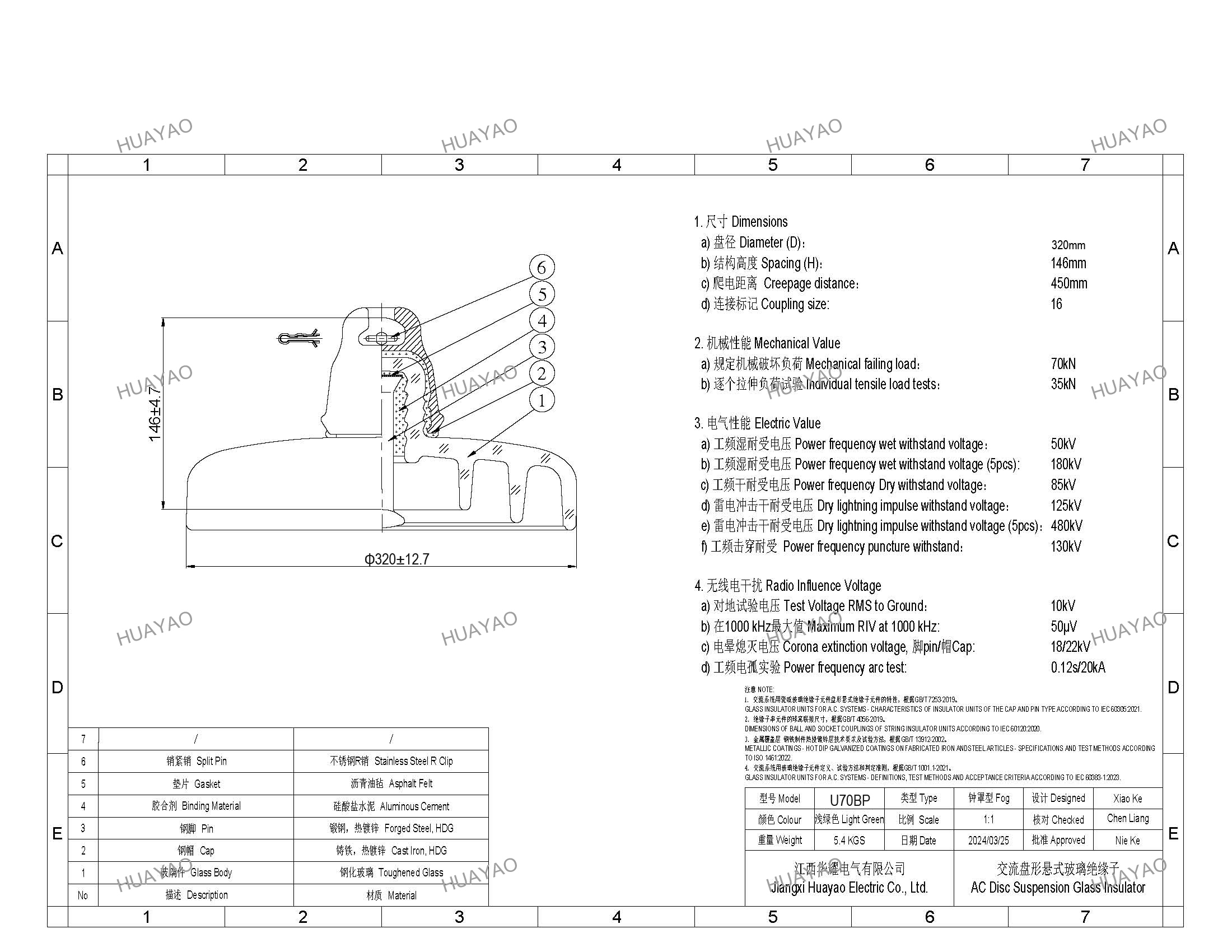
Product Main Parameters
| Model | Diameter D (mm) | Spacing H (mm) | Creepage Distance L(mm) | Mechanical Failing Load (kN) | Weight (kg) |
|---|---|---|---|---|---|
| U70BP/146 | 260 | 146 | 400 | 70 | 5.00 |
Common Product Specifications
| Standard | Voltage Withstand (kV) | Impulse Withstand Voltage (kV) |
|---|---|---|
| IEC | 80 DRY/45 WET | 110 |
Product Manufacturing Process
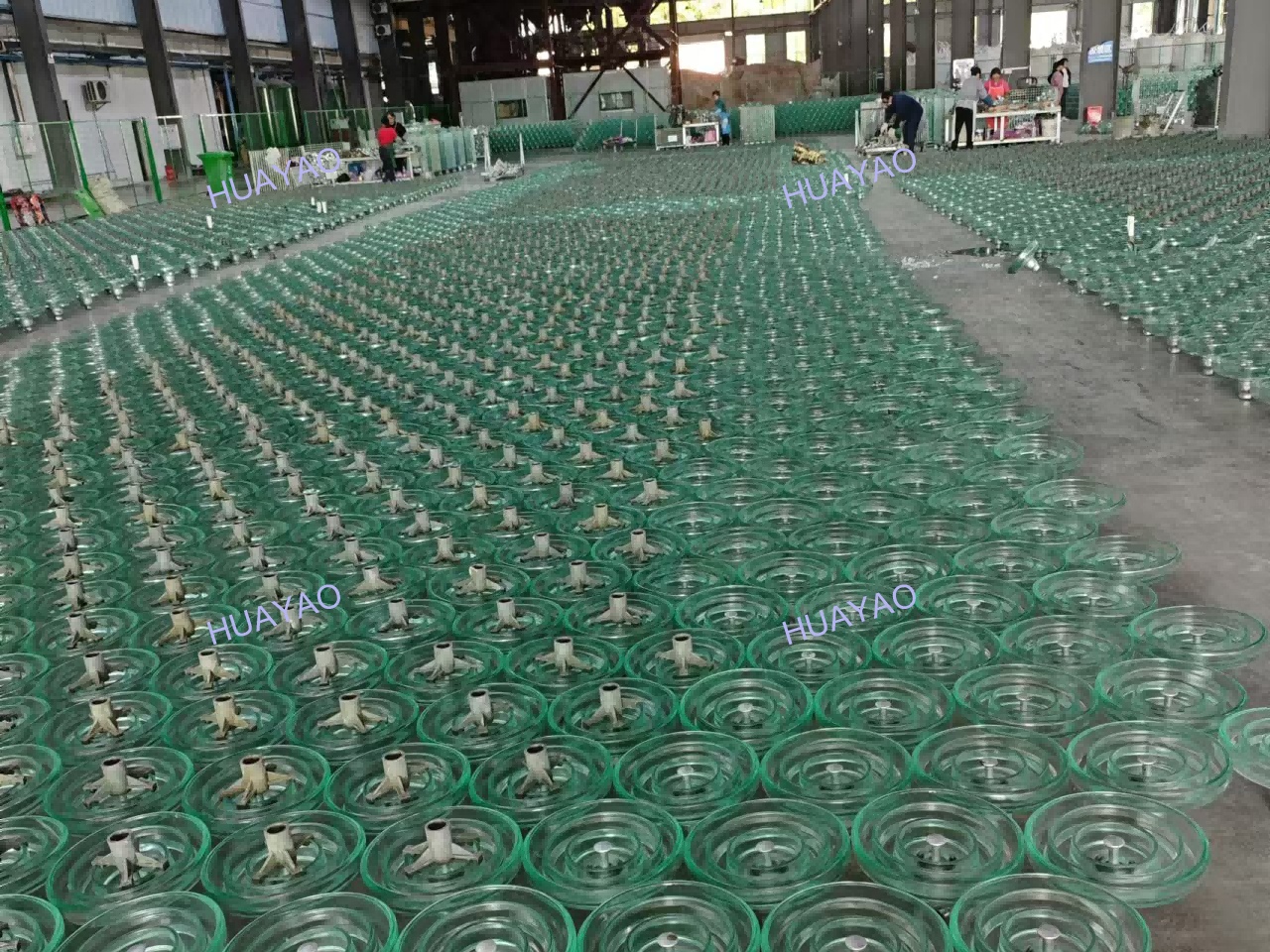
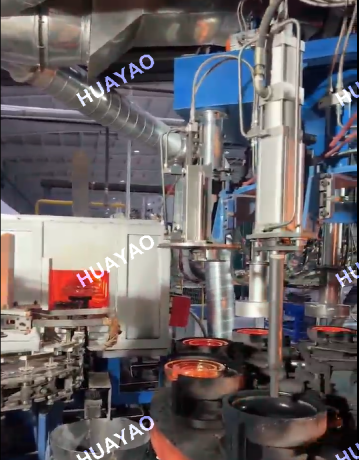
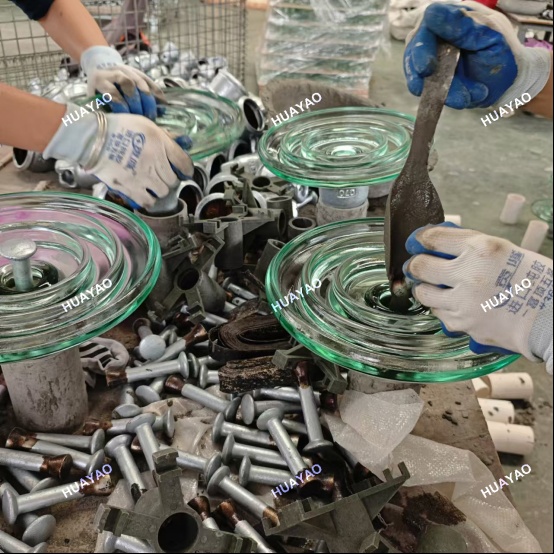
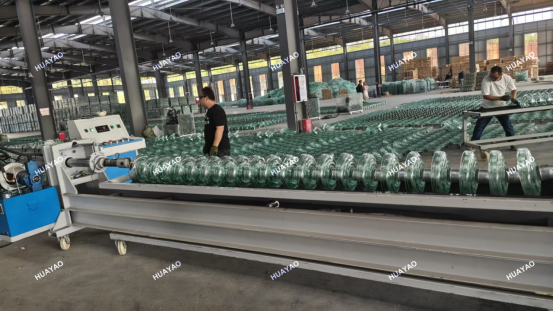
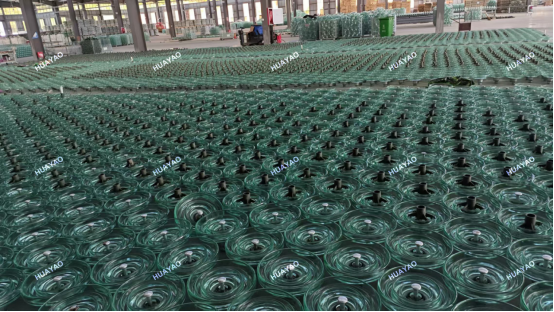
According to authoritative studies, the manufacturing of toughened glass insulators involves a precise process of glass melting, shaping, and tempering to achieve their enhanced properties. The process starts with the selection of high-quality raw materials, followed by careful melting in a controlled environment to avoid impurities. The molten glass is then formed into specific shapes and rapidly cooled in a quenching process to increase its toughness. This process, known as tempering, ensures that the glass can withstand mechanical stress, temperature fluctuations, and environmental factors such as wind and ice. These insulators undergo rigorous quality checks, including mechanical and electrical testing, to ensure they meet international standards before being shipped for use in high-voltage transmission systems.
Product Application Scenarios
Toughened glass insulators find their application prominently in high-voltage power transmission lines across various environments, including coastal areas prone to salt corrosion and regions with extreme weather conditions. Their strong arc resistance makes them suitable for use in areas with high thunderstorm activity, while their anti-fouling properties are beneficial in industrial zones with significant pollution. These insulators are also adapted for use in HVDC systems, providing reliable voltage insulation for long-distance power transmission. As global demand for electricity increases, these insulators play a critical role in ensuring stable and efficient energy distribution worldwide.
Product After-Sales Service
We offer comprehensive after-sales services ensuring customer satisfaction. Our team provides technical support and assistance with installation, maintenance, and troubleshooting. We are committed to resolving any issues swiftly and ensuring the reliable performance of our glass insulators.
Product Transportation
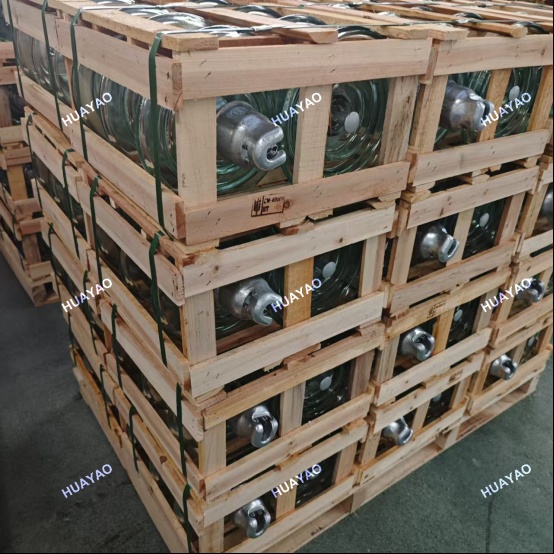
Our glass insulators are packaged securely using environmentally-friendly materials to prevent damage during transportation. We partner with reputable logistics providers to ensure timely and safe delivery worldwide, supported by tracking services for transparency throughout the shipping process.
Product Advantages
- Toughened glass ensures high mechanical strength and durability.
- Anti-fouling properties reduce maintenance needs and costs.
- Resistant to environmental stressors like wind, ice, and salt.
- Recyclable materials enhance sustainability.
- Manufactured according to international standards ensuring reliability.
Product FAQ
- What is the lifespan of the new glass insulators? The new glass insulators are designed to last for over 35 years with proper maintenance, maintaining mechanical and electrical performance without significant aging.
- Are these insulators suitable for coastal areas? Yes, they have excellent resistance to salt corrosion, making them ideal for use in coastal regions.
- How do they perform in polluted industrial areas? The anti-fouling coating protects against contaminants, ensuring effective insulation in polluted environments.
- What voltage levels are these insulators designed for? They meet the requirements for voltage transmission from 10kV to 500kV.
- Do you offer customization options? Yes, we can customize insulators to meet specific requirements regarding size and coating.
- How is the quality assured? We follow strict quality controls and offer third-party inspections through organizations like Intertek and SGS.
- What are the main materials used? The insulators are made with toughened glass and an anti-fouling fluorocarbon coating.
- How do I place an order? Orders can be placed directly through our sales team or website, where we offer guidance on choosing the right product.
- What support is available post-installation? We offer technical support and maintenance guidance post-installation.
- Can these insulators handle extreme temperatures? Yes, they are designed to withstand extreme temperatures, making them suitable for various climatic conditions.
Product Hot Topics
- How toughened glass insulators improve power grid reliability Toughened glass insulators are critical for maintaining efficient and reliable power transmission, particularly in high-voltage applications. Their enhanced mechanical strength and environmental resistance reduce the risk of failure, ensuring consistent performance even under challenging conditions.
- The role of anti-fouling coatings in reducing maintenance costs The innovative anti-fouling coatings on these insulators significantly decrease the need for regular maintenance and cleaning, as they resist dirt accumulation. This reduces operational costs and enhances the insulators' longevity, making them a cost-effective solution for power grid operators.
- Environmental benefits of using recyclable glass insulators As sustainability becomes increasingly important, recyclable glass insulators offer environmental advantages over alternative materials. Their recycling potential reduces waste and energy consumption, aligning with global efforts to minimize the ecological footprint of industrial operations.
- Adaptation of glass insulators for HVDC systems With the growing demand for long-distance electricity transmission, HVDC systems require reliable insulating components. Glass insulators, with their enhanced properties, are well-suited to meet these demands, supporting the efficient transfer of power over extended distances.
- Challenges and solutions in manufacturing high-quality glass insulators The manufacturing process for glass insulators involves overcoming challenges related to material purity and structural integrity. Advanced technologies and strict quality controls ensure the production of insulators that meet the highest standards of performance and reliability.
- Comparing glass insulators with porcelain and polymer alternatives Glass insulators offer distinct advantages over porcelain and polymer options, particularly in terms of durability, environmental resistance, and life cycle. Understanding these differences helps in making informed choices for specific applications in power transmission.
- Innovations in composite materials for electrical insulators The integration of advanced composite materials in glass insulator design enhances their electrical and mechanical properties, providing superior performance in high-voltage applications. These innovations are paving the way for more efficient electrical systems globally.
- Impact of computational design in optimizing insulator performance Computational tools have revolutionized the design of glass insulators, enabling precise optimization of shapes and stress distributions. This results in improved performance and reduced risk of mechanical failure, contributing to more reliable power grid operations.
- Future trends in the production and use of glass insulators As the electrical industry evolves, future trends point towards increased use of smart technologies and materials in insulator production. These advancements aim to further enhance efficiency, durability, and adaptability to changing environmental and operational requirements.
- Global market outlook for glass insulators in power distribution The demand for glass insulators is expected to grow as nations invest in upgrading and expanding their electrical infrastructure. These components play a crucial role in ensuring the stability and efficiency of power distribution networks worldwide.
Image Description

-
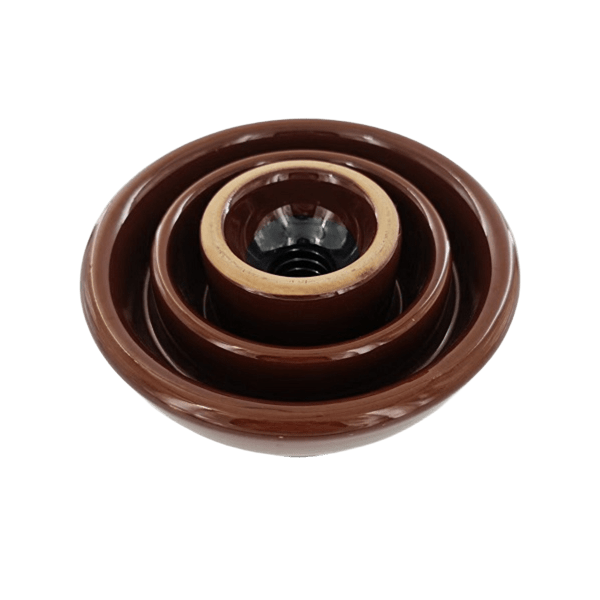
China Porcelain Power Line Insulators ANSI 55-5
-

High Voltage Glass Insulator Manufacturer - U100BS
-
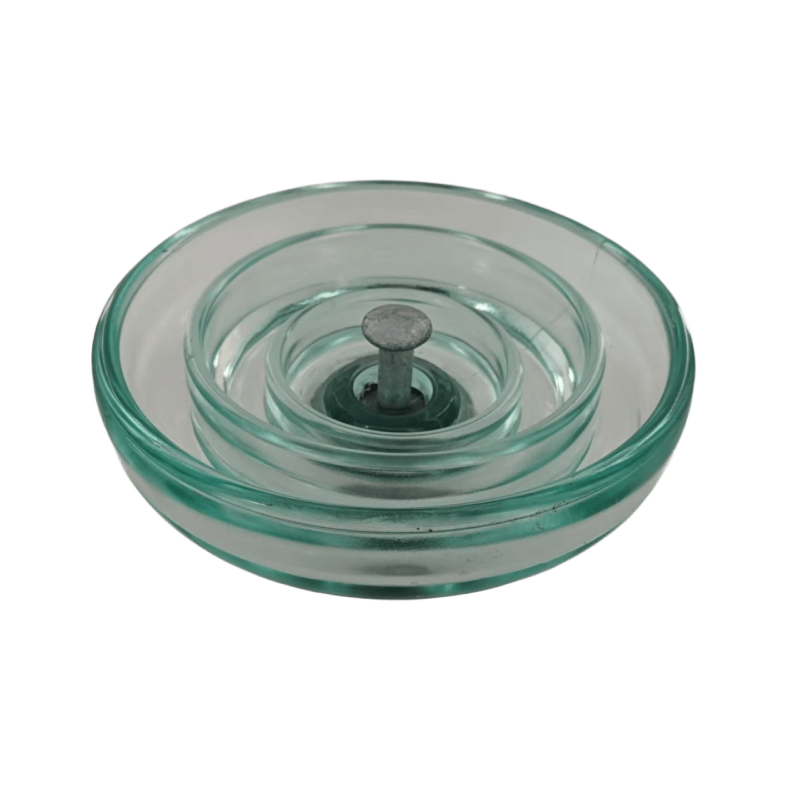
China Glass Jar Insulator: U120BP-1 High Voltage
-
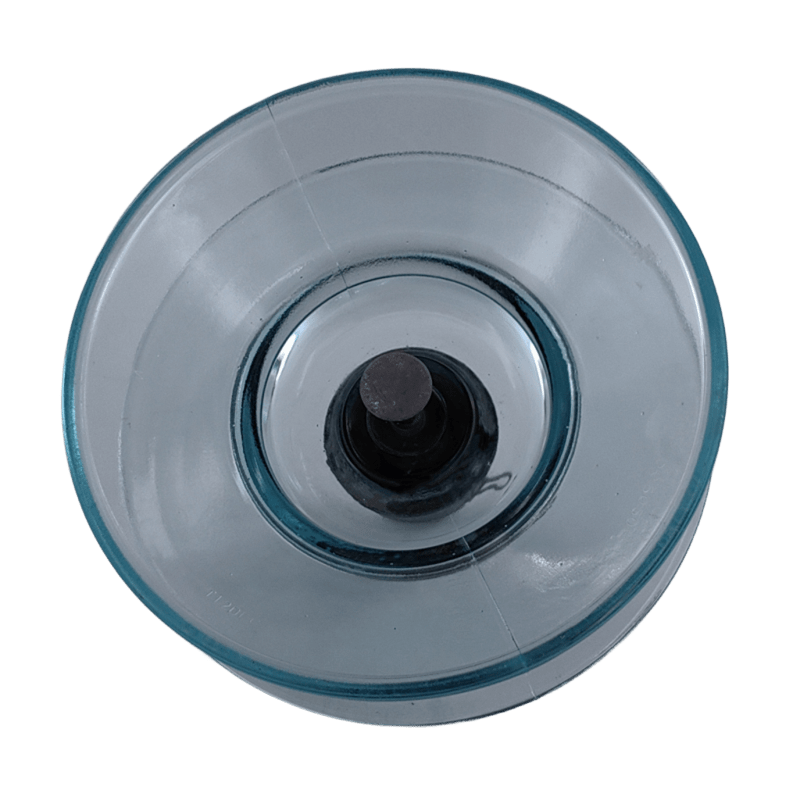
Reliable Supplier of Glass Insulators for Electricity
-
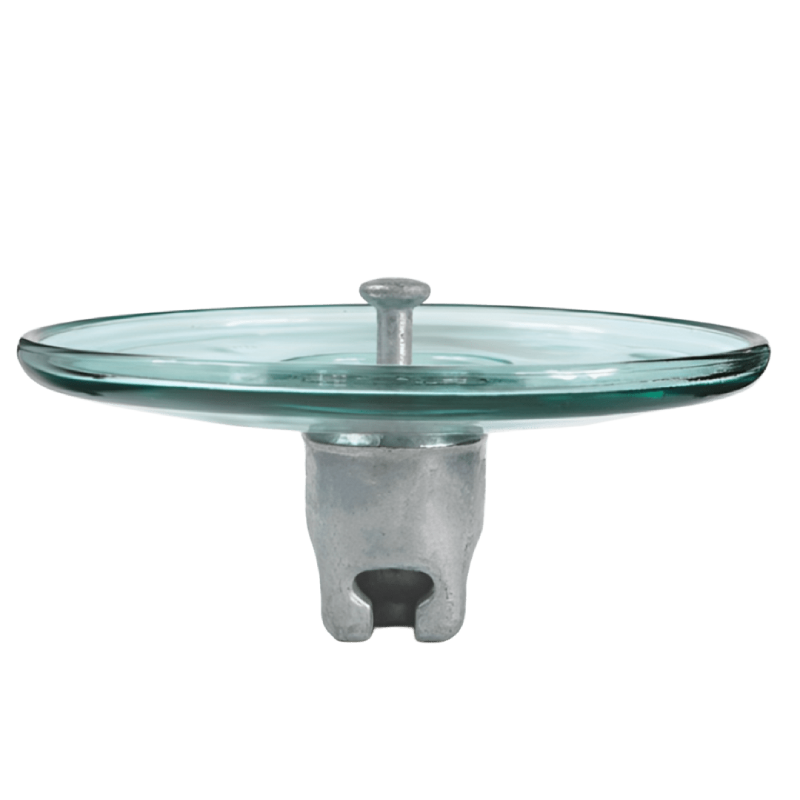
China Different Types of Glass Insulators U210BP/170M
-

Reliable Supplier: Porcelain Bushing is Used for Voltage Up to 765kV
 Privacy settings