

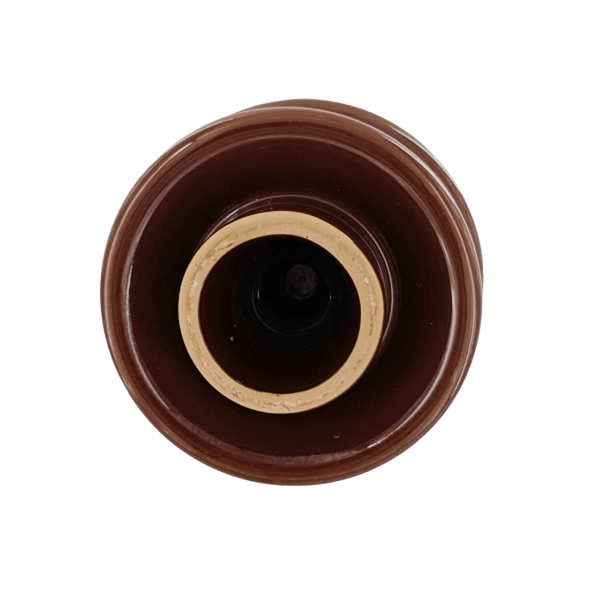
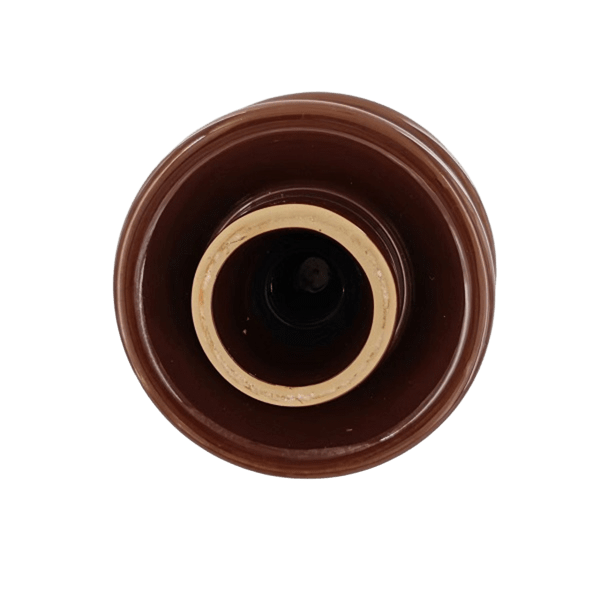
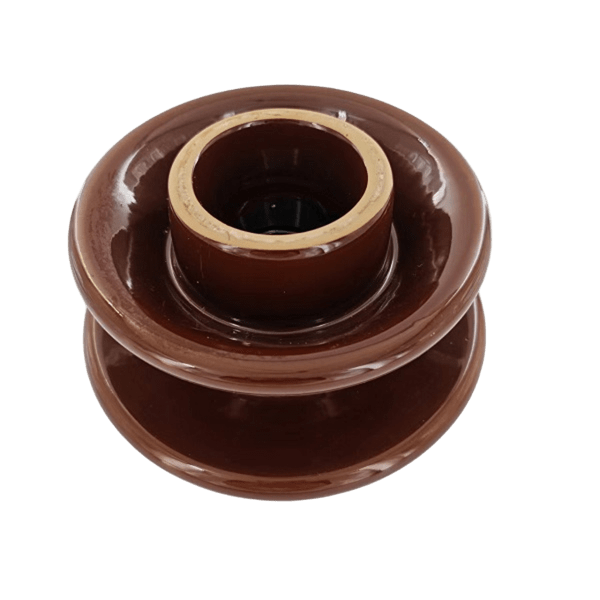
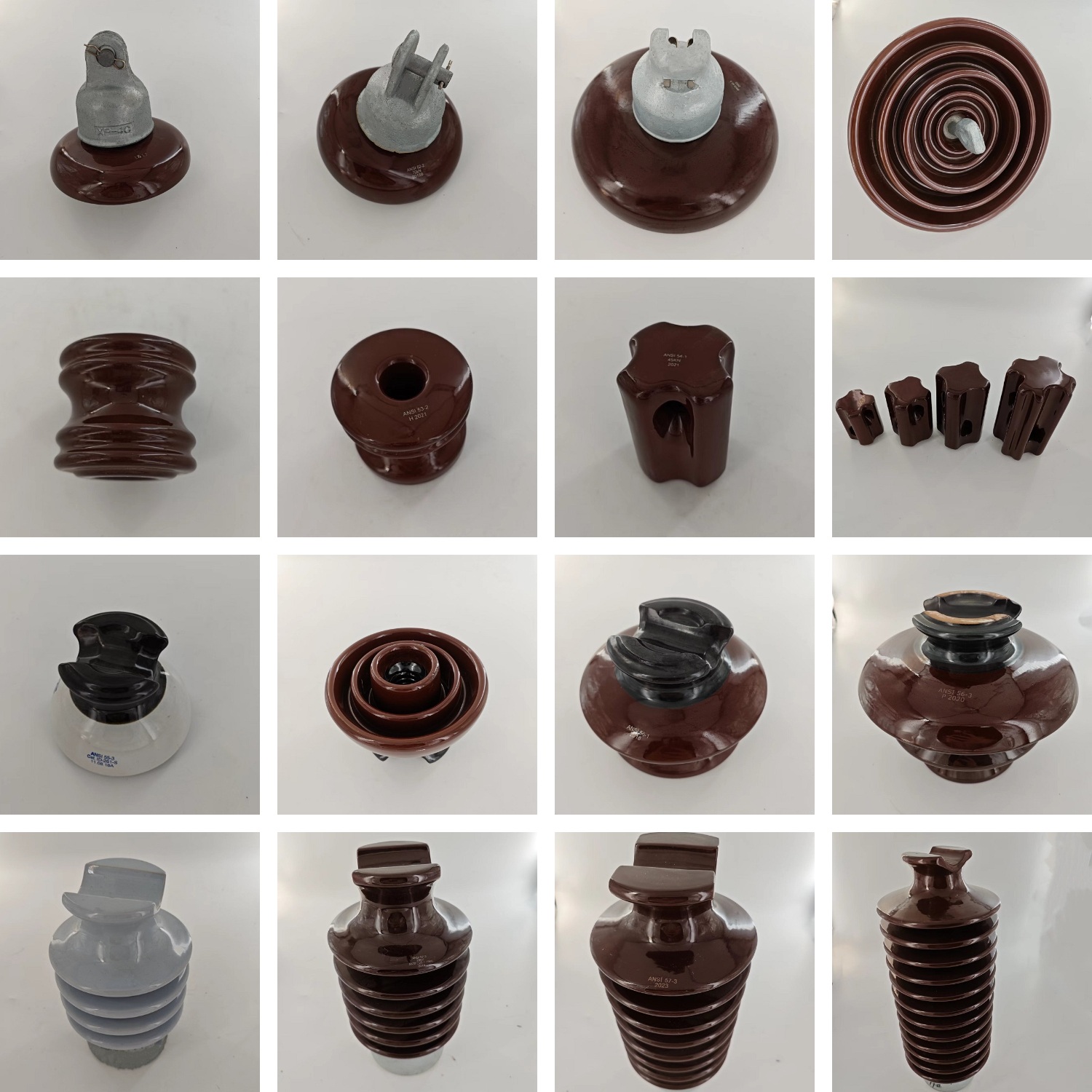
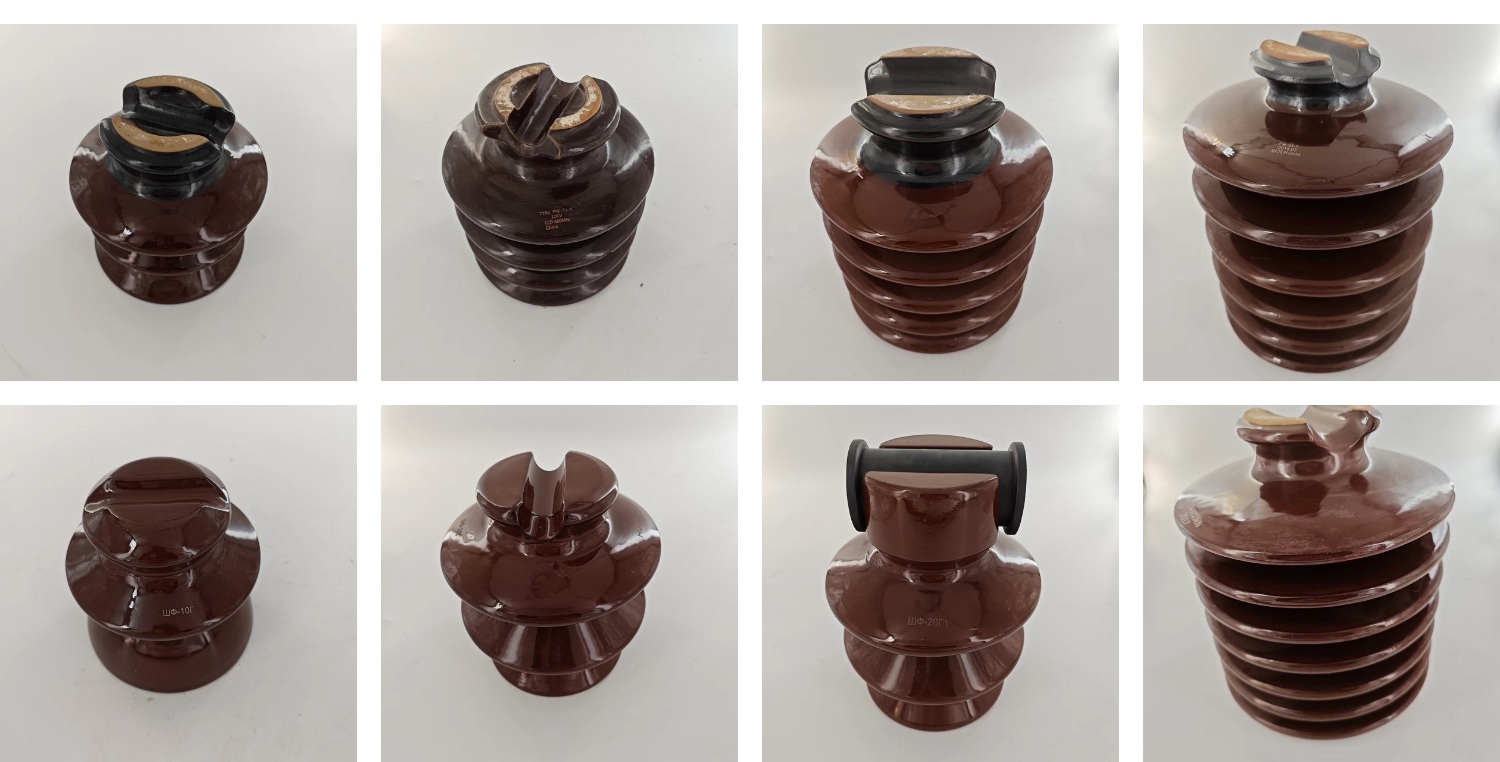
Supplier of Old Porcelain Electrical Insulator ANSI 56-2
Short Description:
 Phone
Phone
 whatsapp
 Email
Email
Product Details
| Parameter | Value |
|---|---|
| Diameter | 229mm |
| Height | 165mm |
| Creepage Distance | 432mm |
| Cantilever Strength | 13.6kN |
Common Product Specifications
| Model | Voltage (kV) | Dry Flashover Voltage (kV) | Wet Flashover Voltage (kV) |
|---|---|---|---|
| 56-1 | 23 | 95 | 60 |
| 56-2 | 23 | 110 | 70 |
| 56-3 | 34.5 | 125 | 80 |
Product Manufacturing Process
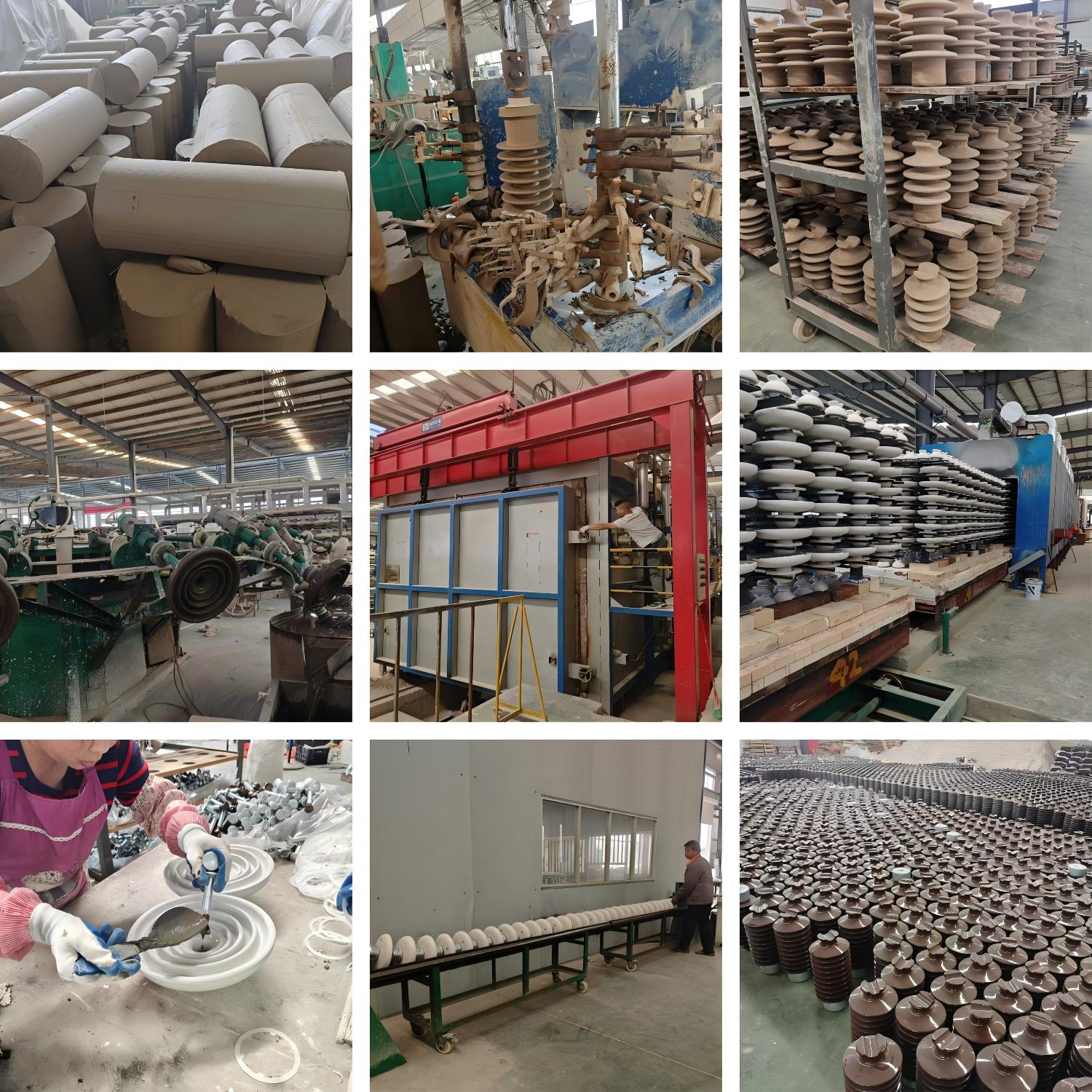
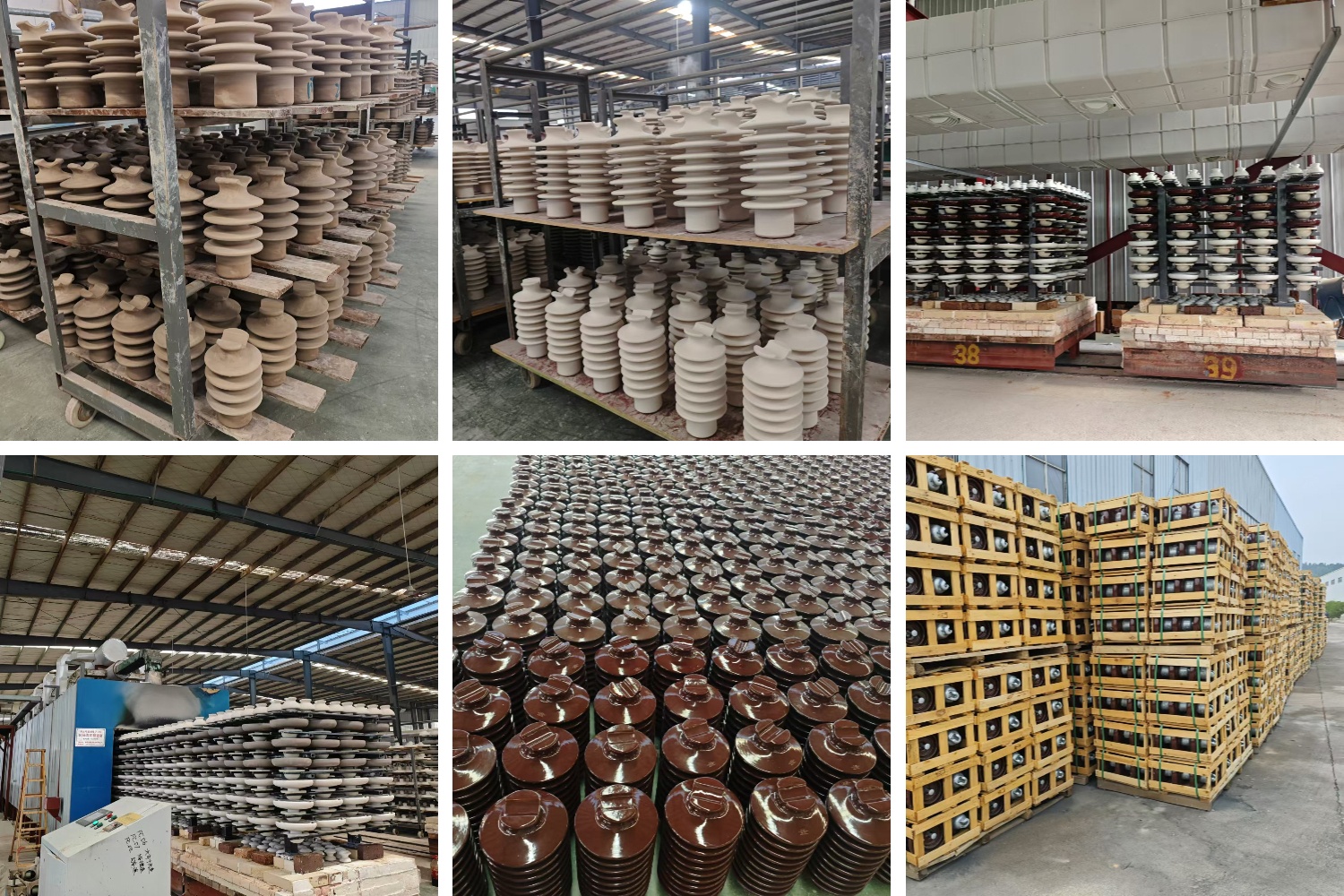
According to authoritative research, the production of old porcelain electrical insulators involves a meticulous process. Initially, raw materials such as kaolin and other clays are mixed and formed into the desired shape. This is followed by drying and glazing to enhance durability and insulating properties. The insulators are then heat-treated in kilns to achieve the necessary hardness and non-conductive characteristics. The final steps include assembly and quality testing to ensure they meet stringent industry standards. This comprehensive process highlights the technical expertise and attention to detail by the supplier.
Product Application Scenarios
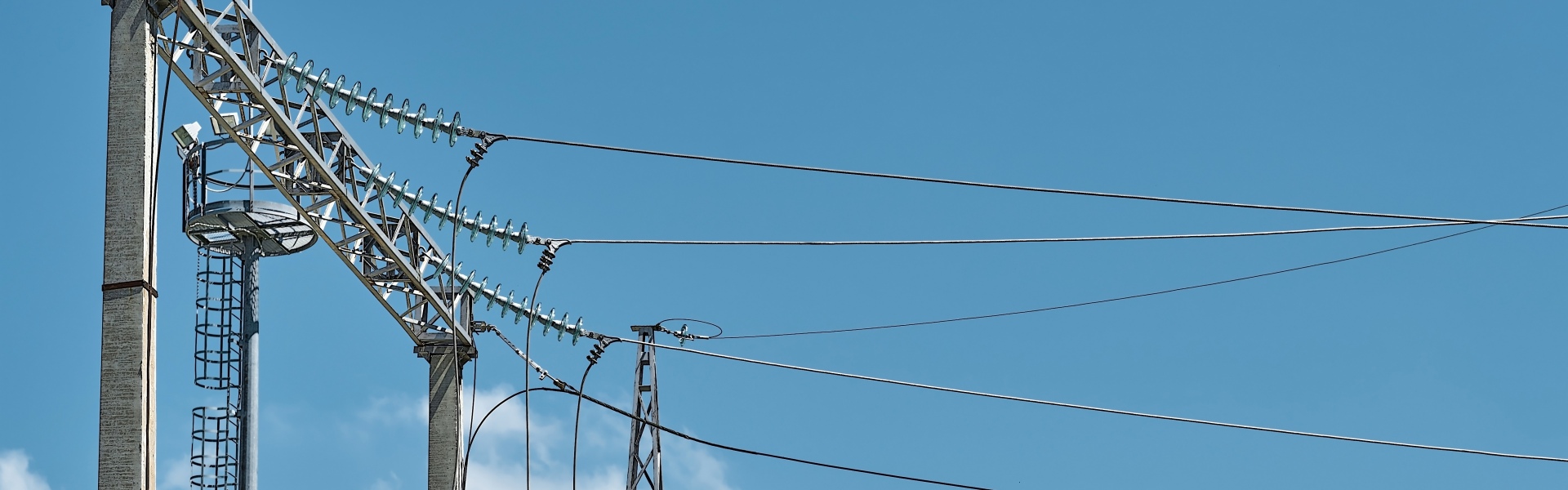
Based on industry reports, old porcelain electrical insulators are primarily used in high voltage power systems, particularly in regions adopting American standards. These insulators excel in insulating overhead lines against environmental elements, ensuring efficient and safe electrical transmission. Their robust construction and insulating properties make them ideal for various climates, maintaining performance in both dry and wet conditions. The supplier's commitment to quality ensures these insulators contribute to reliable power distribution across diverse infrastructures.
Product After-Sales Service
The supplier offers comprehensive after-sales support including technical assistance, product replacement, and customer service to address any issues related to old porcelain electrical insulators.
Product Transportation
Ensuring secure delivery, each old porcelain electrical insulator is packaged to prevent damage during transit. Shipping options include both sea and air freight, delivering globally from ports like Ningbo and Shanghai.
Product Advantages
- High durability against environmental stressors.
- Compliant with international standards.
- Meticulous manufacturing process ensuring quality.
- Trusted supplier with global reach.
- Excellent electrical insulation properties.
Product FAQ
- Q: What are the main uses of old porcelain electrical insulators?
A: They are primarily used in high voltage overhead power lines to insulate and support electrical wires, preventing short circuits and ensuring safe transmission. - Q: Why choose porcelain over other materials?
A: Porcelain offers superior durability, excellent insulating properties, and resistance to heat and moisture, making it ideal for harsh environments. - Q: How does the supplier ensure product quality?
A: Quality is maintained through stringent manufacturing processes and third-party inspections from agencies like Intertek and SGS. - Q: Are these insulators compliant with ANSI standards?
A: Yes, the old porcelain electrical insulators meet ANSI 56-2 standards, ensuring they are suitable for use in systems adhering to American standards. - Q: What is the lifespan of these insulators?
A: When maintained properly, these insulators can last decades due to their durable construction and environmental resistance.
Product Hot Topics
- Sustainability of Old Porcelain Electrical Insulators
Porcelain insulators, offered by reputed suppliers, continue to be preferred due to their sustainable production methods and long-term durability, reducing the need for frequent replacements. - Historical Significance and Collectability
Collectors value old porcelain electrical insulators for their historical significance and unique designs, making them a cherished addition to both private collections and public exhibitions. - Modern Applications of Vintage Insulators
While newer materials have emerged, the reliability of old porcelain insulators still finds relevance in areas requiring high durability and environmental resilience. - Technical Aspects of Porcelain Insulation
The technical superiority of porcelain in insulation applications ensures its continued use, with advancements in glazing techniques further enhancing performance. - Global Demand Dynamics
The demand for old porcelain electrical insulators varies by region, influenced by local infrastructure needs and standards.
Image Description
-
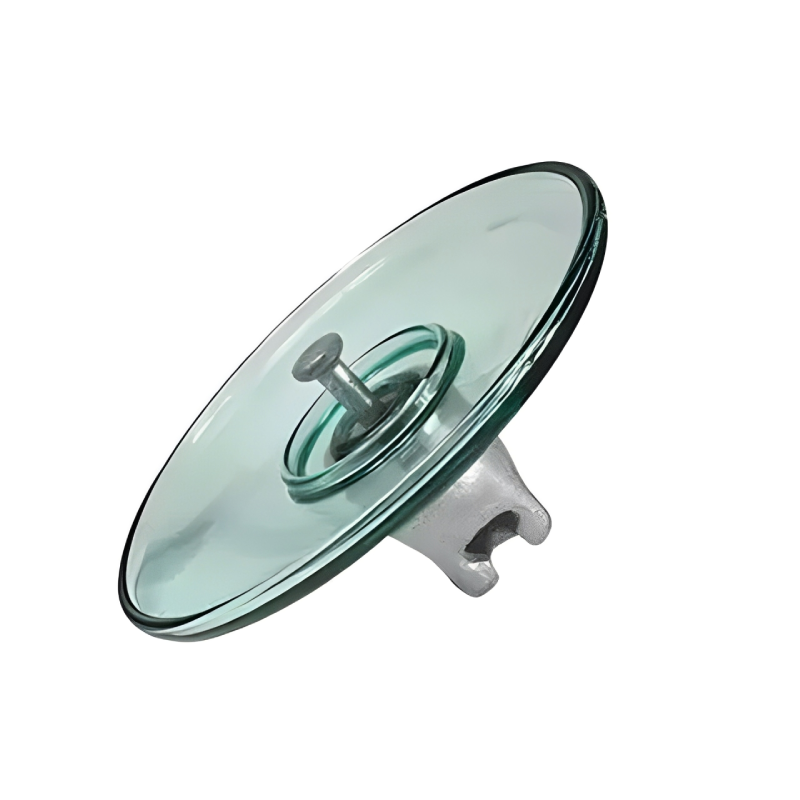
China Glass Power Pole Insulators U210BP/170M
-
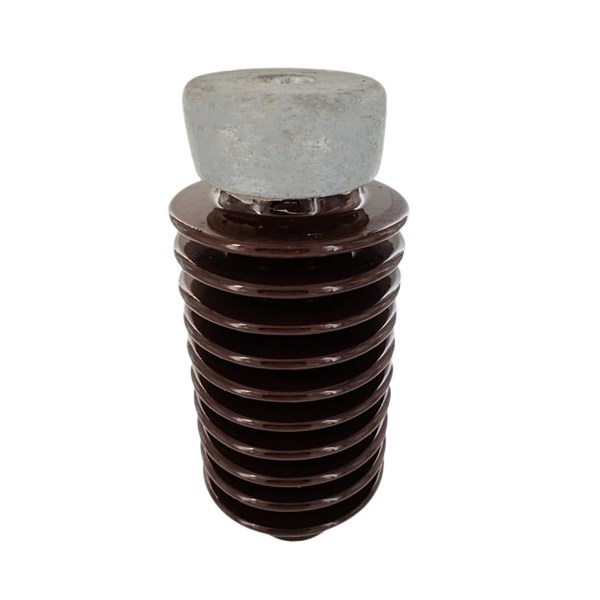
Wholesale 11kV Porcelain Insulators - High Voltage Solutions
-

Factory-Sourced Pin Porcelain Insulator PW-33-Y 33kV
-
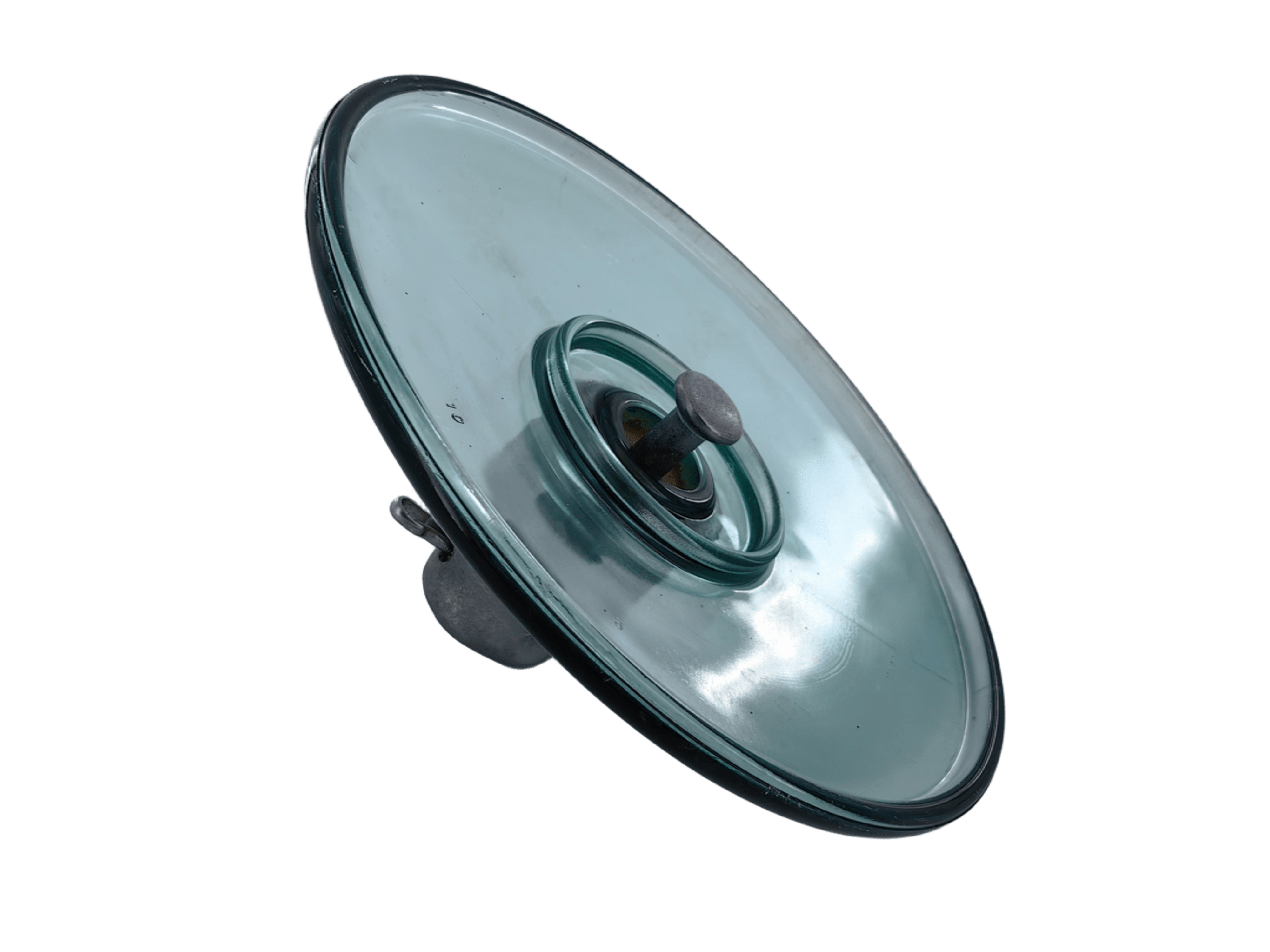
Wholesale Glass Electric Wire Insulators 33KV 160KN
-

Wholesale High Voltage Glass Insulator Value Guide
-
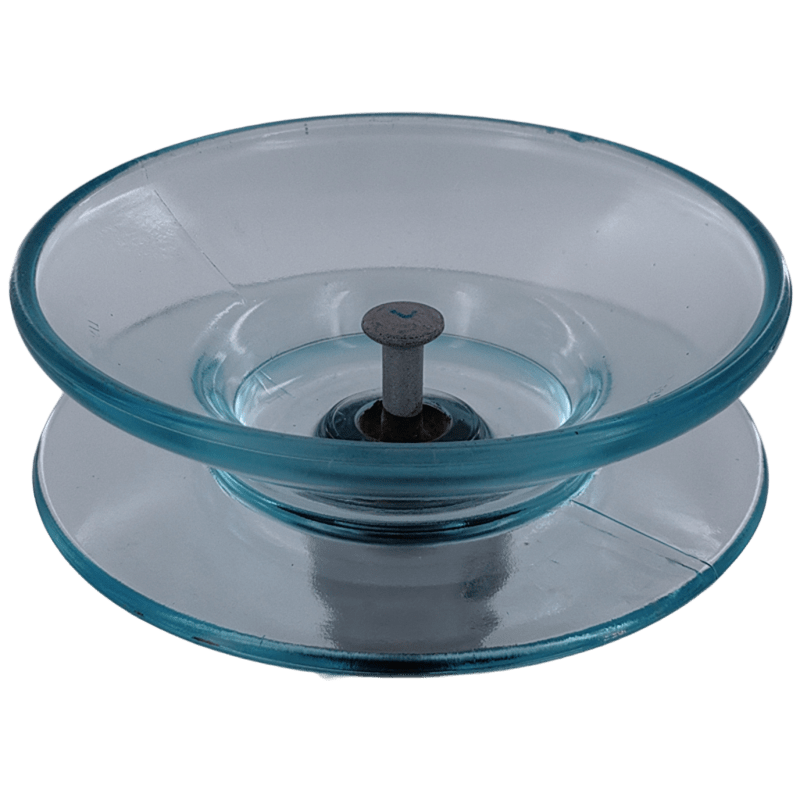
China's 4 Good Insulators: 33KV 160KN Glass Insulator
 Privacy settings