

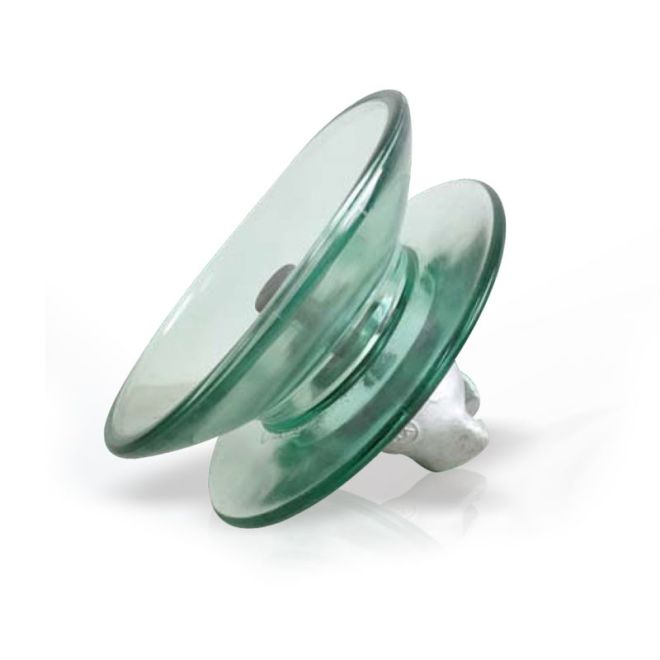
Introduction to toughened glass insulators
In the world of power transmission, the durability and reliability of components are paramount. One such critical component is the insulator, and among the various types available, toughened glass insulators have emerged as a superior choice. Toughened glass insulators offer unique advantages over traditional materials, contributing to enhanced performance, reduced maintenance, and overall cost-effectiveness in power lines. This article explores the reasons why toughened glass insulators are preferred, delving into their types, features, advantages, and the competitive edge they provide in modern power systems.
● The Role of Insulators in Power Lines
Insulators play a crucial role in power lines by supporting and insulating the conductors, preventing unwanted flow of current to the earth. They must withstand varying environmental conditions and mechanical stress, making their material composition of utmost importance. Traditional insulators, such as those made from porcelain, have long been used; however, advancements in materials technology have brought toughened glass insulators to the forefront.
Types of Toughened Glass Insulators
● Different Models and Applications
Toughened glass insulators are available in various models, each tailored to specific applications in power systems. Notable models include the LXAP-160, which boasts a key dimension of 420x146mm, a creepage distance of 380mm, and a minimum breaking strength of 160kN. These specifications make it suitable for heavy-duty applications. On the other hand, aerodynamic disc suspension toughened glass insulators, such as the U70BP to U240BP models, are designed for high-voltage applications, ensuring reliable performance under extreme conditions.
● High-Voltage Compatibility
The compatibility of toughened glass insulators with high-voltage applications is one of their standout features. They are engineered to withstand the electrical and mechanical stresses associated with high-tension systems, making them an ideal choice for modern power lines. Their robust design and ability to handle voltages above 500kV underscore their superiority over traditional insulators.
Compliance with Industry Standards
● Adherence to IEC and ANSI Standards
Toughened glass insulators are designed to comply with international standards, including those set by the International Electrotechnical Commission (IEC) and the American National Standards Institute (ANSI). This compliance ensures that these insulators meet stringent quality and performance benchmarks, making them reliable and safe for use in various power transmission systems.
● The Importance of Standard Compliance
Compliance with industry standards is not merely a formality; it is an assurance of quality and reliability. For power lines, where safety and performance are critical, using components that adhere to recognized standards is essential. Toughened glass insulators' compliance with IEC and ANSI standards provides peace of mind to power utilities, ensuring consistent performance and longevity.
Durability and Materials Used
● Impact-Resistant Glass Shell
The durability of toughened glass insulators is largely attributed to their material composition. The glass shell used in these insulators is toughened through a special process, enhancing its impact resistance. This makes the insulators capable of withstanding physical stresses such as strong winds, ice loads, and even vandalism, which are common challenges in outdoor power line applications.
● Galvanized Fittings Meeting ASTM Standards
In addition to the toughened glass, the fittings used in these insulators are made from galvanized materials that exceed ASTM standards. This ensures excellent corrosion resistance, further enhancing the durability and lifespan of the insulators. The combination of a robust glass shell and high-quality fittings makes toughened glass insulators a reliable choice for long-term use in harsh environments.
Enhanced Performance Features
● Inclusion of Zinc Sleeves and RTV Silicone Coating
To optimize their performance, toughened glass insulators often include additional features such as zinc sleeves and RTV (Room Temperature Vulcanizing) silicone coating. Zinc sleeves provide additional protection against corrosion, while the RTV silicone coating enhances the insulator's hydrophobic properties, reducing the likelihood of surface contamination. These features contribute to the insulators' superior performance and reduce the need for frequent maintenance.
● Benefits of Optimized Composition
The optimized composition of toughened glass insulators ensures they deliver high mechanical and electrical performance. The combination of materials and coatings results in insulators that can handle higher loads with reduced risk of failure. This not only improves the reliability of power lines but also extends the service life of the insulators, providing cost savings in the long run.
Manufacturing and Quality Control
● Precise Manufacturing Processes
The manufacturing of toughened glass insulators involves precise processes that ensure consistency and quality. From the selection of raw materials to the final assembly, every step is carefully controlled. Advanced techniques and equipment are used to achieve the exact specifications required for optimal performance.
● Extensive Quality Control Measures
Quality control is a critical aspect of manufacturing toughened glass insulators. Each insulator undergoes rigorous testing, including 100% power frequency testing before delivery. This ensures that only insulators meeting the highest standards reach the end users. The commitment to quality control minimizes the risk of defects and failures, making toughened glass insulators a dependable choice.
Detecting and Inspecting Damage
● Clear Visual Indicators of Damage
One of the distinct advantages of toughened glass insulators is their transparency, which allows for easy detection of damage. Any cracks or defects are visible to the naked eye, facilitating quick and effective inspections. This transparency eliminates the guesswork often involved in inspecting traditional insulators, enabling timely maintenance interventions.
● Ease of Inspection and Maintenance
The ease of inspection associated with toughened glass insulators translates to reduced maintenance costs and improved operational efficiency. Power utilities can carry out routine checks more efficiently, identifying and addressing issues before they escalate. This proactive approach to maintenance enhances the reliability of power systems and reduces downtime.
Advantages Over Porcelain Insulators
● Stability of Raw Materials
Toughened glass insulators exhibit more stable raw materials compared to porcelain insulators. This stability leads to better electrical and mechanical properties, making them a preferred choice for modern power lines. The inherent characteristics of glass, such as its resistance to environmental degradation, provide a distinct advantage over porcelain.
● Comparison of Mechanical and Electrical Strengths
When comparing mechanical and electrical strengths, toughened glass insulators outperform their porcelain counterparts. They offer higher mechanical and electrical strength, allowing for smaller size and weight. This not only improves the efficiency of power lines but also simplifies transportation and installation.
Longevity and Aging Resistance
● Slower Aging Process
The aging process of toughened glass insulators is significantly slower compared to other materials. This resistance to aging is a result of the high-quality materials and manufacturing processes used. As a result, toughened glass insulators maintain their performance levels over extended periods, reducing the need for frequent replacements.
● Resistance to Surface Cracking
Surface cracking is a common issue with some insulator materials, but toughened glass insulators are less prone to this problem. Their robust design and material composition offer excellent resistance to cracking, even under extreme weather conditions. This durability is critical for maintaining the integrity of power lines and ensuring continuous electrical service.
Operational Efficiency and Cost Reduction
● Reduced Need for Preventive Testing
Toughened glass insulators require less preventive testing during their operational lifespan, thanks to their durability and reliability. This reduction in testing not only saves time but also lowers maintenance costs, contributing to the overall cost-effectiveness of power systems.
● Modular Design Leading to Inventory Reduction
The modular design of toughened glass insulators allows for interchangeable components, simplifying inventory management for power utilities. This flexibility reduces the need to stock multiple insulator types, resulting in cost savings and streamlined operations. The efficiency gained through reduced inventory requirements further underscores the benefits of choosing toughened glass insulators.
Conclusion: The Competitive Edge of Toughened Glass Insulators
In conclusion, toughened glass insulators offer a myriad of benefits that make them a superior choice for power lines. From their compliance with international standards and enhanced durability to their ease of inspection and cost-effectiveness, they provide a competitive edge over traditional insulators. By choosing toughened glass insulators, power utilities can enhance the reliability and efficiency of their systems, ensuring consistent and uninterrupted power supply.
● Introduction to Huayao
Huayao, located in Jiangxi Province, China, is a leading manufacturer of toughened glass insulators. With a registered capital of 120 million yuan and a factory spanning 47 acres, Huayao integrates R&D, production, sales, and solutions into its operations. The company is certified under ISO standards and produces high-quality insulators with capacities from 40kN to 550kN for ultra-high voltage lines. Committed to quality and innovation, Huayao exports to over 40 countries, providing reliable insulator solutions to customers worldwide.
 Privacy settings