

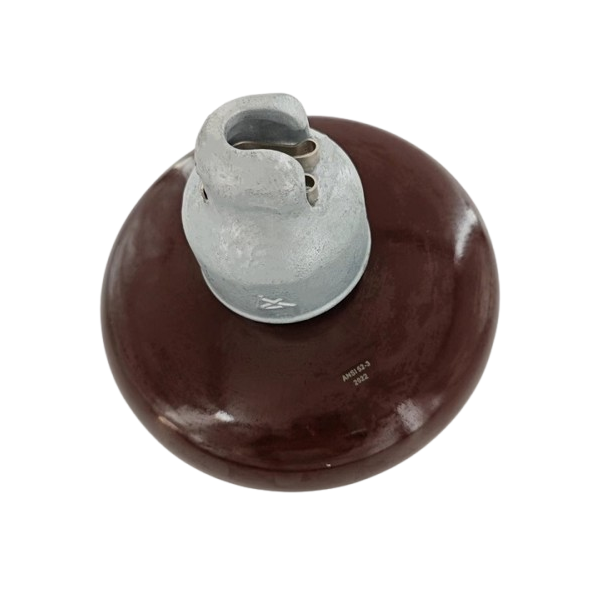
Understanding Porcelain Ceramic Insulators in Electrical Systems
Porcelain insulators are crucial components in electrical power distribution and transmission systems. They serve the essential function of supporting and insulating electrical conductors, preventing current leakage to earth or between conductors of different phases. Given their importance, understanding the safety considerations associated with porcelain insulators is vital to ensuring the reliability and safety of electrical systems.
Design Limitations and Safety Features
Stress Tolerance and Mechanical Limits
Porcelain insulators are designed to withstand significant stress from being pushed, pulled, and twisted. However, they have limited tolerance for lateral or side loads. Understanding these stress limits is critical when assembling, disassembling, or lifting insulators to prevent mechanical failure and ensure safety.
Pressure and Compressive Strength
Porcelain insulators must meet specific pressure and compressive strength standards to ensure they remain intact under operational conditions. These standards typically involve routine pressure tests that validate the structural integrity of the insulators before they leave the factory or supplier.
Proper Installation Techniques for Safety
Alignment and Connection Precision
Proper installation is paramount to the longevity and safety of porcelain insulators. Misalignment, loose connections, and inadequate support can lead to unnecessary stress, mechanical failure, and safety hazards. Adhering to manufacturer guidelines provided upon purchase or accessed through wholesale suppliers can mitigate these risks.
Installation Tools and Equipment
Using appropriate tools and equipment during installation is critical to maintaining the integrity of porcelain insulators. This includes ensuring that lifting and handling equipment does not exceed the weight and size specifications set by the manufacturer, a common consideration for suppliers.
Maintenance Practices for Longevity
Routine Cleaning and Inspection
Contamination from dust, salt, chemicals, and biologicals can affect the performance of porcelain insulators. Regular cleaning using pressure washing or mild soap is recommended to maintain their efficiency. Avoiding harsh chemicals that can damage the insulator's surface is crucial to prevent premature aging and the need for replacements.
Preventive Replacement and Repairs
Insulators showing signs of wear such as discoloration, chipping, or cracking should be replaced promptly. Ensuring that spare parts are sourced from a reputable factory or supplier guarantees compliance with safety standards and optimal performance.
Environmental and Mechanical Stress Factors
Impact of Temperature and Weather
Porcelain insulators are exposed to varying thermal, mechanical, and electrical stresses, including temperature fluctuations and extreme weather conditions. Proper material selection and design adjustments help mitigate these factors to minimize mechanical failures.
Vibration and Mechanical Impacts
Environmental factors like earthquakes or heavy winds can induce vibrations and impacts on porcelain insulators. Incorporating designs that enhance mechanical resilience against such forces is essential for maintaining system safety and reliability.
Storage and Transportation Considerations
Moisture and Physical Protection
Proper storage is vital for preserving the integrity of porcelain insulators. Insulators should be stored in dry, protected environments to prevent moisture and mechanical damage, which could compromise their performance once installed.
Transport Handling Techniques
During transportation, porcelain insulators must be handled with care to prevent breakage or cracks. Adhering to transport guidelines provided by the manufacturer or wholesale supplier ensures that insulators arrive at the installation site in optimal condition.
Visual Inspections and Signs of Deterioration
Identifying Physical Damage
Regular visual inspections are key to identifying signs of deterioration such as chipping, cracking, or discoloration. These inspections should be conducted by trained personnel equipped with the necessary personal protective equipment.
Conducting Diagnostic Tests
In addition to visual inspections, diagnostic tests can help detect internal issues that are not visible to the naked eye. These tests ensure that porcelain insulators remain safe and effective throughout their service life.
Material Compatibility and Selection Criteria
Choosing Suitable Insulator Materials
The choice of material for porcelain insulators affects their performance and durability. It's important to select materials that are compatible with the specific environmental and operational conditions of the system in which they will be used.
Consideration of Operational Conditions
Operational factors such as voltage levels, load conditions, and environmental influences should guide the selection of porcelain insulators. Consulting with factory representatives or suppliers can provide valuable insights into the best options for a given application.
Regulatory Standards and Compliance Needs
Meeting International Safety Standards
Compliance with local and international safety standards is essential for ensuring the safe operation of porcelain insulators. These standards address material quality, manufacturing processes, and performance testing to ensure reliability.
Adhering to Industry Guidelines
Industry guidelines provide additional safety assurance by outlining best practices for installation, maintenance, and inspection. Ensuring adherence to these guidelines helps prevent accidents and extend the lifespan of porcelain insulators.
Training and Personal Protective Measures
Personnel Training Programs
Continuous training of personnel involved in the installation and maintenance of porcelain insulators is crucial. Training programs should cover insulator handling practices, safety procedures, and emergency response to reduce accident risks.
Personal Protective Equipment Usage
Proper use of personal protective equipment (PPE), including dielectric gloves, safety glasses, and insulating footwear, is essential for protecting personnel during maintenance tasks and in hazardous situations.
Huayao Provide Solutions
At Huayao, we offer comprehensive solutions for ensuring the safety and reliability of porcelain insulators in electrical systems. Our services include detailed product recommendations tailored to specific operational environments, guided maintenance protocols, and training programs for handling and safety. By collaborating with trusted wholesale suppliers and maintaining stringent quality control in our factory processes, we deliver insulators that meet the highest safety standards. Partnering with us ensures your electrical systems remain efficient, safe, and compliant with industry regulations.

 Privacy settings