

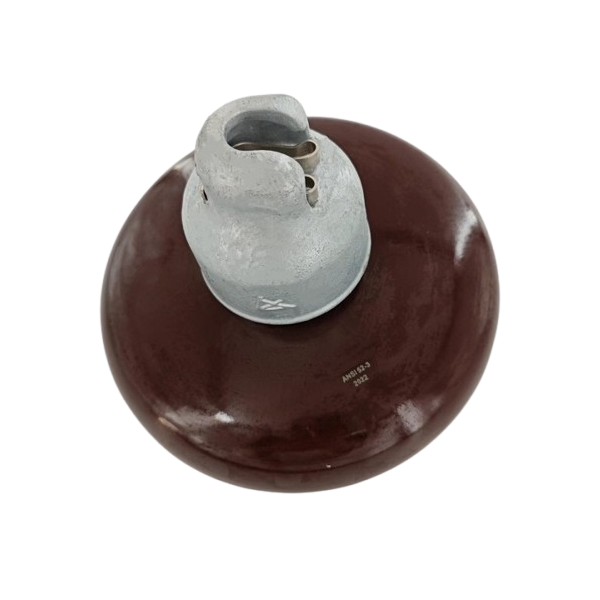
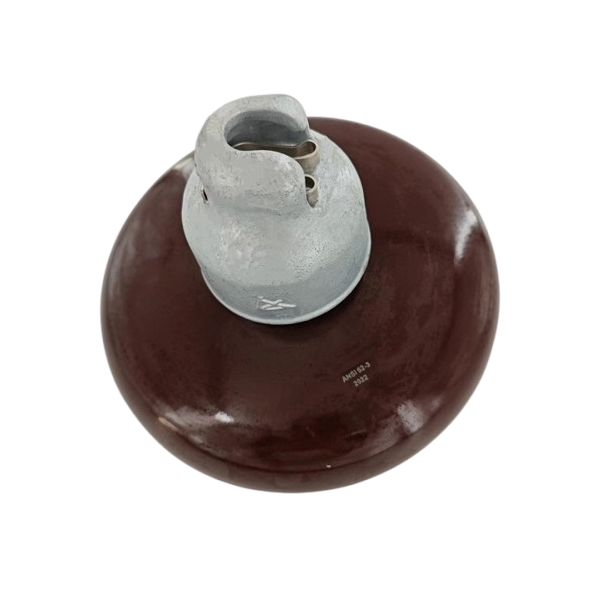
Porcelain insulators play a crucial role in overhead transmission lines, providing mechanical support and electrical insulation. Ensuring their integrity is essential for maintaining network reliability and safety. In this article, we'll explore how to spot cracks or damage in high voltage porcelain insulators, using both visual and advanced techniques, while considering the importance of regular maintenance and replacement strategies.
1. Introduction to Porcelain Insulators
● 1.1 Importance in Transmission Networks
High voltage porcelain insulators are universally applied for the mechanical support and electrical insulation of overhead transmission lines. Their importance cannot be understated as they bear the conductor's weight and withstand various environmental stresses.
● 1.2 Historical Usage and Longevity
In regions like North America, some porcelain insulators have been in service for over 60 years, demonstrating their durability. However, over time, these insulators can deteriorate, necessitating careful condition assessment to prevent transmission failures.
2. Common Types of Damage in Porcelain Insulators
● 2.1 Mechanical Stresses and Environmental Effects
Porcelain insulators face various stresses, including wind, ice, and snow. These can lead to mechanical damage such as cracks, which affect their performance and longevity.
● 2.2 Visible vs. Hidden Defects
While some defects, like chipped porcelain, are visible, others may remain hidden, such as those under the insulator caps. Regular inspection and testing are vital to uncover these hidden issues.
3. Visual Examination of Porcelain Insulators
● 3.1 Identifying Broken Skirts and Chipped Porcelain
A straightforward method to spot damage in high voltage porcelain insulators is through visual inspection. Look for broken skirts and chipped porcelain, which are clear indications of potential mechanical failure.
● 3.2 Observing Discoloration and Surface Contaminations
Discoloration and surface contamination can signal underlying issues. These may manifest as dark lines or stains, indicating that contaminants have seeped into cracks over time.
4. Advanced Detection Techniques
● 4.1 Use of Live-Line Testing Tools
Advanced tools, like buzz sticks, are employed to detect electrically defective insulator units without de-energizing the line. These tools rely on potential differences to identify defects.
● 4.2 Benefits and Limitations of Buzz-Stick and Insulator Testers
While buzz sticks are effective, they can short-circuit defective units. Insulator testers offer an alternative, using limited current to detect electrical faults more safely.
5. Infrared Thermography for Damage Detection
● 5.1 Identifying Temperature Abnormalities
Infrared (IR) thermography is a non-invasive technique used to detect abnormal temperatures in insulator strings. Abnormal heat patterns can highlight defective units that may not be visible to the naked eye.
● 5.2 Application with Helicopter-Mounted IR Cameras
Using helicopter-mounted IR cameras allows for comprehensive surveys of transmission towers, identifying defects swiftly and effectively, without the need for ground-based inspections.
6. Effects of Environmental Conditions
● 6.1 Influence of Ice, Snow, and Wind
Environmental conditions like ice, snow, and wind place additional mechanical and thermal stresses on insulators, leading to potential damage. Regular assessment helps mitigate these risks.
● 6.2 Impact of Lightning and Switching Operations
Lightning and switching operations can induce transient overvoltages that stress insulators. Identifying damage from these events is crucial for maintaining system integrity.
7. Routine Maintenance and Condition Assessment
● 7.1 Importance of Regular Inspections
Regular inspections of high voltage porcelain insulators are critical for early damage detection. Establishing a routine assessment schedule helps prevent network failures.
● 7.2 Historical Success and Policy Implementations
Historically, successful assessments have led to policy changes, improving maintenance practices and ensuring transmission line reliability.
8. Replacement Strategies for Defective Insulators
● 8.1 Prioritization and Scheduling of Maintenance
Setting priorities for insulator replacement based on defect severity ensures that maintenance resources are effectively allocated, reducing the risk of failure.
● 8.2 Impact on System Reliability
Prompt replacement of defective porcelain insulators restores system reliability, minimizing downtime and preventing costly outages.
9. Case Studies and Statistical Insights
● 9.1 Lessons from Past Assessments
Case studies provide invaluable insights into the common causes of insulator damage and effective detection and replacement strategies.
● 9.2 Statistical Distribution of Electromechanical Integrity
Statistical analysis of insulator integrity over time informs predictive maintenance, enhancing long-term system performance and safety.
10. Concluding Thoughts and Future Directions
● 10.1 Technological Advancements in Insulator Assessment
Advancements in detection technologies, such as drones and automated defect recognition, promise to revolutionize porcelain insulator maintenance practices.
● 10.2 The Future of Porcelain Insulator Maintenance Practices
The future of porcelain insulator maintenance lies in integrating advanced technologies and predictive analytics, ensuring efficient and reliable transmission networks.
---
● Jiangxi Huayao Electric Co., Ltd.
Jiangxi Huayao Electric Co., Ltd., based in Shangbu Town Industrial Park, Luxi County, Pingxiang City, Jiangxi Province, China, is a leading glass insulator manufacturer. With a registered capital of 120 million yuan and covering 47 acres, Huayao offers advanced glass insulator products, ranging from 40kN to 550kN, suitable for 10kV to 500kV transmission lines. Certified in quality and safety management, Huayao integrates R&D, production, sales, and solutions, exporting to over 40 countries. Committed to innovation and customer satisfaction, Huayao continues to enhance global electric infrastructure through quality and service excellence.
 Privacy settings