

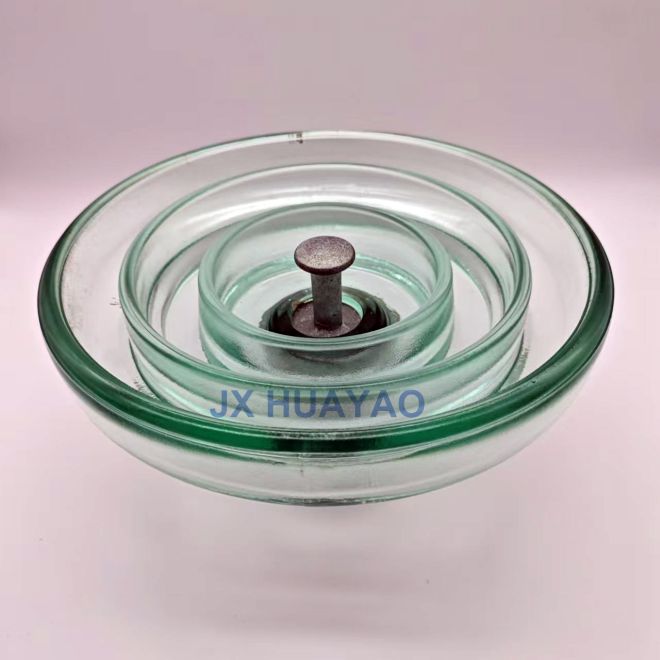
Searching for reliable global suppliers of glass pin insulators can feel like dating apps for hardware—lots of profiles, unclear specs, and you still worry everything might crack under pressure.
Compare certified suppliers, verify test reports, and follow international standards like IEC 60383 (IEC insulator standard) to ensure safe, long‑lasting glass pin insulator sourcing.
📌 Global distribution networks for high-voltage glass pin insulators
Global suppliers of glass pin insulators build wide logistics networks to serve utilities, EPC firms, and OEMs. They focus on stable lead times, certified products, and transparent tracking.
Regional warehouses, third‑party logistics partners, and digital ordering platforms help buyers quickly source standard and custom ratings for transmission and distribution lines.
1. Major export regions and trade routes
Asia–Pacific, Europe, the Middle East, Africa, and the Americas form core export corridors for high‑voltage glass pin and suspension insulators.
- Asia–Pacific: large-scale production and OEM exports
- Europe: grid renewal and interconnection projects
- Middle East & Africa: long-span overhead lines
- Americas: grid hardening and storm resilience
2. Role of stocking distributors and local partners
Local distributors hold buffer stock and offer after‑sales service. They reduce customs delays and help utilities match national standards and line designs.
- Vendor-managed inventory for key ratings
- On-site technical support and training
- Coordination of emergency shipments
3. Integration of e-commerce and digital catalogs
Leading suppliers use online catalogs to present full product lines, such as High voltage suspension 120 kN electrical glass insulator U120BP-1 glass insulators, with datasheets and test reports.
- Instant access to drawings and IEC ratings
- Real-time stock level visibility
- Faster quote and approval cycles
4. Logistics for complex transmission projects
Global projects require synchronized deliveries of towers, conductors, and insulators. Suppliers plan packing, pallets, and shipping sequences to match site progress.
| Phase | Logistics focus |
|---|---|
| Design | Confirm insulator ratings and hardware |
| Construction | Stage deliveries by section |
| Commissioning | Provide spares and replacements |
📌 Key technical standards guiding international glass pin insulator suppliers
Global suppliers design glass pin and suspension insulators to meet strict IEC, ANSI, and regional standards, ensuring safe grid operation under varied climates.
Compliance supports cross‑border trade and allows utilities to benchmark mechanical strength, electrical performance, and aging behavior when evaluating vendors.
1. Core IEC and ANSI standards for glass insulators
IEC 60383, IEC 60120, and ANSI standards define dimensions, mechanical strength, and electrical performance for pin and suspension insulators.
- Specified mechanical load (SML)
- Dry and wet power frequency tests
- Lightning and switching impulse tests
2. Regional adaptations and utility specifications
Utilities often add extra clauses, especially for pollution and icing. Anti-fog profiles, such as 210kN insulators U210BP Anti-Fog Suspension Electrical Glass Insulator, address heavy contamination zones.
- Minimum creepage distance by pollution class
- Corona and radio interference limits
- Hardware compatibility rules
3. Data-driven performance comparison across suppliers
Buyers increasingly use test data and field statistics to compare global suppliers on reliability, breakage rates, and service history.
4. Type tests, sample tests, and routine tests
Suppliers complete type, sample, and routine tests to prove long‑term performance for products like 210kN insulators U210BP170M open air profile Suspension Electrical Glass Insulator.
| Test type | Purpose |
|---|---|
| Type | Design validation |
| Sample | Batch quality check |
| Routine | 100% factory control |
📌 Huayao advantages among worldwide glass pin insulator manufacturing bases
Huayao focuses on consistent quality, strong mechanical ratings, and flexible service, helping global partners reduce failures and total project costs.
1. Product depth and mechanical strength range
Huayao covers medium to extra-high voltage needs, from 70 kN to 300 kN, with proven designs for harsh climatic conditions.
- Standard and anti-fog profiles
- Custom hardware and coupling sizes
- Support for upgrade and retrofit projects
2. Competitive lead times and OEM cooperation
Optimized production lines and planning systems help meet tight schedules for EPC and OEM customers across multiple continents.
- Flexible batch sizes
- OEM branding and packaging
- Support for framework agreements
3. Technical support and documentation
Huayao provides drawings, test reports, and technical advice to align insulator selection with line design and utility standards.
| Service | Benefit |
|---|---|
| Design review | Correct rating selection |
| Test documentation | Faster approvals |
| Training | Better field handling |
📌 Environmental and recycling factors in global glass pin insulator production
Glass pin and suspension insulators support long service life and easy recycling, helping utilities lower lifecycle environmental impact.
1. Energy-efficient glass melting and forming
Modern furnaces use better insulation and heat recovery to reduce energy use and emissions during glass melting and shaping.
- Improved burner technology
- Waste heat reuse
- Continuous process monitoring
2. Recycling at end of service life
Broken or retired glass discs can be recycled into new glass products, cutting the need for virgin raw materials.
| Stage | Action |
|---|---|
| Collection | Sort glass from metal hardware |
| Processing | Crush and clean cullet |
| Reuse | Feed into glass furnaces |
3. Lower maintenance and reduced waste
High reliability reduces replacements and truck rolls, which in turn lowers waste volume and carbon emissions over the line lifetime.
- Fewer emergency outages
- Less spare stock disposal
- Stable long-term performance
📌 Quality testing practices used by leading glass pin insulator suppliers worldwide
Top suppliers rely on strict testing and inspection to ensure each glass pin or suspension insulator meets rated strength and electrical performance.
1. Mechanical verification and impact resistance
Suppliers test mechanical load, impact resistance, and residual strength to confirm safe behavior under normal and extreme loading.
- Steep load and tensile tests
- Impact and thermal shock tests
- Verification of toughened glass behavior
2. Electrical performance and pollution behavior
Dry and wet flashover, radio interference, and pollution tests verify that insulators perform well in rain, fog, and dirty environments.
| Test | Objective |
|---|---|
| Power frequency | Check basic insulation level |
| Impulse | Simulate lightning and switching |
| Salt fog | Assess pollution performance |
3. Routine inspection and traceability
Each unit goes through visual checks, dimension control, and marking so utilities can track batches and manage warranty claims.
- Unique batch codes
- Stored test records
- Support for failure analysis
Conclusion
Global suppliers of glass pin and suspension insulators rely on strong distribution networks, strict standards, and advanced testing to support reliable power grids.
By focusing on quality, recycling, and technical service, manufacturers like Huayao help utilities reduce risk, extend asset life, and control project costs worldwide.
Frequently Asked Questions about glass pin insulator
1. What is a glass pin insulator used for?
A glass pin insulator supports and insulates conductors on distribution or lower-voltage transmission lines, preventing current from flowing to the pole or tower.
2. How does glass compare with porcelain insulators?
Glass offers high mechanical strength, easy visual inspection of defects, and good aging behavior. Porcelain can suit some very heavy-duty or custom shapes.
3. What factors affect insulator selection?
Key factors include system voltage, required mechanical load, pollution level, creepage distance, climate, hardware type, and national or utility standards.
4. Why are anti-fog profiles important?
Anti-fog profiles increase creepage distance and improve drainage, which helps reduce flashover risk in coastal, industrial, or heavily polluted areas.
5. How long can a glass pin insulator last in service?
With proper design, installation, and maintenance, glass pin and suspension insulators can operate reliably for 30 years or more in many systems.
 Privacy settings