

Your metal guy insulators rust, crack, and mysteriously fall apart right after storms, leaving you wondering if the hardware store secretly hates you and your power lines.
This Fiberglass Guy Strain Insulator Ultimate Buying Guide shows durable options backed by NREL composite performance research so your lines stay tight, safe, and low-maintenance.
🔧 What Is a Fiberglass Guy Strain Insulator and How It Works
A fiberglass guy strain insulator keeps tensioned guy wires electrically isolated while safely carrying high mechanical loads on poles, towers, and substation structures.
It uses a strong fiberglass core and weather‑resistant polymer housing to block current, reduce flashover risk, and maintain stable line geometry under changing loads.
1. Basic Structure and Main Components
These insulators combine a fiberglass rod, polymer or silicone rubber sheath, and metal end fittings to resist both electrical stress and high pulling forces.
- Fiberglass core: carries tensile load
- Polymer housing: improves creepage distance
- End fittings: connect to guy wire hardware
- Seals: protect against moisture and dust
2. Electrical Insulation Function
The main role is to interrupt current flow along the guy wire, preventing dangerous touch voltages and minimizing flashover during faults or lightning events.
- High dry and wet power frequency withstand
- Improved contamination performance
- Low leakage current under pollution
- Stable performance over service life
3. Mechanical Load and Line Stability
Fiberglass guy strain insulators carry constant tensile loads from wind, ice, and line tension without stretching, keeping structures aligned and safe.
| Parameter | Typical Range |
|---|---|
| Rated tensile load | 40–210 kN |
| Safety factor | ≥ 2.5 |
| Design life | 25–40 years |
4. Relation to Suspension and Glass Insulators
Guy strain units work with suspension strings and glass insulators to form a complete insulation system across lines, earth wires, and terminals.
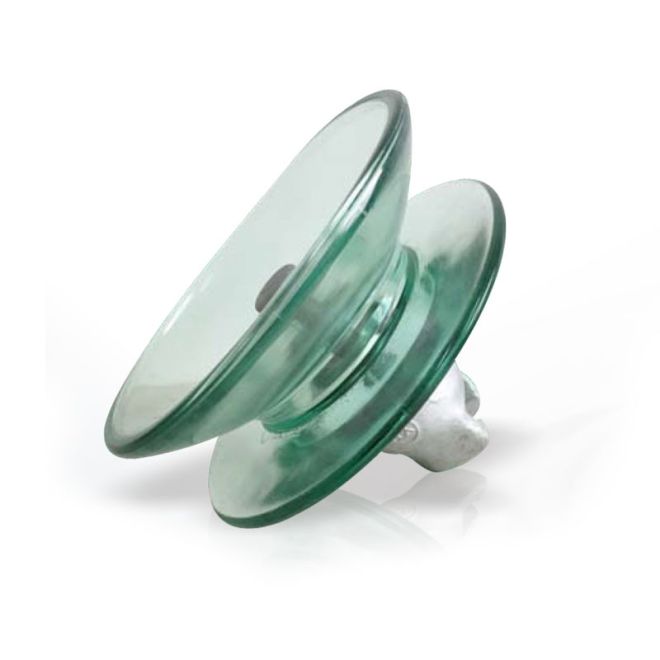
For example, you may pair them with a 33KV 160KN IEC standard U160BP fog type anti-pollution glass suspension insulator or High voltage earth wire disc suspension 70 kN toughened glass insulator U70C glass insulators on high‑voltage lines.
🧱 Key Performance Features to Check Before Choosing Huayao Insulators
When selecting Huayao fiberglass guy strain insulators, focus on strength, electrical performance, pollution resistance, and long‑term aging under real field conditions.
Careful review of test reports, materials, and standards will help you match each insulator to your grid voltage, climate, and mechanical design.
1. Electrical Ratings and Standards
Confirm rated voltage, creepage distance, and compliance with IEC or ANSI standards for your system insulation level and pollution class.
- System voltage and BIL level
- Leakage distance per kV
- Type tests and routine tests
- Tracking and erosion tests
2. Mechanical Strength Comparison
Huayao designs insulators with high tensile capacity to handle unbalanced loads, storm events, and safety factors required by modern utilities.
3. Pollution and Fog Performance
In coastal, industrial, or foggy zones, select designs with long creepage and hydrophobic housings to limit flashover risk under contamination.
Huayao’s fog‑type solutions, such as the 33KV 160KN IEC standard U160BLP fog type anti-pollution glass suspension insulator, show how profile geometry improves pollution performance.
4. Long‑Term Aging and Quality Control
Check for strict quality systems, traceable raw materials, and aging tests that simulate UV, temperature cycles, and mechanical fatigue.
| Test Type | Purpose |
|---|---|
| UV aging | Checks color and strength change |
| Salt‑fog | Evaluates pollution resistance |
| Mechanical fatigue | Verifies long‑term load capacity |
🌦 Weather, Corrosion, and UV Resistance Requirements for Outdoor Line Safety
Outdoor guy strain insulators must stand up to rain, salt, dust, strong sun, and wide temperature swings while keeping their insulation strength.
Good designs reduce cracking, corrosion, and surface leakage so lines stay safe through storms, heatwaves, and winter icing.
1. UV and Temperature Cycling
Fiberglass and polymer parts need proven UV‑resistant formulations that avoid chalking, embrittlement, and loss of hydrophobicity over decades of exposure.
- UV‑stabilized housing compounds
- Thermal cycling from −40°C to +50°C
- No visible cracks or swelling
2. Corrosion of Metal Fittings
End fittings should use hot‑dip galvanized or stainless steel with strong bonding to fiberglass, stopping rust from weakening the mechanical link.
| Metal Type | Corrosion Resistance |
|---|---|
| Carbon steel, galvanized | High in standard atmospheres |
| Stainless steel | Very high in coastal zones |
3. Hydrophobicity and Surface Cleanliness
Water‑repellent surfaces limit wet pollution flashovers and reduce the need for frequent washing on high‑voltage guyed structures.
- Silicone or polymer sheds stay hydrophobic
- Rain naturally rinses dust and salt
- Fewer manual cleaning operations
📏 Selecting the Right Size, Strength Level, and Hardware Compatibility
Choose insulators by matching tensile rating, length, and mounting type to each guy wire span, tower class, and fault‑level design.
Check drawings, hardware catalogs, and line standards before ordering to avoid misfits or under‑designed installations.
1. Rated Tensile Strength and Safety Factor
Start from maximum design load, then apply safety factors to select a suitable rated tensile level for every guy position.
| Design Load (kN) | Suggested Rating (kN) |
|---|---|
| 20 | ≥ 50 |
| 40 | ≥ 100 |
| 80 | ≥ 160 |
2. Insulator Length and Electrical Clearance
Length must satisfy air clearance and creepage needs for your voltage and pollution level while fitting the geometry of the guy span.
- Check phase‑to‑ground clearance
- Follow utility minimum distance rules
- Balance mechanical angle and swing
3. End Fittings and Hardware Interfaces
Verify eye, clevis, and socket sizes to match shackles, turnbuckles, and guy grips, preventing stress concentration or side loading.
- Use matching pin diameters
- Align with guy wire size and type
- Avoid mixing non‑compatible metals
✅ Installation, Inspection, and Maintenance Tips for Long‑Lasting Huayao Insulators
Correct installation and regular checks keep Huayao fiberglass guy strain insulators working safely for their full design life.
Follow torque, alignment, and inspection rules to avoid hidden damage and unplanned outages.
1. Installation Best Practices
Use lifting tools, avoid hitting sheds, and tighten hardware slowly to the recommended torque while keeping the insulator in pure tension.
- Never bend the fiberglass core
- Use clean pins and cotters
- Do not over‑tighten clamps
2. Routine Visual and Infrared Checks
Inspect surfaces for chips, cracks, tracking marks, or discoloration; use infrared scans to spot hot spots at connections.
| Check Item | Frequency |
|---|---|
| Visual survey | Yearly or after storms |
| IR scanning | Every 2–3 years |
| Detailed climbing check | As per utility plan |
3. Cleaning and Replacement Criteria
Only clean when leakage or flashovers rise; replace insulators with deep cracks, exposed core, or severely rusted fittings.
- Use low‑pressure water where safe
- Avoid harsh metal tools on sheds
- Document all replacements in asset records
Conclusion
Fiberglass guy strain insulators are key parts for safe, reliable overhead lines, especially in polluted and harsh outdoor conditions.
By checking strength, electrical ratings, weather resistance, and installation quality, you can choose Huayao solutions that protect structures and cut long‑term maintenance cost.
Frequently Asked Questions about fiberglass guy strain insulator
1. What is a fiberglass guy strain insulator used for?
It electrically isolates guy wires from the structure while carrying high tensile loads, improving safety and stability on poles, towers, and substations.
2. How long does a fiberglass guy strain insulator last?
With proper design and maintenance, service life is usually 25–40 years, depending on pollution level, UV exposure, and mechanical loading.
3. Can I mix fiberglass guy strain insulators with glass or porcelain units?
Yes, if ratings and hardware are compatible. Many lines use fiberglass guy strain units together with glass suspension strings on the same structures.
4. What standards should I look for?
Look for compliance with IEC or ANSI standards for mechanical load, electrical tests, pollution performance, and quality control documentation.
5. When should a guy strain insulator be replaced?
Replace units showing deep cracks, exposed fiberglass, severe rust on fittings, or repeated flashovers even after proper cleaning.
 Privacy settings