

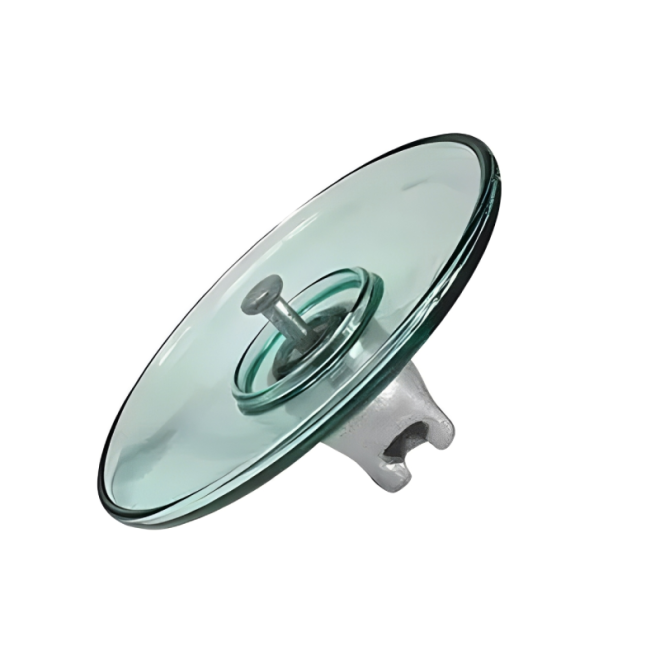
Still juggling specs, voltages, and strange thread sizes for glass disc insulators like a circus act? Relax—everyone’s transmission line started as a confusing shopping list.
This FAQ turns chaos into clear choices, backed by IEEE insulator performance research, so you buy right the first time.
💡 Key technical standards and certifications for custom glass disc insulators
Global buyers should confirm that custom glass disc insulators meet major international standards and third‑party certifications. This ensures safe operation, easy approval, and smooth project bidding.
Huayao designs products such as High Voltage Disc Type Suspension Insulators Tempered Glass Insulator U160BSP to pass strict electrical, mechanical, and environmental tests.
1. IEC, ANSI, and other grid‑side standards
Ask your supplier to state clearly which IEC or ANSI clauses each insulator meets and to provide test reports for verification.
- IEC 60383, IEC 60120 for glass disc dimensions and tests
- IEC 61211 for composite strings and service conditions
- ANSI C29 series for North American projects
2. Type tests, routine tests, and sample tests
Check that suppliers perform full type tests and routine tests on every unit, plus random sampling. This reduces field failure risks and warranty disputes.
| Test Type | Main Purpose |
|---|---|
| Type test | Proves design strength and insulation level |
| Routine test | Checks every disc against cracks or defects |
| Sample test | Monitors batch stability over time |
3. Quality management and traceability
Look for ISO 9001 and clear batch numbers on each disc. This supports traceability in case of system audits or power failures.
- Laser marking or embossing on caps
- Production date and lot number recorded
- Digital records kept for at least 10 years
4. Safety and environmental approvals
For global projects, buyers may also need RoHS, REACH, and local safety marks. Confirm compliance early to avoid customs delays.
- Material declarations for glass and metal parts
- Proof of non‑hazardous coating and cement
- Recycling or end‑of‑life guidance
🧱 Material composition, mechanical strength, and long‑term performance factors
Tempered glass, forged steel caps, and hot‑dip galvanized fittings work together to deliver strong mechanical ratings and stable electrical performance across decades.
Models like the 210kN insulators UG210B170 double-umbrella Suspension Electrical Glass Insulator achieve high strength while maintaining low aging rates in harsh climates.
1. Key material choices and benefits
Buyers should review glass recipe, cap steel grade, and pin design. These factors strongly affect strength, fracture behavior, and corrosion resistance.
- High‑grade toughened glass with low impurity levels
- Carbon steel or alloy steel caps and pins
- Hot‑dip galvanizing to ISO standards
2. Mechanical ratings and safety margins
Check specified SML (specified mechanical load) and routine test load. Ensure at least a 2.5–3.0 safety margin versus maximum line tension.
3. Aging, glazing quality, and self‑cleaning behavior
Uniform glass tempering and smooth glaze improve self‑cleaning and reduce puncture risk. This helps keep leakage distance effective over the life cycle.
| Factor | Impact |
|---|---|
| Surface smoothness | Limits dirt buildup and cleaning needs |
| Residual stress control | Reduces spontaneous shattering risk |
| Glaze uniformity | Improves pollution performance |
4. Compatibility with strings and hardware
Confirm that disc dimensions, coupling types, and creepage fit string design. Check that towers, clamps, and conductors all match mechanical ratings.
- Ball‑socket or clevis fittings by IEC 60120
- Consistent hardware class across the string
- Design review with Huayao engineers before production
🌦️ Performance under extreme weather, pollution levels, and electrical stress
Custom disc insulators must keep stable insulation under ice, UV, salt spray, desert sand, and frequent overvoltage events such as lightning.
1. Heavy pollution and salt fog conditions
Use longer creepage distance and anti‑pollution profiles when lines cross coastal, industrial, or desert areas with high contamination levels.
- Select anti‑fog or double‑umbrella profiles
- Increase creepage distance per kV
- Plan regular washing or live‑line cleaning
2. Ice, wind, and temperature cycling
Confirm tests for thermal shock, ice load, and wind vibration. Glass must resist cracking under fast temperature changes and heavy icing.
| Condition | Buyer Checkpoint |
|---|---|
| Ice thickness | Rated icing level and extra mechanical margin |
| Wind speed | Fatigue test and swing angle limits |
| Temperature range | Thermal cycle test reports |
3. Lightning, switching surges, and RIV
Ask for impulse withstand, power frequency withstand, and RIV test data. This helps reduce flashover and radio interference risks.
- Impulse withstand level suited to system BIL
- RIV tests for communication‑dense corridors
- String design to control grading and arcs
🔧 Customization options, design parameters, and coordination with Huayao engineers
Early communication with Huayao engineers helps match electrical rating, creepage, and fittings to local grid codes and project site conditions.
1. Defining voltage class and creepage distance
Buyers should provide system voltage, pollution class, and insulator string length so designers can size creepage distance correctly.
| Input Data | Design Output |
|---|---|
| System kV level | Disc rating and number per string |
| Pollution level | Required creepage distance |
| Altitude | Correction factors for insulation |
2. Choosing mechanical load and profile type
Select SML based on span length, conductor size, and wind or ice load. Profile type supports local pollution and spacing rules.
- Standard, anti‑fog, or double‑umbrella profile
- SML level coordinated with tower design
- Check compatibility with fittings and clamps
3. Drawing review and sample approval
Huayao can share drawings and samples, including models like the 420kN insulators U420B Suspension Electrical Glass Insulator, for buyer review and testing before mass production.
- 3D drawings and detailed datasheets
- Prototype for lab or field tests
- Clear change control and sign‑off steps
🚚 Packaging, transportation safety, and international logistics for global projects
Proper packaging, pallet design, and shipping plans protect glass disc insulators from damage and delay during long‑distance sea or land transport.
1. Export‑grade packaging and labeling
Check that each crate uses strong wood, internal padding, and clear labels, including model, quantity, gross weight, and handling marks.
- Shock‑resistant stacking method
- Moisture control with plastic wrap
- Barcode or QR code for fast checking
2. Container loading and transit protection
Suppliers should optimize pallet sizes for container use and add blocking and bracing to prevent movement during sea voyages and rail trips.
| Item | Best Practice |
|---|---|
| Pallet height | Suited to forklift safety and container door |
| Blocking | Wood beams and straps to fix pallets |
| Humidity | Use desiccants for long sea routes |
3. Documentation, customs, and delivery terms
Agree on Incoterms, packing lists, HS codes, and test certificates before shipment to reduce customs issues and project delays.
- Commercial invoice with full product codes
- Country‑specific certificates if required
- Tracking updates and delivery reports
Conclusion
When buyers understand standards, materials, and real service conditions, they can define clear technical requirements for custom glass disc insulators.
Working closely with Huayao engineers on design, testing, and logistics helps global projects reduce risk, control cost, and achieve long, reliable service life.
Frequently Asked Questions about glass disc insulator customized
1. What information should I prepare before asking for a quotation?
Share system voltage, pollution level, mechanical load, altitude, span length, and preferred standards (IEC or ANSI). Drawings or line photos also help the design team.
2. How long is the typical lead time for custom glass disc insulators?
Lead time is usually 4–8 weeks after drawing approval and payment terms are confirmed. Very large or complex orders may need extra production time.
3. Can Huayao provide type test or third‑party test reports?
Yes. For many standard models, existing type test reports are available. For new designs, Huayao can arrange tests with accredited labs upon request.
4. How do I choose between standard, anti‑fog, and double‑umbrella profiles?
Standard profiles suit light to medium pollution. Anti‑fog and double‑umbrella profiles are better for heavy pollution, coastal zones, or desert dust areas.
5. What warranty and after‑sales support can I expect?
Huayao normally offers a multi‑year warranty against manufacturing defects, plus technical support for installation, failure analysis, and future project upgrades.
 Privacy settings