

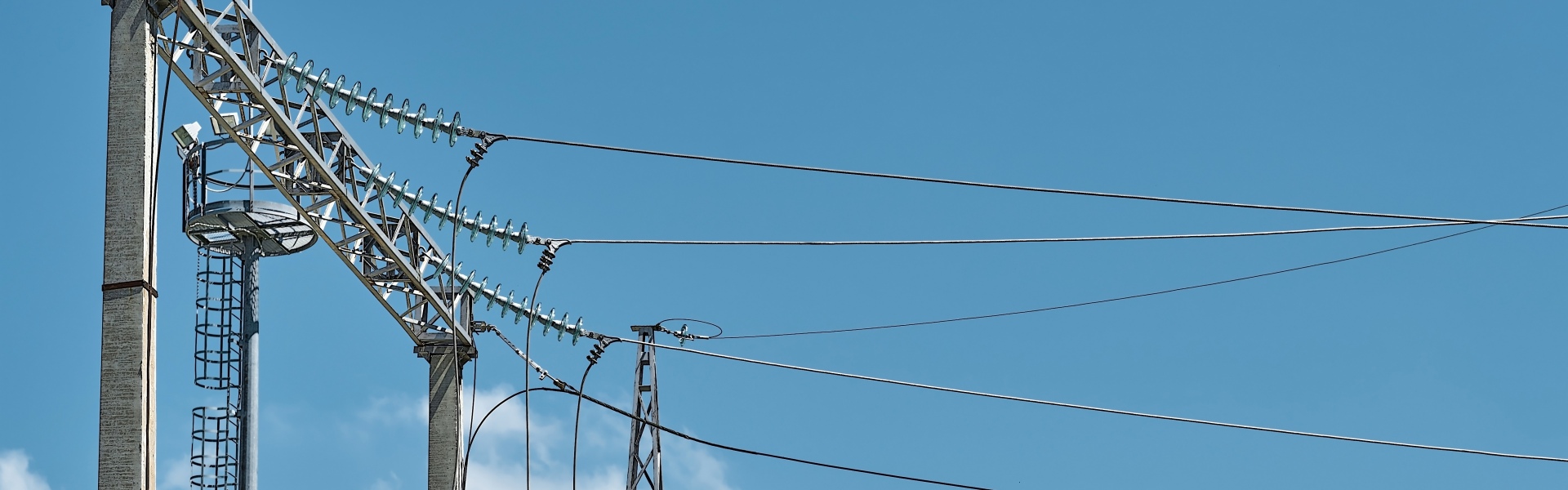
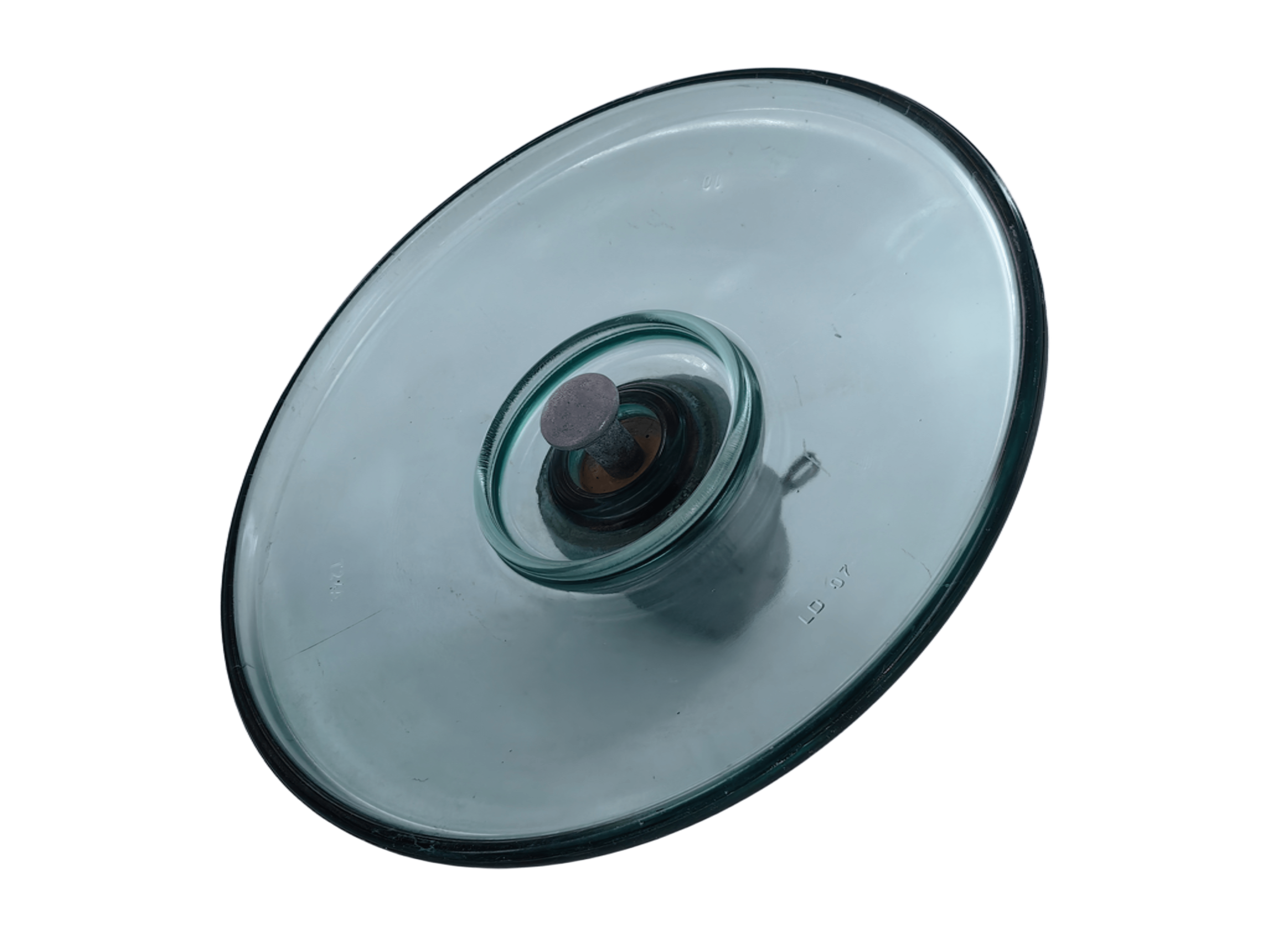
Manufacturer of Glass Electric Line Insulators U120BP/146M
Short Description:
 Phone
Phone
 whatsapp
 Email
Email
Product Details
| Parameter | Value |
|---|---|
| Diameter (D) | 380mm |
| Spacing (H) | 146mm |
| Creepage Distance | 365mm |
| Coupling Size | 16mm |
| Mechanical Failing Load | 120kN |
| Tension Proof | 60kN |
| Dry Power-frequency Withstand Voltage | 55kV |
| Wet Power-frequency Withstand Voltage | 45kV |
| Dry Lightning Impulse Withstand Voltage | 90kV |
| Puncture Withstand Voltage | 130kV |
| Net Weight | 5.4kg |
Common Product Specifications
| Specification | Details |
|---|---|
| Rated Voltage | 33kV |
| Material | Fiberglass |
| Application | High Voltage |
| Color | Jade Green |
| Certification | ISO9001 |
| Place of Origin | Jiangxi, China |
Product Manufacturing Process
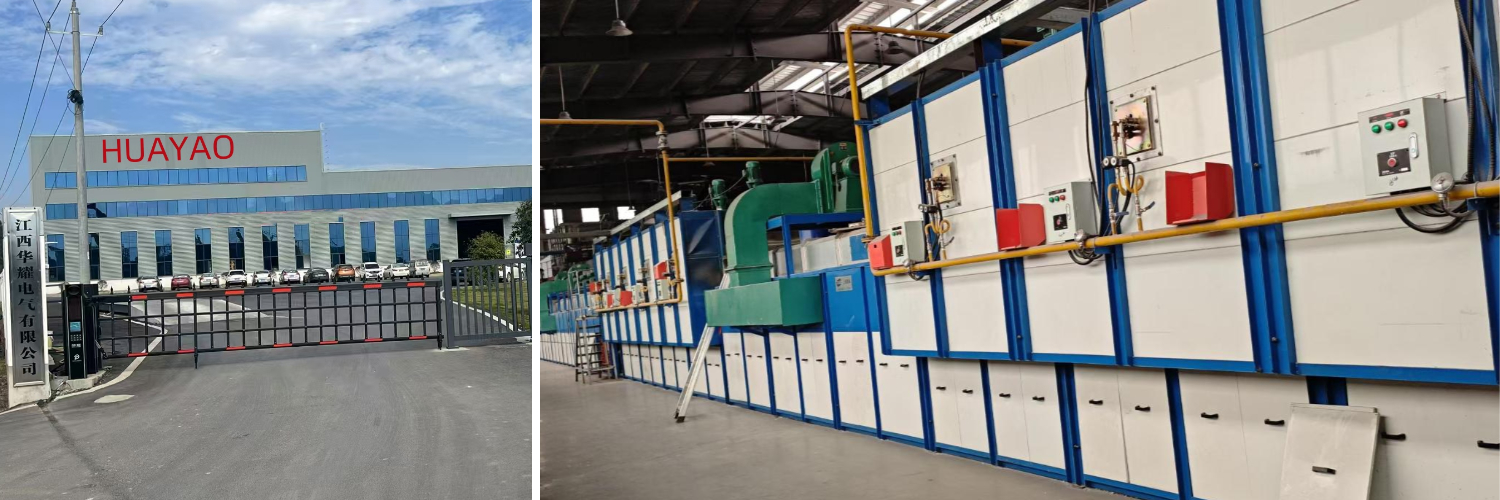
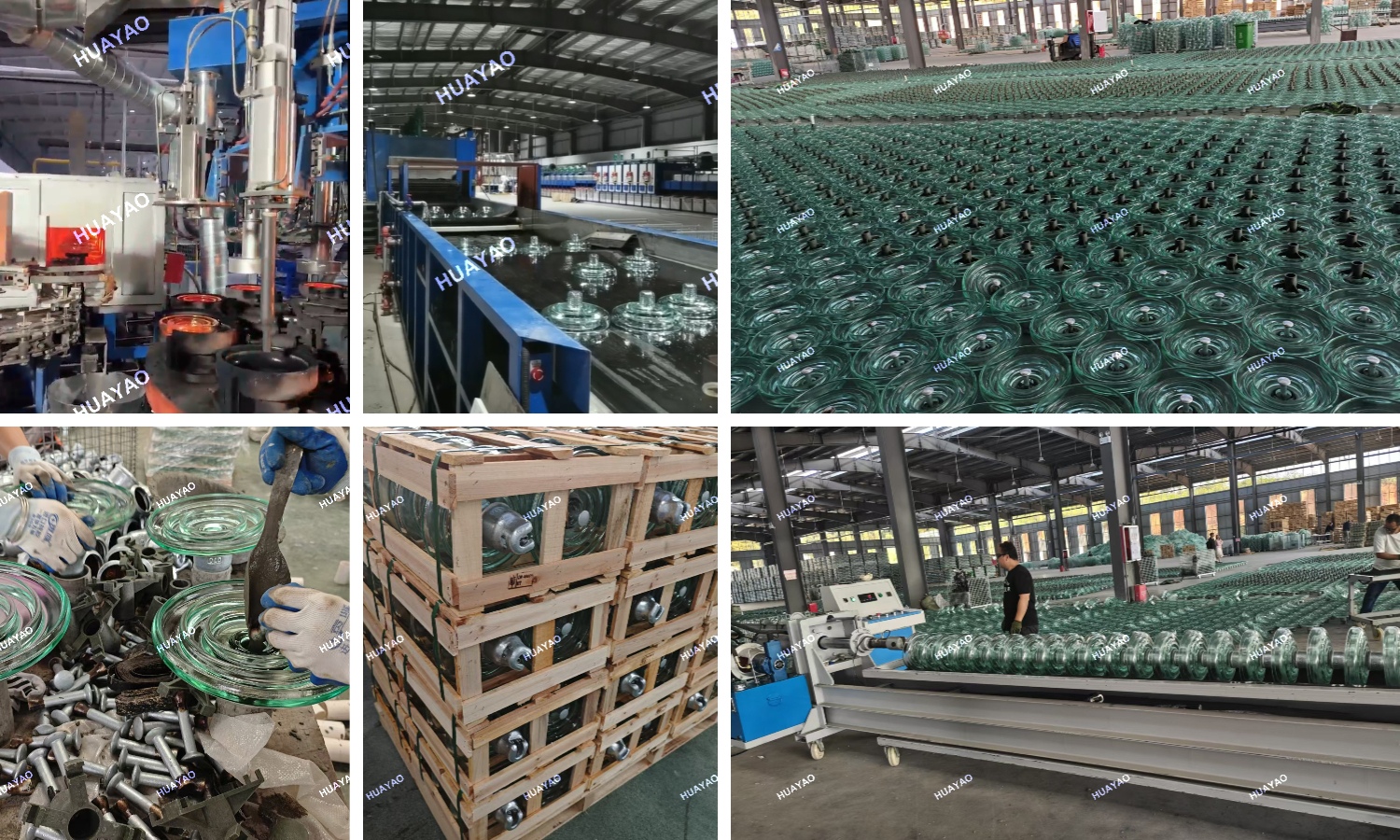
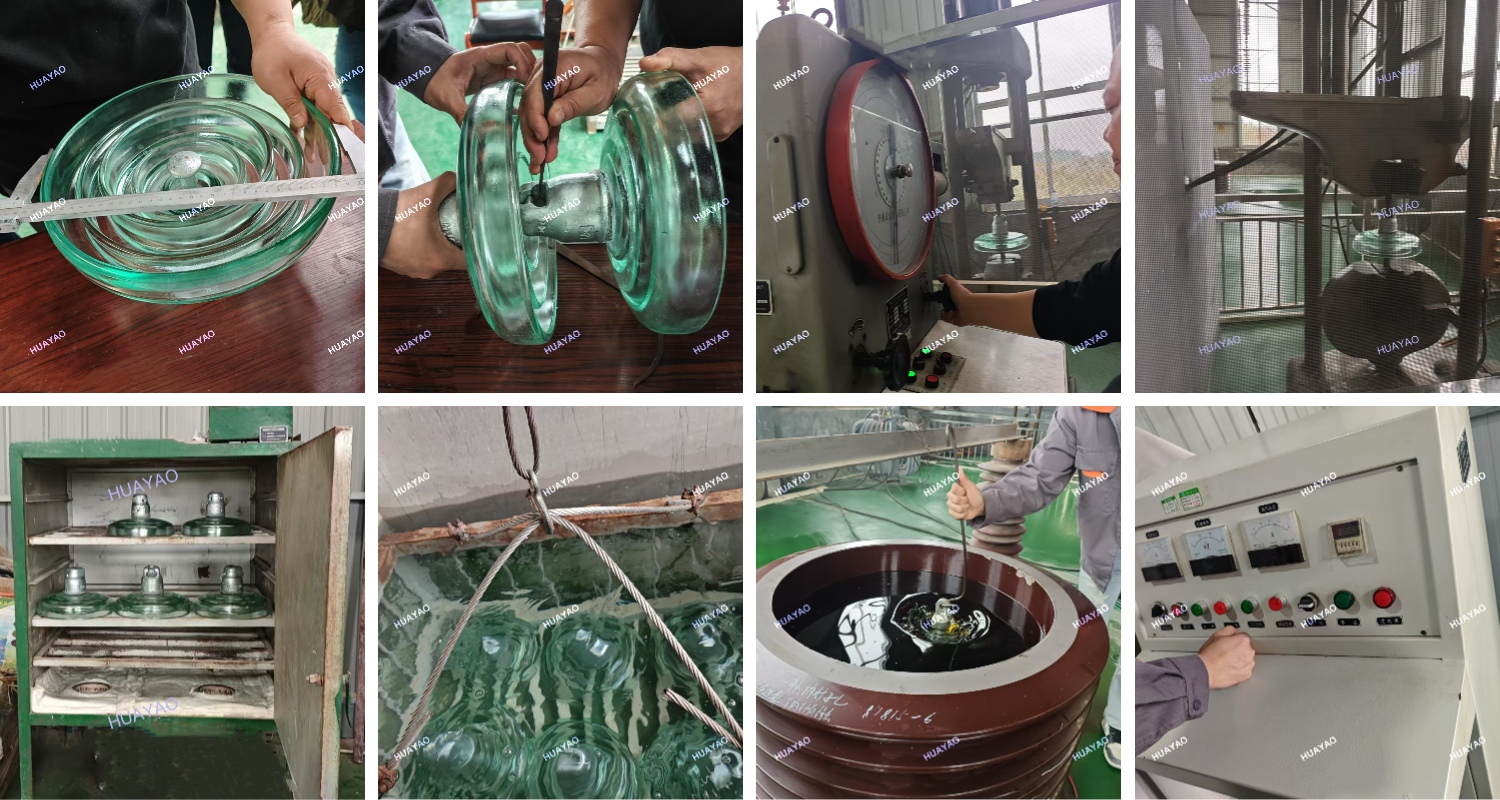
The manufacturing process of our glass electric line insulators involves rigorous quality control to meet international standards. The glass is initially melted at high temperatures and shaped into precise forms, ensuring uniform thickness and shape. Through a tempering process, the glass acquires enhanced mechanical strength and thermal shock resistance. This process includes cooling the glass through a carefully monitored environment, which introduces compressive surface stresses, increasing durability. Every product undergoes stringent testing to ensure compliance with mechanical and electrical standards, reinforcing our commitment to quality.
Product Application Scenarios
Glass electric line insulators are integral in various power distribution networks, providing insulation and mechanical support to electrical conductors in overhead lines. Their use is prevalent in diverse environments, from industrial areas to coastal regions with high pollution or salt spray. Thanks to their aerodynamic design, these insulators excel in areas prone to dirt and contaminants. They facilitate easy cleaning by natural environmental factors such as rainfall and wind. Their robustness and longevity make them suitable for high-stress applications, ensuring reliability and safety over extended periods.
Product After-Sales Service
We offer comprehensive after-sales service ensuring customer satisfaction with our products. Our dedicated support team is available to assist with product selection, installation guidance, and maintenance tips. Any issues or defects encountered post-purchase are addressed promptly, with warranties covering various products. Our commitment extends beyond the sale, ensuring that each customer receives the optimal performance from our glass electric line insulators.
Product Transportation
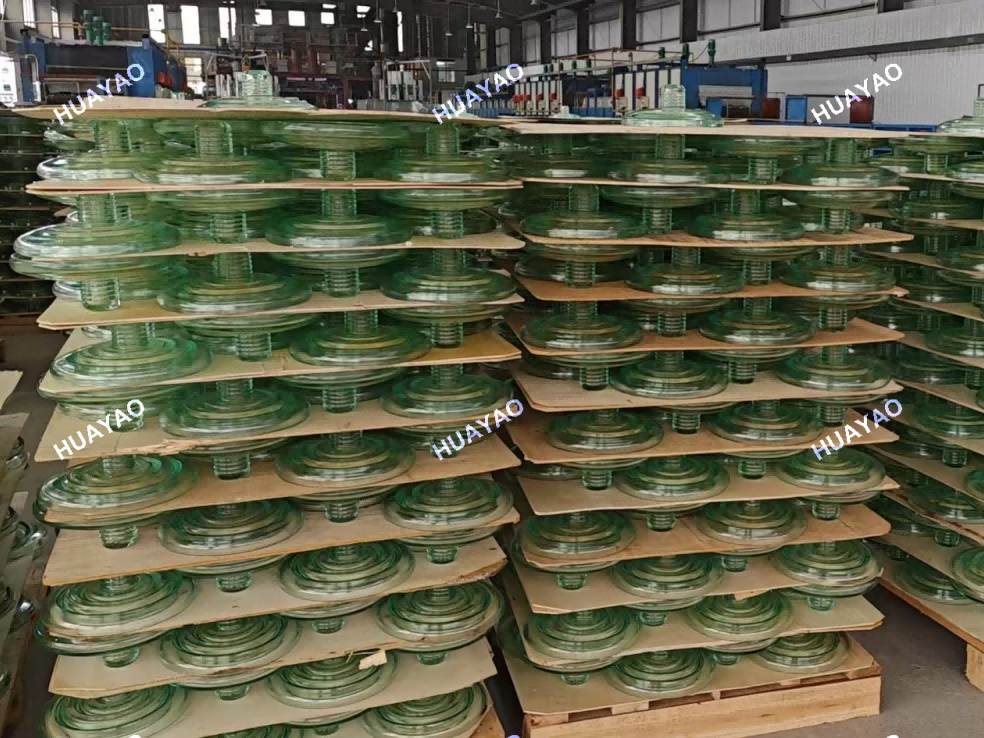
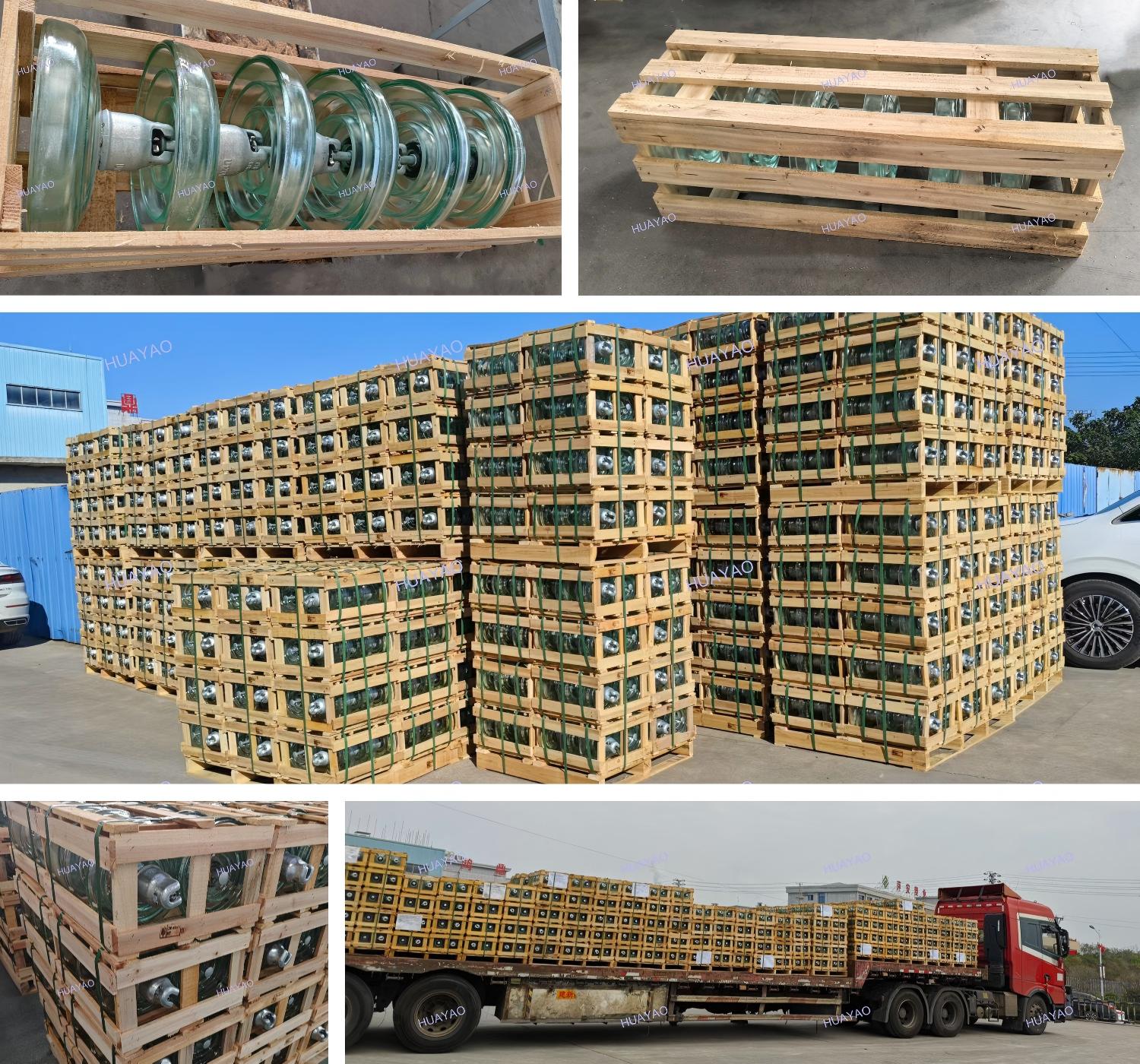
Our glass electric line insulators are packaged for safe global transportation. We use sturdy export packaging to mitigate breakage risk during transit, ensuring that products arrive at their destination intact. Shipments are dispatched from major Chinese ports like Shanghai and Ningbo, with flexible payment terms such as TT and L/C. Each delivery is tracked closely, providing customers with timely updates on their shipment status.
Product Advantages
- High Dielectric Strength: Ensures reliable insulation for high voltage applications.
- Mechanical Strength: Resists severe environmental impacts like wind and debris.
- Long Durability: Outlasts alternative materials, reducing long-term costs.
- Low Maintenance: Natural cleaning reduces upkeep efforts and costs.
- Environmental Resistance: Efficient in harsh industrial and coastal scenarios.
Product FAQ
- What materials are used in these insulators?
Our glass electric line insulators are crafted from toughened glass. This material is chosen for its exceptional dielectric properties and mechanical resilience, ensuring superior performance in various environmental conditions.
- How do these insulators handle extreme weather?
Designed for robust performance, our glass electric line insulators resist weather-related impacts like heavy winds and precipitation. Their aerodynamic shape minimizes filth buildup, maintaining insulation integrity even in polluted or coastal areas.
- What is the lifespan of these insulators?
While the lifespan can vary based on environmental conditions and maintenance, our insulators are known for their longevity, often surpassing alternative materials like porcelain, offering decades of reliable service with minimal maintenance.
- Are special tools required for installation?
Standard installation tools can be used for our glass electric line insulators, but due care is recommended to prevent damage due to their brittle nature. We provide guidance documents to assist in the installation process.
- How do glass insulators compare to porcelain ones?
Compared to porcelain, glass insulators offer better transparency for defect inspection, reduced maintenance due to natural cleaning, and superior aging resistance. While porcelain can be more robust to certain mechanical stresses, glass excels in dielectric strength and environmental performance.
- Can these insulators be used in all voltage ranges?
Our insulators are specifically designed to handle a wide range of voltages up to 500kV, making them versatile for various high-voltage power transmission applications.
- Do you offer customization for specific needs?
Yes, we can tailor our glass electric line insulators to meet specific customer requests, considering size, shape, and performance requirements to ensure the best fit for their application environments.
- What are the common failure modes of these insulators?
While rare, mechanical impacts can cause breakage. Our insulators are highly resistant to electrical puncture, but catastrophic events or improper handling could lead to failure. Regular inspections help mitigate any potential issues.
- What certifications do your insulators have?
All our products are manufactured according to major international standards like GB, ANSI, BS, DIN, IEC. We also possess ISO9001 certification, attesting to our rigorous quality management processes.
- Can glass insulators withstand pollution?
Our aerodynamically designed insulators effectively resist pollution, preventing filth accumulation which can degrade performance. This makes them ideal for deployment in industrial zones or regions with high environmental contamination.
Product Hot Topics
- The Rise of Glass Electric Line Insulators in Power Transmission
Glass electric line insulators are gaining popularity in the power transmission market due to their superior dielectric strength, longevity, and low maintenance needs. As renewable energy projects expand globally, the demand for reliable transmission solutions is on the rise. Manufacturers like Huayao are at the forefront, providing high-quality products that meet rigorous international standards, ensuring a stable and efficient power distribution system.
- Innovation in Glass Insulator Technology
The ongoing innovation in glass insulator technology is noteworthy. From improved manufacturing techniques to the integration of advanced materials, manufacturers are enhancing the performance and reliability of glass electric line insulators. These advancements position glass insulators as a crucial component in modern power infrastructure, offering benefits that extend beyond traditional solutions.
- Environmental Impact of Glass Electric Line Insulators
Unlike some other insulating materials, glass offers a more environmentally friendly option. Its robust durability results in less frequent replacements, reducing waste. Additionally, glass is fully recyclable, contributing to a more sustainable lifecycle. Manufacturers are increasingly prioritizing green practices, producing components that align with global sustainability targets.
- Challenges Facing Glass Insulator Deployment
Despite their advantages, glass insulators face challenges in deployment, particularly their brittleness which can lead to breakage under severe mechanical stress. Manufacturers are addressing these issues through enhanced design and protective measures, ensuring that their insulators can withstand harsh environmental conditions without compromising performance.
- The Economic Implications of Glass Insulator Adoption
Adopting glass electric line insulators can have significant economic benefits. Their longevity and low maintenance requirements translate to reduced operational costs for utilities, offering a high return on investment despite the initial cost. This economic advantage is persuading more power companies to make the switch to glass insulators globally.
- Structural Innovations in Insulator Design
Recent structural innovations in glass insulator design are enhancing their performance. Aerodynamic shapes and improved material compositions reduce environmental impact risks like dirt accumulation and mechanical stress, enabling these insulators to perform optimally in diverse environments, from urban centers to remote areas.
- Impact of Climate Change on Insulator Performance
Climate change is a growing concern in the power sector, affecting infrastructure reliability. Glass electric line insulators, with their weather-resistant properties, offer a dependable solution amidst changing climate patterns. Their adaptability in diverse environments makes them a preferred choice for future-proofing power grids.
- Global Standards and Compliance for Glass Insulators
Compliance with international standards is crucial for manufacturers of glass electric line insulators. Adherence to GB, ANSI, BS, DIN, and IEC standards ensures product reliability and safety. Manufacturers continue to meet and exceed these standards, maintaining a competitive edge in the global market.
- The Role of Glass Insulators in Renewable Energy
As renewable energy becomes a more significant portion of power generation, reliable grid infrastructure is vital. Glass insulators support this transition, offering durable and efficient insulation necessary for integrating renewable sources like wind and solar into electricity networks, facilitating a greener energy future.
- Future Trends in Glass Electric Line Insulators
The future of glass electric line insulators looks promising, with trends leaning towards greater efficiency and resilience. Manufacturers are focusing on innovations that improve strength, reduce costs, and cater to emerging energy technologies. Continual research and development in this field are likely to offer even more advanced solutions.
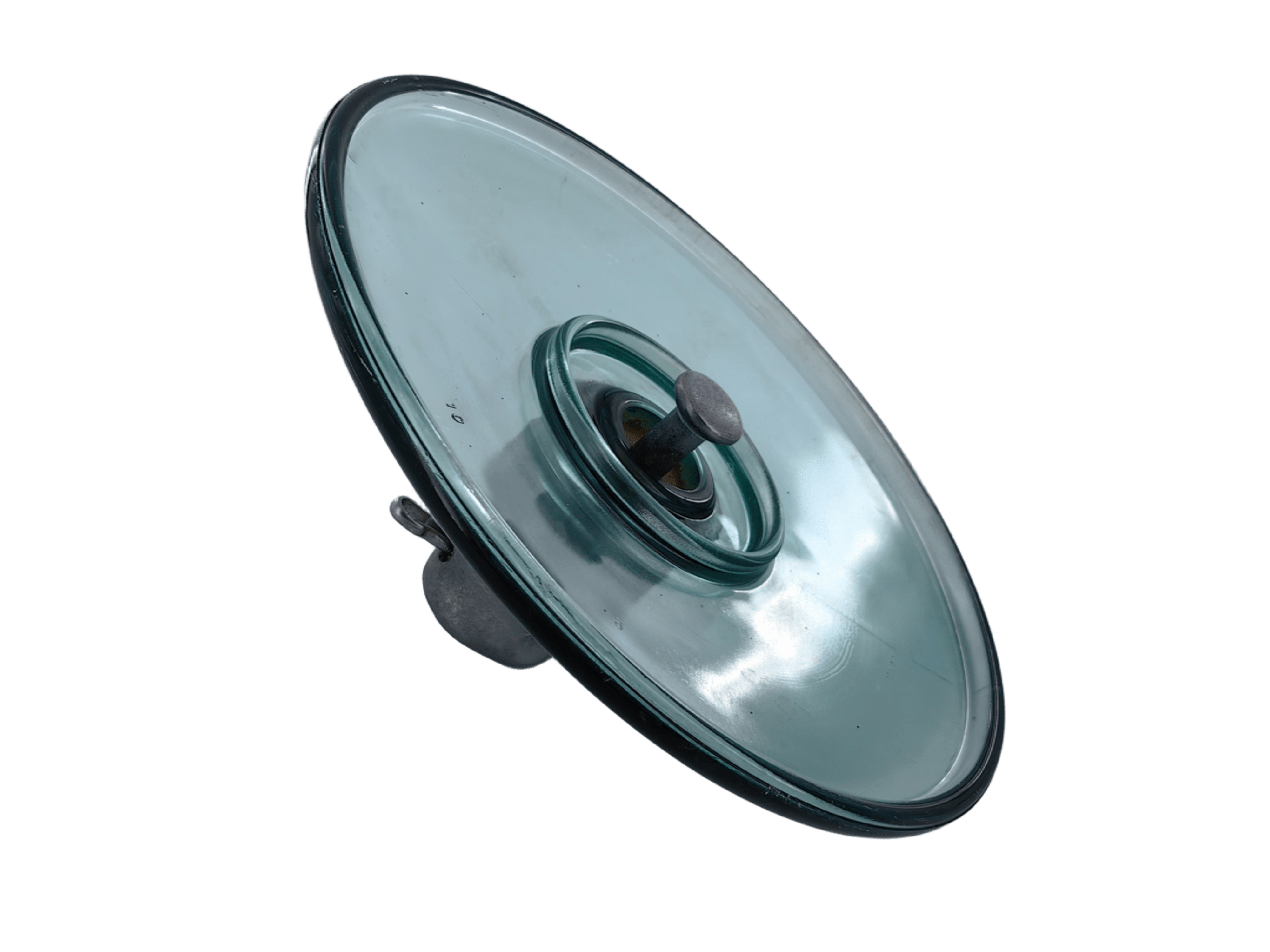
Image Description
-

Wholesale U100BL Glass Insulator Conductor 100kN
-
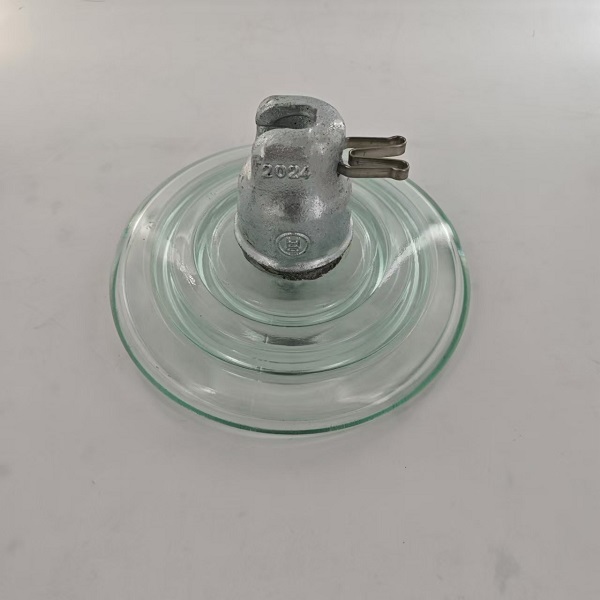
High-Quality Supplier of 120kN Glass Electrical Insulators for Sale
-
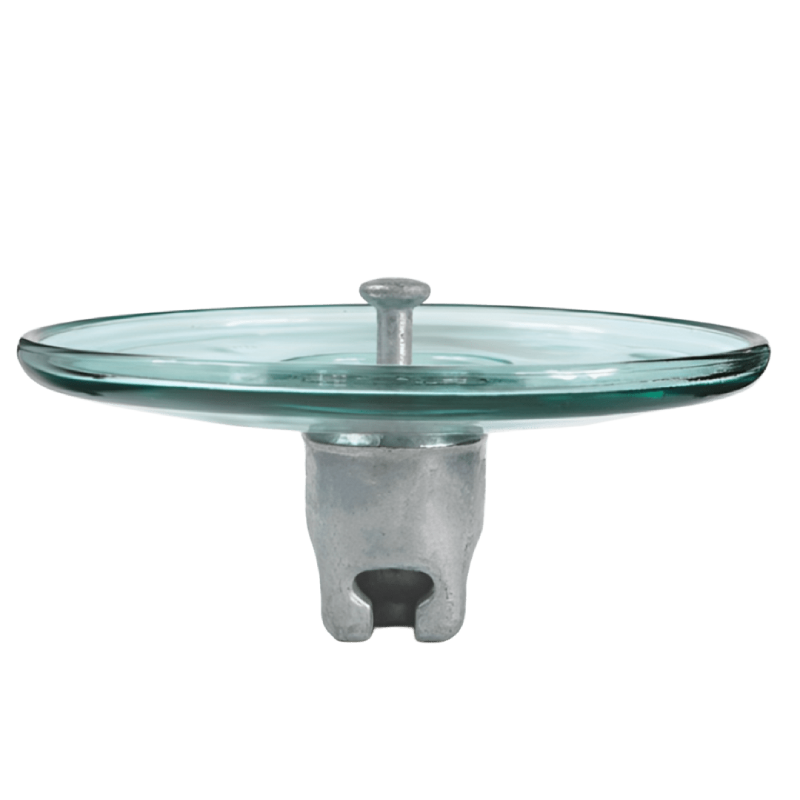
Wholesale Large Glass Insulator for High Voltage Use
-
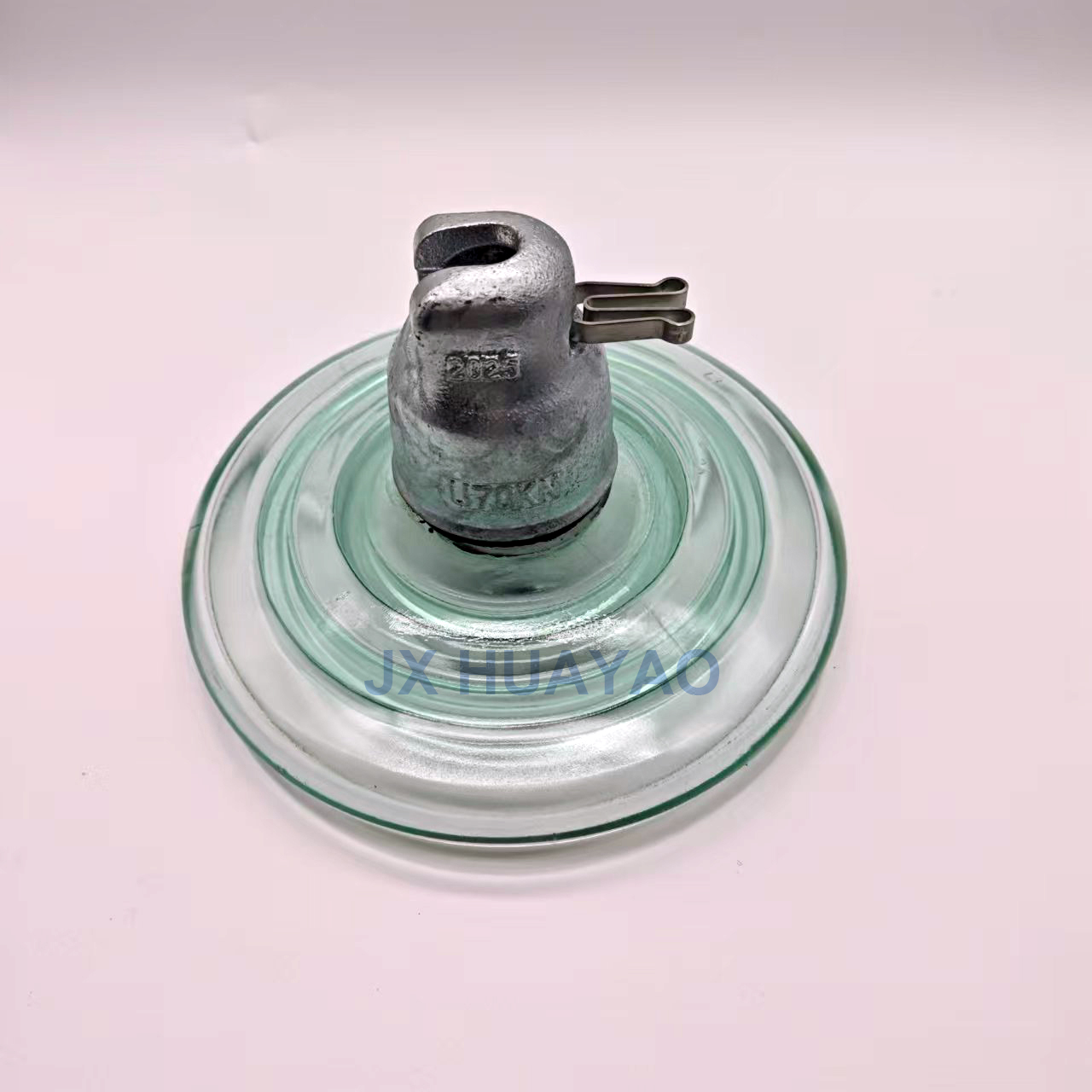
China High Voltage Toughened Glass Insulator 100kN
-

Reliable Supplier of Glass Type Insulator U160BL
-
Reliable Supplier of Glass Bell Insulators U100BP/146M
 Privacy settings