

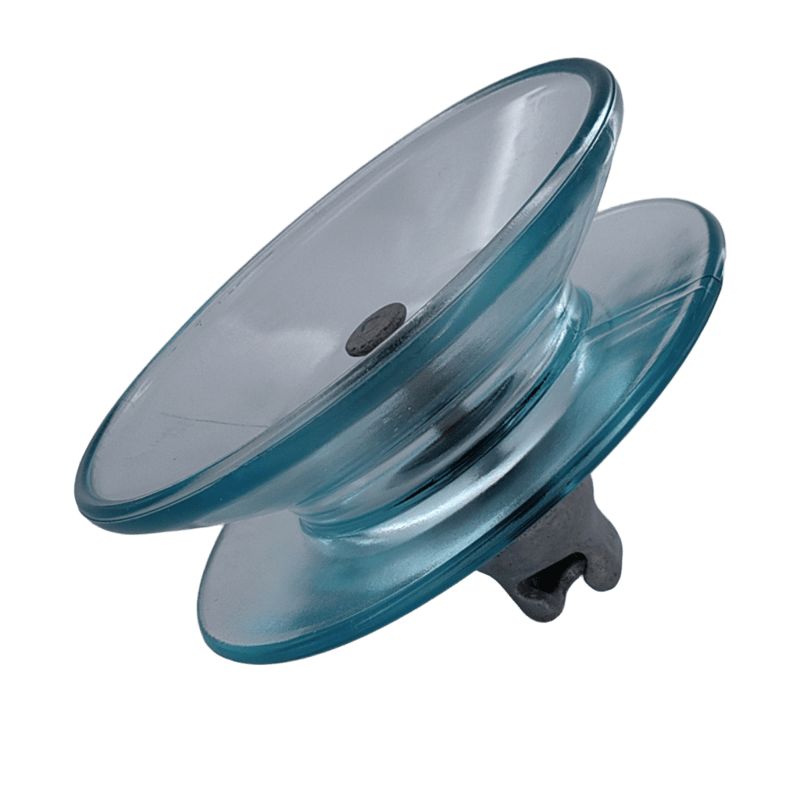
Manufacturer in Glass Insulators Market: U210BP/170M
Short Description:
 Phone
Phone
 whatsapp
 Email
Email
Product Main Parameters
| Parameter | Value |
|---|---|
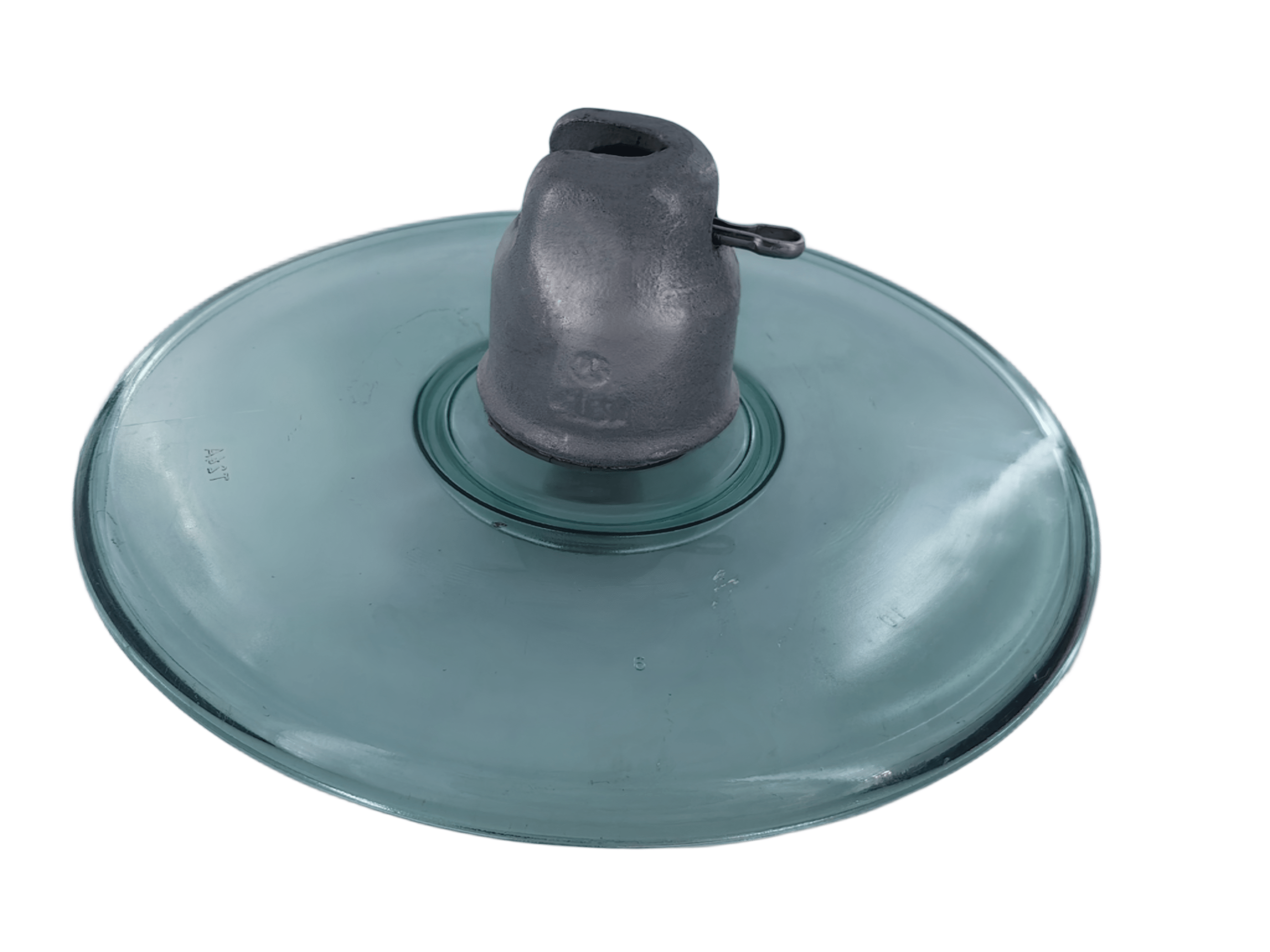
| Diameter (D) | 420 mm |
| Spacing (H) | 170 mm |
| Creepage Distance (L) | 380 mm |
| Size of Coupling | 20 mm |
| Mechanical Failing Load | 210 kN |
| Mechanical Routine Test | 105 kN |
| Power Frequency Withstand Voltage (Dry) | 60 kV |
| Power Frequency Withstand Voltage (Wet) | 50 kV |
| Lighting Impulse Withstand Voltage | 95 kV |
| Minimum Power Frequency Puncture Voltage | 130 kV |
| Net Weight per Unit | 7.3 kg |
Common Product Specifications
| Specification | Detail |
|---|---|
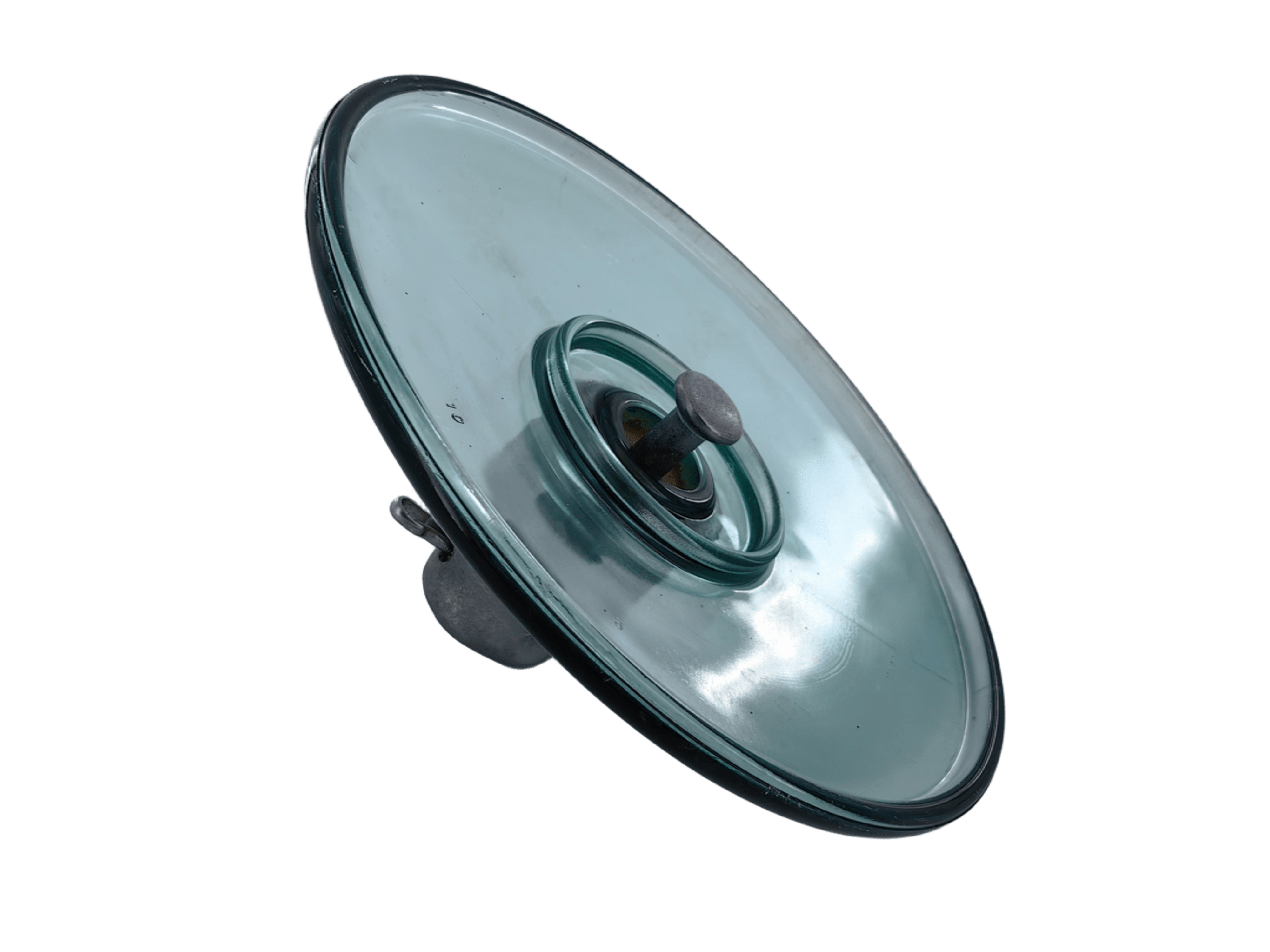
| Material | Tempered Glass |
| Application | High Voltage Transmission |
| Rated Voltage | 33 kV |
| Color | Jade Green |
Product Manufacturing Process
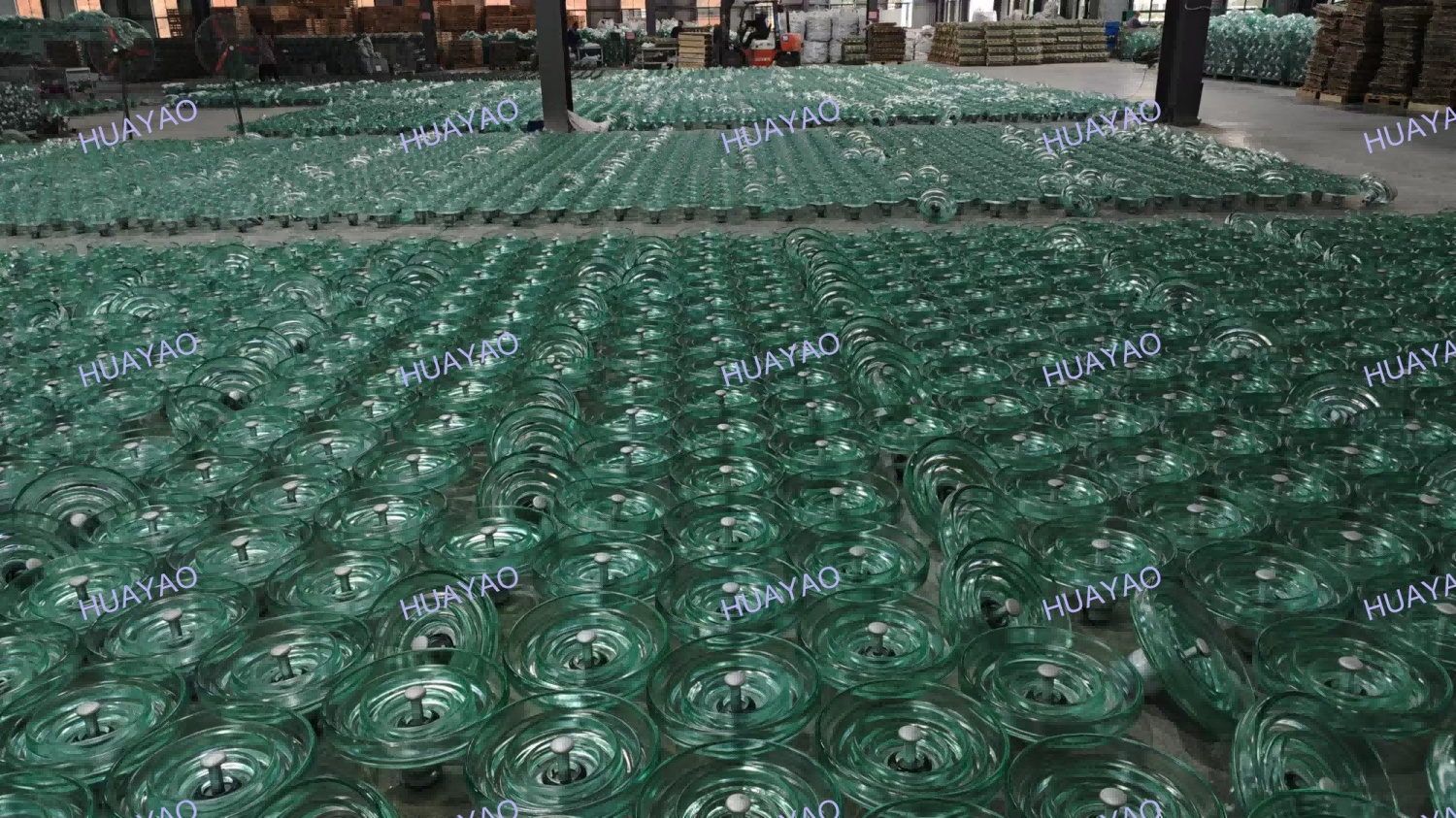
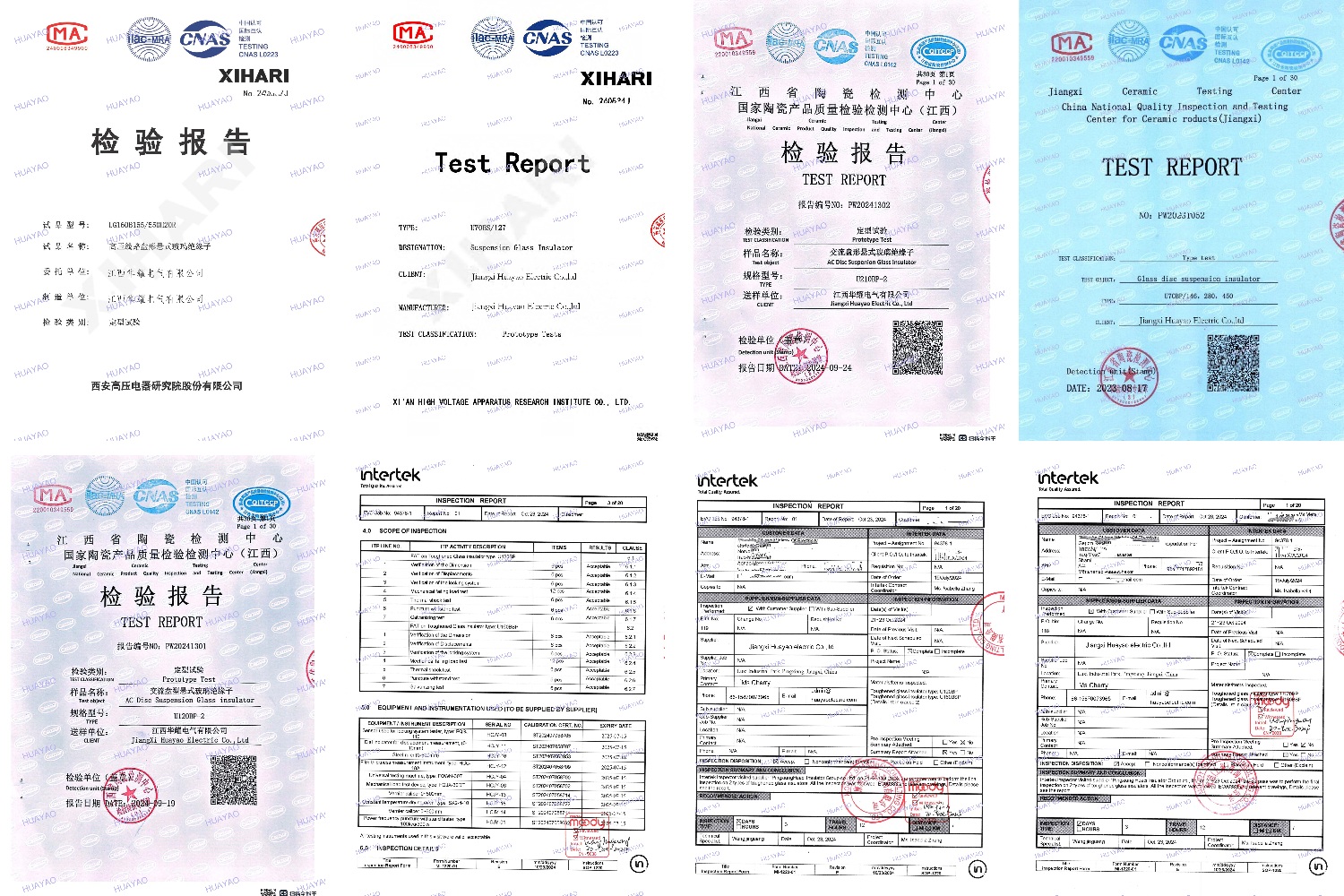
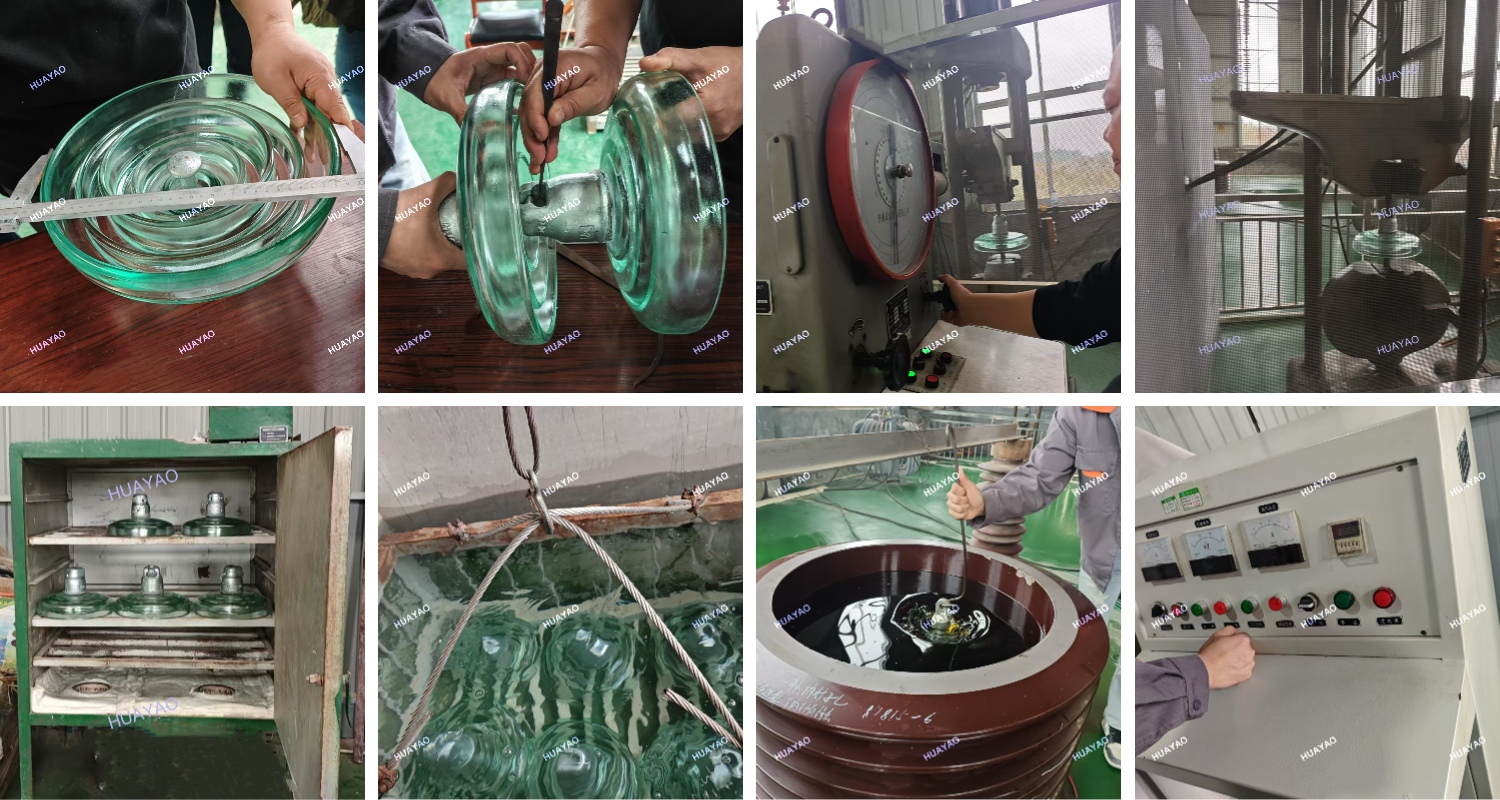
The manufacturing of glass insulators like the U210BP/170M involves several critical stages to ensure high quality and performance. The process begins with the careful selection of raw materials, primarily sand, soda ash, and limestone, which are mixed and melted at high temperatures to form molten glass. This glass is then shaped into insulators using press molding techniques, ensuring uniformity and precision. The insulators undergo rapid cooling, or tempering, which enhances their mechanical strength and resistance to thermal shock. Each piece is subjected to rigorous testing, including mechanical and electrical performance assessments, before packaging. The manufacturing process aligns with the international standards set by committees such as IEC, ensuring the insulators meet the demands of the global glass insulators market, known for its focus on quality and sustainability.
Product Application Scenarios
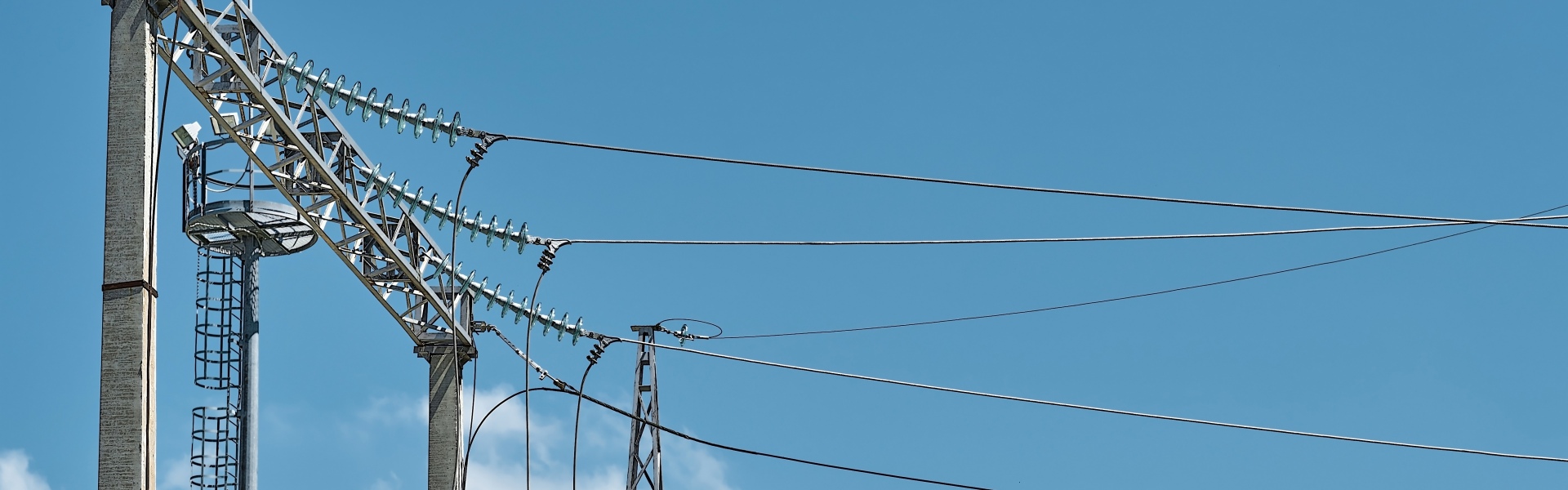
Glass insulators like the U210BP/170M are essential in a range of applications, particularly in electrical transmission and distribution. They are pivotal in supporting and insulating wires on high voltage transmission lines, effectively maintaining separation between live wires and grounded structures. These insulators are designed to withstand environmental challenges such as temperature fluctuations, moisture, and ultraviolet radiation, making them ideal for use in outdoor settings. In industrial pollution or coastal environments, the aerodynamic design of these insulators prevents conductive deposits, ensuring reliability and efficiency. Leading manufacturers in the glass insulators market focus on creating products that address both utility and environmental challenges, supporting infrastructure development in emerging and developed regions alike.
Product After-Sales Service
- Comprehensive warranty covering manufacturing defects.
- 24/7 customer support for technical assistance and inquiries.
- Replacement and refund policy for defective products.
- Regular updates on product performance and safety guidelines.
Product Transportation
- Standard packaging to prevent damage during transit.
- Worldwide shipping with tracking and insurance options.
- Eco-friendly materials used in packaging to minimize environmental impact.
- Partnership with reliable logistics companies to ensure timely delivery.
Product Advantages
- High mechanical strength and electrical resistance assure reliability.
- Excellent performance in adverse weather conditions.
- Cost-effective solution for power transmission needs.
- Manufactured by a leading name in the glass insulators market.
Product FAQ
- What materials are used in manufacturing the U210BP/170M insulator? The U210BP/170M insulator is made of high-quality tempered glass, known for its mechanical strength and electrical insulation properties, ensuring it meets the stringent requirements of the glass insulators market.
- What maintenance is needed for these insulators? Regular inspection for physical damage and cleaning to remove deposits is advised to maintain optimal performance and longevity in various environmental conditions.
- How does this insulator perform in coastal environments? The aerodynamic design minimizes salt and moisture accumulation, providing superior performance in coastal areas where traditional insulators may fail.
- What is the expected lifespan of the U210BP/170M insulator? With proper maintenance, the insulator can perform efficiently for several decades, making it a cost-effective option for long-term applications.
- How does the insulator handle extreme weather conditions? The tempered glass material is resistant to temperature extremes and UV radiation, ensuring consistent performance in harsh climates.
- Can these insulators be used in renewable energy projects? Yes, they are well-suited for high-voltage applications in solar and wind power generation, supporting the growth of these sectors within the glass insulators market.
- Are custom sizes available for specific applications? Customization options are available to suit unique project requirements, reflecting the manufacturer's flexibility in the glass insulators market.
- How is quality ensured during production? Stringent quality control measures are implemented at each step, from raw material selection to final inspection, ensuring adherence to international standards.
- What is the company’s approach to sustainability? The manufacturer emphasizes environmentally friendly practices, utilizing recyclable materials and energy-efficient production techniques aligned with the evolving demands of the glass insulators market.
- What support is available post-purchase? A dedicated customer service team provides ongoing support, handling technical queries and facilitating warranty claims efficiently.
Product Hot Topics
- The Role of Glass Insulators in Modern Infrastructure As infrastructure demands evolve, the role of glass insulators in power transmission becomes increasingly significant. With emerging markets accelerating electrification, manufacturers in the glass insulators market are innovating to address diverse challenges, from environmental resistance to cost efficiency. Glass insulators like the U210BP/170M provide reliable solutions that meet these demands, offering enhanced performance in both conventional and renewable energy projects. Ongoing research and development help manufacturers stay ahead, ensuring products like the U210BP/170M adapt to modern infrastructure needs and contribute to sustainable development goals.
- Impact of Technological Advancements on Glass Insulator Manufacturing The glass insulators market is experiencing notable shifts due to technological advancements in manufacturing processes. Innovations such as improved tempering techniques and automated quality control have led to the production of more durable and efficient insulators. For manufacturers like Jiangxi Huayao Electric Co., Ltd., these advancements not only enhance product reliability but also reduce costs, making high-quality glass insulators accessible to a wider range of projects. As the industry continues to integrate cutting-edge technologies, the future of glass insulators looks promising, with ongoing research expected to yield even greater performance enhancements.
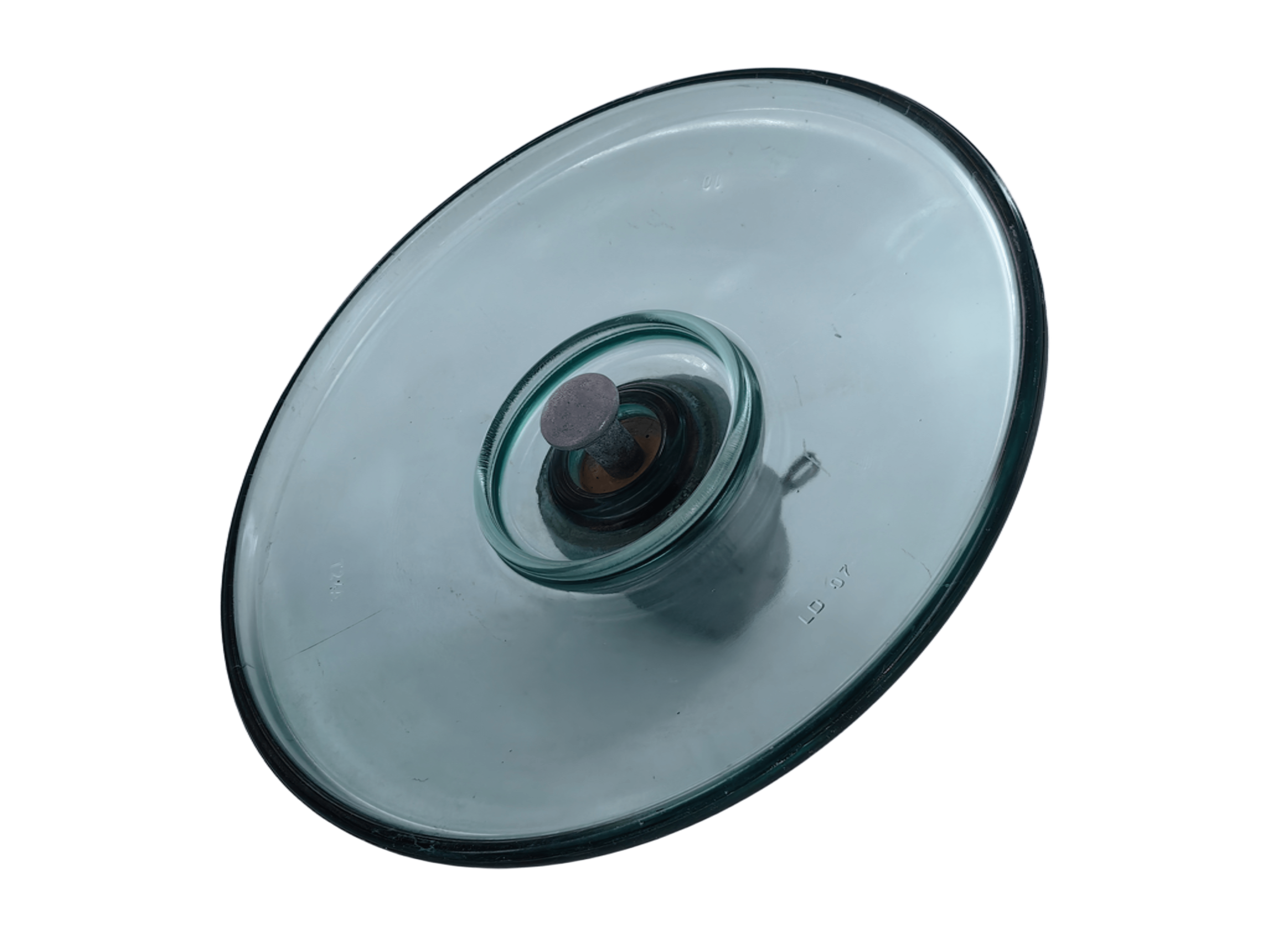
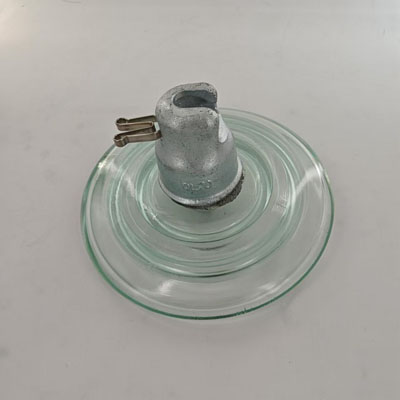
Image Description


 Privacy settings