

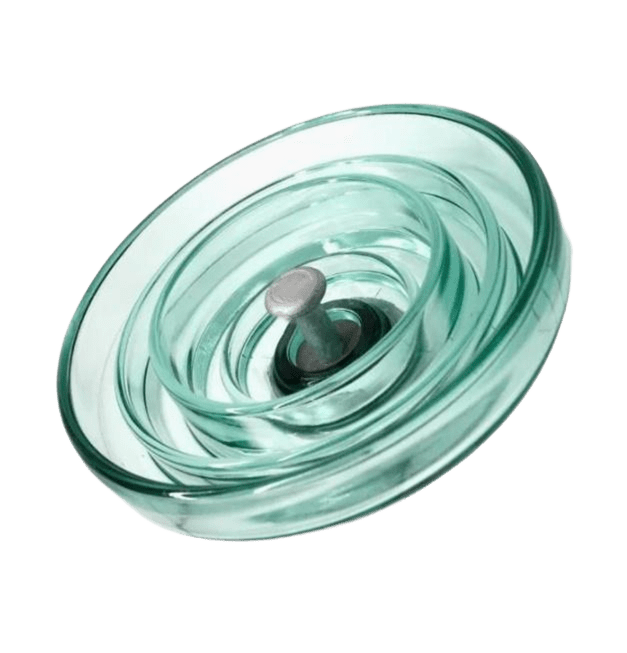
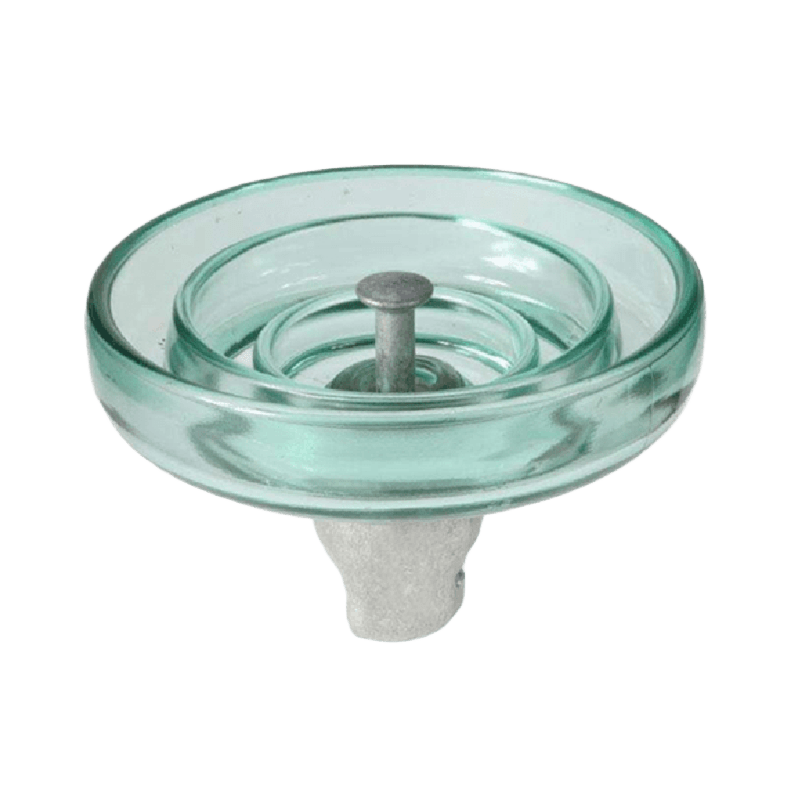
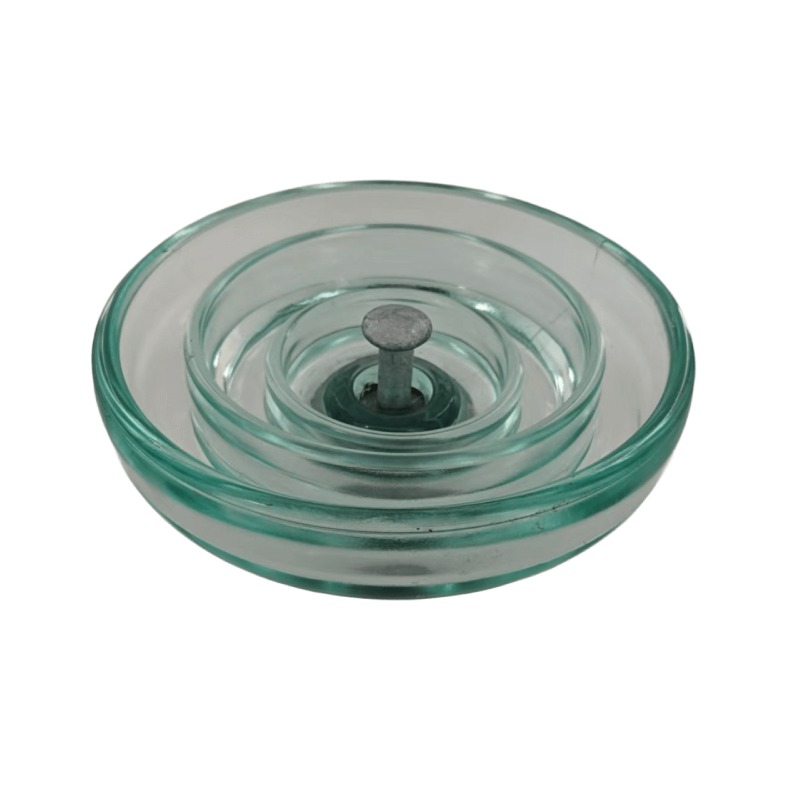
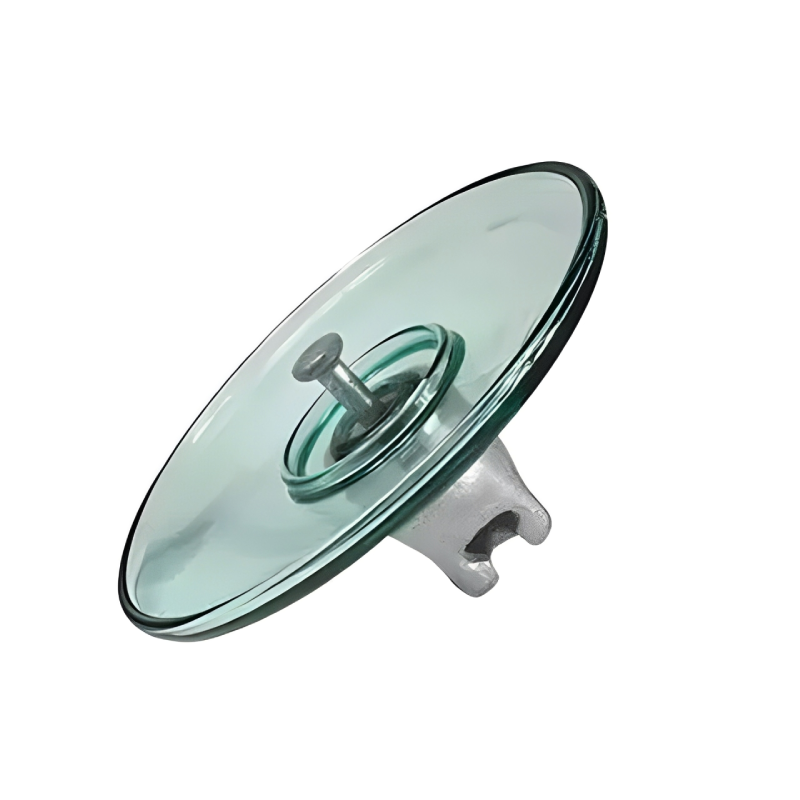
Jiangxi Factory Glass Insulators Purpose U160BP/155
Short Description:
 Phone
Phone
 whatsapp
 Email
Email
Product Details
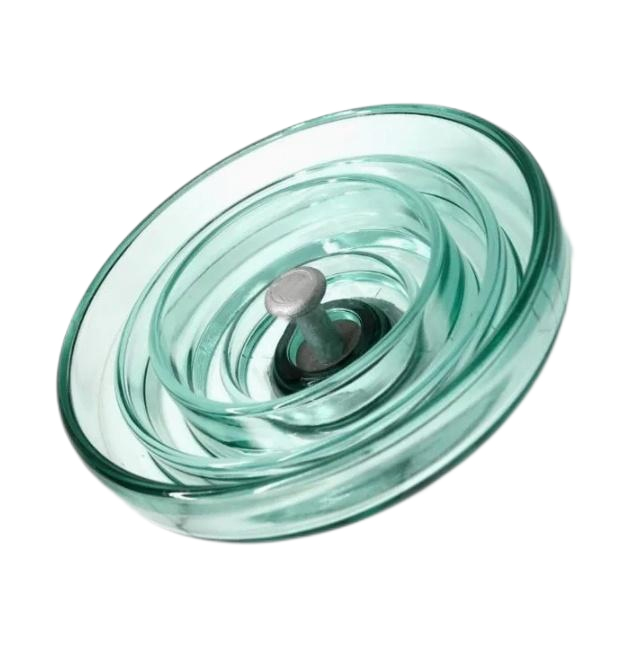
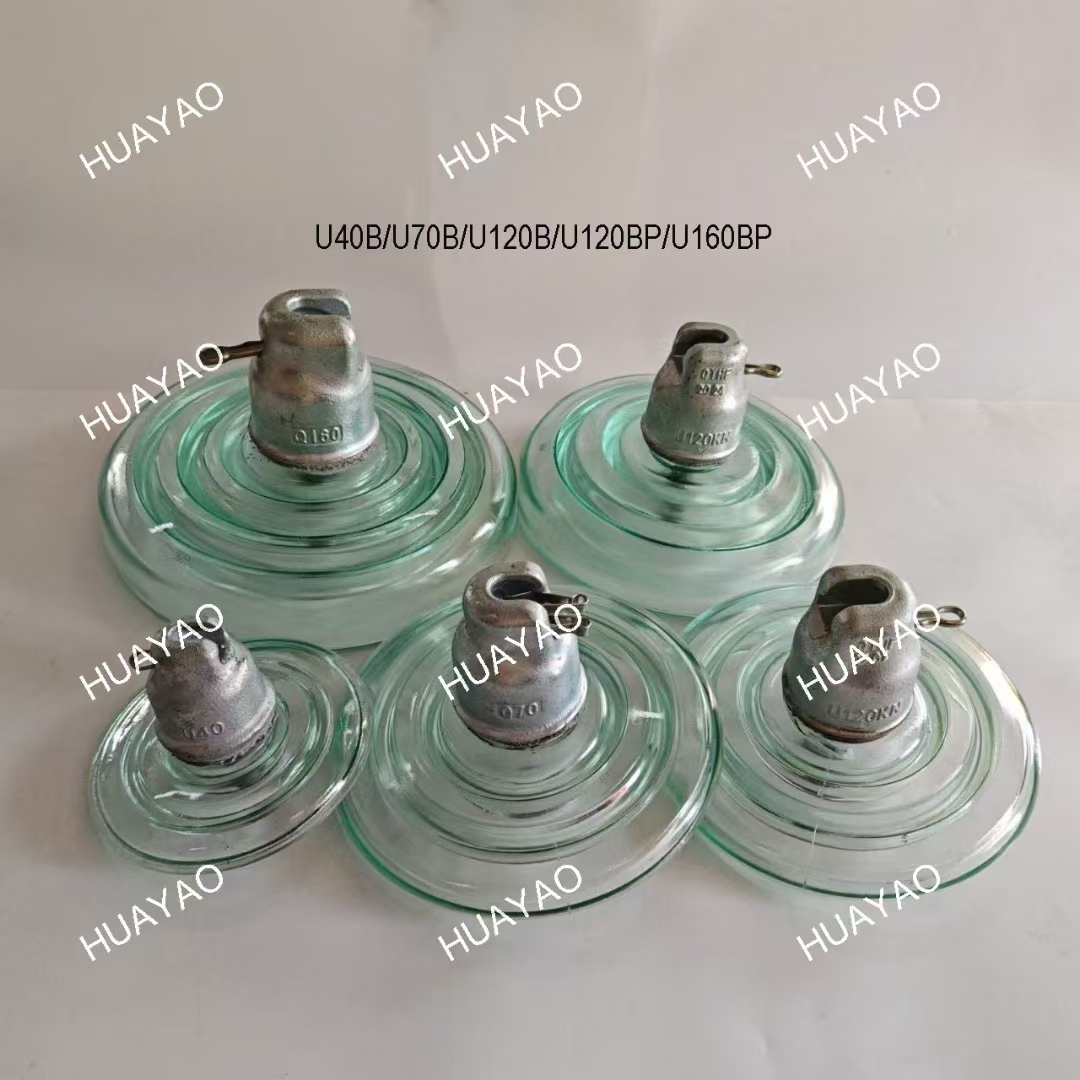
| Model Number | U160BP/155 |
|---|---|
| Material | Glass |
| Application | High Voltage |
| Rated Voltage | 33kV |
| Color | Jade Green |
| Place of Origin | Jiangxi, China |
| Certification | ISO9001 |
Common Product Specifications
| Diameter D (mm) | 320 |
|---|---|
| Spacing H (mm) | 155 |
| Creepage Distance L (mm) | 550 |
| Mechanical Failing Load (kN) | 160 |
| Power Frequency Withstand Voltage DRY (kV) | 90 |
| Power Frequency Withstand Voltage WET (kV) | 55 |
| Net Weight per Unit (kg) | 9.00 |
Product Manufacturing Process
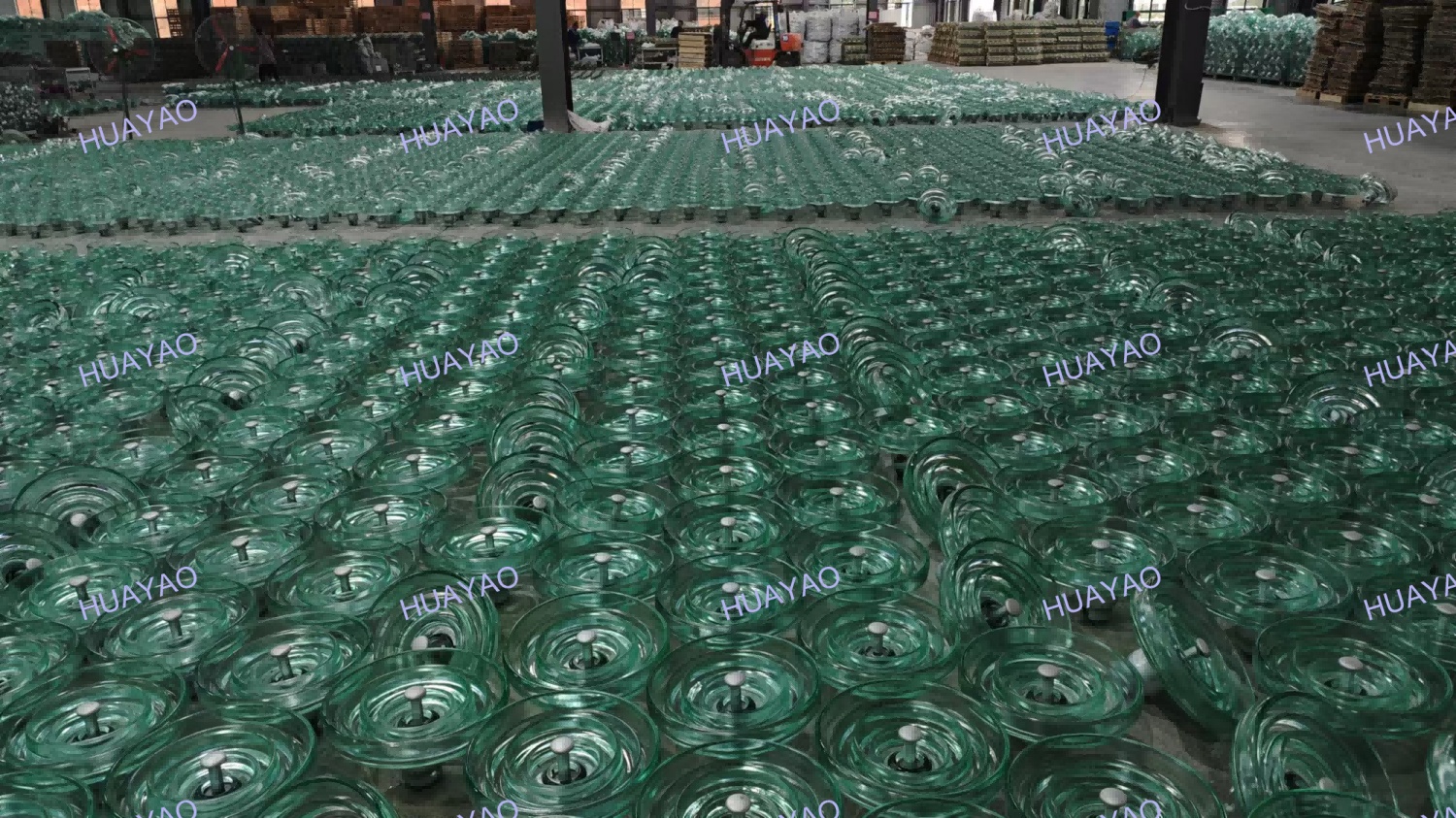
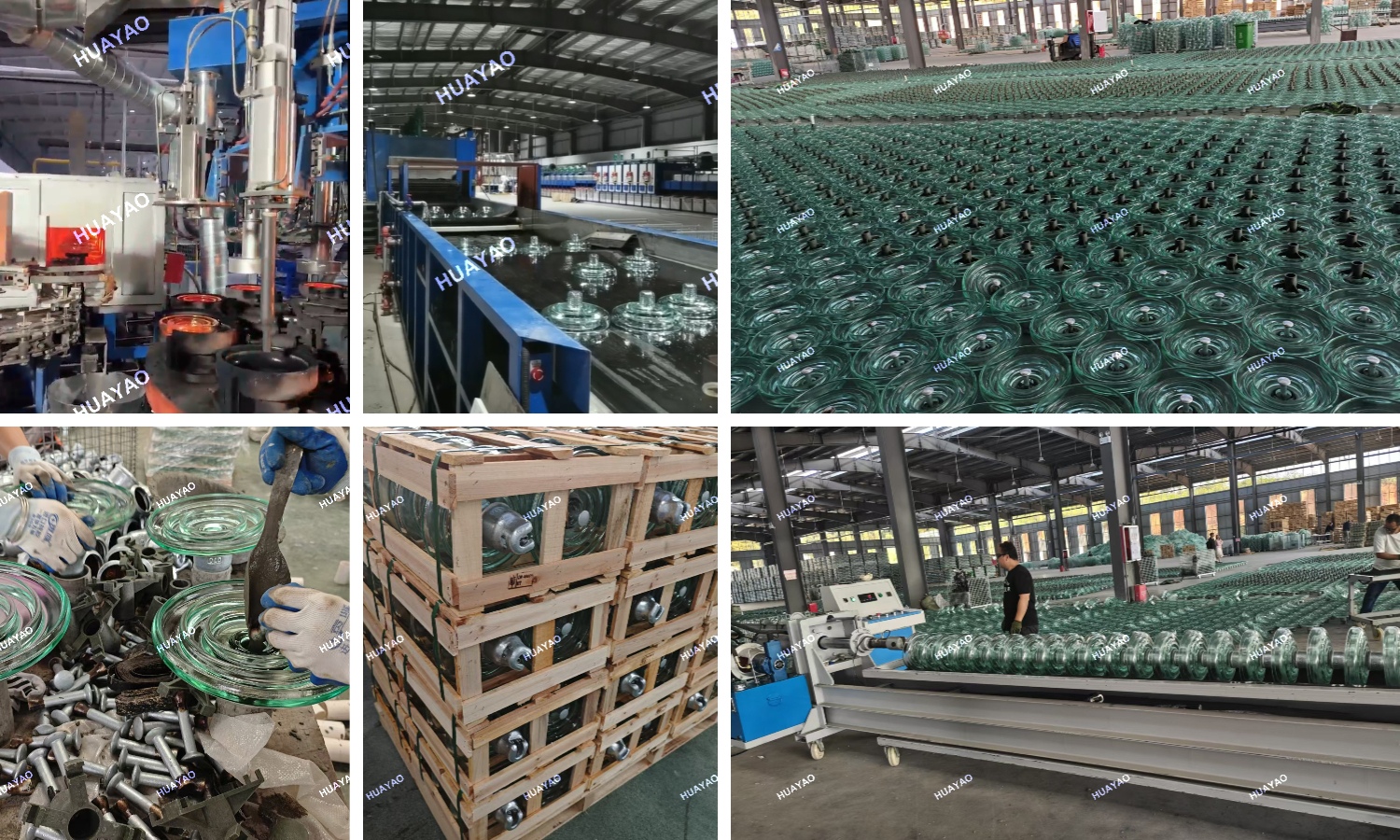
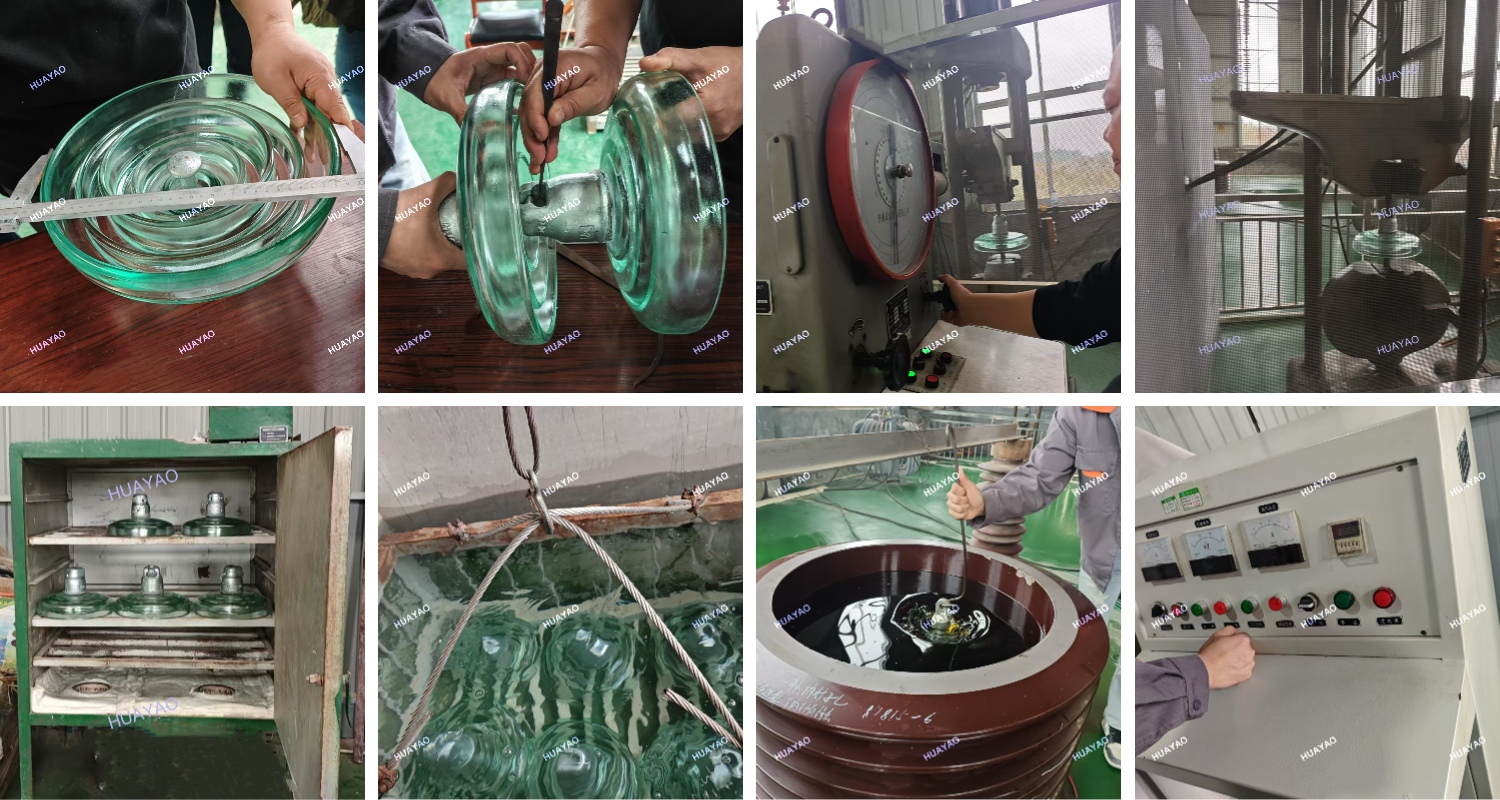
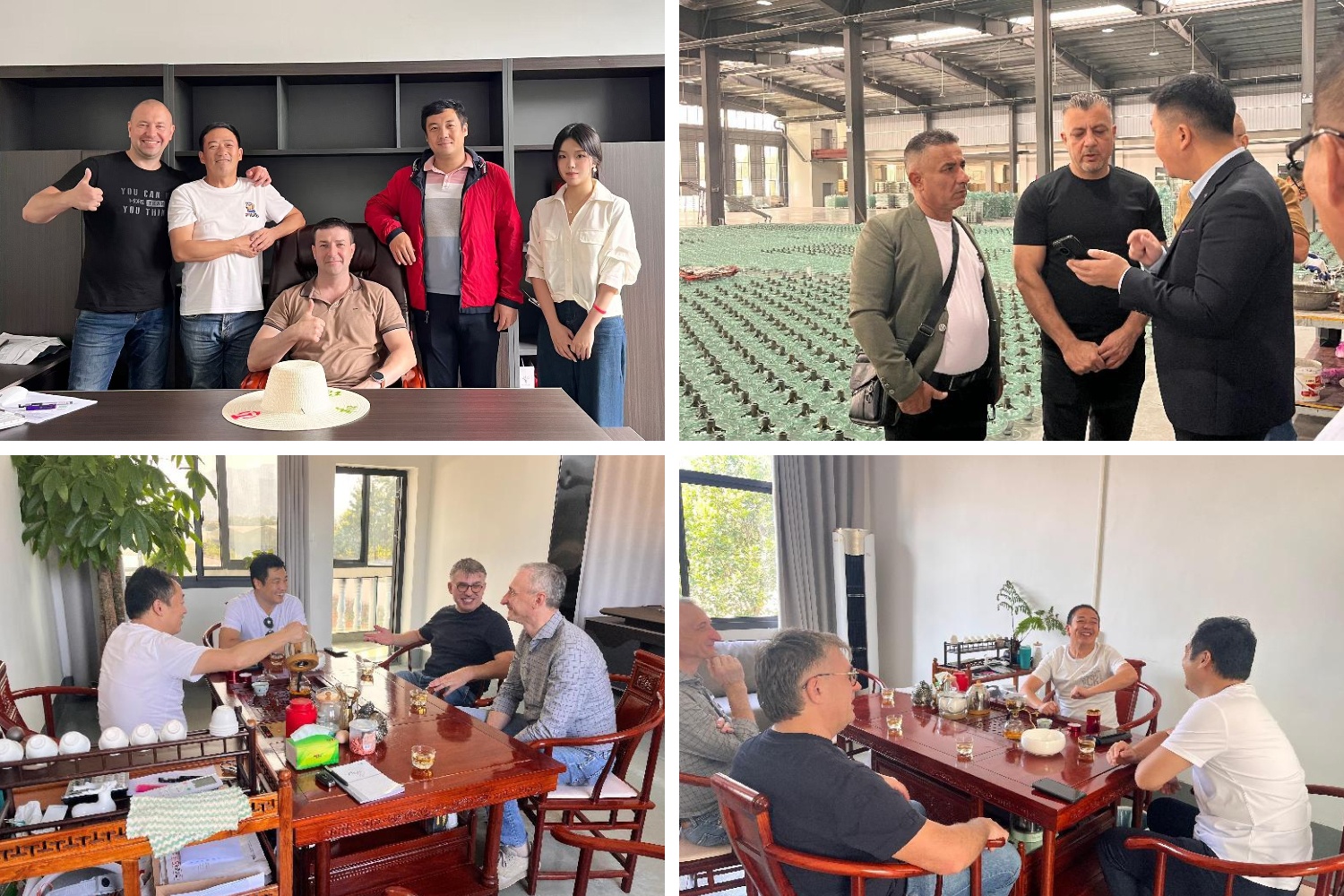
In the factory, the glass insulators undergo a meticulous manufacturing process that begins with the selection of high-grade raw materials. These materials are then melted in state-of-the-art kilns, ensuring uniform consistency. The molten glass is subsequently shaped into insulators through a precision pressing technique. Following formation, the glass undergoes a tempering process, which involves rapid heating and cooling, to enhance its strength and durability. Each insulator is subjected to rigorous quality checks to meet international standards, ensuring that they serve their purpose of providing reliable insulation in electrical transmission systems.
Product Application Scenarios
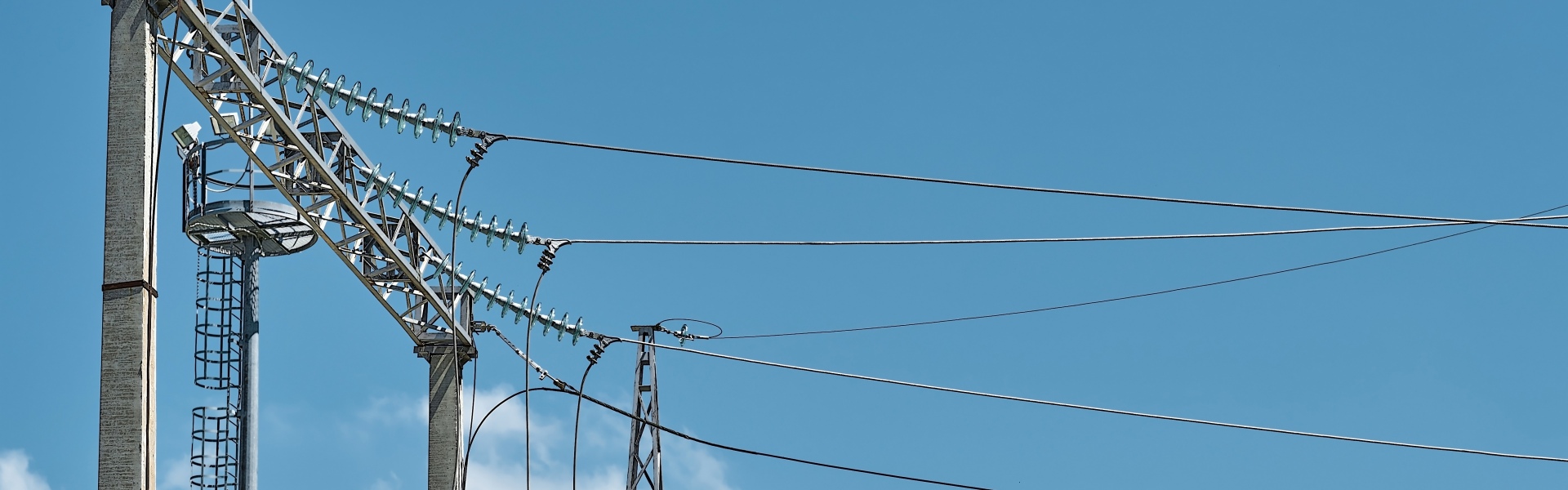
Glass insulators are indispensable in various application scenarios, particularly in overhead power transmission lines. They serve the critical purpose of insulating high voltage lines, preventing current leakage and maintaining system reliability. Their application extends to power grid construction projects and they are deployed in environments facing extreme weather conditions. Their robust design ensures longevity and efficiency, adhering to safety standards in power transmission.
Product After-Sales Service
We provide comprehensive after-sales support including a warranty, technical assistance, and a dedicated customer service team to address any concerns or issues related to our factory-manufactured glass insulators.
Product Transportation
Our transportation strategy ensures safe and timely delivery of glass insulators, utilizing secure packaging and reliable logistics partners to maintain product integrity from factory to destination.
Product Advantages
- High Strength and Durability
- Excellent Insulating Properties
- Weather Resistant Design
- Competitive Pricing from Factory Direct
- Global Export Experience
Product FAQ
- Q: What is the primary purpose of glass insulators?
A: Glass insulators are used to insulate and support electrical wires, preventing current leakage and ensuring safe transmission. - Q: How does the factory ensure the quality of insulators?
A: Quality is ensured through rigorous testing and adherence to ISO standards, with advanced machinery employed in production. - Q: What voltage range can the insulators handle?
A: The U160BP/155 is rated for high voltage applications, withstanding up to 33kV. - Q: What colors do glass insulators come in?
A: They are typically available in a jade green color, balancing aesthetic appeal and functionality. - Q: Are the insulators suitable for extreme weather?
A: Yes, they are designed to withstand severe weather, including rain and wind. - Q: What are the main components of a glass insulator?
A: They consist of iron caps, tempered glass pieces, and steel feet bonded together with cement adhesive. - Q: Why choose glass over ceramic insulators?
A: Glass offers distinct insulating properties and remains visible for inspection, making it a reliable option in many applications. - Q: Can I order custom insulator designs?
A: Our factory can accommodate certain customizations based on specific requirements and application needs. - Q: How is the safety of glass insulators ensured?
A: Safety is prioritized through stringent testing and quality control measures throughout the manufacturing process. - Q: What is the factory's production capacity?
A: Our factory is capable of producing over 6 million glass insulators annually, meeting large-scale demands.
Product Hot Topics
- Discussion 1: The purpose of using glass insulators in transmission lines is to provide effective insulation and support for high voltage systems. Our factory focuses on ensuring that each insulator is capable of enduring environmental stress and maintaining operational reliability.
- Discussion 2: Our factory employs advanced manufacturing technology to produce glass insulators that meet global standards. This ensures that they serve the crucial purpose of maintaining electrical efficiency and safety.
- Discussion 3: The purpose of our glass insulators extends beyond functional requirements, also contributing to the visual assessment of power lines. Our factory-produced insulators are crafted to balance utility and aesthetics.
- Discussion 4: Factory innovation is critical in producing glass insulators that withstand extreme conditions. We are committed to optimizing our manufacturing processes to fulfill the purpose of resilient electrical support.
- Discussion 5: The role of glass insulators in system stability is pivotal. Our factory's high-quality production ensures these components meet their intended purpose efficiently in electrical networks.
- Discussion 6: Our factory's approach to producing glass insulators includes stringent quality checks to maintain the purpose of safety and reliability in power transmission systems.
- Discussion 7: Glass insulators serve the purpose of preventing current leakage. At our factory, we prioritize precision in manufacturing to uphold this crucial functionality.
- Discussion 8: The factory's dedication to producing glass insulators is driven by the purpose of contributing reliable components to the global electrical infrastructure.
- Discussion 9: Understanding the purpose of glass insulators helps highlight the importance of factory quality control, ensuring these products perform as expected in real-world applications.
- Discussion 10: From factory production to field application, glass insulators serve a vital purpose. Our commitment is to ensure every unit fulfills its role in maintaining electrical transmission integrity.
Image Description


 Privacy settings