

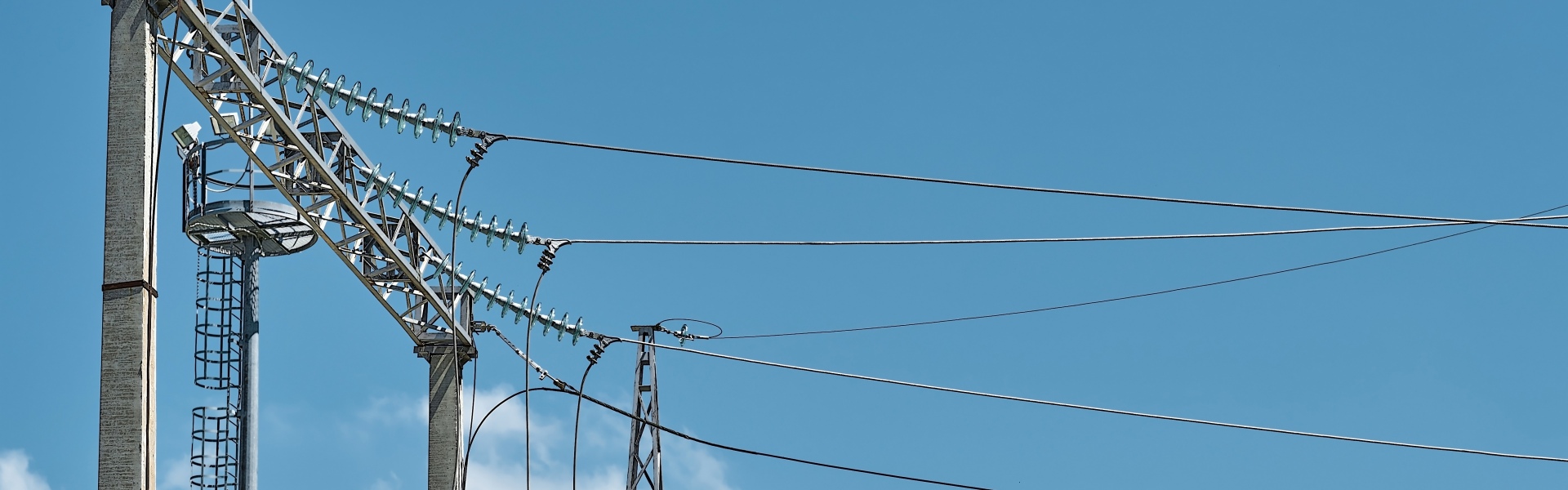
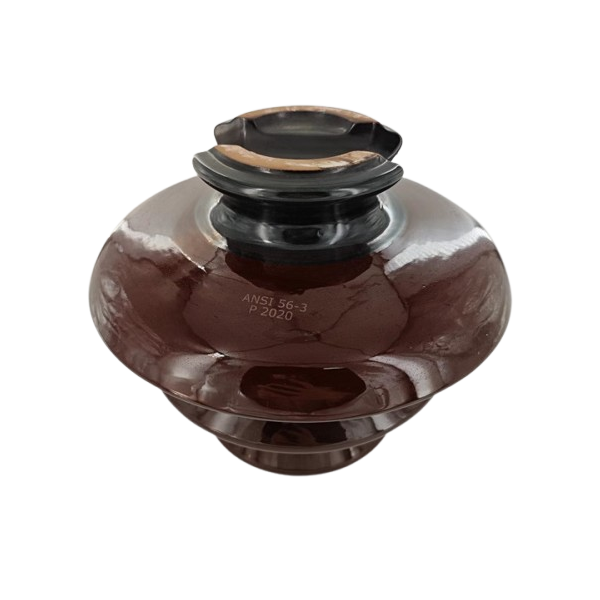
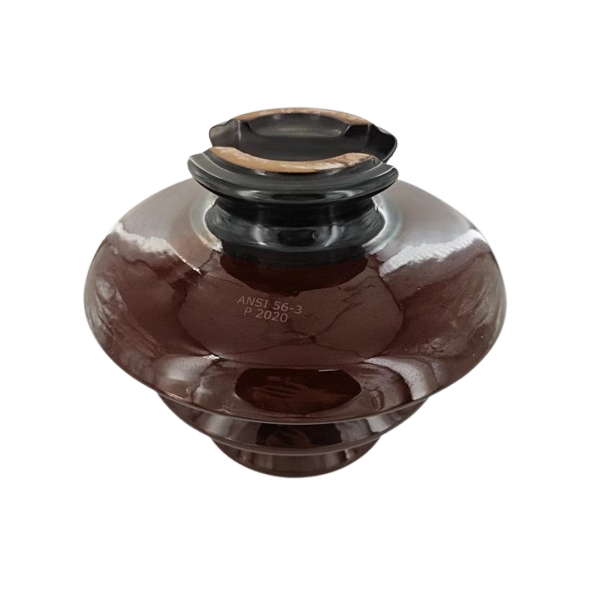
High Voltage Porcelain Wire Insulator from China
Short Description:
 Phone
Phone
 whatsapp
 Email
Email
Product Main Parameters
| Parameter | Specification |
|---|---|
| Model Number | 56-5 |
| Material | Porcelain |
| Rated Voltage | 44kV |
| Dimensions | Diameter: 343mm, Height: 318mm |
| Creepage Distance | 865mm |
| Cantilever Strength | 13.6kN |
Common Product Specifications
| Type | Diameter (mm) | Height (mm) | Creepage Distance (mm) |
|---|---|---|---|
| 56-1 | 191 | 146 | 330 |
| 56-2 | 229 | 165 | 432 |
| 56-3 | 267 | 191 | 553 |
| 56-4 | 305 | 241 | 686 |
| 56-5 | 343 | 318 | 865 |
Product Manufacturing Process
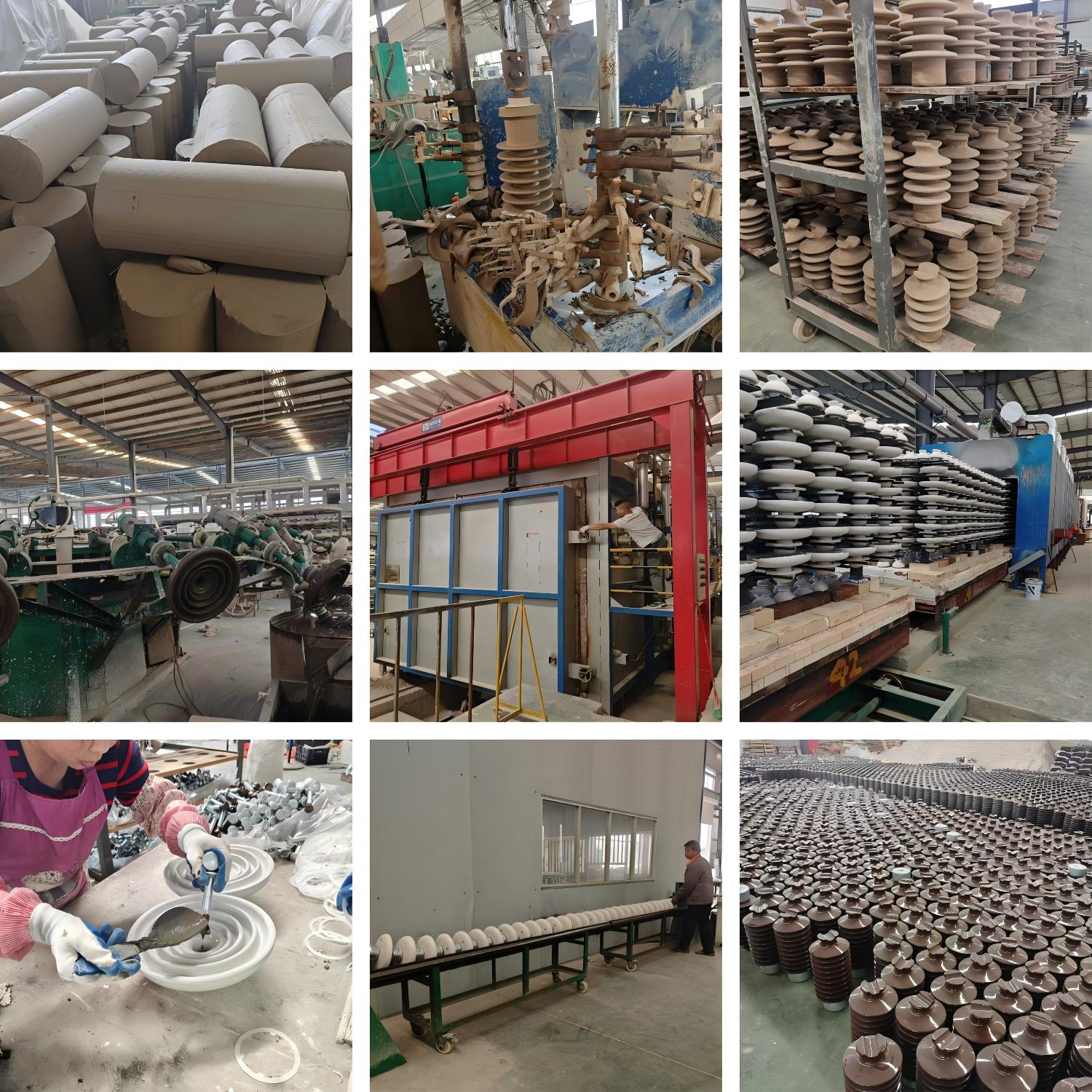
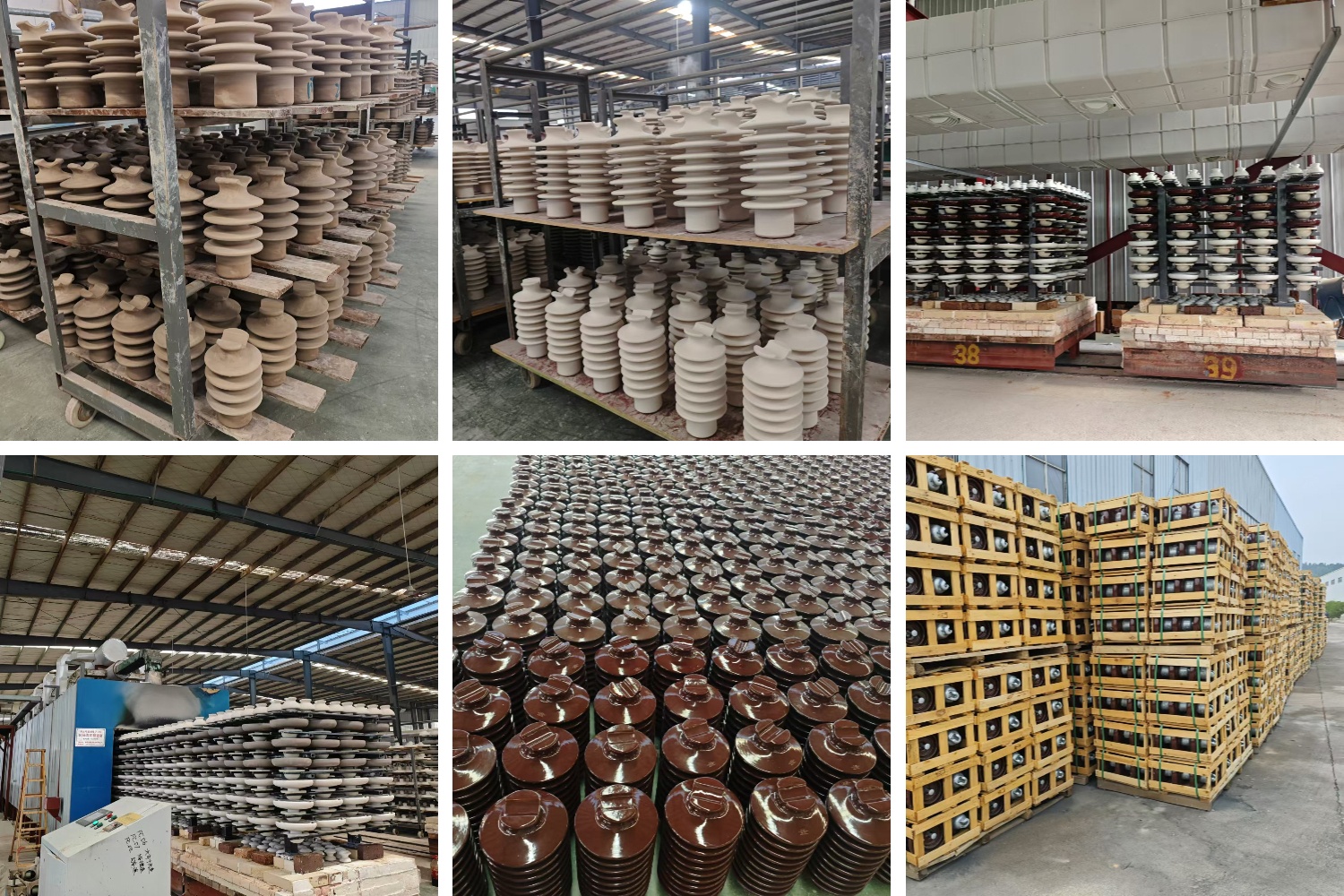
The manufacturing process of China porcelain wire insulators involves several precise steps. Initially, raw materials such as clay, quartz, and feldspar are meticulously mixed to form a consistent batch. The batch is then shaped into the desired insulator form and dried to remove moisture content. Following drying, the insulator undergoes glazing to enhance surface properties and is fired in a kiln at high temperatures, ensuring durability and strength. This process imparts excellent mechanical and electrical properties to the insulator. Subsequently, the insulator undergoes quality tests and inspections to ensure compliance with standards.
Product Application Scenarios
Porcelain wire insulators from China are pivotal in various power transmission and distribution scenarios. These insulators are extensively employed in high-voltage overhead lines to support and separate conductors from physical structures, thus ensuring safety and efficiency. They are also utilized in railway electrification systems, providing reliable insulation and mechanical stability. Their robust design allows them to withstand environmental stresses such as UV radiation, moisture, and extreme temperatures, making them suitable for outdoor applications. Furthermore, these insulators are integral in telecommunication lines and various household electrical systems, proving their versatility across different sectors.
Product After-Sales Service
Our after-sales service for the China porcelain wire insulator includes comprehensive support and warranty coverage. Any manufacturing defects are addressed promptly, ensuring customer satisfaction. Technical assistance is available for installation and maintenance, providing peace of mind for all users.
Product Transportation
We ensure safe and efficient transportation of China porcelain wire insulators to prevent damage during transit. Our packaging adheres to international export standards with robust cushioning and secure sealing. Multiple shipping options are available to meet time-sensitive demands.
Product Advantages
- Durable and robust structure
- Outstanding electrical insulation
- Resilient to environmental stressors
- Cost-effective solutions
- Global standard compliance
Product FAQs
What materials are used in China porcelain wire insulators?
China porcelain wire insulators predominantly comprise clay, quartz, and feldspar. These materials are chosen for their excellent dielectric strength and durability, ensuring high performance in electrical insulation applications.
What is the cantilever strength of the insulator?
The cantilever strength of the 56-5 porcelain wire insulator model is 13.6kN, providing robust mechanical support for overhead power lines.
How do porcelain insulators withstand harsh weather conditions?
These insulators are designed with a glazed surface that resists moisture and UV radiation, maintaining structural integrity and performance in challenging weather conditions.
What voltage range can these insulators handle?
China porcelain wire insulators, specifically the 56-5 model, are rated for use in high-voltage applications up to 44kV, making them suitable for a wide array of transmission systems.
Are these insulators compliant with international standards?
Yes, our insulators comply with global standards such as IEC and ANSI, ensuring high-quality, reliable performance for international applications.
Can porcelain insulators be recycled?
Porcelain insulators can be recycled; however, the process is complex due to the materials involved. Manufacturers are exploring more sustainable production and recycling methods.
How do porcelain insulators improve transmission line safety?
Porcelain insulators provide electrical separation between conductors and support structures, reducing the risk of short circuits and enhancing the safety of transmission systems.
What is the expected lifespan of porcelain wire insulators?
With proper installation and maintenance, porcelain wire insulators from China can last several decades, offering long-term reliability and performance in electrical distribution.
How are these insulators tested for quality assurance?
Insulators undergo rigorous quality tests, including electrical, mechanical, and environmental testing, to ensure they meet industry standards and perform as expected in real-world conditions.
What makes porcelain a preferred material for wire insulators?
Porcelain is favored for its high dielectric strength, thermal stability, and mechanical robustness, making it an excellent choice for insulators in high-voltage applications.
Product Hot Topics
Environmental Impact of Porcelain Insulator Production
The production of porcelain wire insulators in China is evolving towards more environmentally friendly processes. Efforts are being made to reduce energy consumption during manufacturing and to source raw materials responsibly. This shift is crucial to mitigating the environmental impact associated with traditional production methods.
Comparing Porcelain and Polymer Insulators
While polymer insulators offer some advantages in terms of weight and flexibility, porcelain insulators from China continue to be favored for their superior mechanical strength and durability. Porcelain also remains unaffected by UV degradation, which can be a concern with some polymers.
Role of Porcelain Insulators in Renewable Energy Systems
China's porcelain wire insulators are increasingly being integrated into renewable energy projects, such as solar and wind farms. Their reliability in harsh outdoor environments makes them ideal for these applications where consistent performance is critical.
Innovations in Porcelain Insulator Design
Recent innovations in the design of porcelain wire insulators include enhanced glazing techniques and refined shapes to improve performance and resilience. These advancements help meet the growing demands of modern electrical grids.
Understanding Dielectric Strength in Porcelain Insulators
The dielectric strength of porcelain insulators refers to their ability to withstand electrical stress without failure. China's porcelain wire insulators are designed to offer exceptional dielectric strength, making them crucial for maintaining safety and efficiency in high-voltage applications.
Maintenance Tips for Prolonging Insulator Lifespan
Regular inspection and cleaning of porcelain wire insulators are essential for maximizing their lifespan. Removing accumulated dirt and debris ensures their surface remains insulative, preventing deterioration and maintaining optimal performance.
The Historical Development of Porcelain Insulators
The use of porcelain in electrical insulation dates back more than a century. Over time, manufacturing processes have evolved to produce high-quality porcelain wire insulators in China, combining traditional expertise with modern technology.
Porcelain Insulators and Grid Modernization
As electrical grids modernize with smart technologies, the role of reliable equipment becomes more crucial. China porcelain wire insulators are integral to this transformation, offering a dependable solution for upgrading existing infrastructure to meet new energy demands.
Addressing Common Issues in Porcelain Insulators
Common issues with porcelain insulators can include surface cracking and contamination. Addressing these challenges through regular maintenance and advances in material technology is crucial for ensuring continued reliability and performance.
The Future of Porcelain Wire Insulators
The future of porcelain wire insulators looks promising, with ongoing research into new ceramic composites that offer enhanced properties. These developments aim to provide even better performance and sustainability, aligning with global energy efficiency goals.
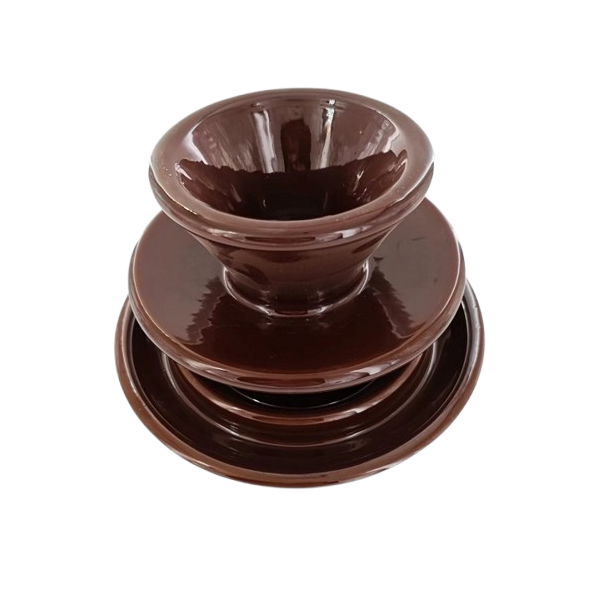
Image Description
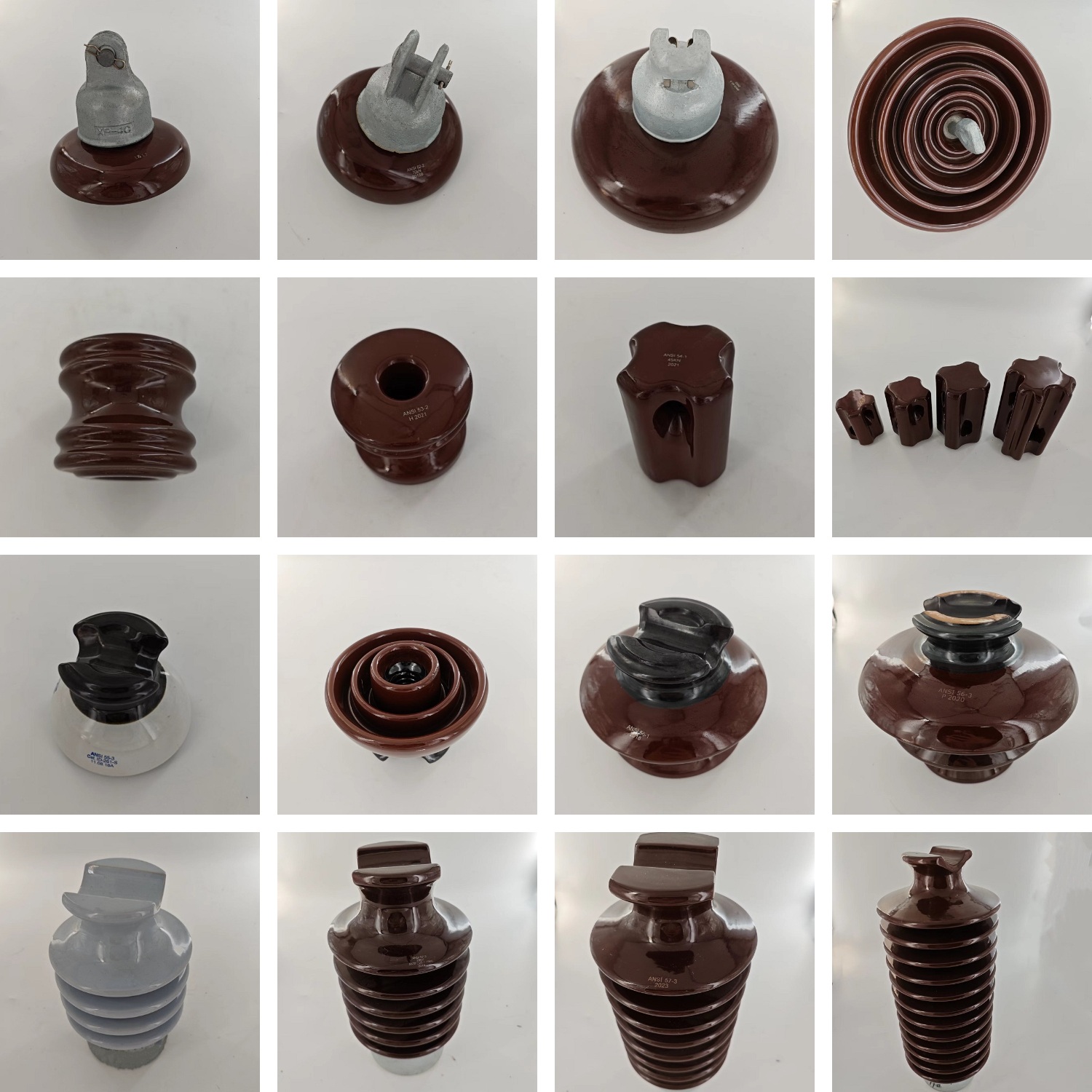
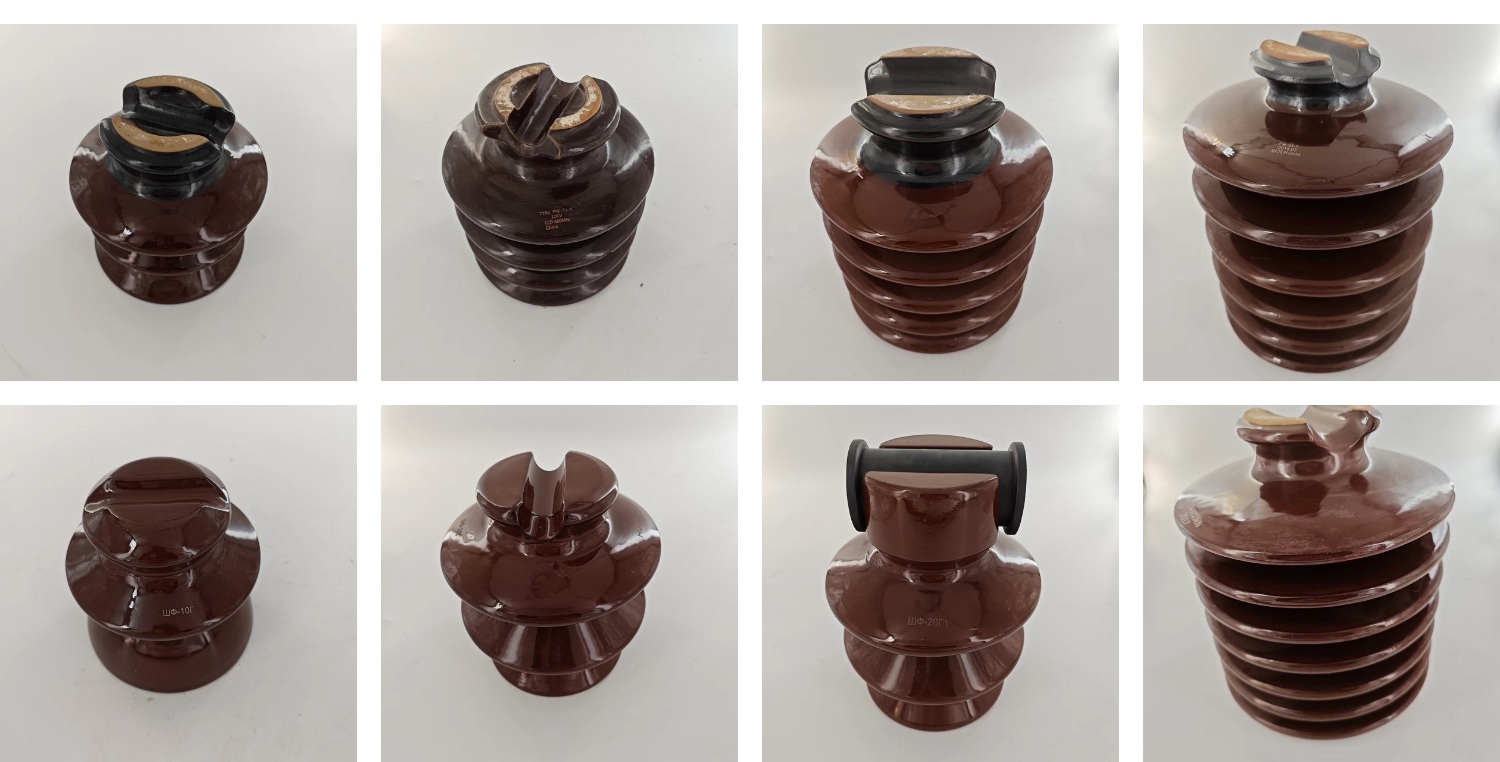
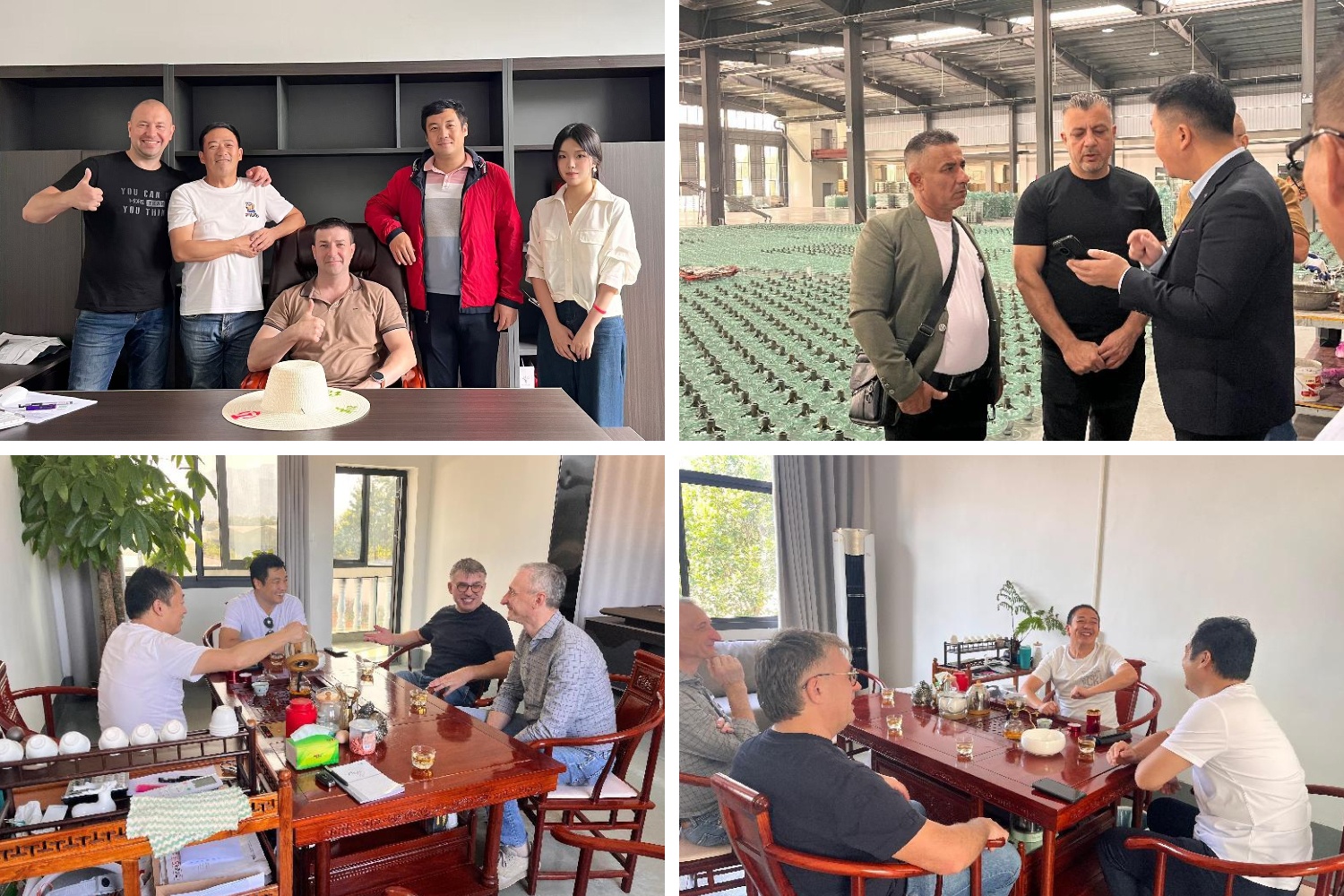
-
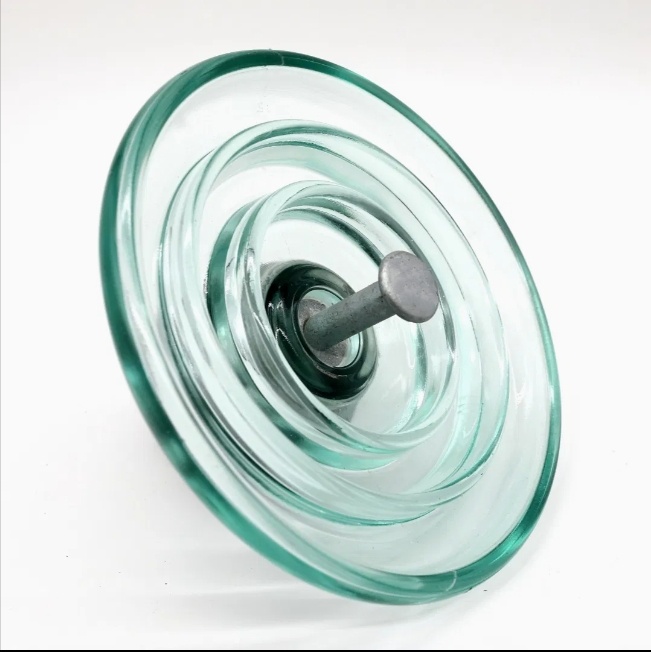
Wholesale 300kN Glass Insulators: What Are They Used For?
-
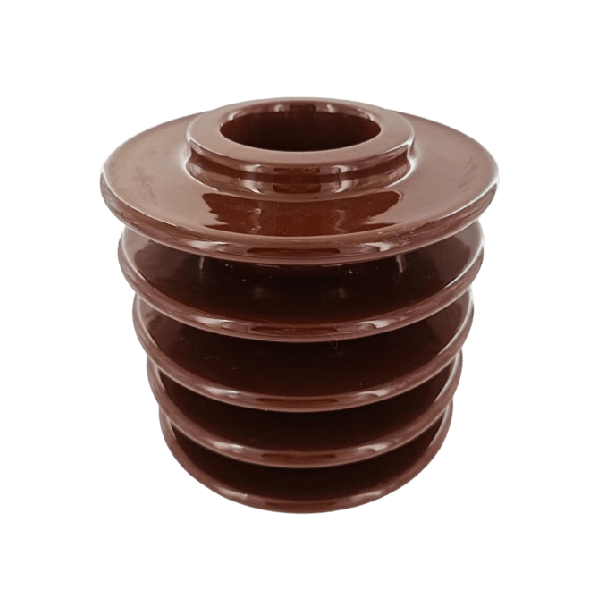
Factory Direct Porcelain Insulators for High Voltage
-
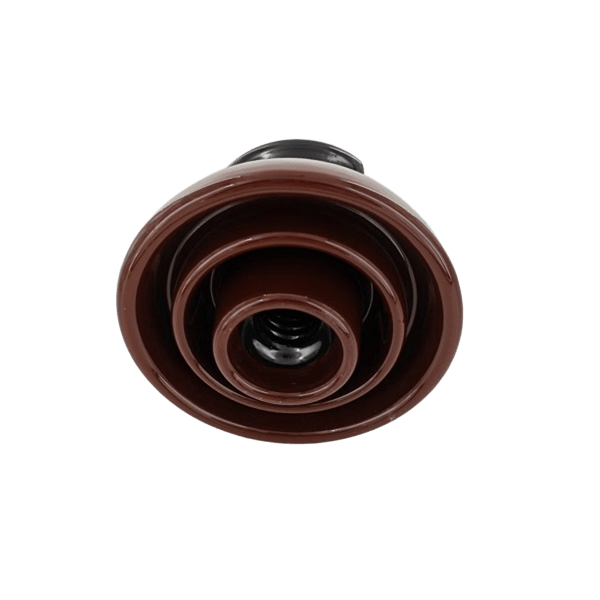
Leading Manufacturer of Porcelain Suspension Insulator
-
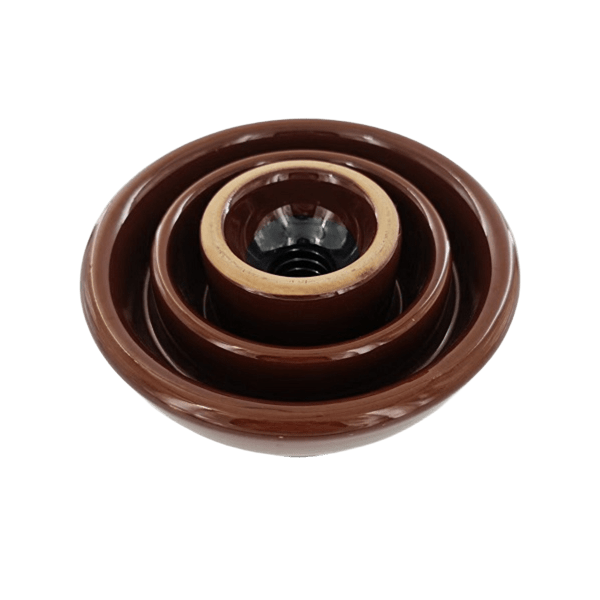
China Porcelain Power Line Insulators ANSI 55-5
-
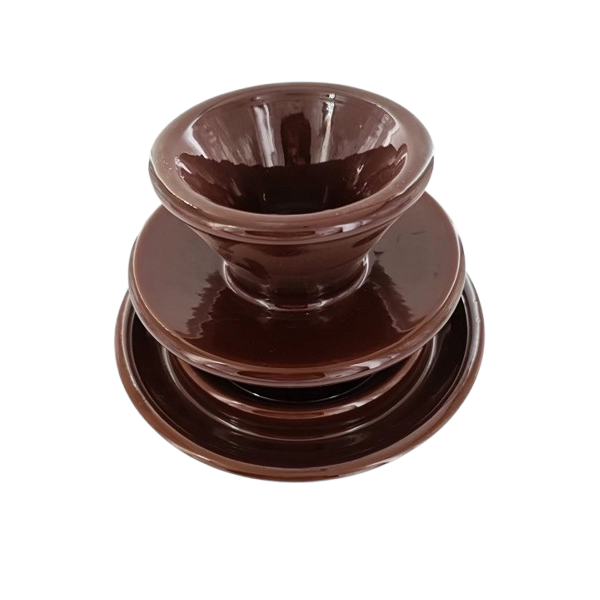
Reliable Supplier of Old Porcelain Insulators
-
Factory Porcelain Insulators High Voltage ANSI 56-4
 Privacy settings