

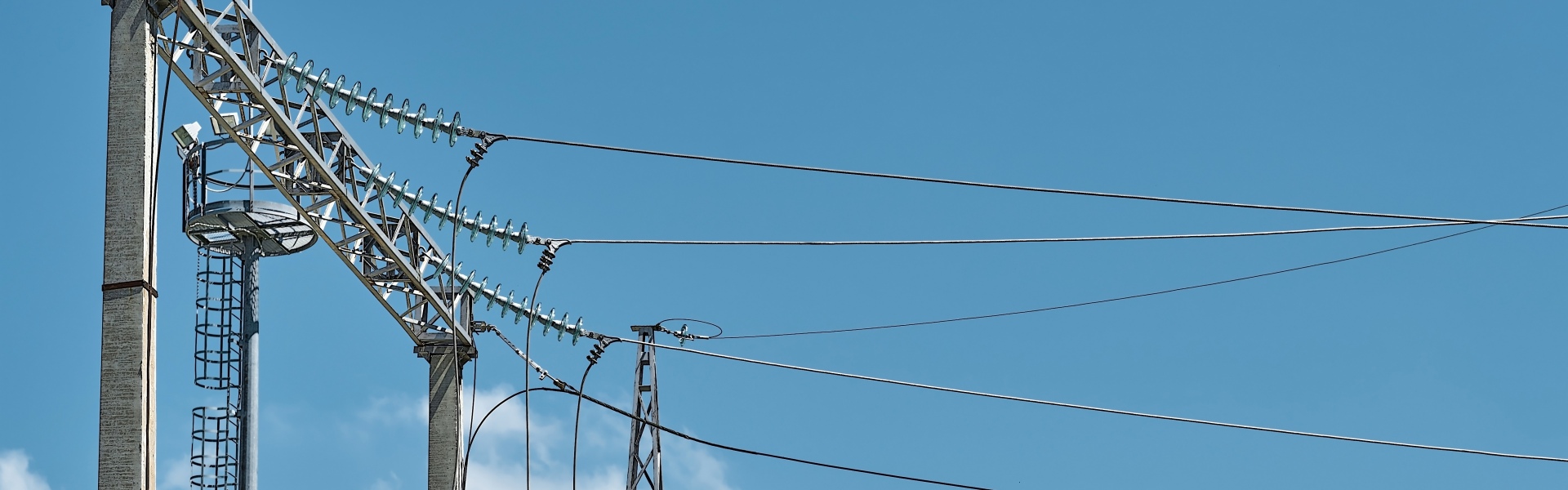
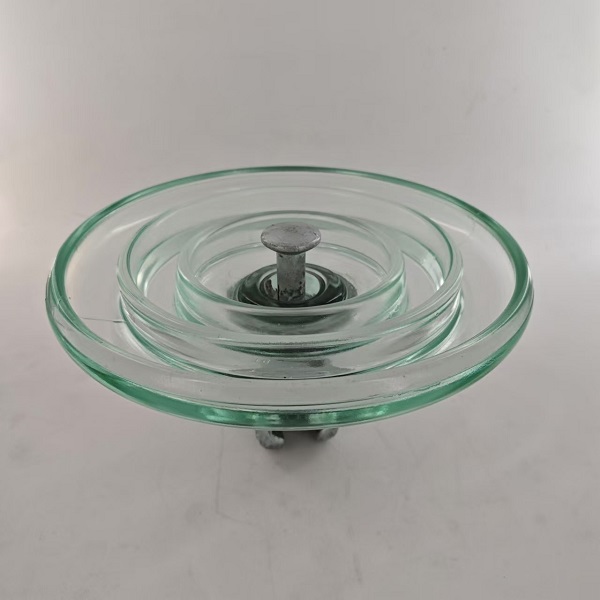
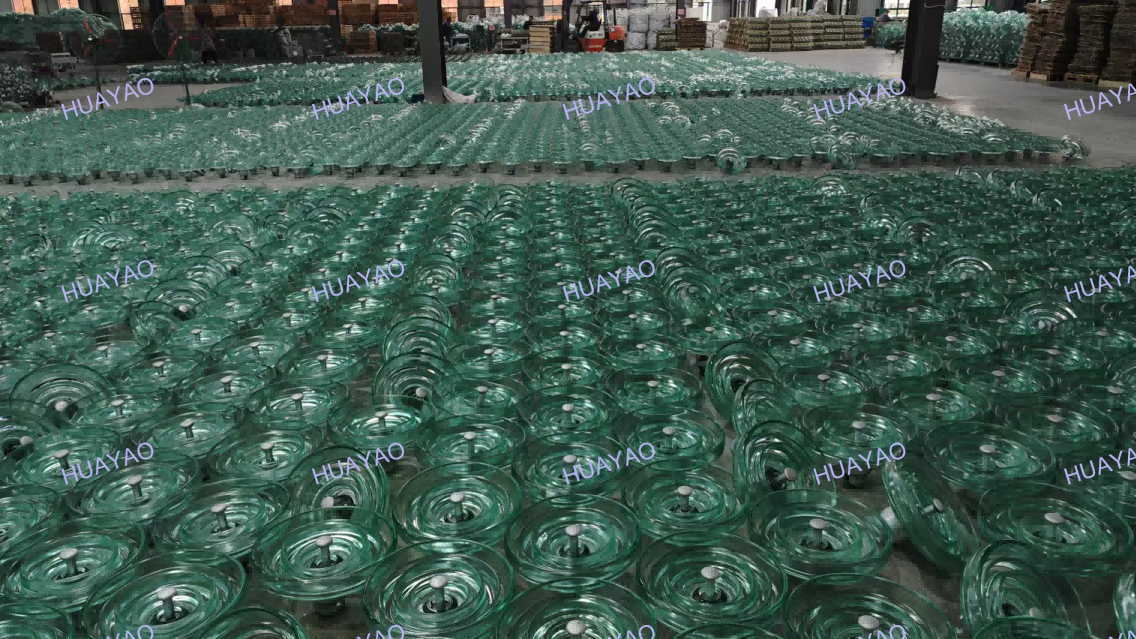
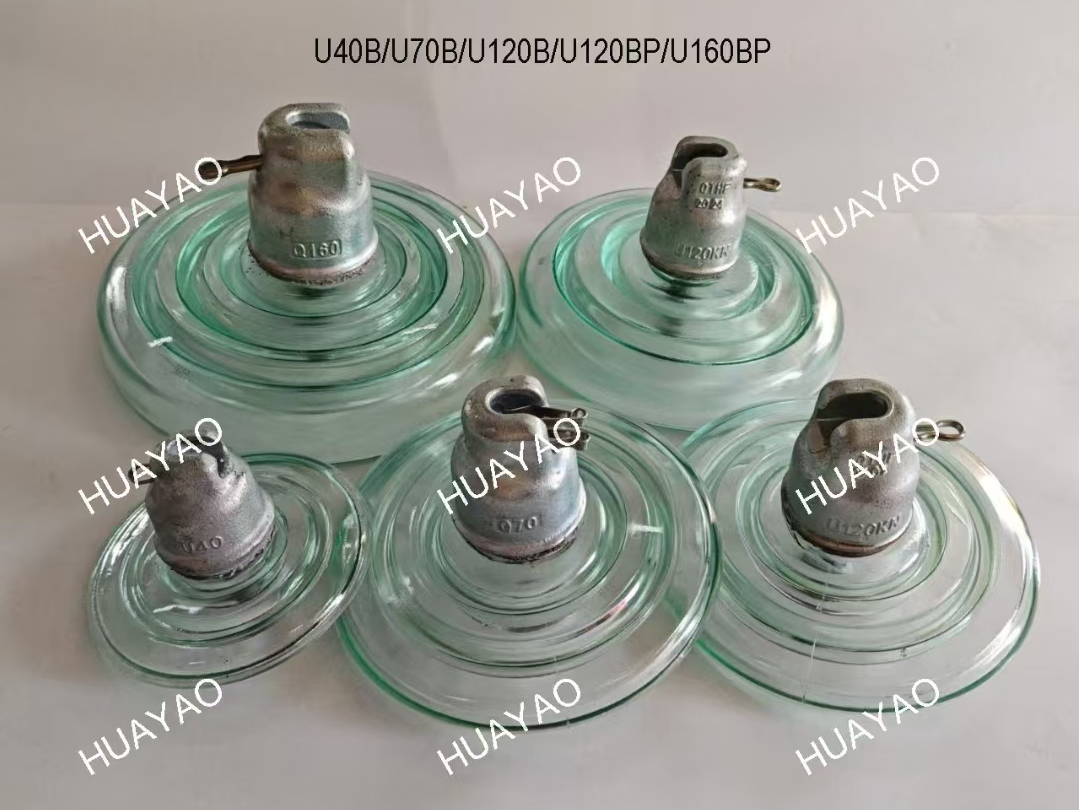
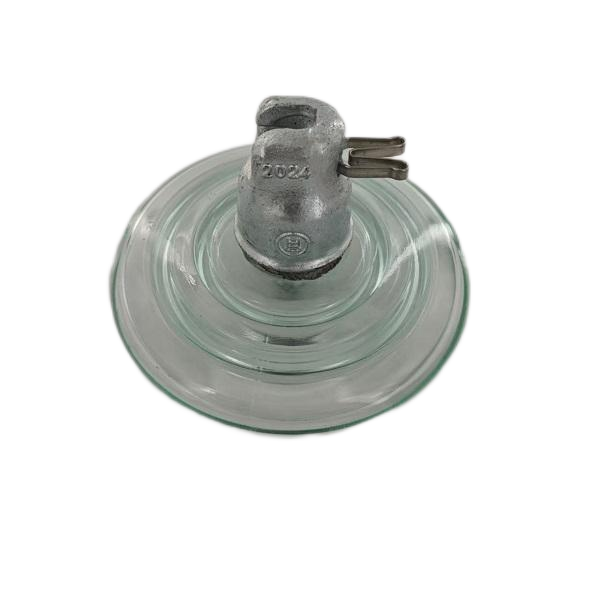
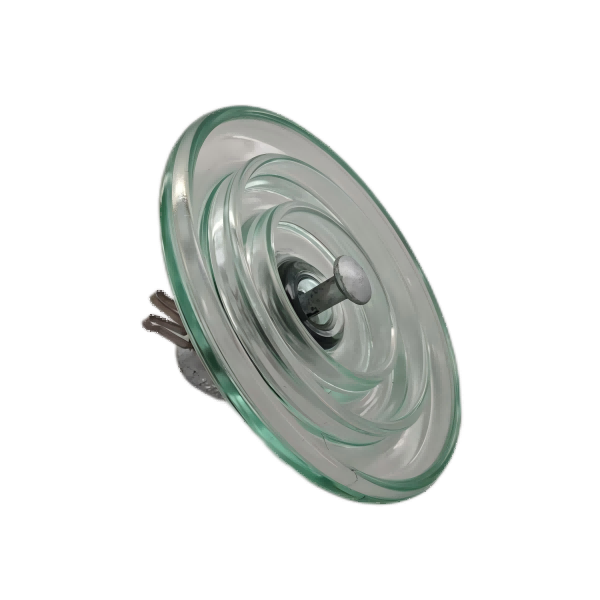
Factory-Produced 120kN Glass Insulators in Use
Short Description:
 Phone
Phone
 whatsapp
 Email
Email
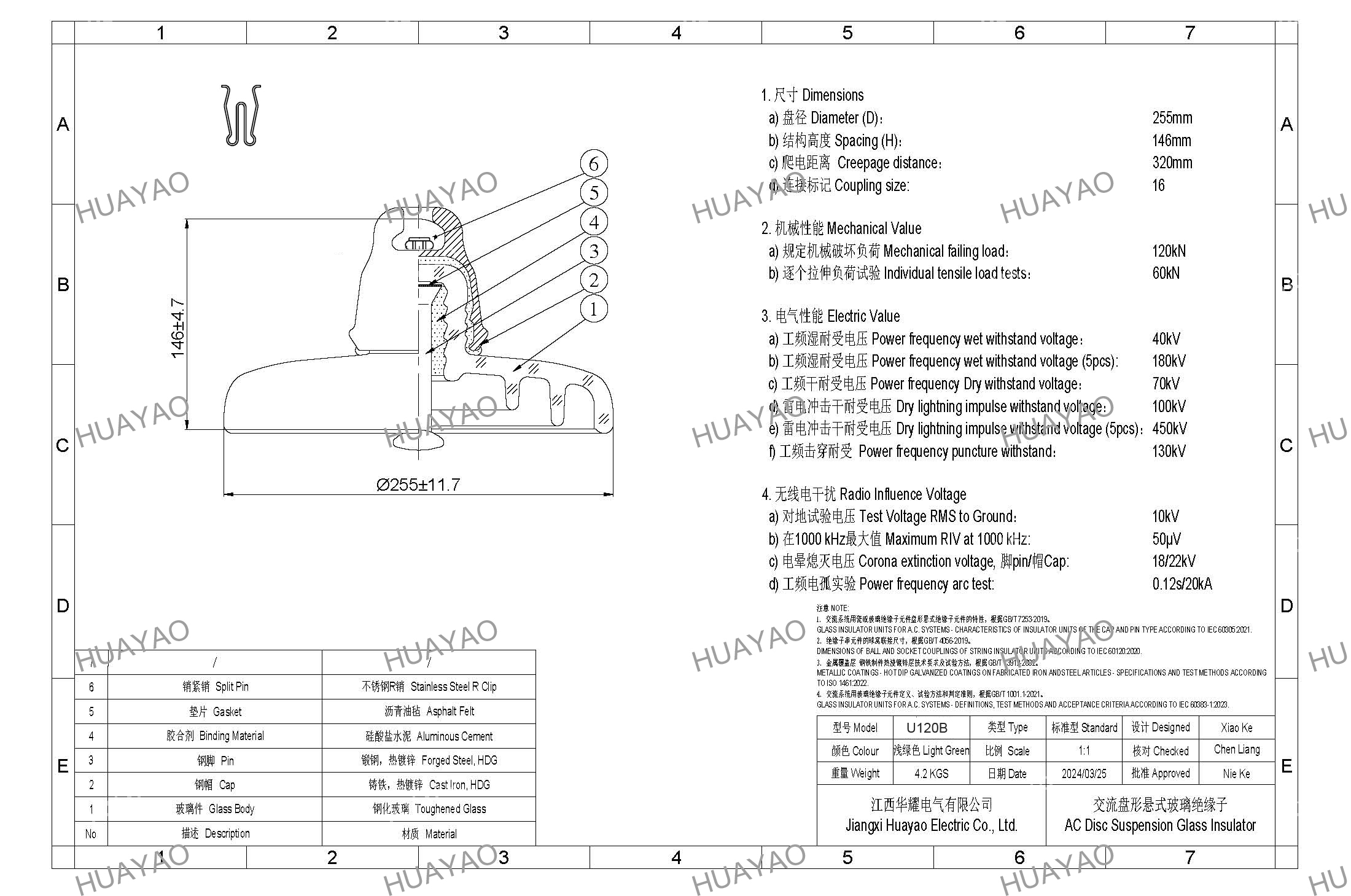
Product Main Parameters
| Model Number | U120BL |
|---|---|
| Material | Fiberglass |
| Rated Voltage | 33kV |
| Mechanical Load | 120kN |
Common Product Specifications
| Diameter D (mm) | Spacing H (mm) | Creepage Distance L(mm) | Mechanical Failing Load (kN) |
|---|---|---|---|
| 255 | 127 | 320 | 120 |
Product Manufacturing Process
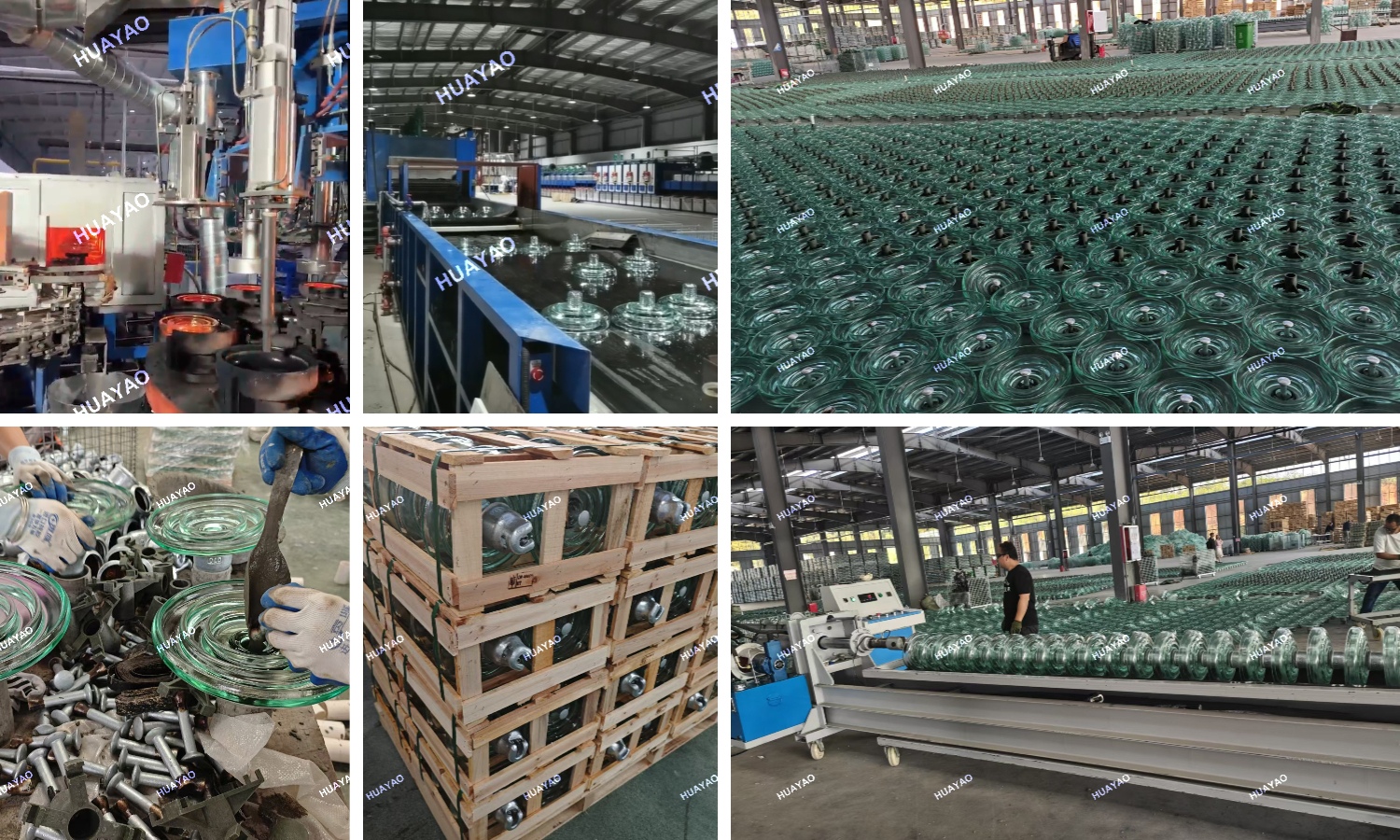
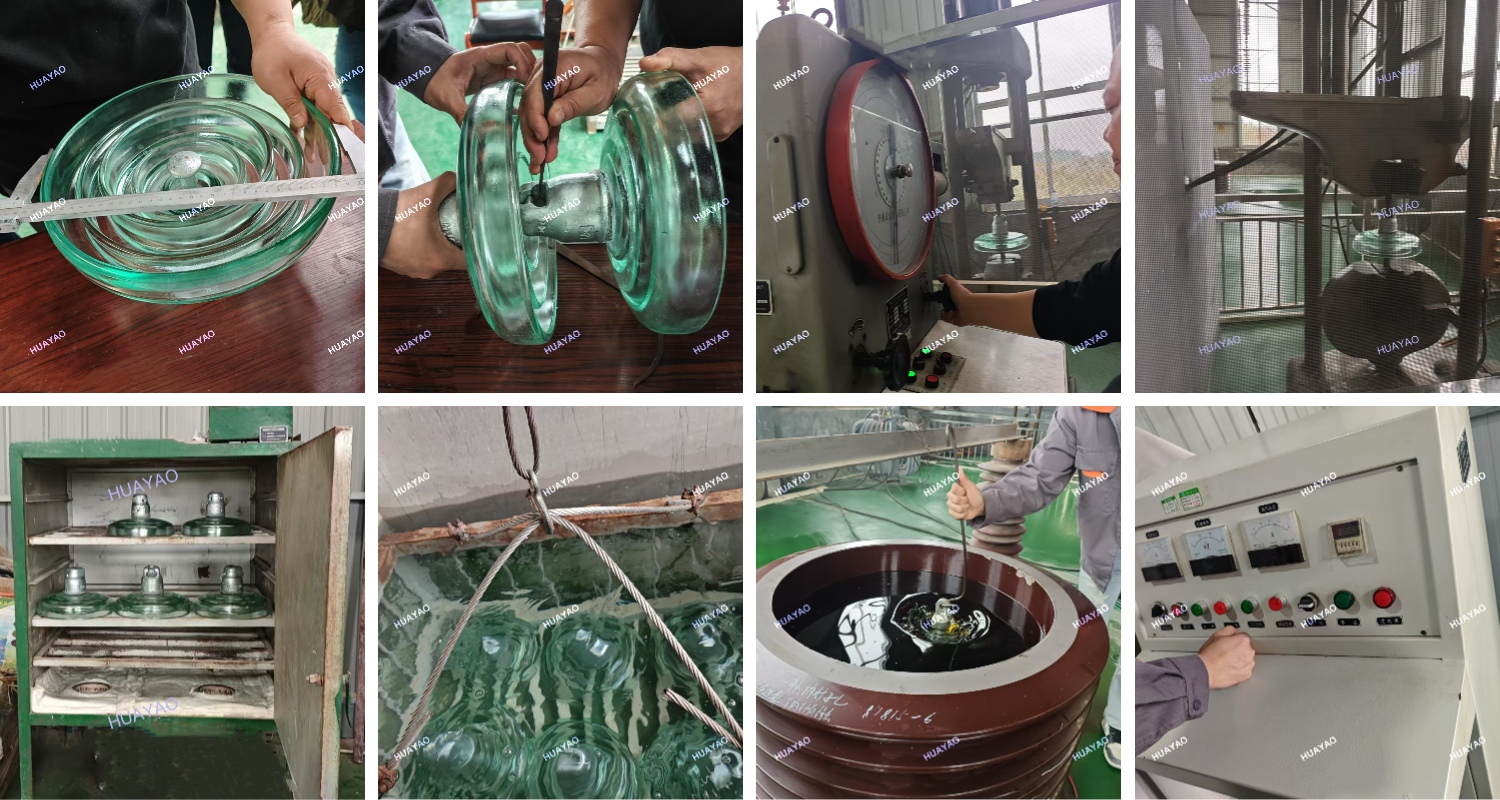
The manufacturing of high voltage glass insulators involves advanced tempering and molding techniques to ensure optimal mechanical strength and electrical insulation properties. Raw materials are carefully selected and melted at high temperatures. The molten glass is then shaped into molds, cooled gradually to avoid internal stresses, and tempered to enhance strength. This meticulous process ensures that each insulator meets stringent quality standards, which are crucial for their performance in high-voltage transmission applications. Authoritative studies highlight the importance of precision in temperature control and material composition to achieve the best results in glass insulator production.
Product Application Scenarios
Glass insulators are integral components in overhead transmission lines. Their primary role is to provide mechanical support while ensuring electrical insulation between the live wire and the grounded tower. These insulators are especially valuable in regions with challenging environmental conditions, such as high humidity or salt-rich coastal areas, due to their excellent resistance to pollution and corrosion. Authoritative sources underscore their relevance in smart grid development, where reliability and longevity are paramount. Furthermore, their aesthetic appeal makes them suitable for preserving historical sites while modernizing electrical infrastructure.
Product After-Sales Service
- Comprehensive warranty covering manufacturing defects
- 24/7 customer support hotline
- On-site technical assistance available for installation
- Free replacement for faulty insulators within the warranty period
Product Transportation
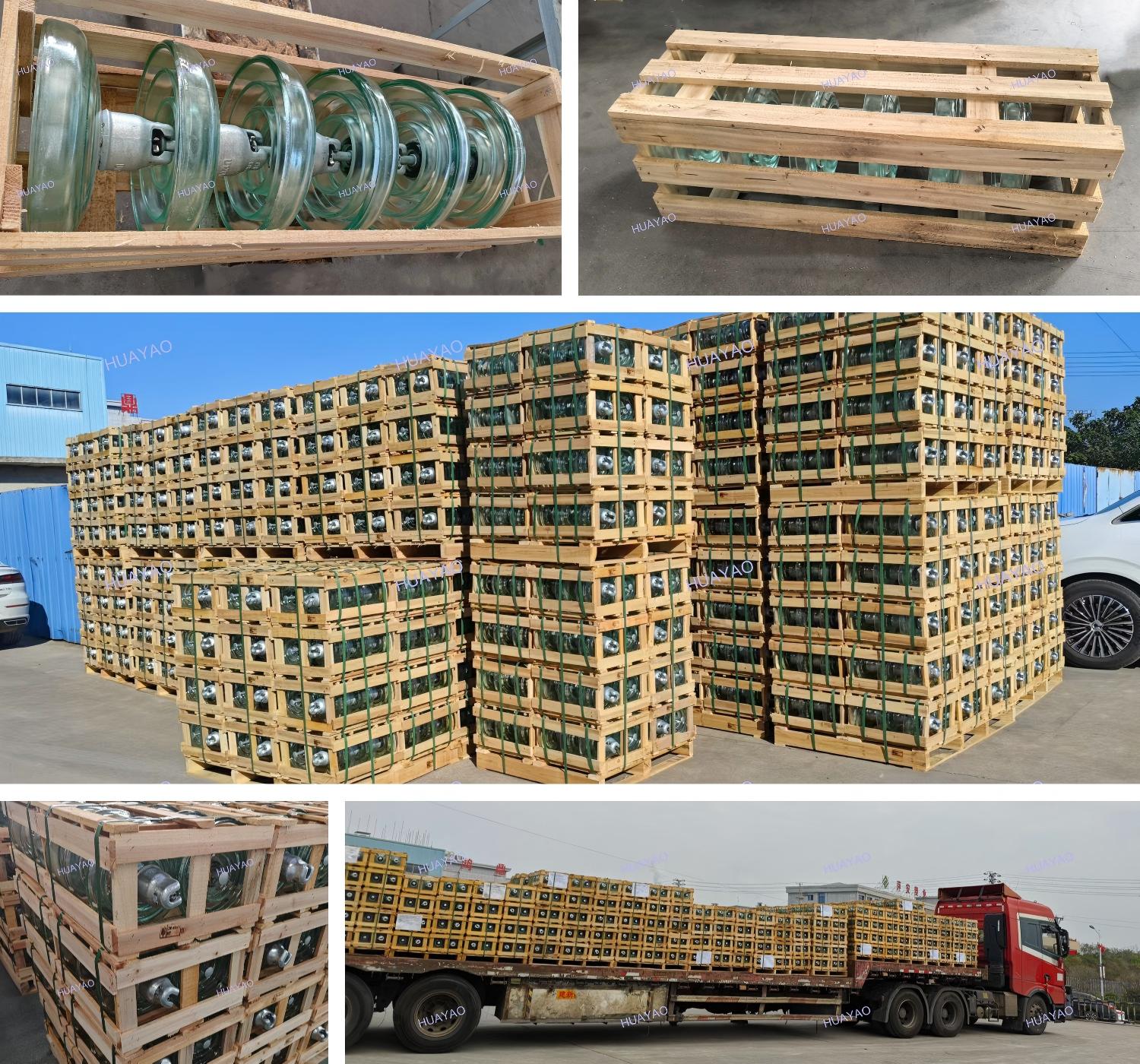
Our glass insulators are packed meticulously in wooden cases and placed on pallets to ensure safe transportation. We leverage reliable logistics partners to deliver products promptly to various global locations, facilitated through major ports like Ningbo and Shanghai.
Product Advantages
- Superior durability due to advanced tempering process
- Excellent electrical insulation properties
- Aesthetic appeal allows use in historically sensitive areas
- Environmentally friendly and recyclable material
Product FAQ
- What is the daily output capacity for these insulators?
The factory can produce up to 10,000 pieces of the U120BL glass insulators daily, ensuring a steady supply for large scale projects.
- How does the factory ensure quality control?
Our factory implements ISO9001 quality management systems, and thorough inspections at each production stage ensure product integrity and compliance with global standards.
- Can glass insulators be used in regions with harsh weather conditions?
Yes, glass insulators provide excellent resistance to extreme weather, including temperature fluctuations and pollution, making them suitable for diverse environments.
- What is the typical lifespan of these insulators?
When manufactured under strict quality control and used appropriately, glass insulators have a long lifespan, often exceeding 30 years in typical transmission line applications.
- How does glass compare to other materials used for insulators?
Glass offers superior aesthetic appeal and immunity to weathering, though it may not match the lighter weight of polymer alternatives. Its recyclability is also a major advantage.
- What is the advantage of using a factory-made product?
Factory-made products ensure controlled consistency and quality, reducing the risk of defects and increasing reliability, crucial for critical electrical infrastructure.
- How are insulators packaged for shipping?
Insulators are securely packaged in wooden cases and placed on pallets to prevent damage during shipping and handling.
- Are the insulators customizable for different specifications?
Yes, while standard specifications are commonly used, our factory can accommodate specific requests for custom dimensions or load requirements.
- What kind of support does the factory offer post-purchase?
Customers benefit from a comprehensive warranty, technical support, and replacement services, ensuring peace of mind and continued reliability of our products.
- Are glass insulators eco-friendly?
Yes, glass insulators are made from natural raw materials and are fully recyclable, offering an environmentally sustainable option for electrical insulation needs.
Product Hot Topics
- The Role of Glass Insulators in Historical Preservation
Glass insulators are not only functional but also serve as a nod to historical authenticity in electrical installations. Their use in preserving the aesthetic of traditional sites while ensuring modern functionality is a testament to their timeless design and utility. Enthusiasts appreciate the blend of history and technology facilitated by glass insulators.
- The Environmental Impact of Using Glass Insulators
In today's eco-conscious world, glass insulators represent a sustainable choice due to their recyclability and lower environmental impact. Unlike other materials that degrade over time, glass maintains its integrity and can be reused indefinitely, aligning with global sustainability goals. This advantage makes them a preferred choice in modern electrical planning.
- Modern Applications of Traditional Glass Insulator Designs
While traditional in concept, glass insulators are rapidly adapting to modern needs. Their use in smart grids and renewable energy projects highlights their adaptability and continued relevance. Innovations in their design and composition continue to enhance their applicability in cutting-edge technologies.
- Factory Processes Ensuring the Best Glass Insulator Quality
The factory's commitment to quality is evident in its rigorous manufacturing processes. From raw material selection to the final product checks, each step is meticulously controlled. This attention to detail ensures that every glass insulator meets high standards, crucial for maintaining the reliability of power distribution networks.
- Why Choose Factory-Made Glass Insulators?
Choosing factory-made glass insulators means choosing reliability and consistency. Mass production under strict quality controls guarantees that each unit's performance is predictable and dependable, which is vital for maintaining the integrity of electrical systems.
- Innovations in Glass Insulator Production Techniques
Advancements in production techniques have revolutionized glass insulator manufacturing. Techniques such as advanced tempering and automated quality assessment ensure high product standards. This evolution enhances their mechanical strength and environmental resilience, crucial for modern power infrastructure.
- The Impact of Global Standards on Glass Insulator Quality
Adherence to global standards like IEC60383 ensures that glass insulators meet international benchmarks of safety and performance. This compliance is vital for their acceptance in diverse markets, reflecting the factory's commitment to quality and reliability in their products.
- Aesthetic Appeal of Glass Insulators in Modern Decor
Beyond their utility, glass insulators have found a niche in home decor. Their distinctive shapes and colors make them ideal for artistic projects, blending functionality with beauty. Whether in lamps, vases, or art installations, they bring a unique, industrial charm to interiors.
- The Future of Glass Insulators in the Power Industry
As energy demands rise, the need for reliable and robust insulators becomes more pronounced. Glass insulators are poised to play a crucial role due to their proven efficacy and resilience. Continuous improvements in design and material science promise to keep them at the forefront of future electrical infrastructure developments.
- Challenges and Opportunities in the Glass Insulator Market
The glass insulator market faces challenges from alternative materials and market dynamics. However, opportunities abound in niche applications and areas focusing on sustainability and historical preservation. Factories that innovate and adapt will likely thrive amidst these evolving industry landscapes.
Image Description
-
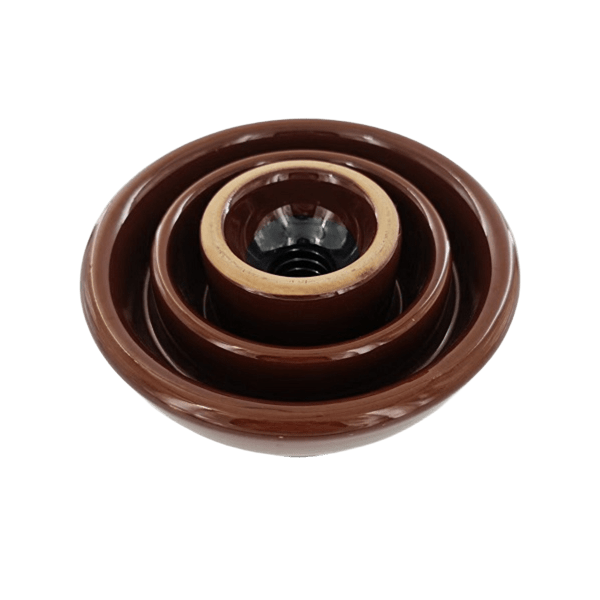
Factory Direct Porcelain Isolator - ANSI 55-6
-
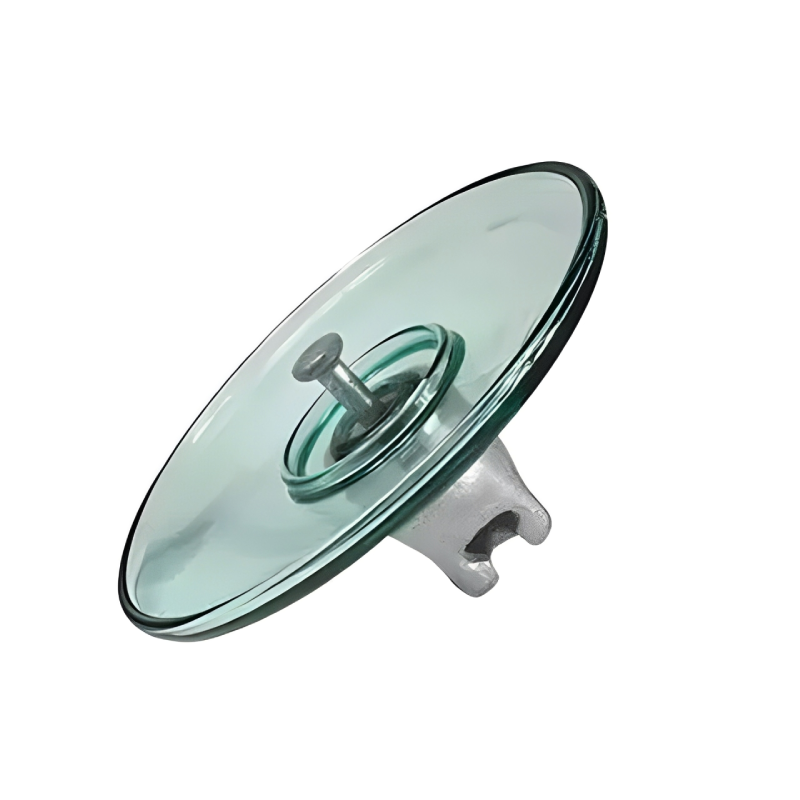
China Glass Insulator or Conductor: 33KV 160KN IEC U160BP/146M
-

China Guy Strain Insulator Porcelain 57-3 Series
-
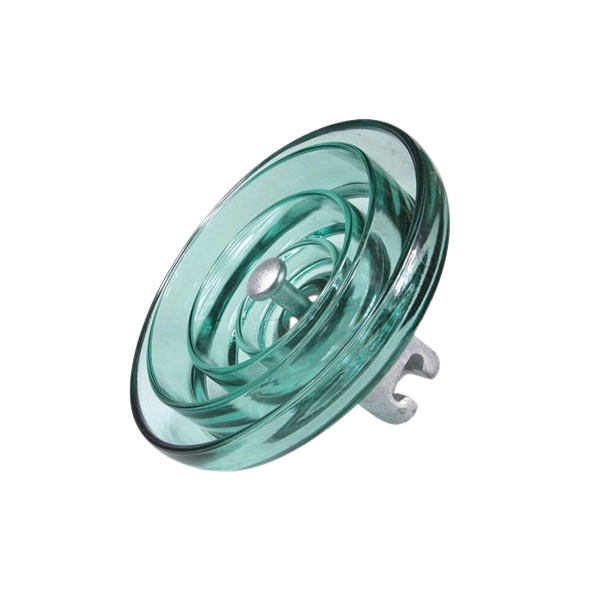
Leading Supplier of Glass Insulators in Use: U550BP
-

Factory Direct Porcelain Station Post Insulator P-11-Y
-
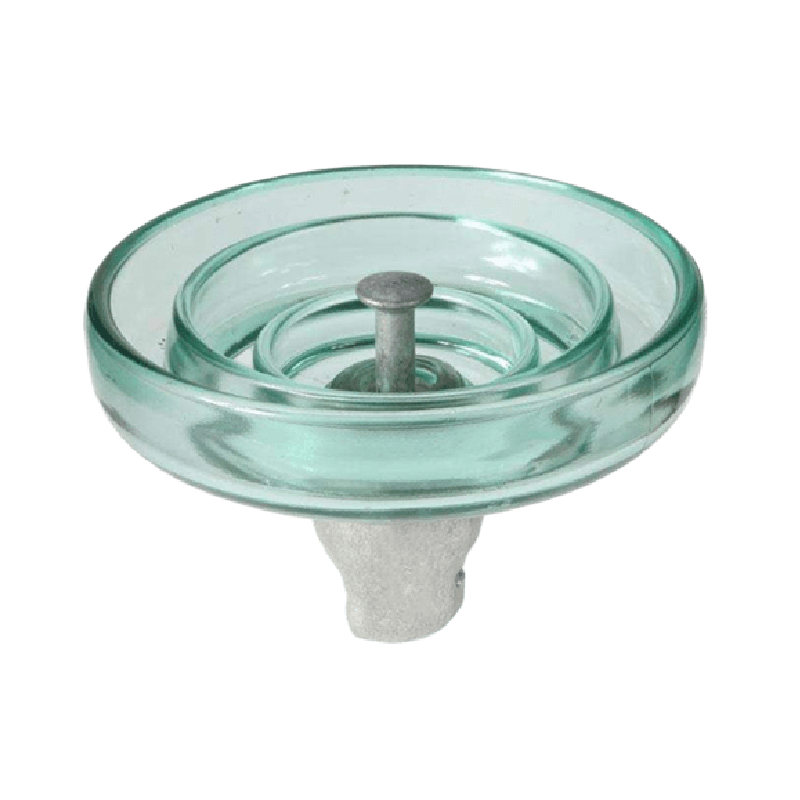
Wholesale Glass Suspension Insulator Promotions | Huayao
 Privacy settings