

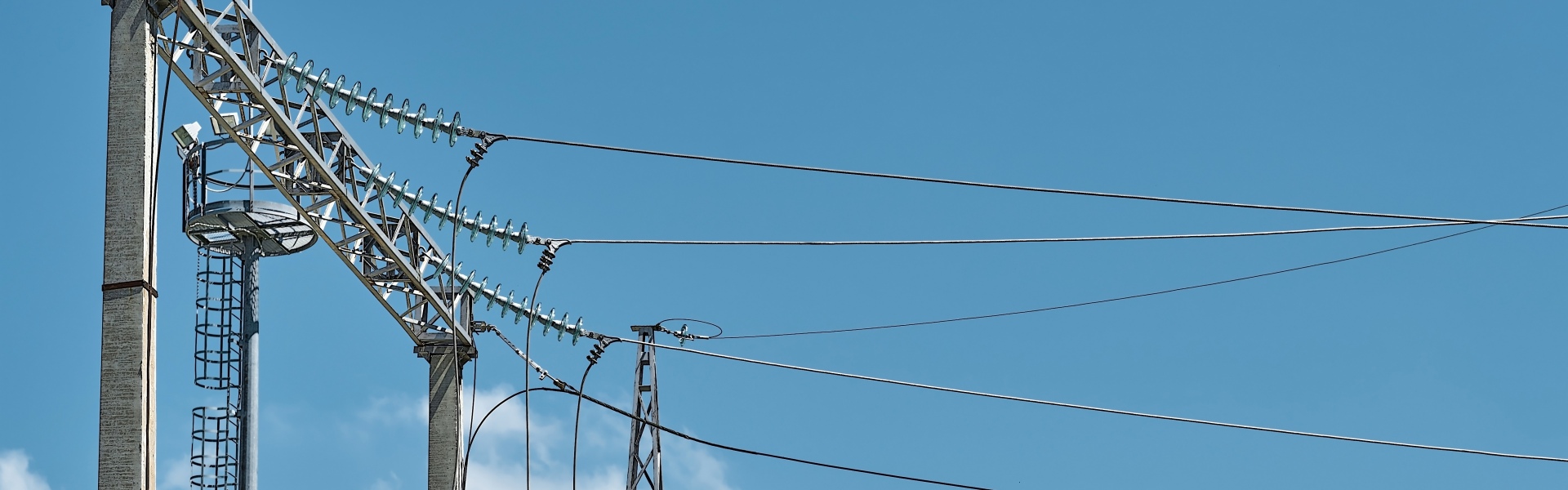

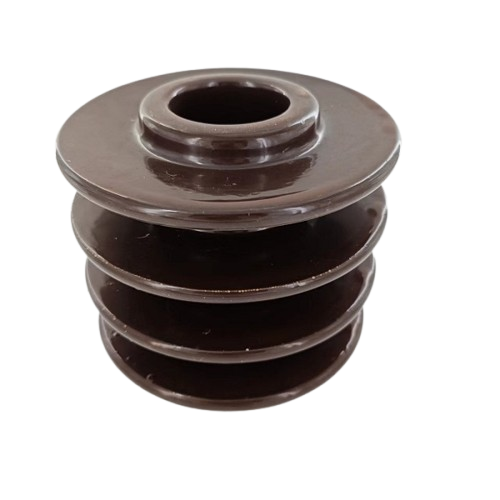
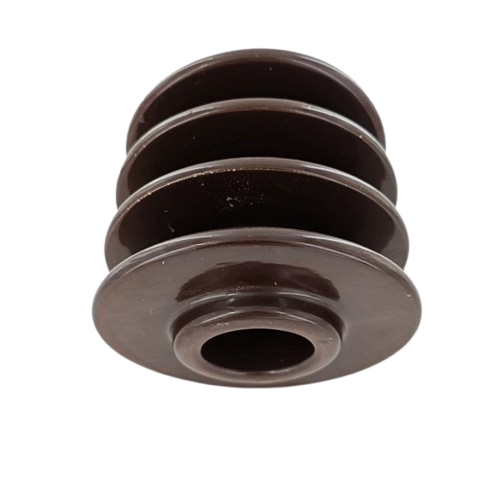
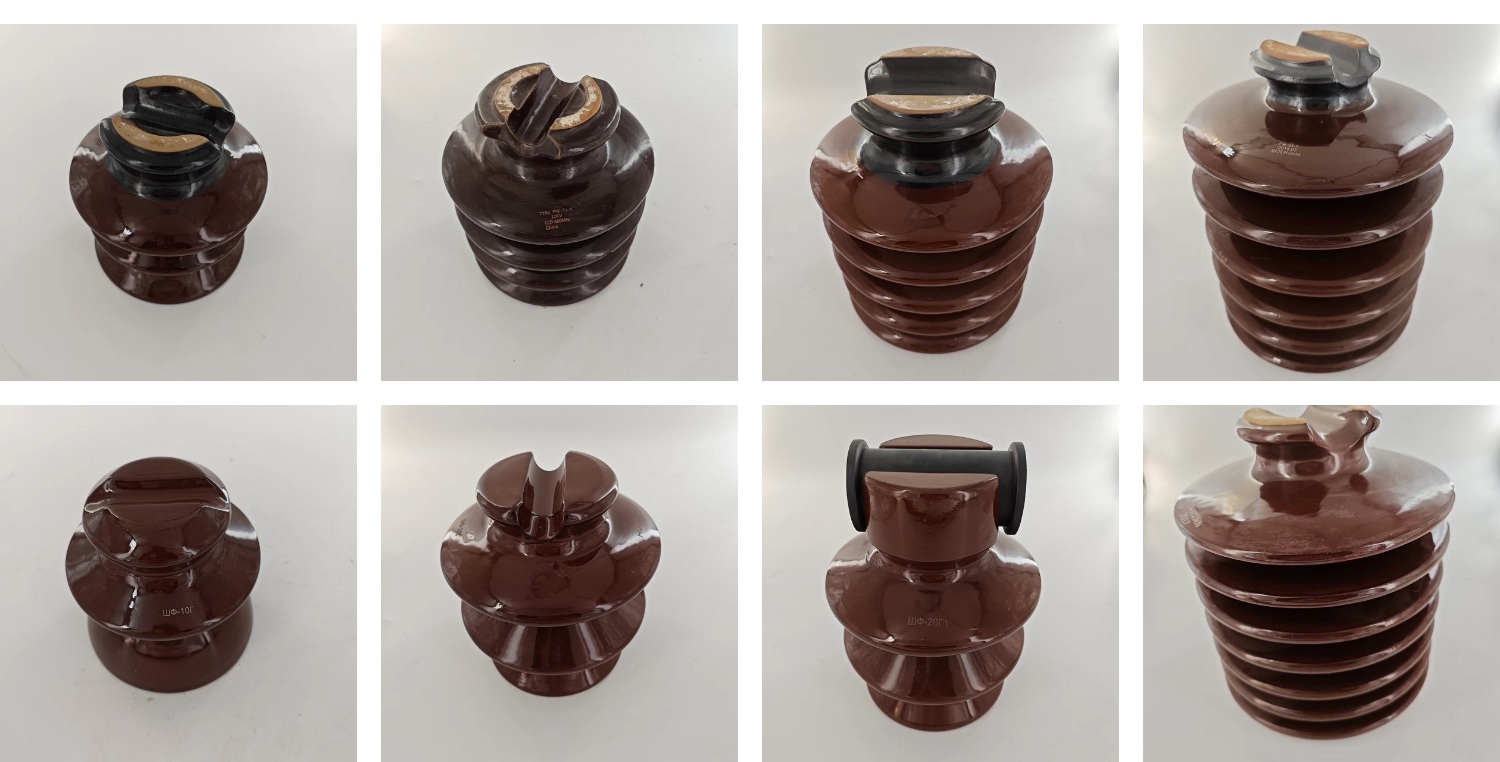
China Porcelain Electrical Insulators PW-15-Y High Voltage
Short Description:
 Phone
Phone
 whatsapp
 Email
Email
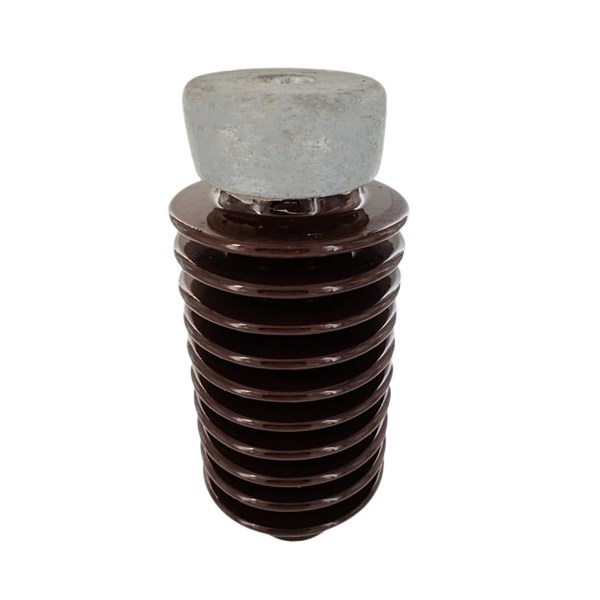
Product Main Parameters
| Parameter | PW-15-Y |
|---|---|
| Diameter (D) | 170 mm |
| Height (H) | 185 mm |
| Creepage Distance | 460 mm |
| Cantilever Strength | 11 kN |
| Power Frequency Dry Flashover Voltage | 100 kV |
| Power Frequency Wet Flashover Voltage | 65 kV |
| Power Frequency Puncture Voltage | 130 kV |
| Net Weight | 4.7 kg |
Common Product Specifications
| Type | Application Voltage (kV) | Max RIV at 1000kHz (µV) |
|---|---|---|
| PW-15-Y | 15 | 100 |
| PW-22-Y | 22 | 200 |
| PW-33-Y | 33 | 200 |
Manufacturing Process
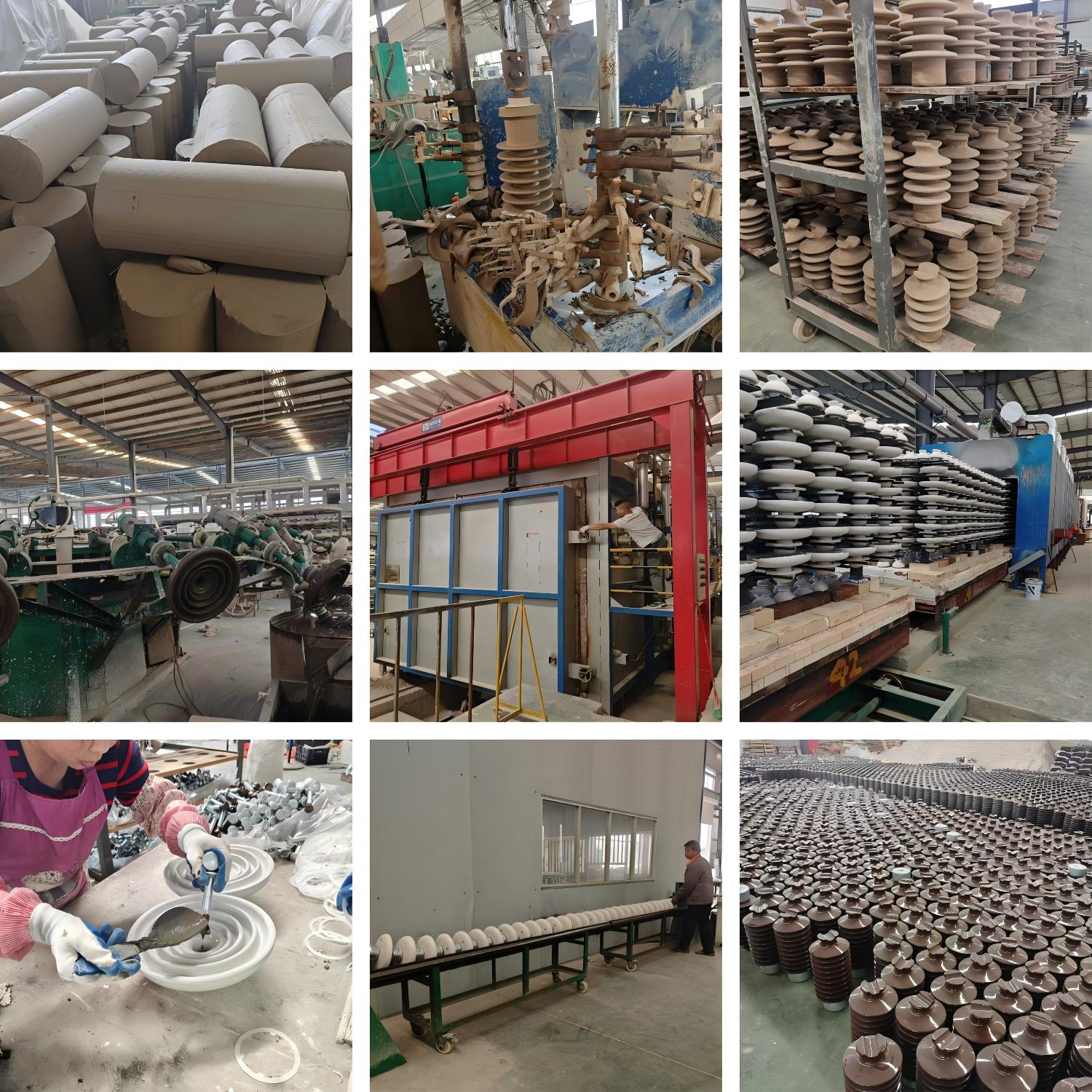
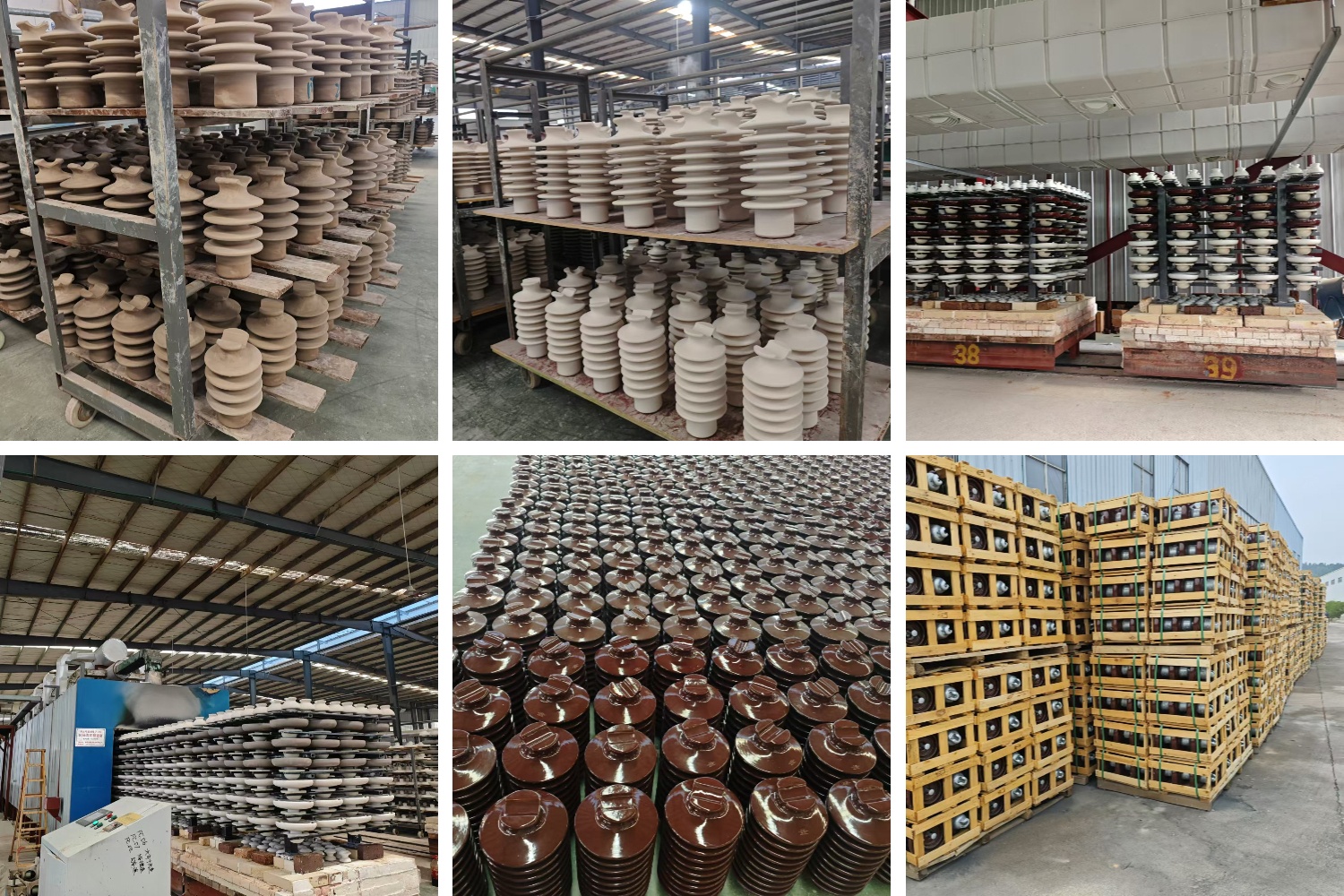
The production of China porcelain electrical insulators involves several critical steps to ensure quality and durability. Initially, raw materials including clay, quartz, and feldspar are mixed to form a homogenous paste. This paste is then molded into the desired insulator shapes. The molded insulators undergo drying and glazing, followed by firing at high temperatures to achieve the requisite hardness and electrical properties. After firing, any metal components are assembled using either mechanical clamping or adhesive bonding methods. Stringent testing, both routine and specialized, ensures that each insulator meets the industry's high standards for performance and safety.
Application Scenarios
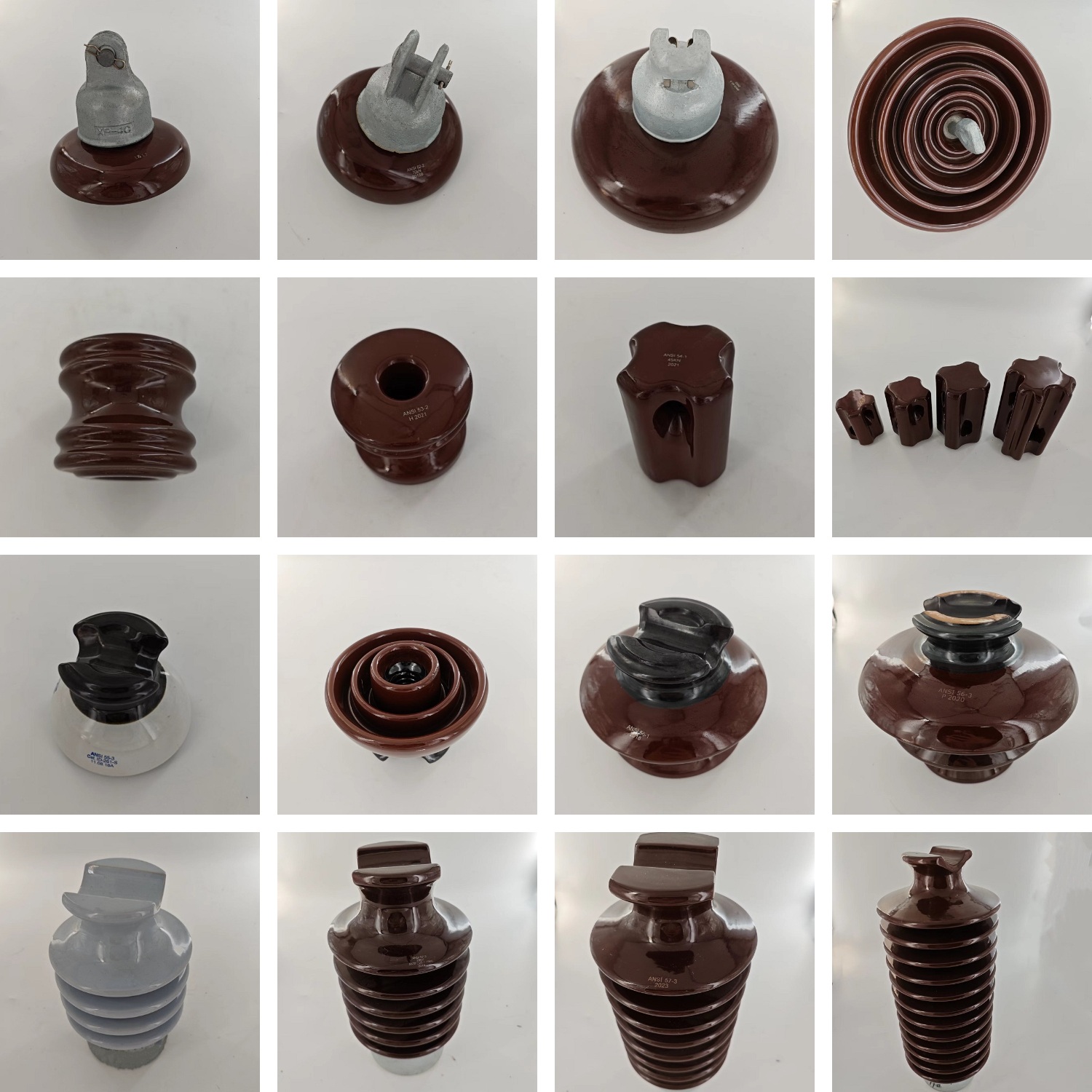
China porcelain electrical insulators are widely used in diverse settings, from urban power grids to rural distribution lines. Their ability to withstand high voltages and environmental stresses such as UV radiation, rain, and extreme temperatures makes them ideal for outdoor applications. Common configurations include pin insulators for medium-voltage lines and suspension insulators for high-voltage transmission lines. Their robustness and reliability make them a preferred choice for ensuring the continuous and safe distribution of electrical power across vast networks.
Product After-Sales Service
We provide comprehensive after-sales service including installation support, maintenance guidance, and quick response for any product-related inquiries. Our dedicated team ensures that any issues are resolved promptly to minimize downtime and maintain the efficient functioning of power systems where our insulators are deployed.
Product Transportation
China porcelain electrical insulators are carefully packaged to prevent damage during transit. We utilize robust packaging materials and techniques to safeguard each insulator. Shipping is coordinated to ensure timely delivery, with options for standard and expedited services depending on customer requirements.
Product Advantages
- High dielectric strength
- Exceptional thermal and environmental resistance
- Reliable performance in diverse climates
- Proven durability and longevity
- Resistance to mechanical impact
Product FAQ
- Q1: Why choose China porcelain electrical insulators?
China porcelain electrical insulators offer high dielectric strength and excellent durability, making them suitable for various environmental conditions and ensuring reliable power transmission.
- Q2: Can porcelain insulators be used in high pollution areas?
Yes, their non-porous surface minimizes contamination buildup, ensuring stable performance even in high pollution environments.
- Q3: How do porcelain insulators compare to polymer alternatives?
Porcelain insulators offer superior resistance to UV degradation and environmental stress, maintaining performance over a longer life span compared to some polymers.
- Q4: What maintenance is required for porcelain insulators?
Porcelain insulators require minimal maintenance, primarily periodic inspections to ensure physical integrity and cleanliness.
- Q5: Are porcelain insulators more prone to breakage?
While porcelain is more brittle than some materials, proper handling and installation minimize breakage risks. Their inherent strength supports long-term use.
- Q6: What standards do your insulators meet?
Our China porcelain electrical insulators comply with international standards such as IEC60383, ensuring global compatibility and reliability.
- Q7: How are the insulators packaged for shipping?
Each insulator is individually wrapped and cushioned within robust, protective packaging to prevent damage during transit.
- Q8: Do porcelain insulators require special handling?
Yes, due to their weight and brittleness, careful handling during installation and transportation is recommended to prevent accidental damage.
- Q9: Can porcelain insulators be recycled?
Porcelain insulators, while not typically recycled, can be repurposed for specific uses or properly disposed of in accordance with environmental guidelines.
- Q10: What is the expected lifespan of a porcelain insulator?
When properly maintained, China porcelain electrical insulators can function effectively for several decades, ensuring long-term investment value.
Product Hot Topics
- Topic 1: The Role of China Porcelain Electrical Insulators in Modern Grid Reliability
As power grids become more complex and interconnected, the reliability of components like China porcelain electrical insulators plays a pivotal role in ensuring seamless power distribution. Their robust construction and resistance to environmental factors help minimize outages and contribute to grid stability.
- Topic 2: Innovations in Porcelain Insulator Materials for Enhanced Performance
Continued advancements in materials science are opening new possibilities for the performance of porcelain insulators. By exploring innovative formulations and manufacturing techniques, the industry can achieve improved mechanical properties and reduce insulator weight.
- Topic 3: Comparing Porcelain and Polymer Insulators for High Voltage Applications
While both have their merits, the choice between porcelain and polymer insulators often hinges on specific application needs. Porcelain insulators are known for their long life and environmental resilience, while polymers offer a lightweight and versatile alternative.
- Topic 4: Environmental Impact of Insulator Materials – Porcelain vs. Alternatives
The selection of insulator materials carries significant environmental implications. Porcelain's natural composition and minimal degradation make it a sustainable choice, while polymers require consideration of lifecycle and recycling challenges.
- Topic 5: Future Trends in China Porcelain Electrical Insulators Market
With increasing investments in power infrastructure, the demand for high-quality porcelain insulators continues to rise. Future trends may include diversification of applications, improved manufacturing processes, and enhanced global distribution networks.
- Topic 6: Maintenance Best Practices for Long-lasting Porcelain Insulators
For optimal longevity, maintenance of China porcelain electrical insulators should focus on regular inspections, timely cleaning, and monitoring of environmental factors that may affect performance, such as pollution levels and moisture exposure.
- Topic 7: The Significance of Compliance with IEC Standards for Insulators
Adhering to IEC standards ensures that insulators meet stringent quality and performance criteria, supporting global compatibility and safety in power systems. This compliance is crucial for manufacturers aiming to compete in international markets.
- Topic 8: Addressing Common Challenges in Insulator Installation Processes
Challenges in the installation process of porcelain insulators often stem from their weight and brittleness. Employing specialized equipment and training personnel in best practices can significantly ease these challenges, ensuring efficient and safe installations.
- Topic 9: The Global Market Dynamics Impacting Porcelain Insulator Demand
The demand for porcelain insulators is influenced by global energy consumption patterns, renewable energy integration, and infrastructure development. These factors shape the industry's growth and drive innovation in insulator design and utility.
- Topic 10: Evaluating the Cost Effectiveness of Porcelain vs. Composite Insulators
While initial costs may vary, the long-term cost-effectiveness of porcelain insulators often outweighs that of composite alternatives. Their durability and minimal maintenance requirements provide substantial savings over their extended service life.
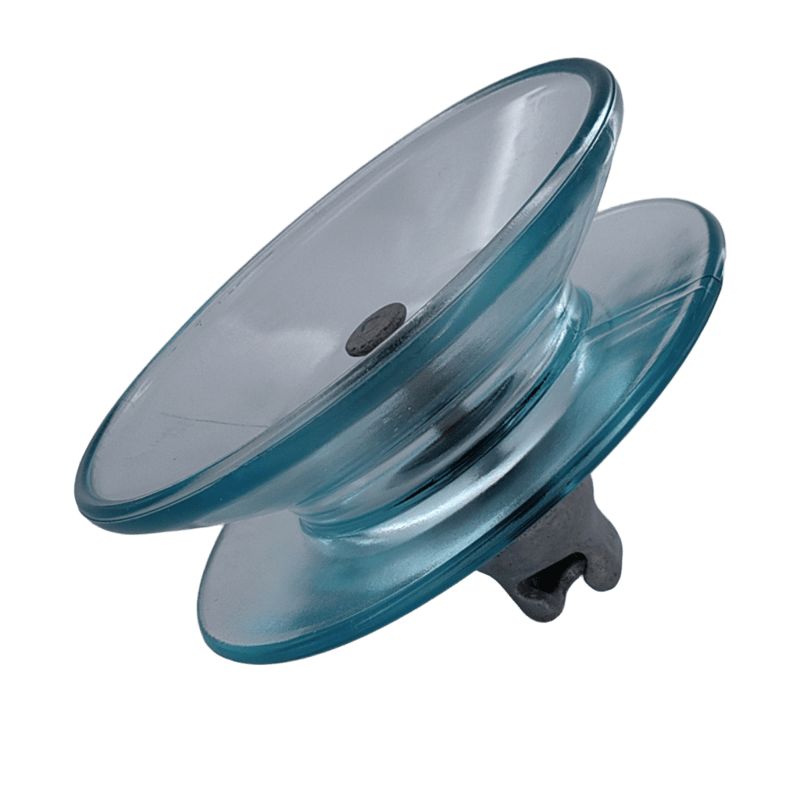
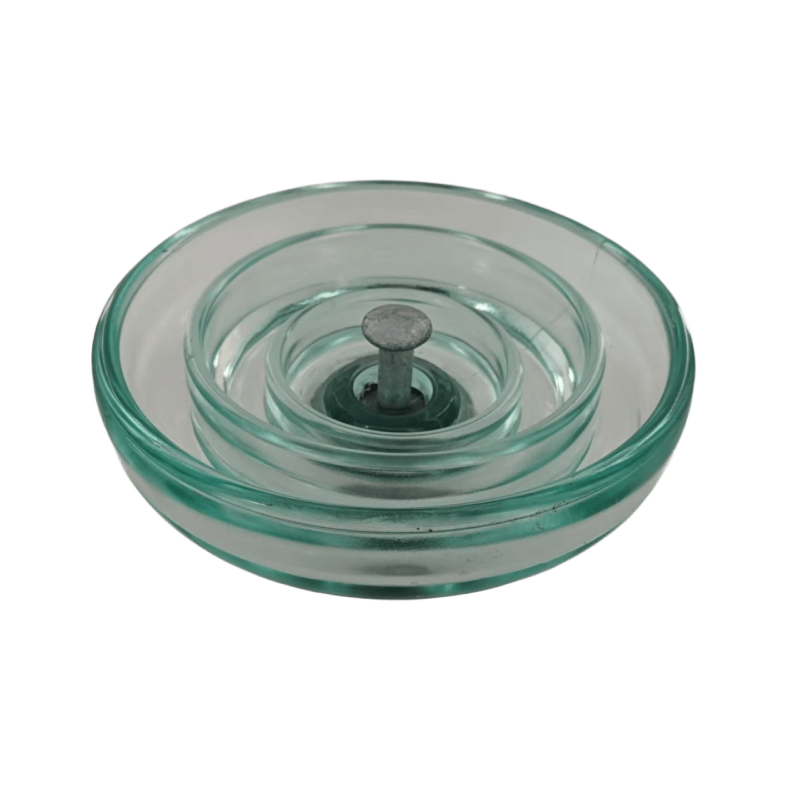
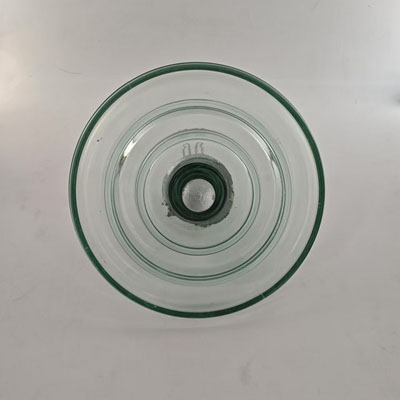
Image Description

 Privacy settings