

China: Is Porcelain a Good Insulator? 70kN Suspension
Short Description:
 Phone
Phone
 whatsapp
 Email
Email
Product Main Parameters
| Parameter | Detail |
|---|---|
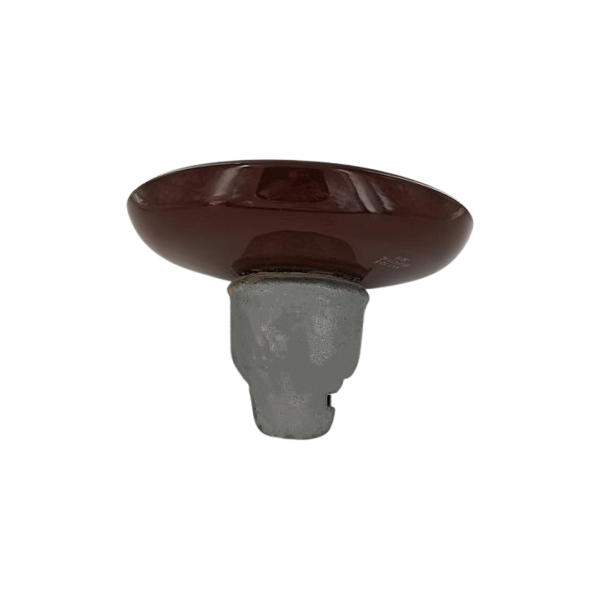
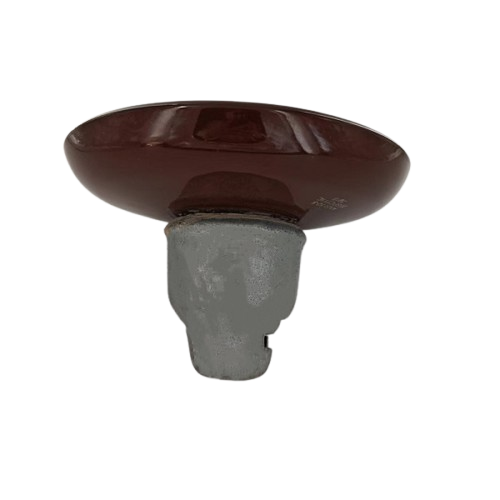
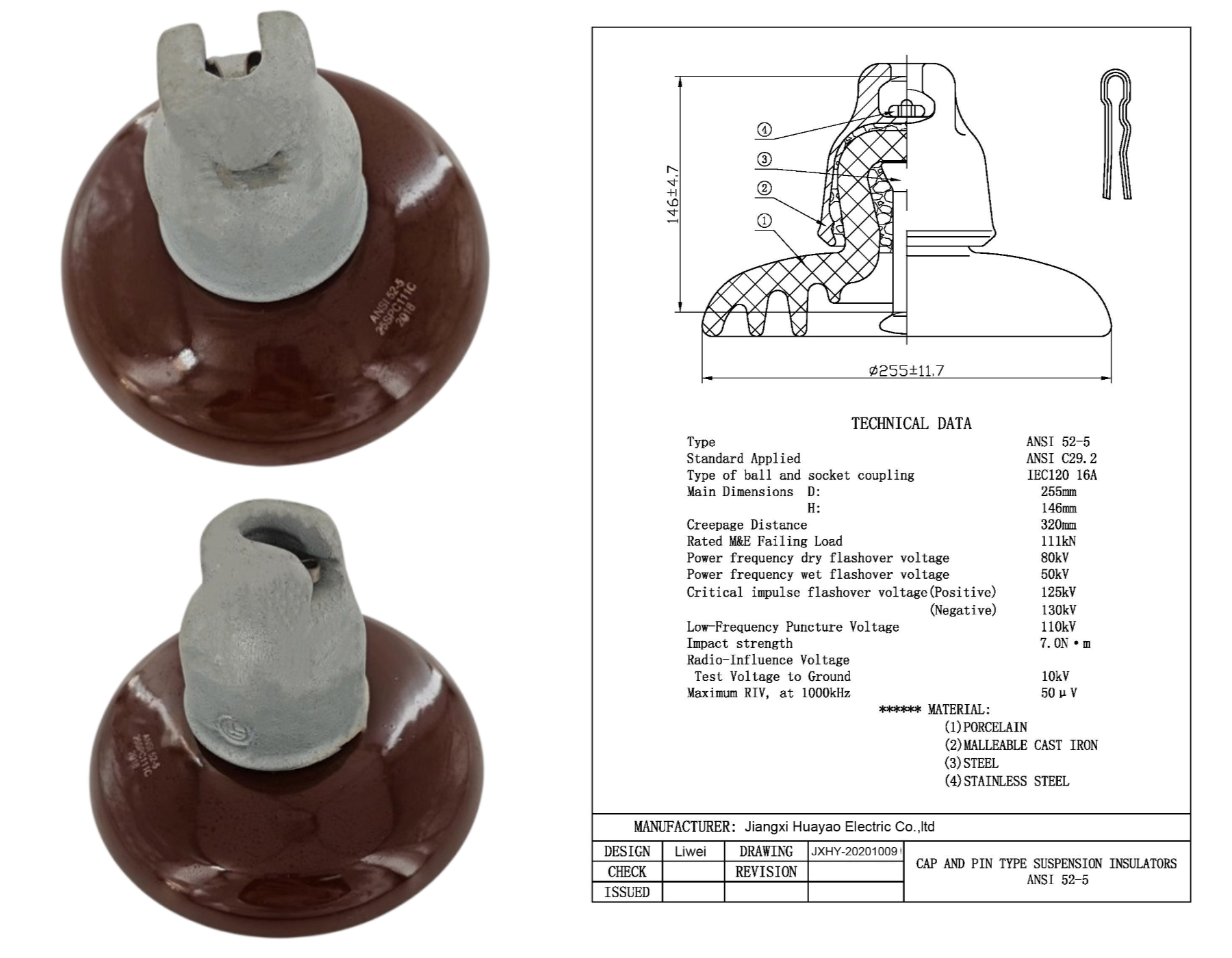
| Diameter | 255mm |
| Spacing | 146mm |
| Creepage Distance | 295/320mm |
| Coupling Size | 16mm |
| Mechanical Failing Load | 111kN |
Common Product Specifications
| Specification | Detail |
|---|---|
| Rated Voltage | 33kV |
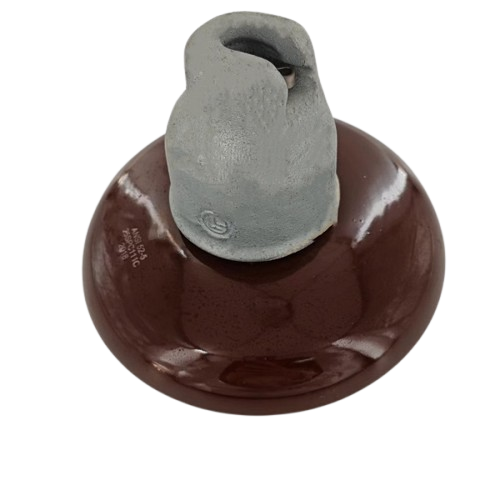
| Color | Brown/White |
| Minimum Order Quantity | 10 pieces |
| Daily Output | 10000 pieces |
Product Manufacturing Process
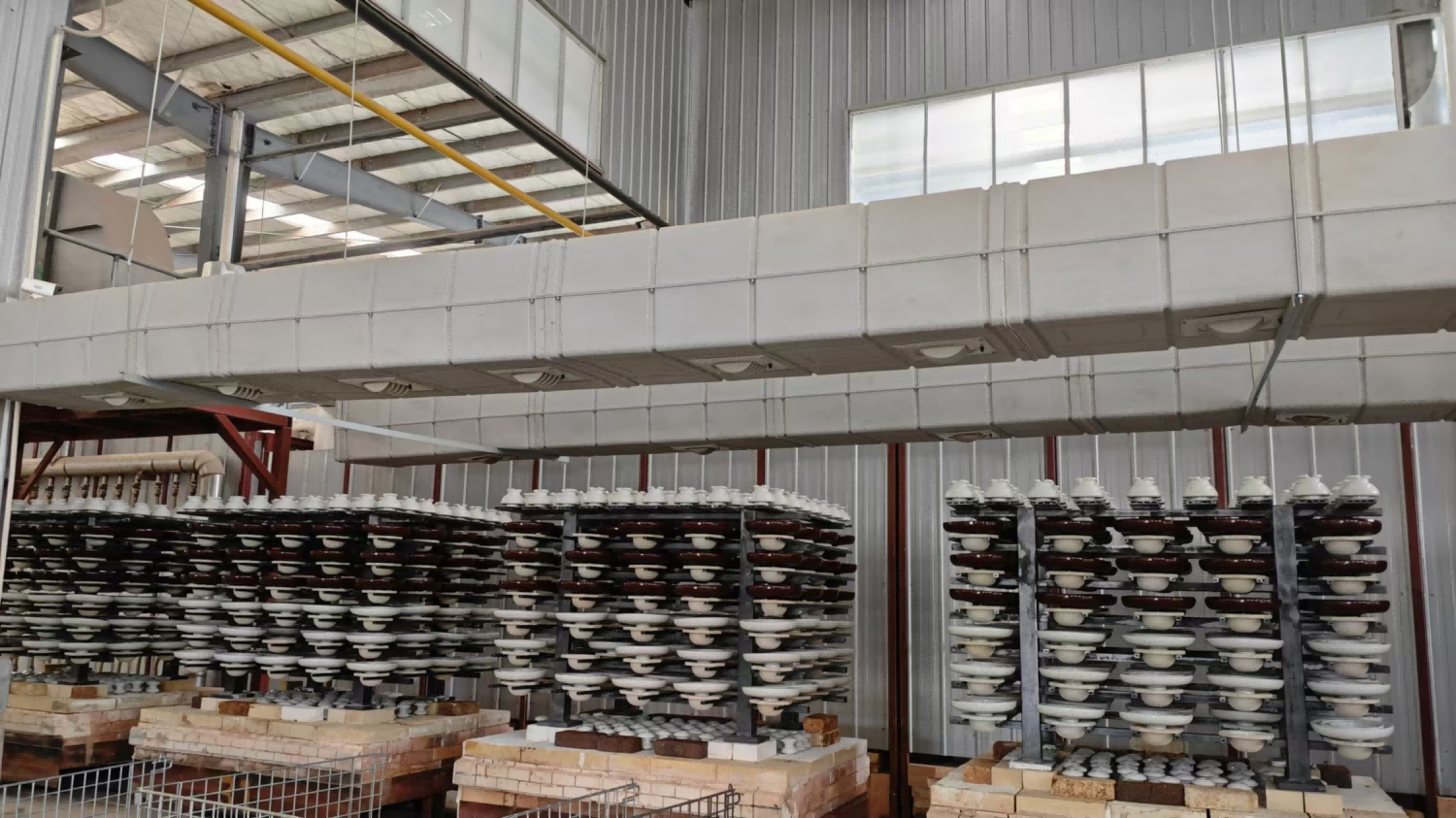
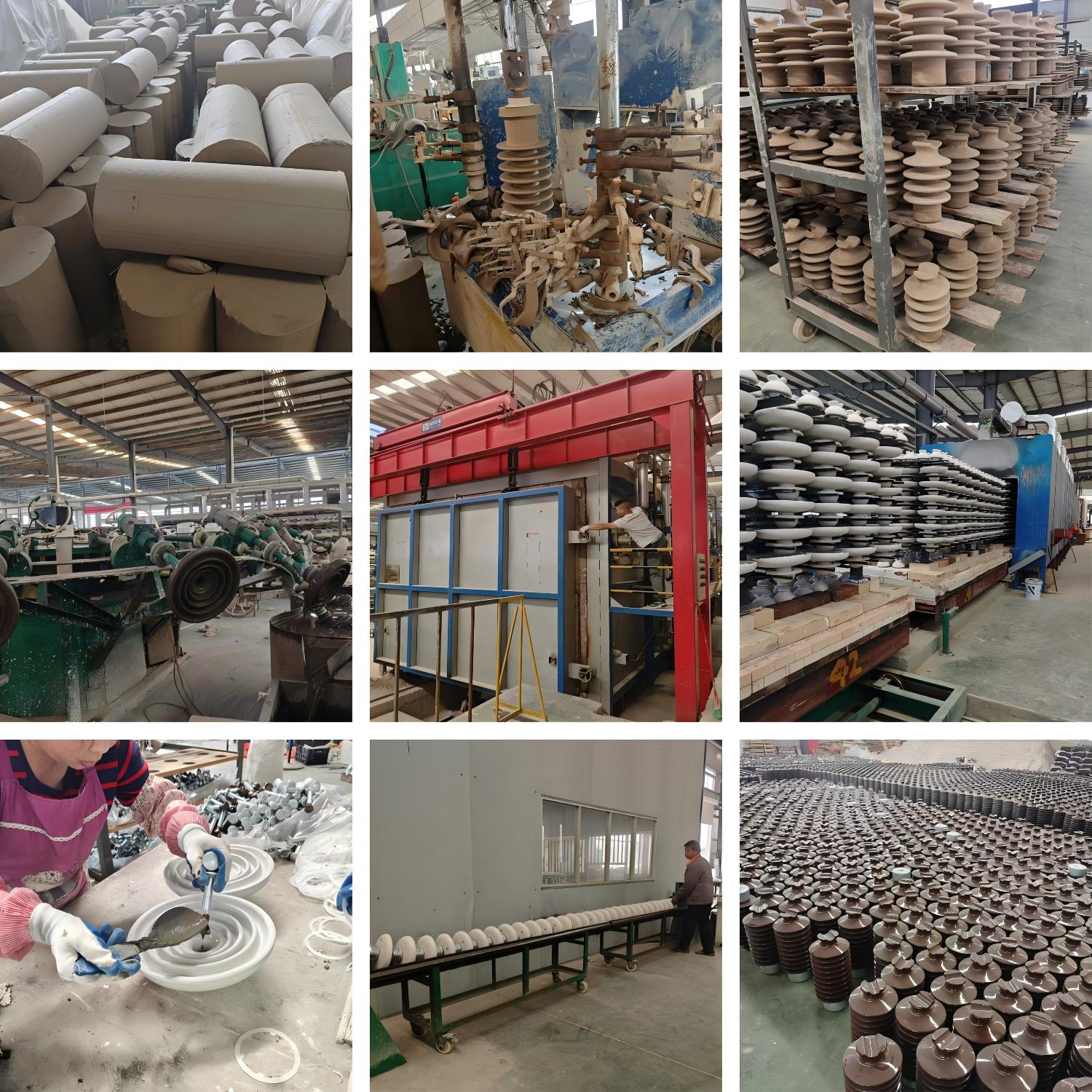
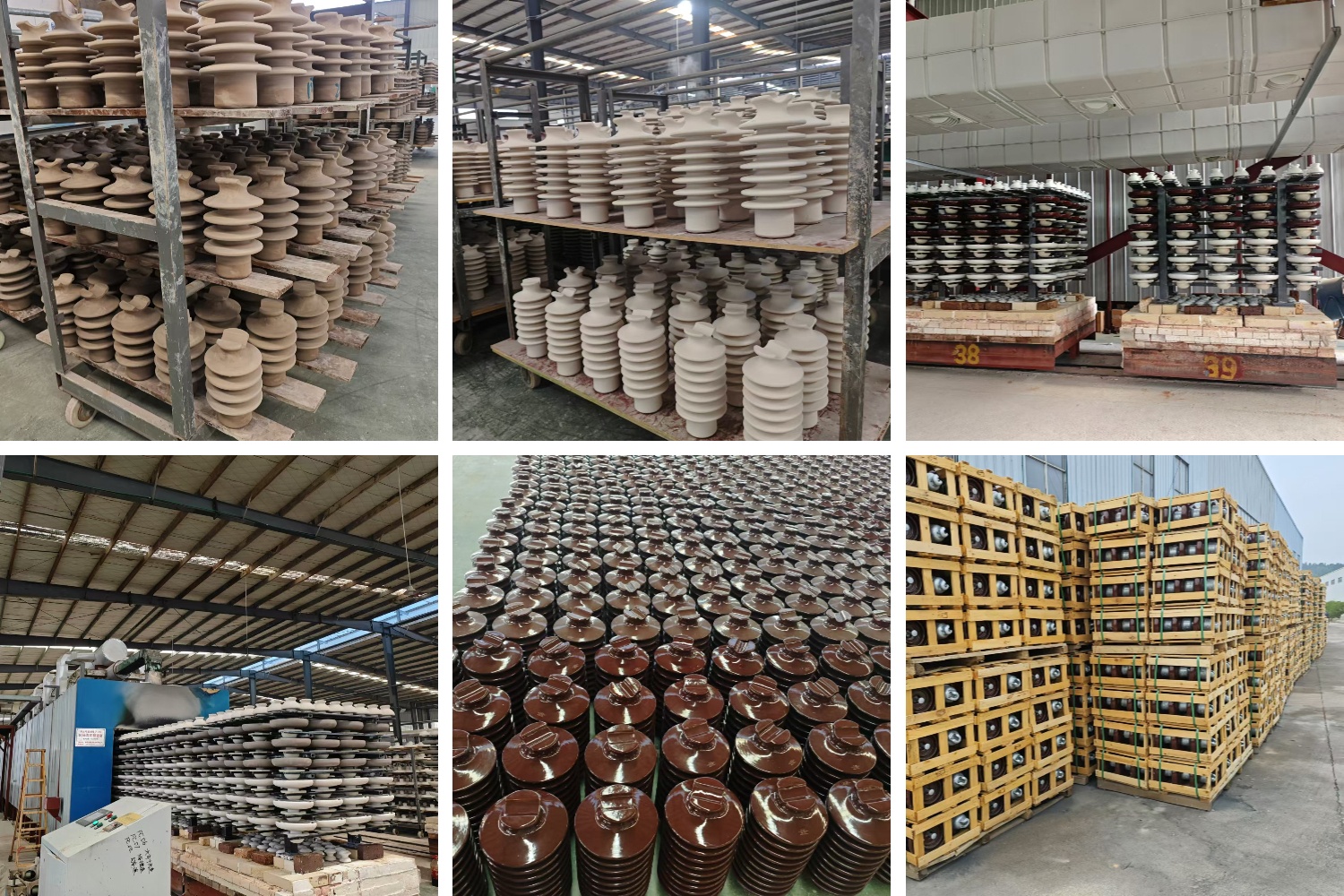
Porcelain insulators, like those made by Jiangxi Huayao Electric Co., Ltd., are produced through a meticulous process. This involves mixing raw materials such as kaolin, feldspar, and quartz, forming the blank shape, and then drying it. The dried blanks are glazed to enhance durability and aesthetic appeal before being fired in a kiln at temperatures between 1200°C and 1400°C. This firing process ensures the porcelain becomes dense and non-porous, attributes crucial for its role as an insulator. Finally, the insulators undergo glue assembly and rigorous testing before packaging. This process leverages the natural properties of porcelain to ensure optimal performance in electrical applications, answering the question: is porcelain a good insulator in China with a resounding yes.
Product Application Scenarios
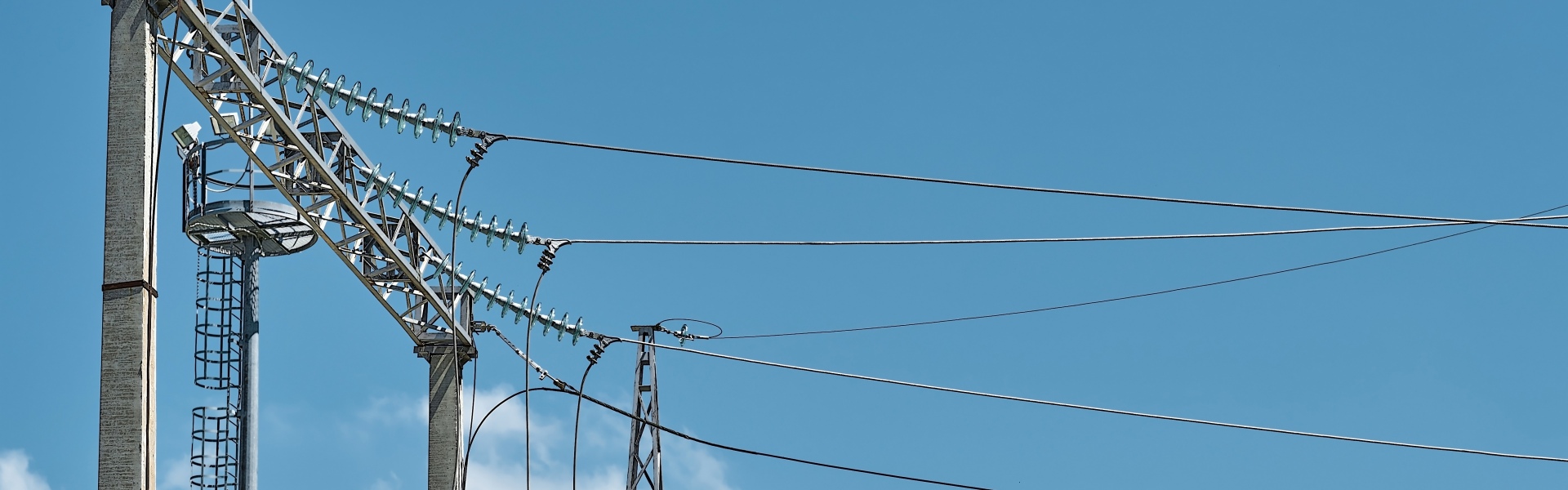
Porcelain insulators are crucial in various electrical applications, thanks to their superior insulating properties. They are essential in high-voltage transmission lines, substations, and switchgear, where they prevent electrical currents from inadvertently reaching the ground or crossing conductors. In China, these insulators are a staple due to their ability to withstand harsh environmental conditions, including UV radiation, moisture, and mechanical stress. The dense structure of porcelain results in high dielectric strength and thermal stability, making it a reliable choice across diverse climatic zones. Thus, in China, the inquiry 'is porcelain a good insulator?' is consistently answered affirmatively, underscoring its widespread use.
Product After-Sales Service
Our after-sales service includes a dedicated support team ready to assist with any inquiries or issues. We offer a warranty and easy return process for defects not caused by the user.
Product Transportation
Products are carefully packaged in wooden cases placed on pallets for secure transportation. Delivery is typically made through major ports such as Ningbo and Shanghai, ensuring timely and safe arrival.
Product Advantages
- High dielectric strength and low dielectric loss
- Proven durability in extreme conditions
- Cost-effective with a long operational lifespan
Product FAQ
- Q: In China, is porcelain a good insulator for high-voltage lines?
A: Yes, porcelain's high dielectric strength and thermal stability make it ideal for high-voltage applications. - Q: How does porcelain compare to modern materials?
A: While modern materials like polymers offer benefits like reduced weight, porcelain remains preferred for its reliability and stability in harsh environments. - Q: What makes porcelain durable?
A: Porcelain's dense structure and firing process result in excellent resistance to weather and mechanical stress. - Q: Where are porcelain insulators typically used?
A: They are widely used in transmission lines, substations, and various electrical equipment to ensure efficient insulation. - Q: Can porcelain insulators handle temperature variations?
A: Yes, thanks to low thermal conductivity, they can withstand significant temperature fluctuations without degrading. - Q: What is the expected lifespan of these insulators?
A: With proper installation and maintenance, porcelain insulators can last several decades. - Q: How are these products tested?
A: They undergo rigorous testing for mechanical load, dielectric strength, and impulse withstand voltage. - Q: Are these products environmentally friendly?
A: Porcelain is non-toxic and inert, posing minimal environmental impact compared to some synthetic alternatives. - Q: What is the daily output capability?
A: Our facility can produce up to 10,000 porcelain insulators per day. - Q: How do you ensure quality control?
A: We implement strict quality control measures from material selection to final product inspection, answering the question 'is porcelain a good insulator in China' with consistent quality.
Product Hot Topics
- Comment on China's electrical standards and porcelain insulators:
The electrical standards in China necessitate insulators with high dielectric strength, making porcelain an optimal choice. Its non-porous and dense nature ensures minimal current leakage, a crucial requirement in the stringent regulatory landscape. Thus, the question 'is porcelain a good insulator in China?' is evidenced by its widespread adoption in compliance with local standards. - Comment on environmental conditions and porcelain insulators:
Porcelain insulators are renowned for their resilience in diverse environmental settings, from humid coastal regions to dry inland areas. They resist moisture ingress and UV radiation, maintaining performance where alternative materials might fail. In China, particularly, 'is porcelain a good insulator?' is affirmed as it withstands both weather and time. - Comment on economic aspects of porcelain insulators:
The cost-effectiveness of porcelain insulators is driven by their longevity and low maintenance needs. In China, where cost-efficiency is key, the durability of porcelain means longer replacement cycles, reducing overall lifecycle costs and validating 'is porcelain a good insulator?' economically. - Comment on innovation in porcelain insulators:
Modern advancements in porcelain production techniques continue to enhance its properties. Continuous research into materials and manufacturing ensures that the answer to 'is porcelain a good insulator in China?' remains yes, as manufacturers meet evolving electrical demands. - Comment on safety measures and porcelain insulators:
Porcelain's high resistance to electrical puncture enhances its safety profile. This characteristic is particularly important in high-voltage applications common in China, addressing the safety aspect of 'is porcelain a good insulator?' positively. - Comment on porcelain insulator installation processes:
Proper installation is critical to maximizing performance. In China, skilled labor ensures these insulators are installed correctly, thereby upholding the positive response to 'is porcelain a good insulator?' in practical applications. - Comment on global perceptions vis-à-vis China’s porcelain insulators:
Globally, porcelain insulators from China are associated with quality and reliability. The country's advances in production technology confirm the affirmative answer to 'is porcelain a good insulator?' in international markets. - Comment on the future of porcelain insulators:
Despite innovations in other materials, porcelain's balance of performance and cost continues to secure its future in electrical applications. The enduring query 'is porcelain a good insulator?' finds a consistent yes as technologies evolve but the material's fundamentals remain unchanged. - Comment on porcelain insulator market trends:
Market trends indicate sustained demand for porcelain insulators due to their proven performance in critical infrastructure. In China, 'is porcelain a good insulator?' is a guiding question for buyers focusing on reliability and longevity. - Comment on porcelain insulator lifecycle management:
Effective lifecycle management of porcelain insulators involves regular inspection and maintenance. In China, practices ensuring longevity further answer 'is porcelain a good insulator?' by extending operational lifespans and sustaining performance.
Image Description
-

Reliable Supplier of Glass Insulators for Sale
-

Reliable Supplier of Brown Ceramic Insulators for High Voltage
-
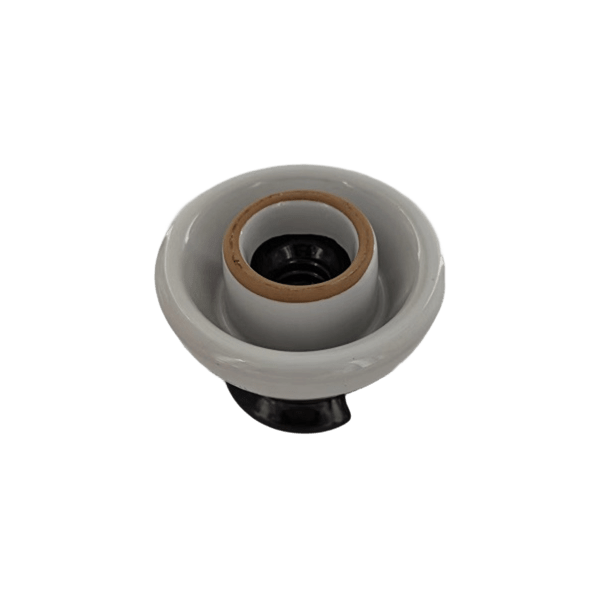
Manufacturer of Brown Porcelain Insulators - 55-1
-
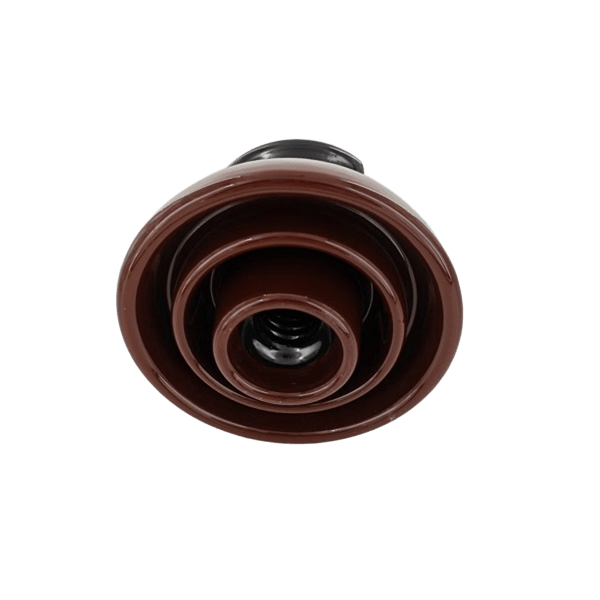
Leading Manufacturer of Porcelain Suspension Insulator
-
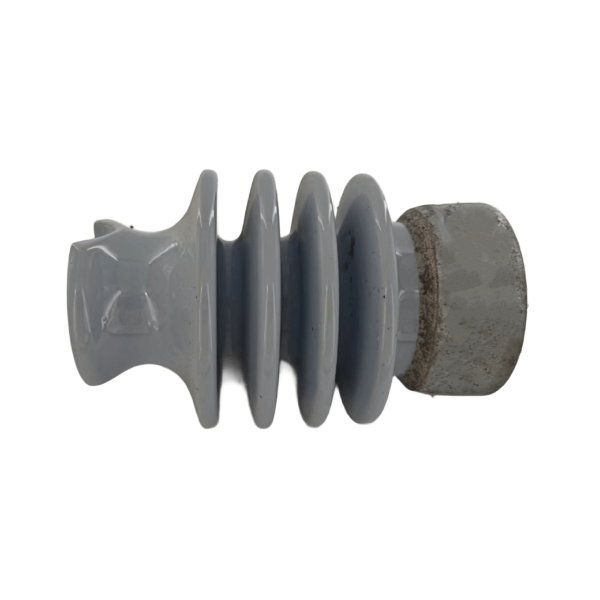
China High Voltage Porcelain Insulator - ANSI 57-1
-
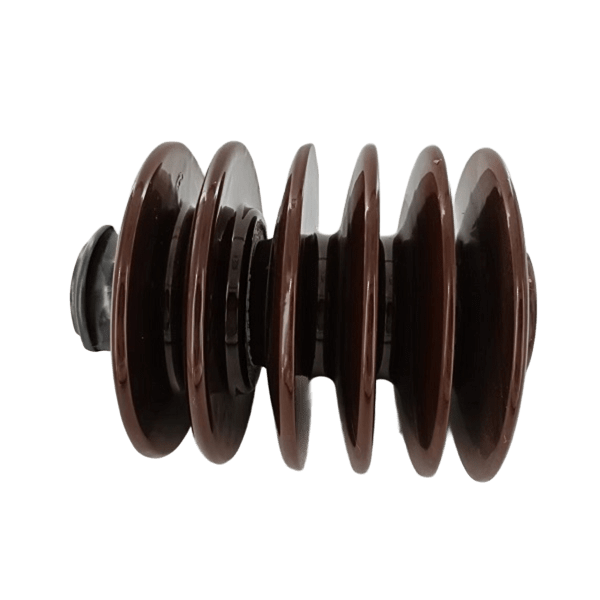
Factory Porcelain Insulators for Sale: 33kV Pin Type
 Privacy settings