

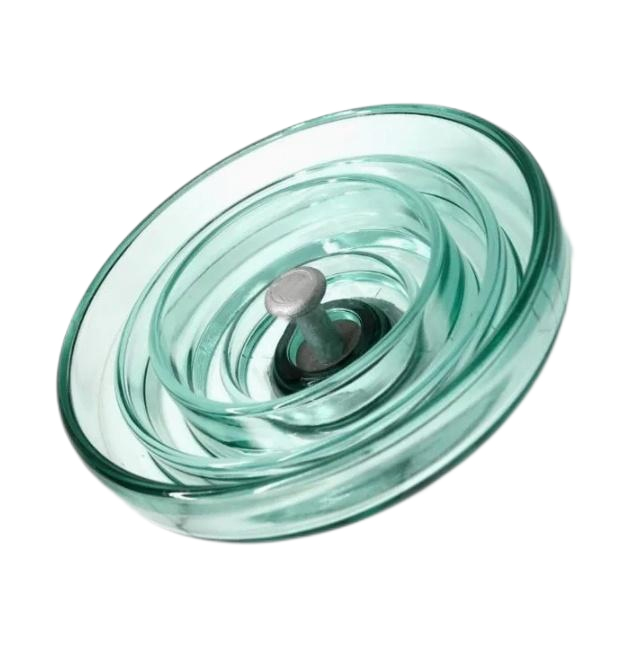
China Glass Power Pole Insulators 210kN U210BP/170M
Short Description:
 Phone
Phone
 whatsapp
 Email
Email
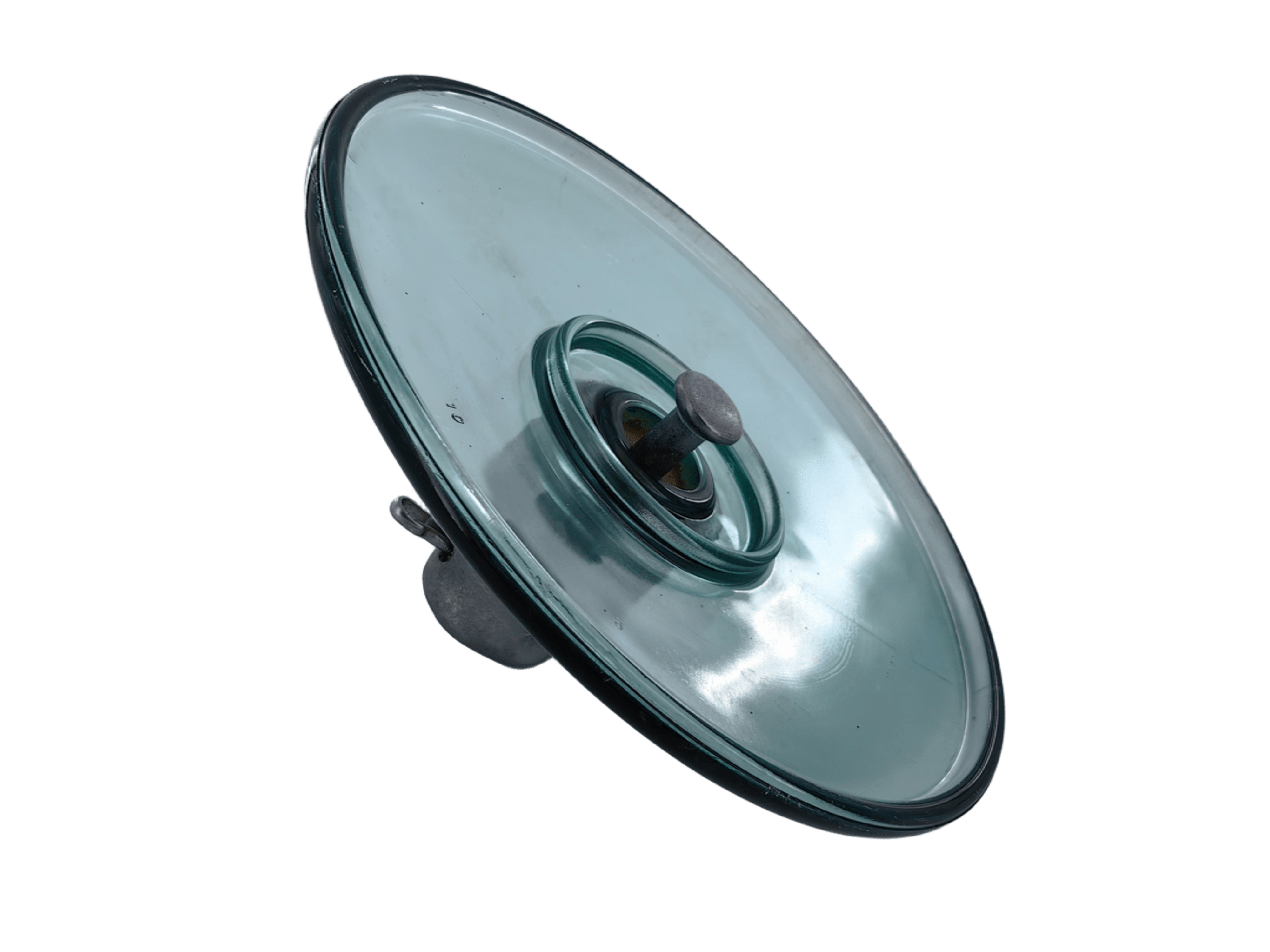
Product Main Parameters
| Parameter | Value |
|---|---|
| Diameter D (mm) | 420 |
| Spacing H (mm) | 170 |
| Creepage Distance L (mm) | 380 |
| Mechanical Failing Load (kN) | 210 |
| Net Weight per Unit (kg) | 7.3 |
Product Manufacturing Process
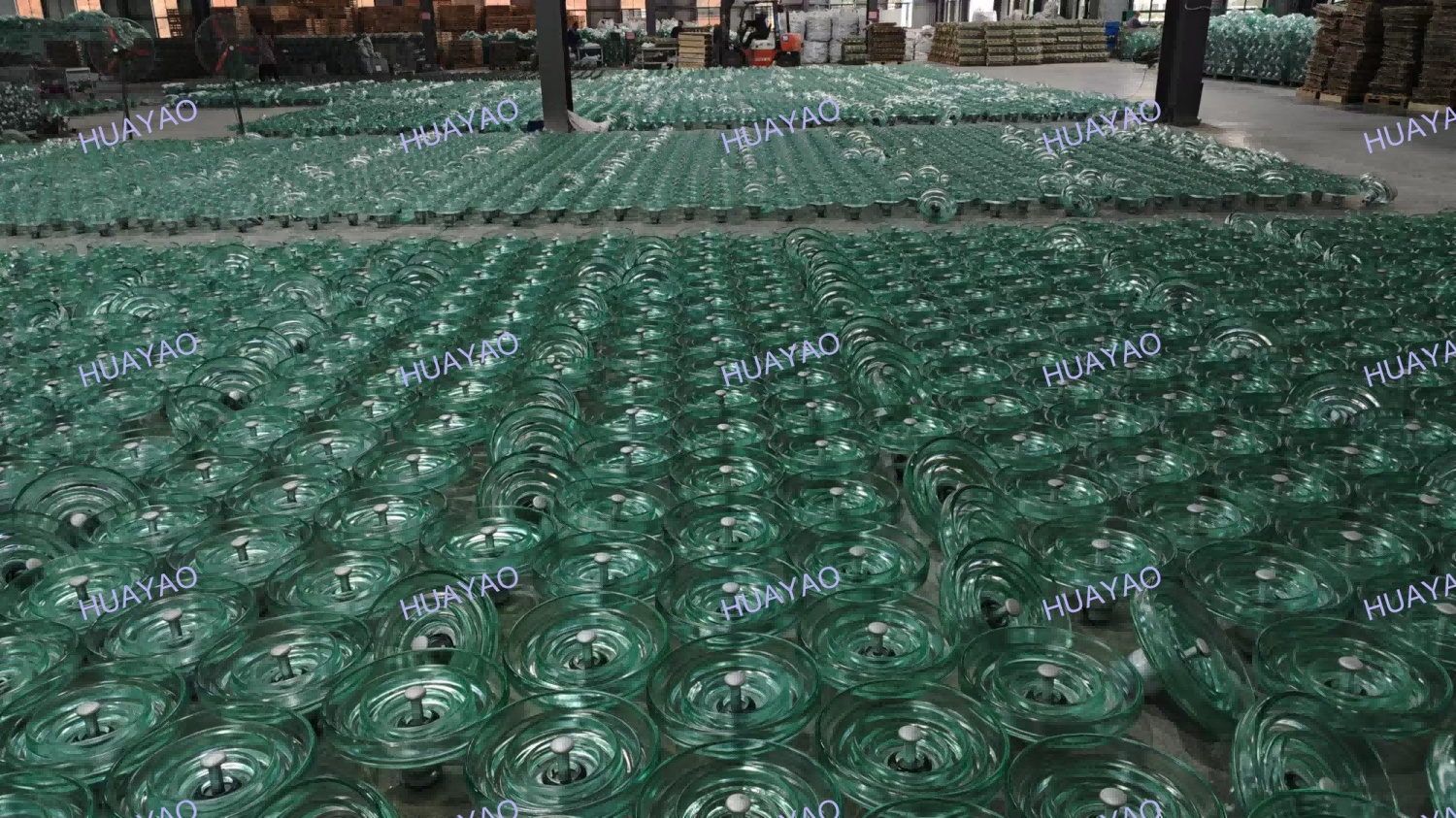
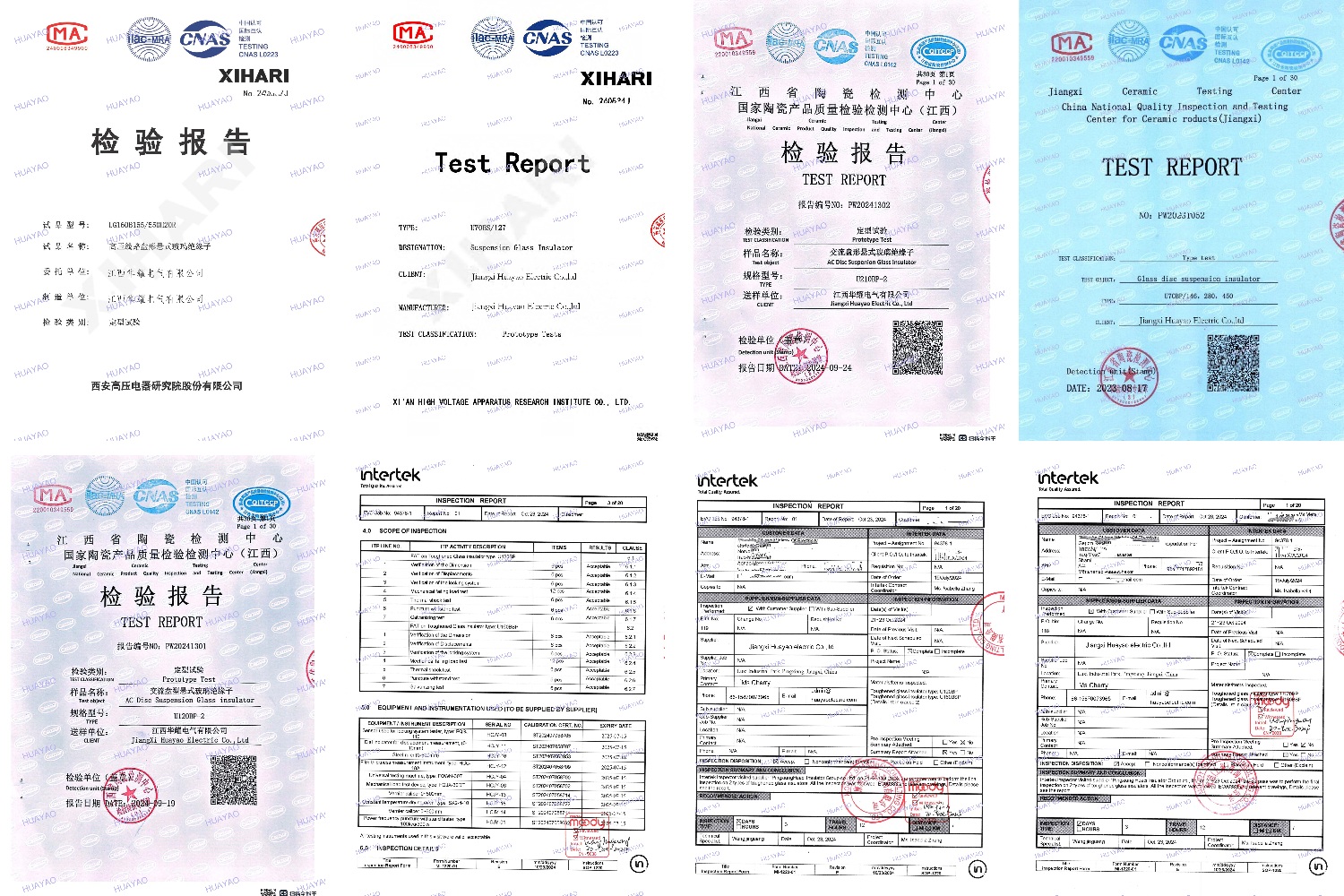
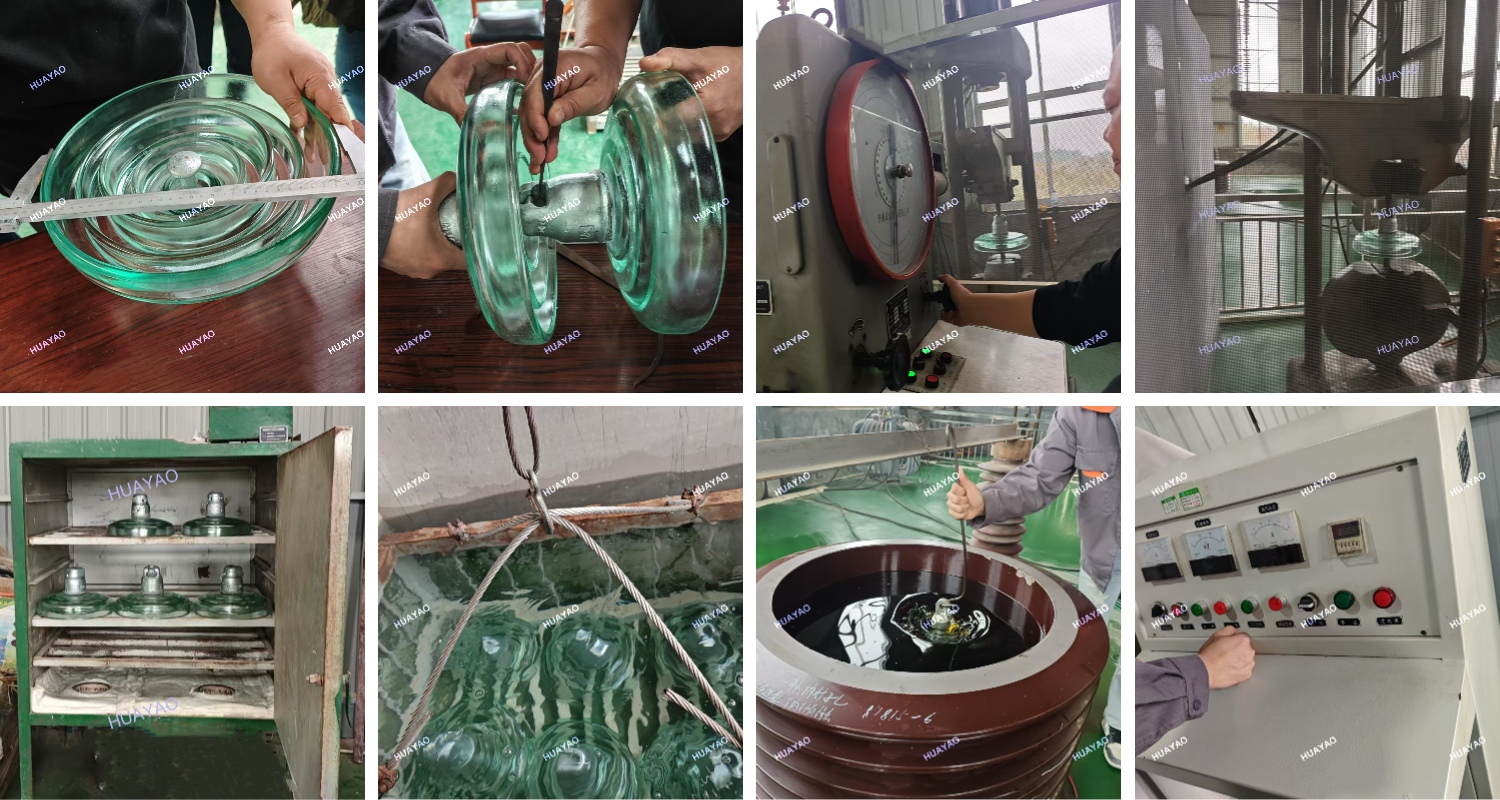
The manufacturing process of glass power pole insulators involves the controlled thermal strengthening of glass to enhance its mechanical properties. It comprises several stages including raw material selection, melting, forming, and tempering. During these stages, the glass undergoes stringent quality checks to ensure optimal strength and durability, aligning with international standards like IEC60383. Research suggests that such processes significantly improve the insulator's resistance to mechanical stress and thermal shock, which are critical for their performance in diverse environmental conditions.
Product Application Scenarios
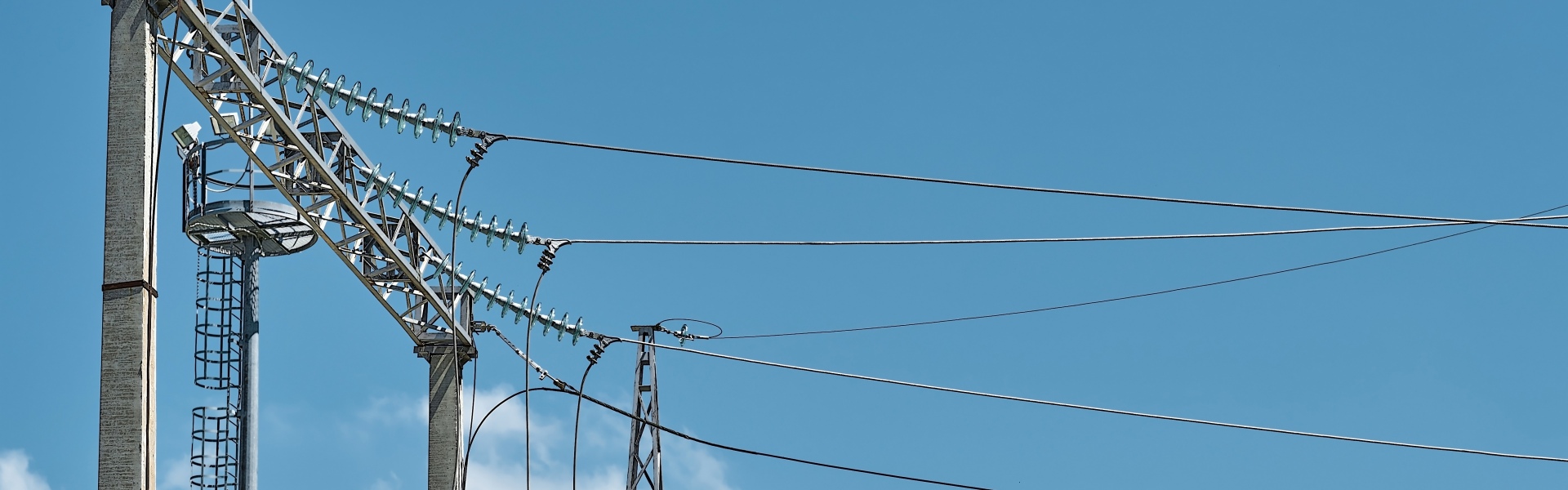
Glass power pole insulators are predominantly utilized in high-voltage transmission lines, distribution lines, and substations. Their robust design makes them apt for environments subjected to heavy pollution, such as industrial areas and coastal regions. Studies have shown that the aerodynamic design of insulators can effectively reduce pollutant accumulation, thereby maintaining their insulating properties. This characteristic is critical in minimizing maintenance costs and ensuring the reliability of power systems.
Product Advantages
- High mechanical strength and electrical insulation.
- Long-lasting with minimal maintenance.
- Transparent design allows for easy inspections.
- Environmentally friendly and recyclable.
- Resistant to UV radiation and other environmental stresses.
Product FAQ
What materials are used in manufacturing the insulators?
The insulators are made from toughened glass, ensuring high durability and resistance to mechanical stress.
What voltage applications are suitable for these insulators?
These insulators are suitable for a wide range of voltages, specifically designed to handle 10kV-500kV systems.
Are the insulators compliant with international standards?
Yes, the insulators comply with GB, ANSI, BS, DIN, AS, and IEC standards.
How resistant are they to environmental conditions?
The glass insulators are resistant to UV radiation, pollution, and adverse weather conditions.
Can these insulators be used in coastal areas?
Yes, their aerodynamic design makes them ideal for coastal environments by preventing filth accumulation.
Do the insulators require frequent maintenance?
No, the insulators are designed to be low-maintenance due to their durable construction and transparency.
How are the insulators packaged for transport?
They are packaged securely to ensure no mechanical damage during transportation.
What is the lifespan of these insulators?
Glass insulators are known for their longevity, often lasting several decades with proper maintenance.
Are they recyclable at the end of their life cycle?
Yes, glass insulators are environmentally friendly and fully recyclable.
What is the warranty offered on these insulators?
We offer a comprehensive warranty that covers manufacturing defects and ensures product reliability.
Product Hot Topics
- Why choose glass insulators over other materials?
Glass insulators offer unique advantages such as high mechanical strength and electrical insulation, transparency for easy maintenance checks, and environmental resistance. Unlike polymer or ceramic insulators, glass is recyclable and more durable under various environmental stresses, making it a superior choice for long-term infrastructure investments in China and globally.
- The role of glass insulators in modern power grids
Glass insulators play a pivotal role in maintaining the safety and efficiency of power grids. As China expands its electrical infrastructure, the demand for reliable insulators that can withstand high voltages and harsh conditions increases. Glass insulators, with their proven resilience and performance, continue to be integral to these developments.
- Environmental benefits of using glass insulators
With growing emphasis on sustainability, glass power pole insulators offer significant environmental benefits. They are recyclable, reducing waste and promoting circular economy principles. Furthermore, their longevity and durability decrease the need for frequent replacements, minimizing resource consumption.
- Challenges faced by glass insulators
Despite their advantages, glass insulators face challenges such as potential mechanical breakage and heavier weight compared to polymer alternatives. However, ongoing research in China and beyond is focused on advancing material science to mitigate these issues, ensuring glass remains a competitive option in the power industry.
- Innovations in glass insulator technology
Recent innovations in glass insulator technology have enhanced their performance under extreme conditions. These advancements are driven by a need for reliable and efficient components in China’s rapidly developing power sector, offering solutions like improved aerodynamic designs and enhanced thermal shock resistance.
- Comparing glass insulators with polymer insulators
While polymer insulators are lighter and offer ease of installation, glass power pole insulators boast unparalleled durability and a longer lifespan. In environments where visibility and inspection ease are crucial, glass remains the preferred choice for Chinese engineers and beyond.
- The future of glass insulators in China's power sector
As China continues to develop its electrical networks, glass insulators are expected to maintain a central role due to their reliability and cost-effectiveness. With ongoing innovations and increasing adoption, they are set to support the country’s sustainable energy goals.
- The impact of environmental pollution on glass insulators
A key advantage of glass insulators is their resistance to environmental pollutants. In China, where industrial emissions can be high, glass insulators help maintain system reliability by reducing contamination build-up, ensuring consistent performance over time.
- Temperature resilience of glass insulators
Glass insulators are known for their resistance to temperature fluctuations, which is crucial in China’s diverse climatic regions. Their ability to withstand cold and hot conditions without losing structural integrity makes them a reliable component in power distribution and transmission.
- Maintenance practices for glass power pole insulators
Proper maintenance is essential for maximizing the lifespan of glass insulators. In China, routine inspections, especially in high-pollution areas, help identify wear and ensure optimal functionality. The transparency of glass insulators facilitates these checks, reducing overall maintenance efforts.
Image Description
-
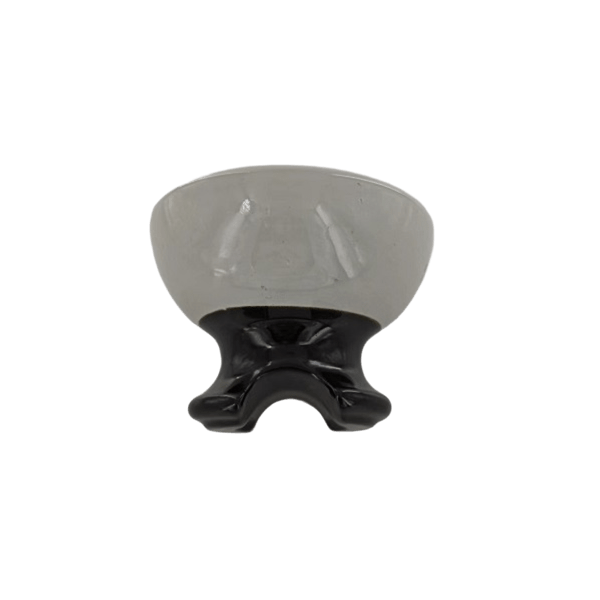
China Porcelain Long Rod Insulator 55-2
-
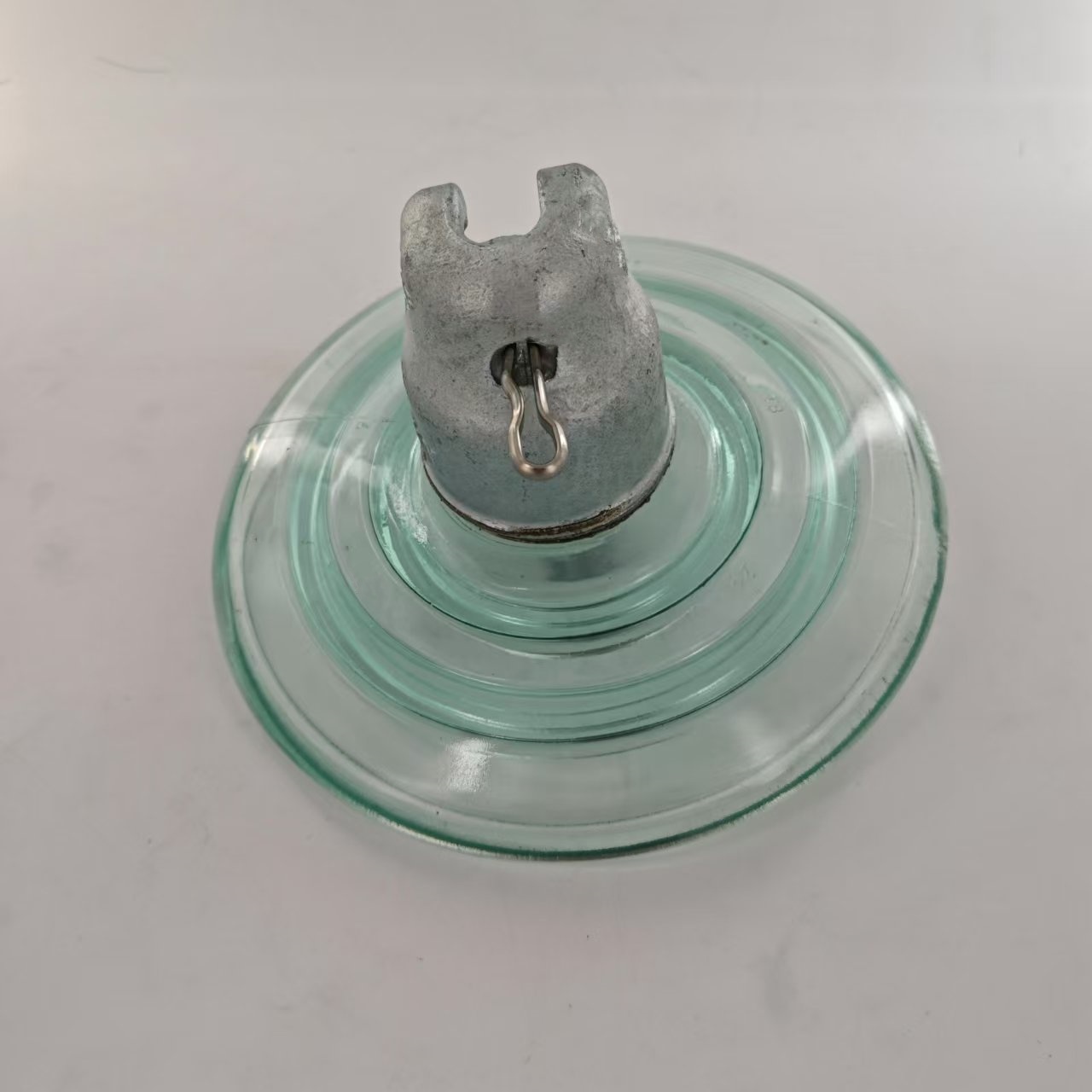
China Glass Suspension Insulator Promotions: U100BS
-
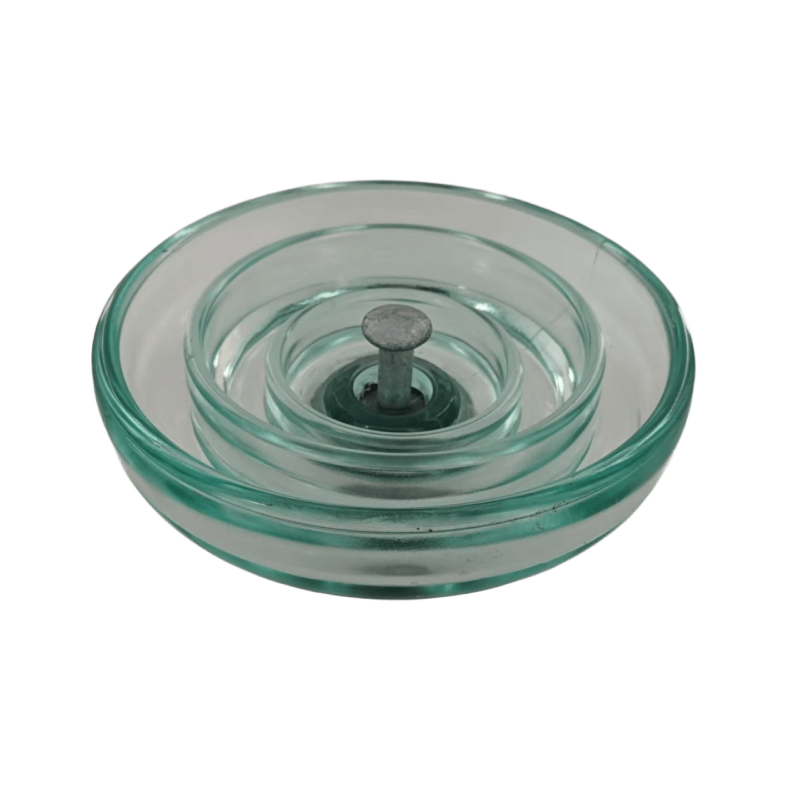
China Glass Jar Insulator: U120BP-1 High Voltage
-
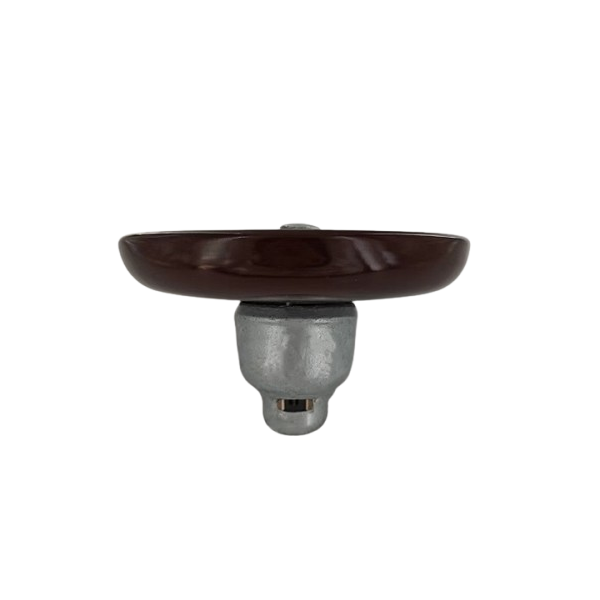
Supplier of Porcelain Insulators for Electric Fences
-
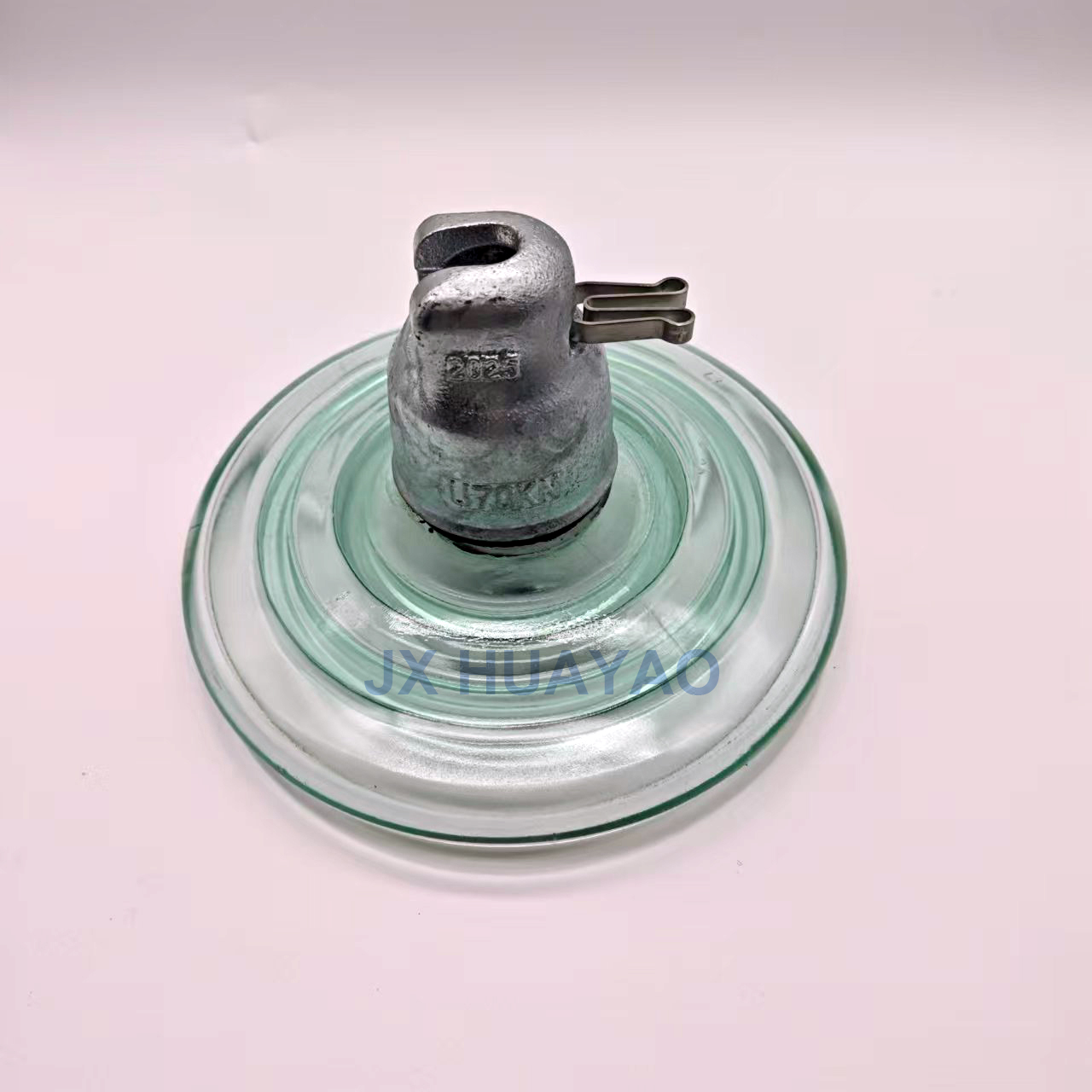
Factory Direct High Voltage Glass Insulator B U100BL
-
Factory Direct Anti-Fouling Glass Insulator Conductor
 Privacy settings