

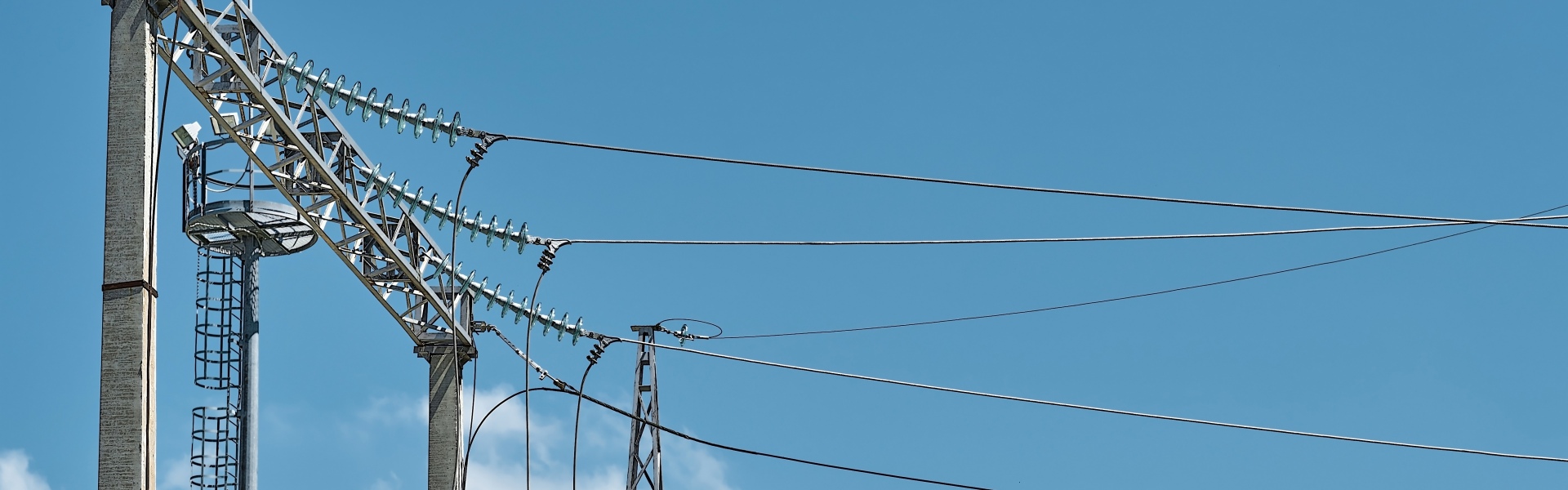
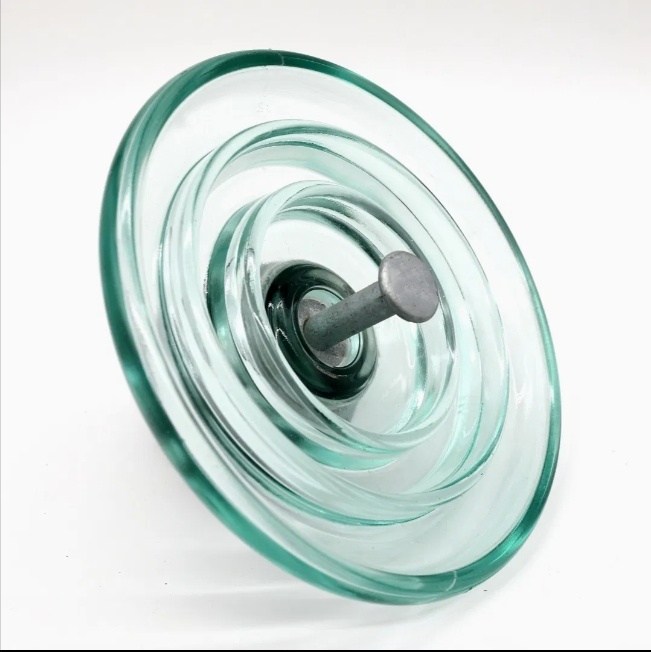
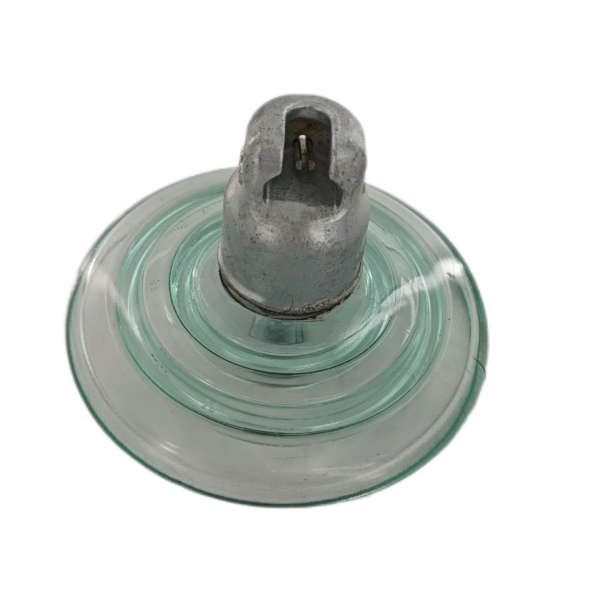
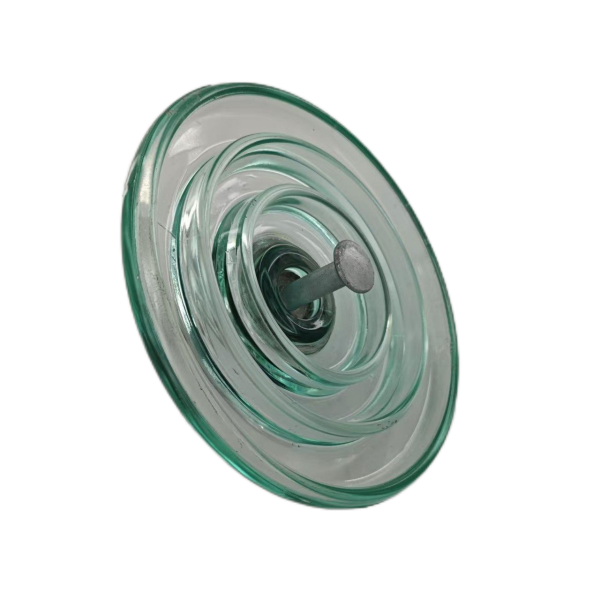
420kN Glass Factory Insulator for Power Lines
Short Description:
 Phone
Phone
 whatsapp
 Email
Email
Product Main Parameters
| Parameter | Value |
|---|---|
| Model Number | U420BL/205 |
| Material | Fiberglass |
| Rated Voltage | 33kV |
| Mechanical Failing Load | 420kN |
| Diameter D | 360 mm |
| Spacing H | 205 mm |
| Creepage Distance | 550 mm |
| Size of Coupling | 28 mm |
| Net Weight | 16 kg |
Common Product Specifications
| Feature | Specification |
|---|---|
| Durability | High |
| Weather Resistance | Excellent |
| Visibility and Aesthetics | Transparent |
| Impact Resistance | High |
Product Manufacturing Process
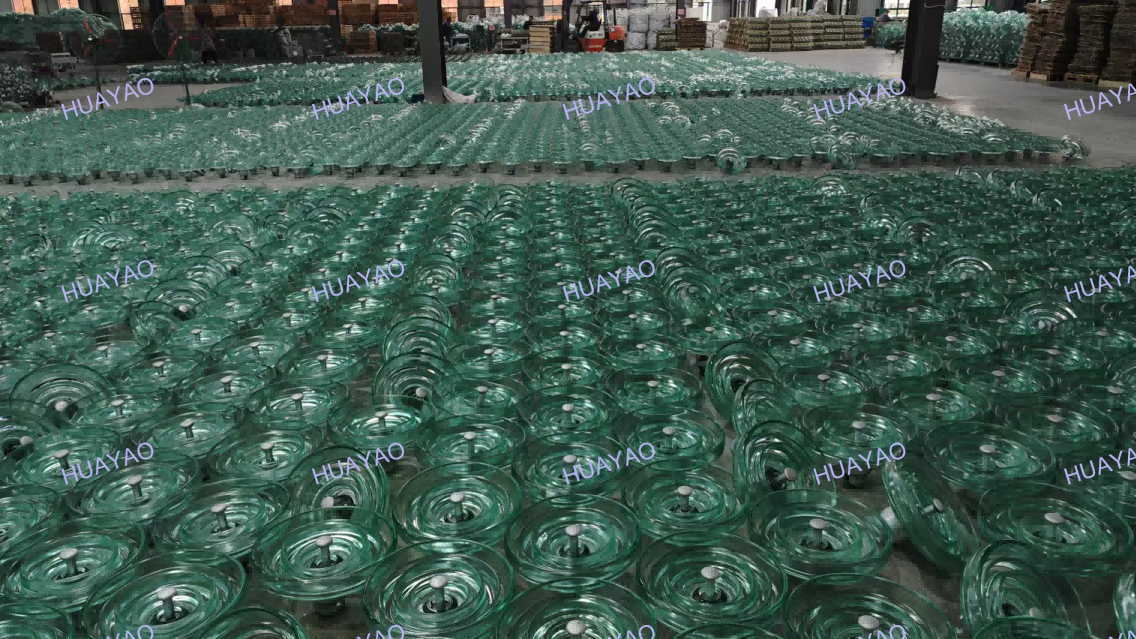
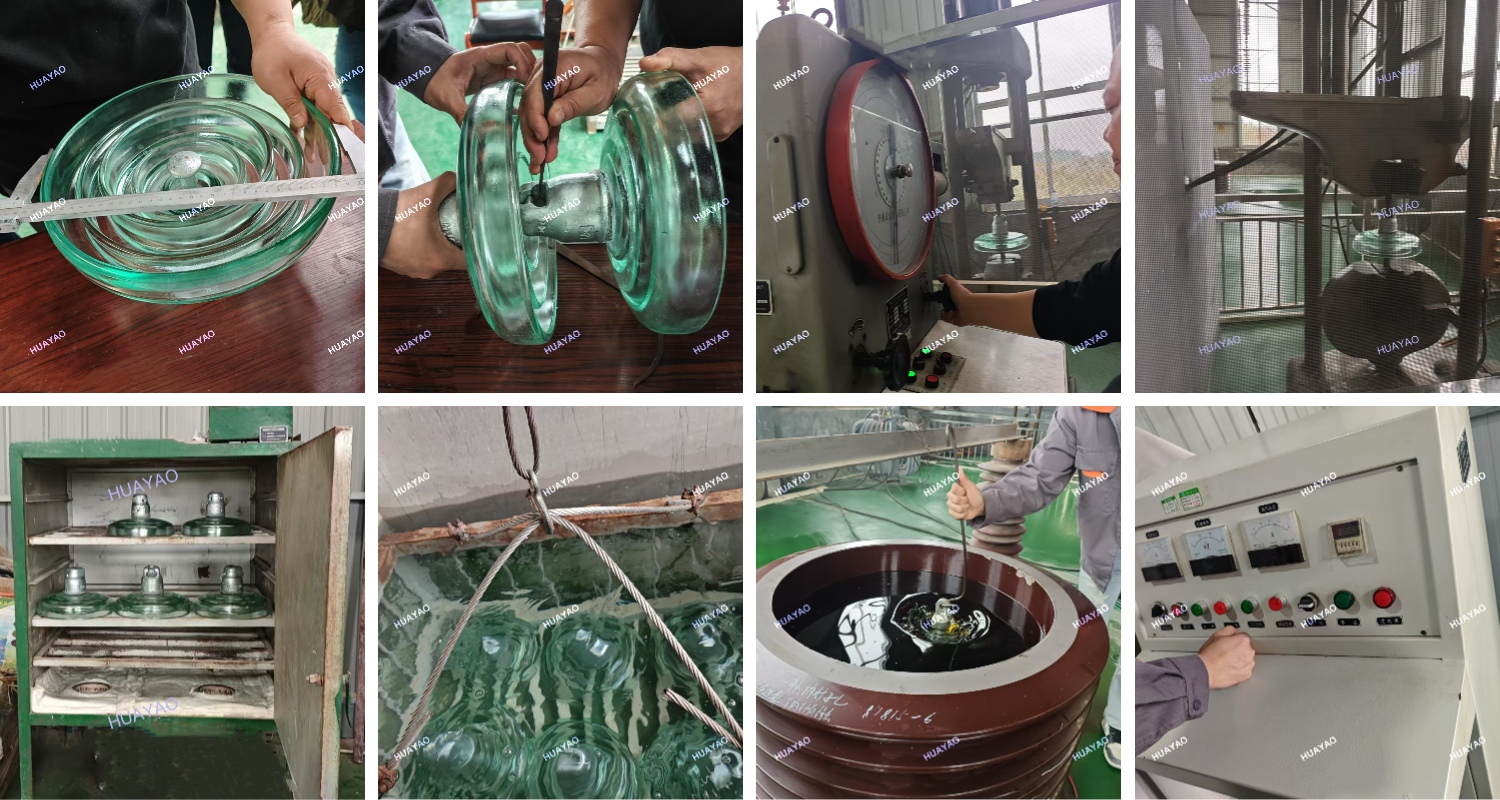
The manufacturing process of glass insulators at our factory is a testament to advanced engineering and stringent quality controls. It begins with the meticulous selection of raw materials to ensure purity and strength. The glass is then melted in state-of-the-art kilns and formed into precise shapes. These are tempered through a controlled cooling process to enhance durability. Each insulator undergoes rigorous testing for mechanical and electrical properties, ensuring they meet international standards. This process not only improves the reliability of the insulators on power lines but also extends their service life, thus reducing the total cost of ownership.
Product Application Scenarios
Glass insulators are predominantly used in high voltage power lines. Their ability to resist electrical leakage and withstand environmental stressors makes them indispensable in transmission and distribution networks. The transparency of glass allows for easy detection of damages, ensuring quick maintenance and reducing downtime. In regions prone to severe weather, such as ice storms, glass insulators provide robust performance, minimizing power outages. Additionally, they are used in areas with high pollution levels due to their self-cleaning properties under rain. Overall, their application contributes significantly to the safety and reliability of power infrastructure globally.
Product After-Sales Service
Our factory is committed to customer satisfaction, offering comprehensive after-sales services for glass insulators. This includes a warranty for defects in material and workmanship, technical support for installation and maintenance, and prompt customer service for addressing any concerns. Our team is equipped to provide guidance on optimal usage and longevity of the product. We also facilitate regular follow-ups to ensure the product continues to meet performance expectations on power lines.
Product Transportation
Shipping glass insulators requires specialized packaging to prevent damage during transit. Our factory employs robust packaging solutions that include padded containers and shock-resistant materials. Logistics partners are carefully selected based on reliability and proficiency in handling fragile products. This ensures timely and safe delivery, maintaining the integrity of the insulators for use on power lines.
Product Advantages
Our glass insulators boast several advantages: exceptional durability under mechanical stress, superior weather resistance, high aesthetic value for visual inspections, and a long lifespan with minimal maintenance. These attributes make them a preferred choice for power lines, where reliability and performance are paramount.
Product FAQ
- What is the primary use of glass insulators?
Glass insulators are primarily used on power lines to prevent electric current from flowing to the ground or unintended paths, enhancing safety and reliability. - Why choose glass over other materials?
Glass offers high durability, excellent weather resistance, and transparency, allowing for easy inspection and maintenance, ideal for power lines. - How does glass insulator resist weather conditions?
The composition of glass makes it impervious to moisture, UV light, and extreme temperatures, ensuring consistent performance on power lines. - Are glass insulators environmentally friendly?
Yes, glass insulators are recyclable and have a lower environmental footprint compared to other materials, making them a sustainable choice for factories producing power line equipment. - Can glass insulators withstand high mechanical stress?
Yes, glass insulators are designed to endure high mechanical stress, ensuring stability and safety on power lines even under adverse conditions. - What maintenance do glass insulators require?
Minimal maintenance is needed due to their durability and weather resistance, but periodic inspections are recommended for optimal performance on power lines. - How are glass insulators packaged for delivery?
They are packaged using shock-resistant materials in padded containers to prevent damage during transportation from the factory to the site. - What is the lifespan of a glass insulator?
With proper installation and maintenance, glass insulators can last several decades, providing reliable service on power lines. - Are there different types of glass insulators?
Yes, there are various types including pollution-resistant, standard, and aerodynamic, each suited for specific power line applications. - How does the factory ensure quality in glass insulators?
Our factory employs stringent quality control measures, from raw material selection to final testing, ensuring high-quality glass insulators for power lines.
Product Hot Topics
- Why Glass Insulators are Still Preferred in Modern Power Lines?
Despite the advent of composite materials, glass insulators remain a popular choice due to their proven reliability and durability. Their ability to withstand harsh weather conditions and provide a long lifespan makes them invaluable in power line applications. The transparency of glass simplifies the inspection process, allowing for quick identification of cracks or defects. Furthermore, the inherent strength of tempered glass ensures that these insulators can support substantial loads, making them a vital component in high voltage transmission systems. As technology progresses, the manufacturing processes have also evolved, resulting in even more resilient glass insulators that can meet modern energy demands efficiently. - The Role of Factories in Advancing Glass Insulator Technology
Factories play a critical role in the advancement of glass insulator technology. By investing in cutting-edge research and development, they have been able to produce insulators that are not only durable but also cost-effective. Modern factories, like ours, utilize advanced machinery from Germany and Italy, ensuring high precision and quality in production. This focus on innovation has led to the development of insulators that can withstand higher voltages and offer better performance in adverse environmental conditions. As a result, glass insulators continue to be an integral part of power line infrastructure, contributing to improved reliability and safety in electricity transmission. - Environmental Benefits of Using Glass Insulators on Power Lines
Glass insulators offer significant environmental benefits compared to their counterparts. They are fully recyclable, reducing waste and lowering the environmental impact of power line construction and maintenance. The production process has also become more environmentally friendly, with many factories adopting sustainable practices and reducing emissions. Furthermore, the long lifespan and durability of glass insulators mean less frequent replacements, minimizing resource consumption over time. By choosing glass, utilities and manufacturers are supporting green initiatives and contributing to the creation of a more sustainable power infrastructure. - Challenges in Manufacturing Glass Insulators and How Factories Overcome Them
Manufacturing glass insulators presents several challenges, including ensuring consistency in quality and managing cost efficiencies. To address these issues, factories employ rigorous quality control measures throughout the production process. Advanced technologies like precision molding and tempering are utilized to achieve uniformity and strength. Additionally, by sourcing high-quality raw materials and optimizing manufacturing workflows, factories can produce superior insulators without significant cost increases. Collaboration with international partners and continuous innovation further enhance the capability of factories to overcome these challenges and lead in the glass insulator market. - Impact of Climate Change on Glass Insulator Performance
As climate change leads to more extreme weather events, the performance of glass insulators on power lines becomes increasingly critical. These insulators must withstand higher temperatures, stronger winds, and heavier ice loads without compromising functionality. Fortunately, the intrinsic properties of glass provide excellent resistance to these stresses. Manufacturers are also adapting by developing new formulations and designs that enhance resistance to environmental factors. This adaptability ensures that glass insulators remain a reliable choice for modern power line systems, capable of maintaining performance standards amidst climate variability. - Importance of Quality Control in Glass Insulator Production
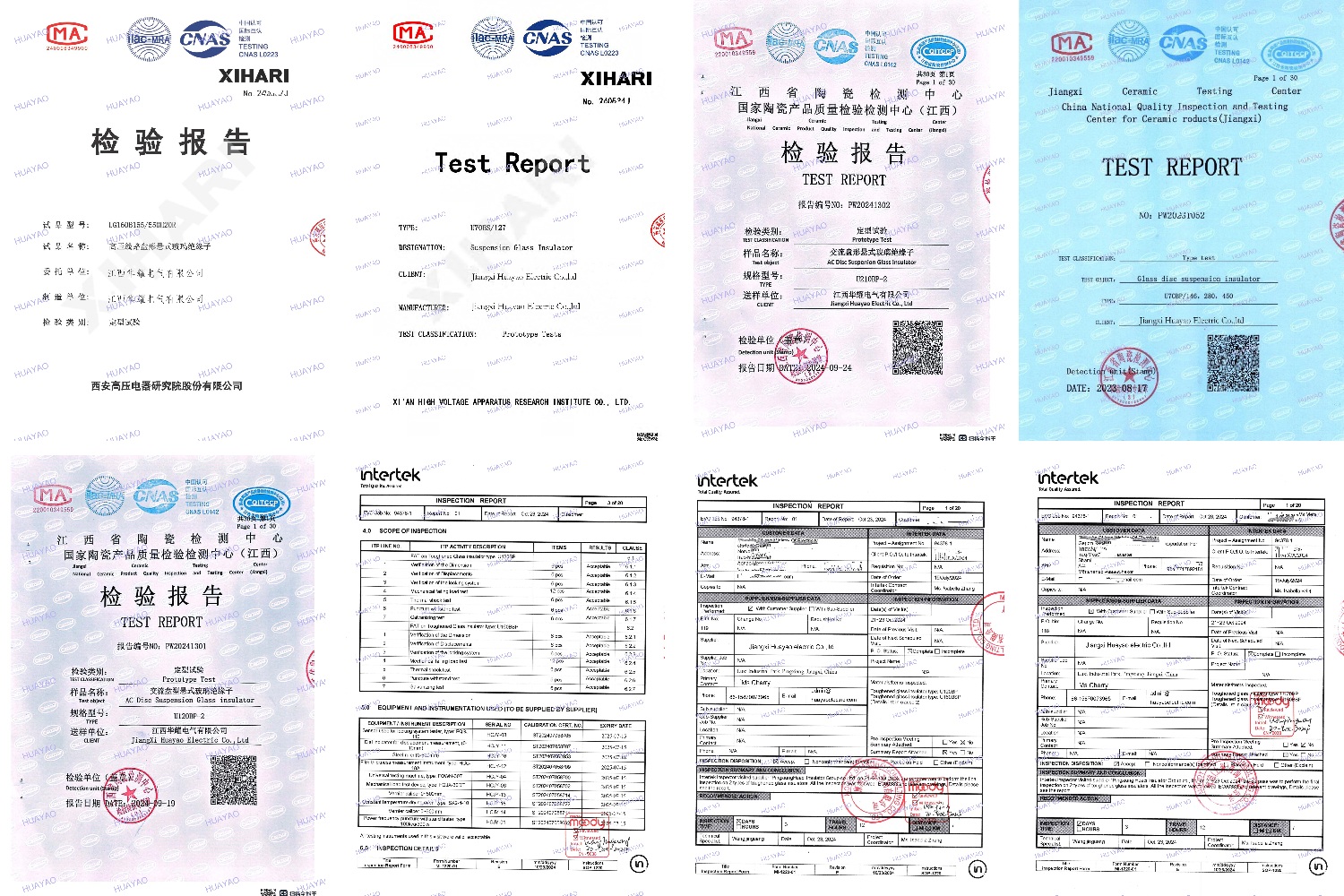
Quality control is paramount in the production of glass insulators to ensure their reliability and safety on power lines. Factories employ various testing protocols, such as mechanical load tests and dielectric tests, to verify the insulators' performance under stress. By implementing comprehensive quality management systems, manufacturers can detect and rectify defects early in the production process. This attention to detail not only enhances the insulators' durability but also builds customer trust in the product's performance. As a result, quality control becomes a cornerstone of successful glass insulator manufacturing. - Comparing Glass and Composite Insulators: Which is Better for Power Lines?
The choice between glass and composite insulators depends on specific application requirements and environmental conditions. Glass insulators are renowned for their durability, transparency, and resistance to environmental factors, making them ideal for areas with extreme weather. Conversely, composite insulators offer lighter weight and flexibility, beneficial in certain dynamic environments. While both types have their merits, glass insulators continue to provide exceptional reliability over extended periods. Ultimately, the decision should consider factors such as mechanical stress, electrical requirements, and maintenance capabilities, with glass often being the preferred choice for enduring power line applications. - Role of Advanced Technologies in Enhancing Glass Insulator Performance
Advanced technologies are pivotal in enhancing the performance of glass insulators. Innovations in material science and manufacturing processes have led to the production of insulators that can withstand higher voltages and harsher environmental conditions. Techniques such as precision molding and automated quality inspections ensure consistent product quality while reducing production costs. The integration of smart technologies, such as sensors, further allows real-time monitoring of insulator performance on power lines. These advancements not only improve efficiency and safety but also pave the way for future innovations in glass insulator applications. - Meeting Global Energy Demand with Reliable Glass Insulators
As global energy demand continues to rise, the need for reliable power line infrastructure becomes more pressing. Glass insulators play a crucial role in meeting this demand by providing dependable insulation solutions that ensure the integrity of power transmission systems. Their durability and weather resistance contribute to reducing the frequency of maintenance and outages. Factories specializing in glass insulator production are pivotal in scaling up production to meet the growing needs of the energy sector efficiently. By focusing on quality and innovation, these factories help secure a stable and resilient power supply worldwide. - Trends in Glass Insulator Design and Their Impact on the Industry
Recent trends in glass insulator design focus on enhancing their functionality and sustainability. Manufacturers are exploring new glass compositions that offer improved strength and reduced weight, while also incorporating environmentally friendly production practices. The aesthetic appeal of glass insulators is also being enhanced to fit modern power line designs. These trends reflect the industry's commitment to innovation, ensuring that glass insulators remain a vital component of power infrastructure. As the industry evolves, these design advancements are expected to further solidify the position of glass insulators in the global energy market.
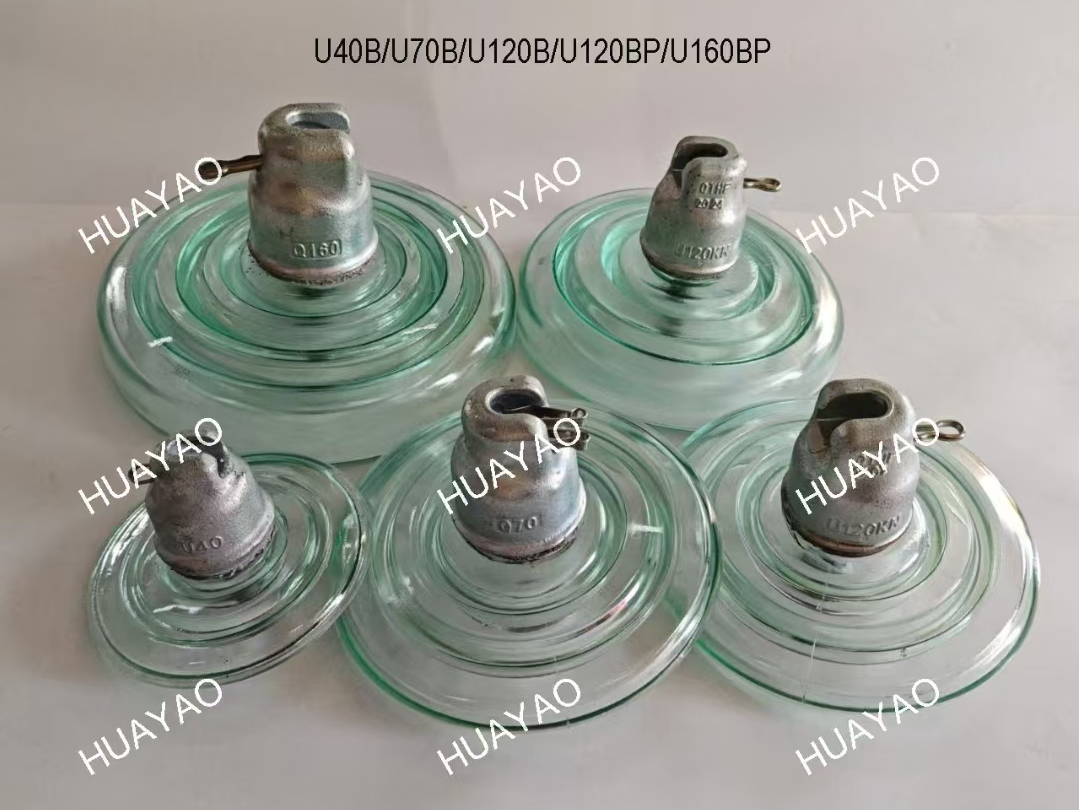
Image Description
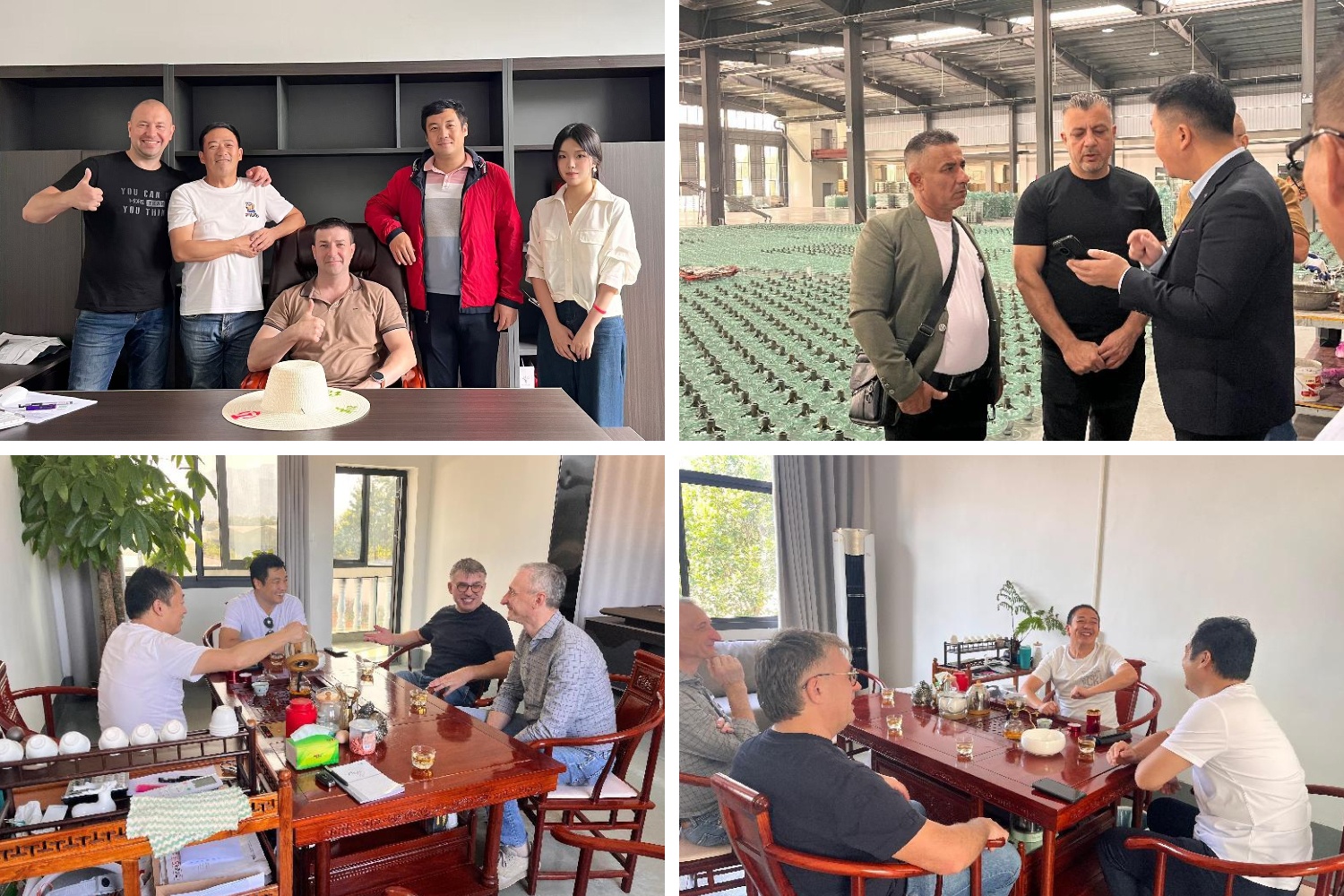
-
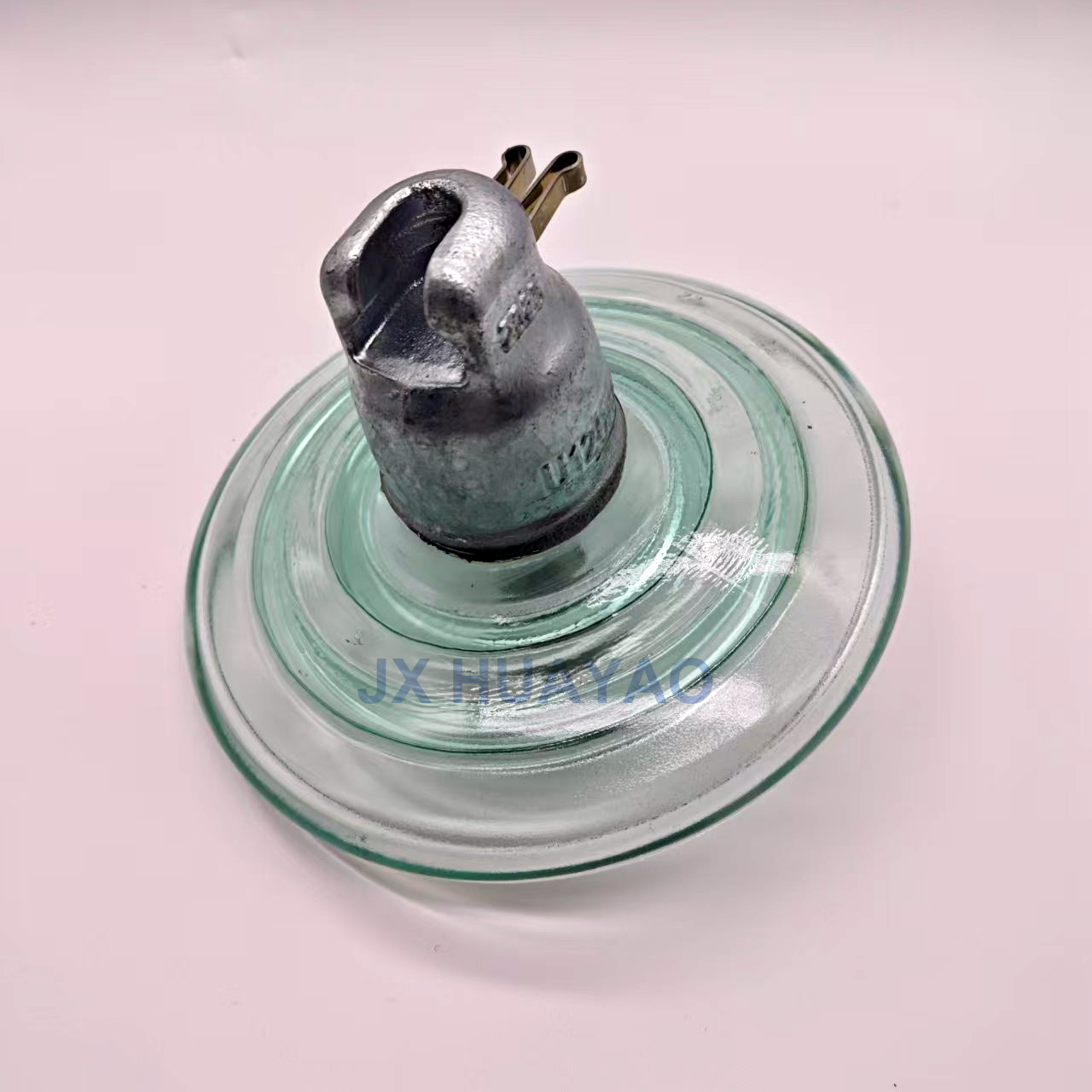
Supplier of Pollution Resistant Type Glass Insulator U160BS
-
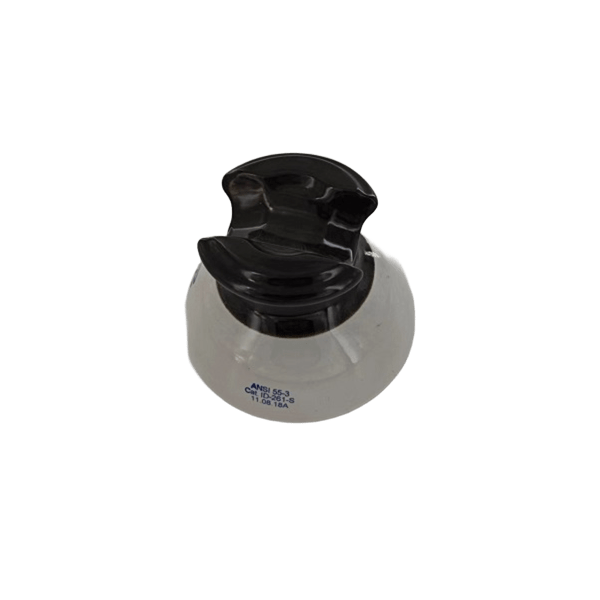
Porcelain Railroad Insulators Manufacturer - Huayao
-

China porcelain insulator for high voltage applications
-
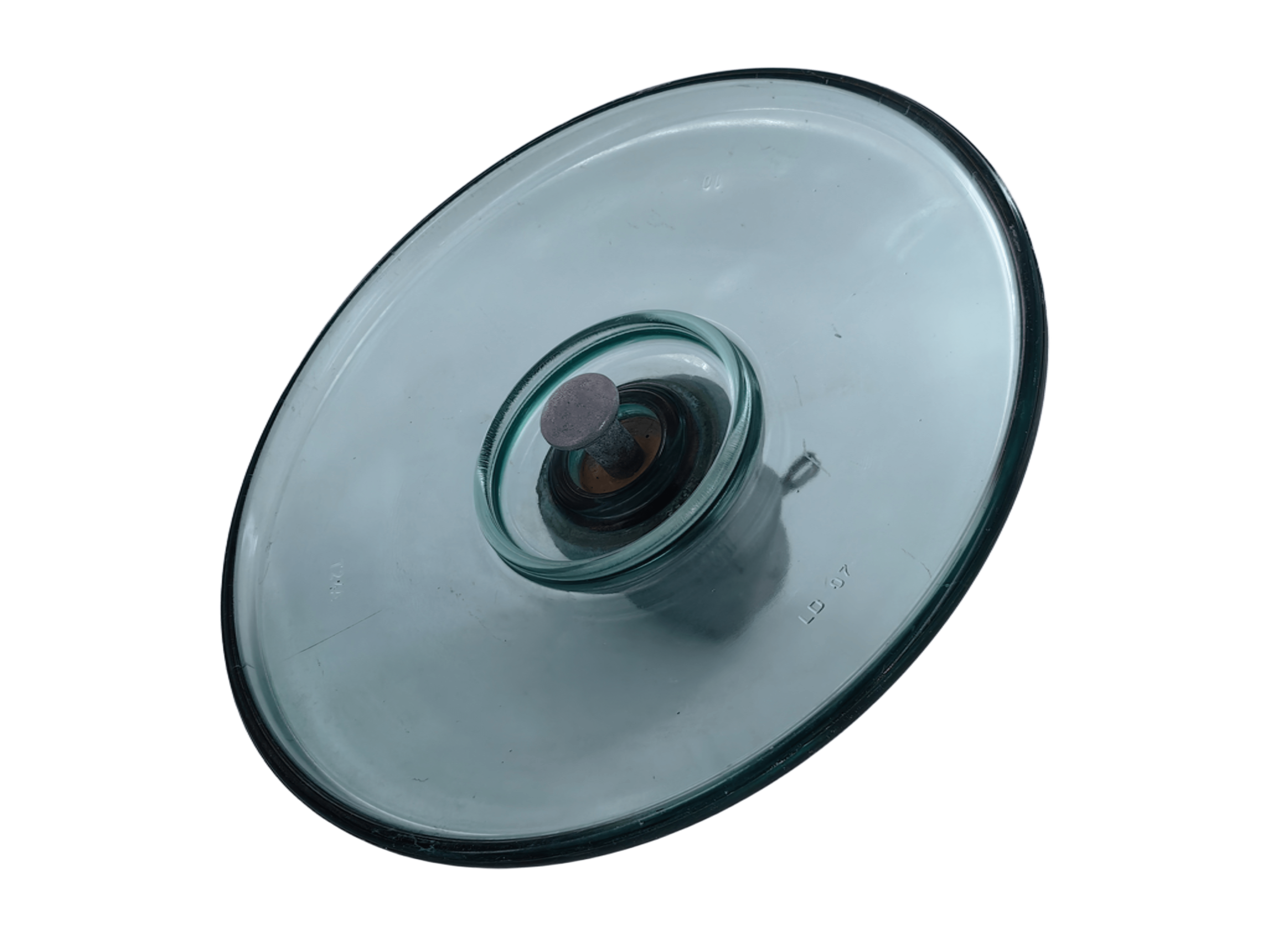
Large Glass Insulator Manufacturer for High Voltage Lines
-
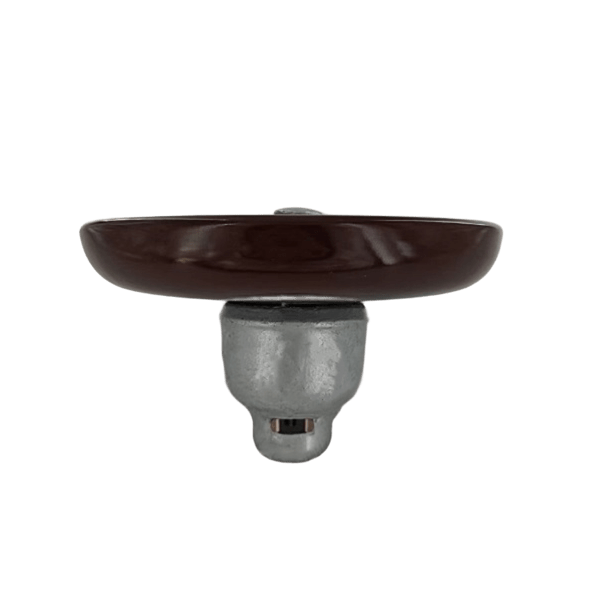
Reliable Supplier of 100 kN Post Porcelain Insulator
-
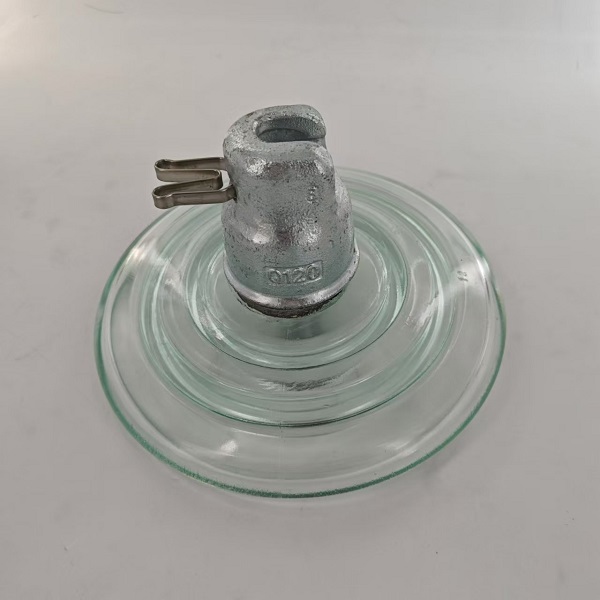
China Power Line Insulators for Sale: U120BL Suspension Type
 Privacy settings